
To solve the escalating crisis of climate change, conventional wisdom dictates that humanity must fundamentally achieve two distinct objectives: stop burning fossil fuels and rapidly build clean energy infrastructure to replace them. Yet, the past few decades in the United States have witnessed a prolonged and deeply contentious debate over which of these two goals is more urgent, and how policymakers should achieve them. Lawmakers and activists have long bickered over whether it is more critical to pass economy-wide carbon taxes or subsidize electric vehicles, and whether the most effective strategy is to physically block a new oil pipeline or construct vast arrays of solar and wind farms.
On this foundational question, the broader coalition known as the American climate movement has fractured into two distinct camps. On one side stand environmental activists, public interest lawyers, and frontline conservationists whose primary focus is blocking, regulating, and reducing fossil fuel use. On the other side are renewable energy developers, corporate sustainability advocates, and pragmatic policy wonks who focus squarely on accelerating the deployment of clean energy capacity.
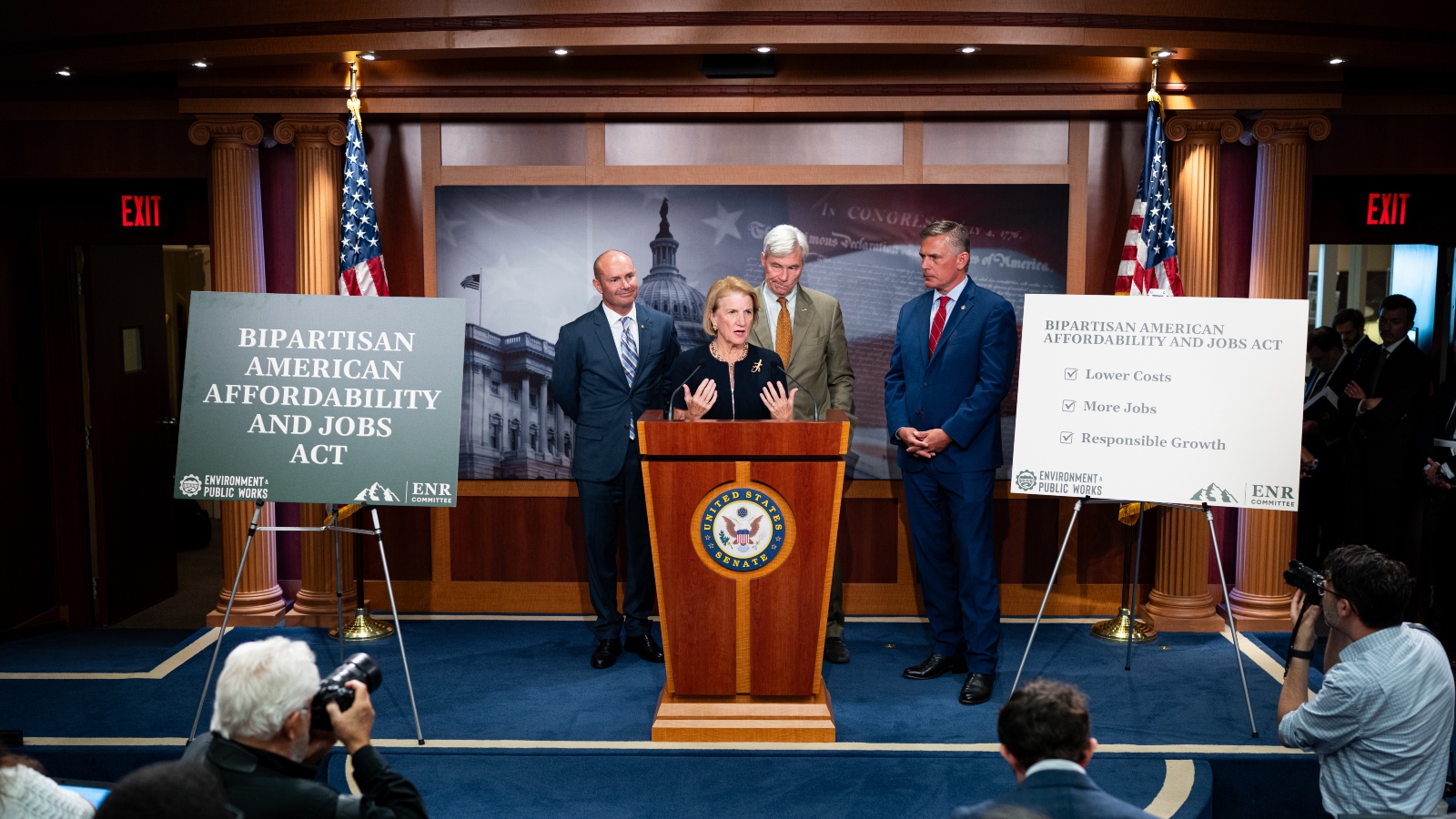
While these ideological factions have occasionally clashed in the past, a veritable civil war has erupted across the environmental movement following the release of a major new legislative package. The inciting incident was the introduction of the Bipartisan American Affordability and Jobs Act, commonly referred to as BAAJA. This sweeping 400-page Senate bill is explicitly designed to streamline the construction of critical infrastructure, including power plants, high-voltage transmission lines, and natural gas pipelines. The legislation achieves this acceleration by weakening several of the nation’s bedrock environmental statutes, sharply compressing the timelines for federal agencies to issue permits, and raising significant legal hurdles for plaintiffs seeking to cancel projects that have already secured federal approval.
For climate-conscious supporters of the legislation, the calculus is clear: they argue that it is vastly better for the long-term health of the planet to aggressively build out renewable energy, even if the compromise means allowing some fossil fuel infrastructure to be built alongside it, and even if it causes localized environmental damage in the process. Proponents assert that flooding the grid with new clean energy capacity will make it far easier to permanently wean the American economy off fossil fuels, which remain the primary driver of global warming. Conversely, opponents fiercely condemn the bill as a dangerous Faustian bargain that will irreparably jeopardize tribal nations, historically marginalized frontline communities, and vulnerable endangered species.
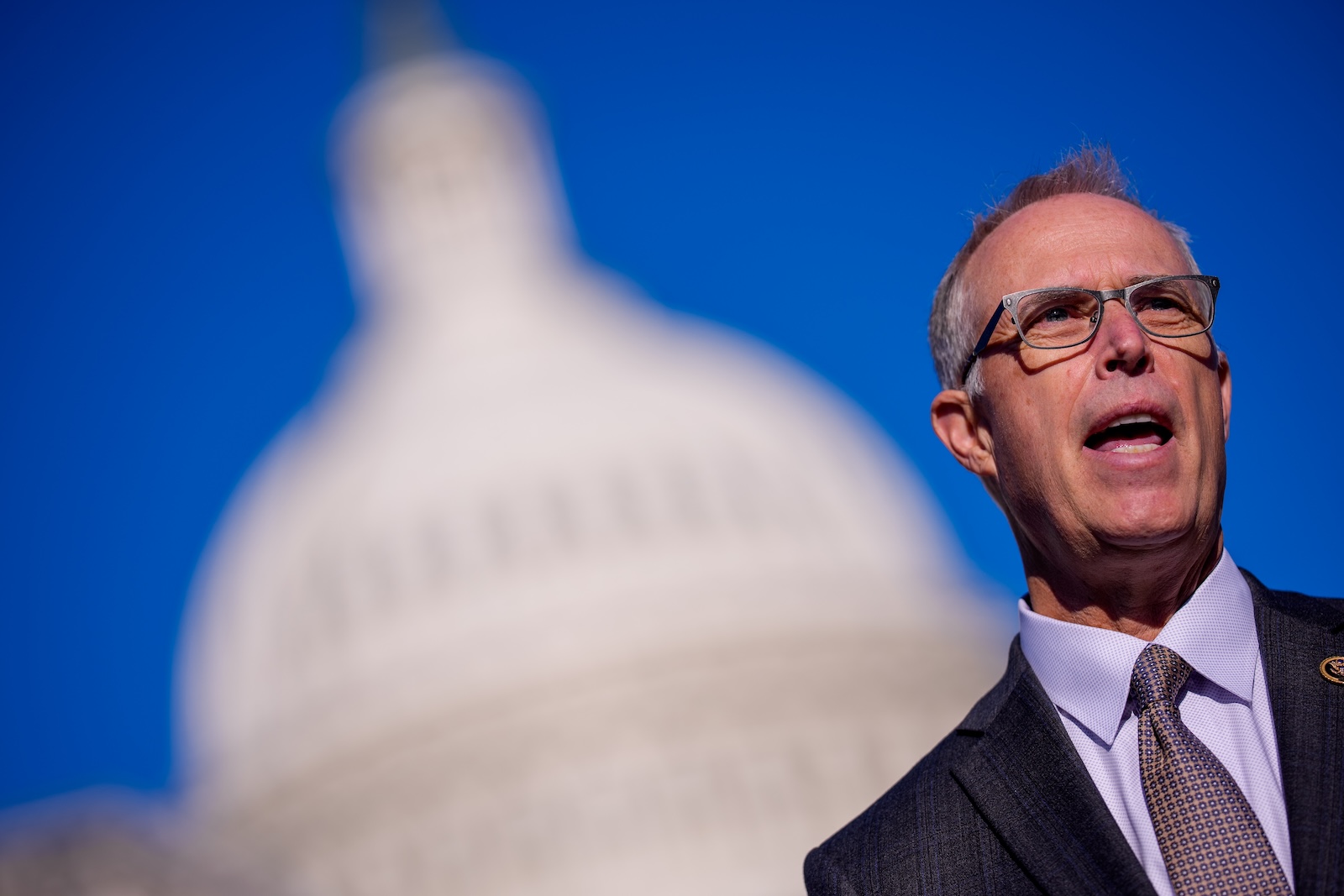
"It is definitely exposing a potential fault line between the environmental community and clean energy interests," said Representative Jared Huffman, a Democrat representing Northern California, in an interview with Grist.
BAAJA is the culmination of months of intense, behind-the-scenes bipartisan negotiations among four key members of the Senate committees overseeing energy and environmental policy. The Democratic participants in these talks were Senators Sheldon Whitehouse of Rhode Island and Martin Heinrich of New Mexico, both widely recognized as committed climate hawks and clean energy champions. Their Republican counterparts were Senators Mike Lee of Utah and Shelley Moore Capito of West Virginia, both vocal advocates for traditional fossil fuels and critics of federal environmental regulations. Despite their vast ideological differences, these four lawmakers managed to forge a sprawling legislative compromise encompassing hundreds of individual provisions.
The bipartisan group of negotiators reached their deal just before Congress departed for its fall recess, ensuring that the Senate will not return to formally consider the bill until after the midterm elections. The legislation has not yet cleared its necessary committee reviews and faces a deeply uncertain future in the House of Representatives. The coming weeks are expected to witness an intense lobbying scramble as both supporters and opponents mobilize resources to sway senators and representatives either toward or away from the bill.
Thus far, the pro-building faction within the climate movement appears to hold more political influence than the traditional blocking coalition. With President Donald Trump having spent the past two years repealing a significant portion of federal climate policies and actively obstructing the development of new clean energy projects, many pragmatic climate advocates appear increasingly willing to accept an imperfect legislative deal rather than pin their hopes on repairing future environmental damage after Trump leaves office.
"It’s a lot easier to prevent things from being built than to build things, and that applies both to fossil fuels and to renewables," said Zeke Hausfather, a climate expert at the science nonprofit Berkeley Earth, who also directs climate research for the tech company Stripe. "I don’t want us to run roughshod over any community, but we also can’t give everyone a veto for an issue as important as climate change. So ultimately, we need to strike a balance there."
The case in favor: Build more
A fundamental challenge associated with transitioning to clean energy is that wind and solar installations require vast amounts of land. Solar farms and wind energy facilities often sprawl across thousands of acres, while the high-voltage transmission lines required to carry their electricity to distant urban centers can extend for hundreds of miles, occupying far more territory than traditional coal or natural gas power plants. This expansive physical footprint increases the likelihood that projects will intersect with federal lands or waters, thereby triggering extensive regulatory obligations under the National Environmental Policy Act (NEPA)—the foundational environmental law enacted in the 1970s—as well as other statutes designed to protect endangered species and historical artifacts. Under NEPA, federal agencies are legally required to conduct exhaustive analyses of a project’s potential environmental impacts before they can approve or deny a construction permit.
This rigorous review process frequently sparks time-consuming and expensive litigation. Project opponents can initiate lawsuits against federal agencies even years after an environmental review has been finalized, arguing that the initial assessment was insufficiently comprehensive and petitioning courts to halt construction until the agency completes a new analysis. A comprehensive 2005 study revealed that 64 percent of utility-scale solar projects, 38 percent of wind energy projects, and 31 percent of major transmission line projects face formal NEPA-related lawsuits.
This litigation can originate from virtually any stakeholder and target nearly any conceivable project impact. On one end of the spectrum, a coalition of Native American tribes and environmental organizations sued the developer of the SunZia transmission line. While the line is designed to transport crucial wind energy to Arizona and California, the plaintiffs sought to force the developer to reroute the cables away from a sacred cultural site—an effort that was ultimately unsuccessful in court. On the other end, opponents of a California wind energy project managed to delay development for years by filing lawsuits alleging that a federal agency had failed to adequately consider pseudoscientific theories regarding electromagnetic fields generated by wind turbines. Both projects were ultimately completed, but they suffered years of costly delays.
The new Senate bill would significantly constrain the ability of litigants to file these types of challenges. Under BAAJA, lawsuits would need to be filed within 150 days of the conclusion of the NEPA review process, a sharp reduction from the current six-year window, and plaintiffs would be required to have explicitly raised their specific concerns during the public comment period. Furthermore, courts would generally be restricted from pausing a project entirely while ordering an agency to redo its analysis, limiting permit revocations to narrow circumstances involving outright violations of the law or imminent threats to "life, property, national security, or defense."
"This is a great bill, and it’s a huge step in the right direction," said Ray Long, president of ACORE, a trade group representing the domestic solar and wind industry. "We need to really put this in reality. We need to build a ton of stuff over the next four years, or else we’re gonna have higher electricity prices."
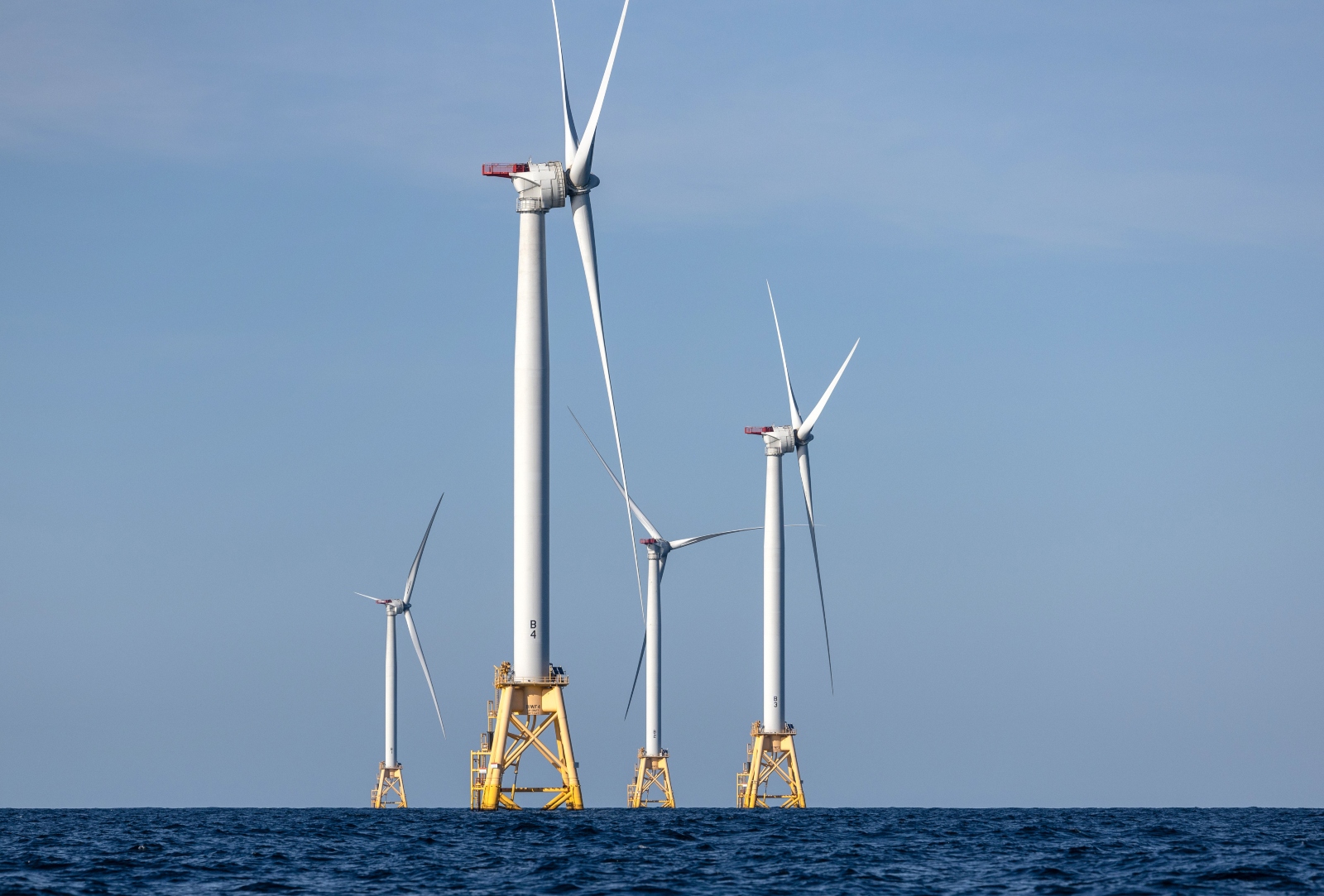
A related set of provisions aims to provide developers with greater "permitting certainty" by restricting the federal government’s ability to arbitrarily block projects. Both Republicans and Democrats believe these measures serve their interests: Republicans have long harbored resentment over President Joe Biden’s decisions to block the Keystone XL oil pipeline and pause the approval of new liquefied natural gas export terminals along the Gulf Coast, while Democrats have watched the second Trump administration utilize executive authorities to halt clean energy installations on federal lands and waters. One key provision would allow developers to seek financial compensation if they can establish that the government has unfairly discriminated against a specific energy technology, such as offshore wind, through unwarranted permit delays or cancellations.
"This president has found ways to skirt the edges of every law that we have, and his attacks will continue," said Kris Ohleth, executive director of the Special Initiative on Offshore Wind, a pro-industry research organization. "लेकिन at least if developers know they can recoup some of their development costs, as this bill might allow, it’s more appealing for them to return to the market."
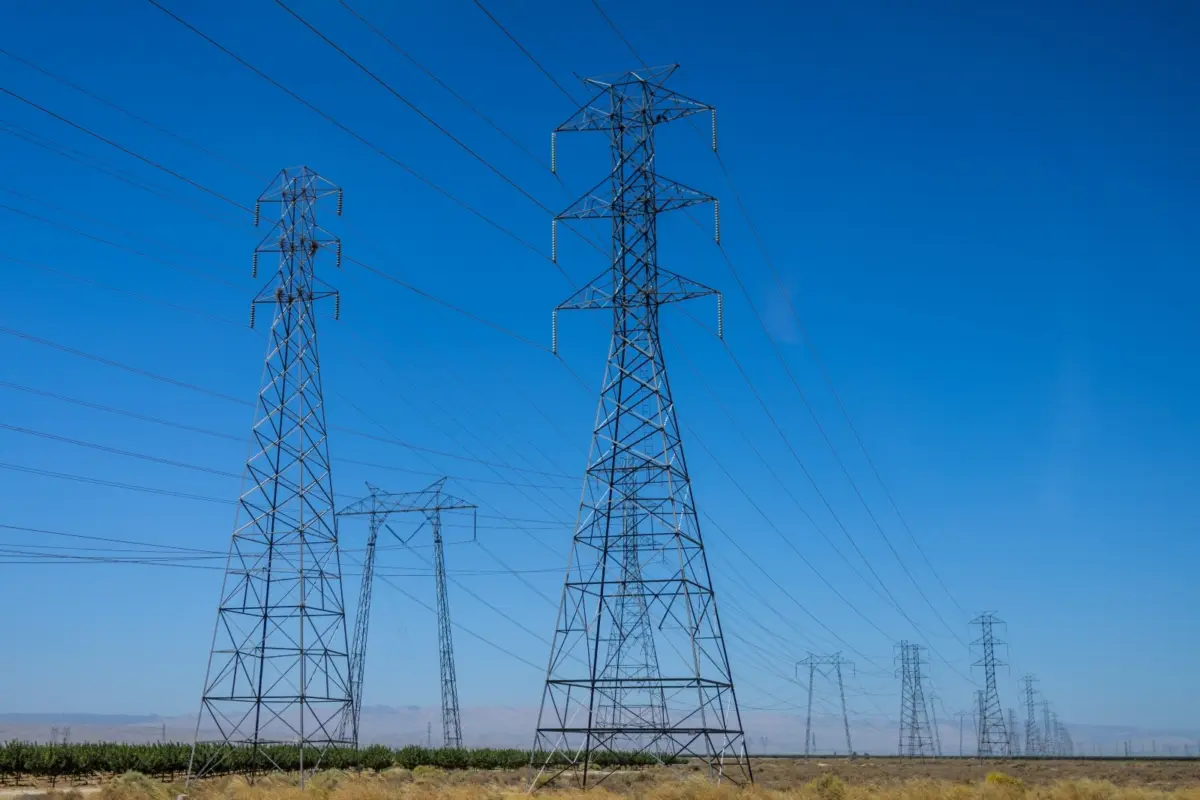
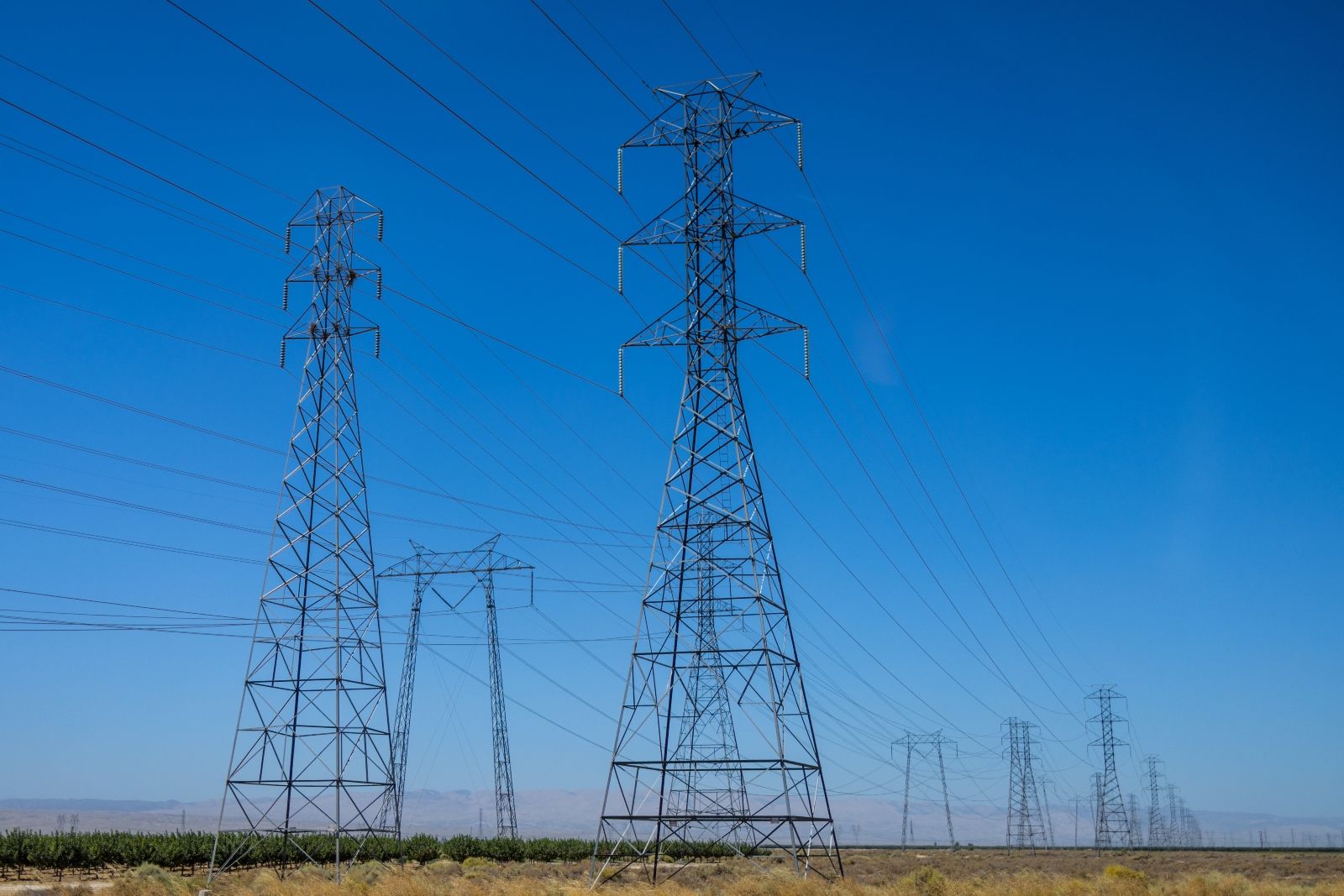
Arguably the most consequential element of the legislation addresses an issue separate from traditional permitting: the development of massive interstate transmission lines capable of moving electricity across regional power grids. The United States has constructed very few interregional transmission lines in recent decades, and this infrastructure bottleneck has made it increasingly difficult for developers to integrate new solar and wind generation into the grid.
"Historically, it didn’t matter too much where power plants were located, so we built them close to where the power was needed," said Chirag Lala, vice president of research and chief economist at the Center for Public Enterprise. "But we don’t have that same luxury with clean energy, which can be very location-specific. If you’re going to rely on those resources, you have to ship the power over long distances."
BAAJA would compel utilities and regional grid operators to proactively plan for interregional transmission lines, empowering private developers to step in and construct lines independently if existing utilities fail to build sufficient capacity. The legislation would also dismantle numerous procedural roadblocks that regional utilities have historically used to block competing transmission projects. Democratic negotiators and supportive climate experts view these provisions as a transformative shift for the renewable energy sector, potentially unlocking vast solar potential in Nevada and wind capacity in the Dakotas to supply energy-hungry regions like Appalachia.
The case against: Stop the damage
While the clean energy industry has celebrated the bill’s provisions to accelerate infrastructure development, numerous environmental organizations have strongly condemned the measure. Critics argue that the proposed regulatory rollbacks will unleash a wave of industrial development near disadvantaged, low-income communities while stripping residents of vital legal avenues to halt projects in their backyards. Opponents contend that the legislation essentially sacrifices vulnerable communities, particularly in regions like the Gulf South, in pursuit of an aggregate national increase in energy supply.
"That battle between fossil fuels and renewables is not going to necessarily go well for the people of our region, especially if you take those regular protections that we’ve relied on for years away," said Liz Zepeda, director of federal policy at the Southern Environmental Law Center.
The permitting reforms have also drawn sharp opposition from Indigenous groups, who warn that the dilution of historic preservation laws will diminish the voice of tribal nations in major infrastructure decisions. By the time tribes are formally notified of proposed transmission lines or solar installations, critics argue, it may be far too late to protect culturally sensitive and sacred sites.
"These changes will reduce opportunities for Tribal Nations to learn that an infrastructure project is occurring or to participate before decisions are made, all but guaranteeing that construction or other activities affecting sacred places can proceed without meaningful Tribal involvement," said Valerie Grussing, executive director of the National Association of Tribal Historic Preservation Officers.
Furthermore, the legislation would constrain litigation aimed at protecting endangered species and weaken state authority under the Clean Water Act. State-level authority has historically been deployed to block environmentally damaging projects or remove outdated dams, such as the major dam removal efforts along the Klamath River, which would become significantly more difficult under the new framework. BAAJA would also permit commercial mining operations on public lands to deposit excavated waste materials on adjacent tracts. While mining is undeniably necessary to secure the raw minerals required for solar panels, wind turbines, and electric vehicle batteries, environmental watchdogs express deep concern over the long-term ecological consequences for local ecosystems.
Beyond localized environmental impacts, opponents argue that the bill effectively locks in the long-term expansion of fossil fuels, potentially neutralizing the emissions reductions achieved by building renewable energy. A prominent concession to Republican negotiators is a broad environmental exemption for natural gas pipelines, which—combined with the changes to the Clean Water Act—would make it much harder for East Coast states to block new fossil fuel pipelines. Even Hausfather, who supports the bill, acknowledges that increasing the flow of natural gas to the Northeast would likely cause regional emissions to rise, though he maintains that accelerated clean energy deployment elsewhere would outweigh those increases.
Critics are similarly skeptical of the permitting certainty provisions welcomed by the offshore wind industry. Because the bill prohibits federal officials from discriminating against any specific energy source, the restriction applies equally to fossil fuels. In theory, this would prevent a future presidential administration from enacting a moratorium on liquefied natural gas exports or blocking offshore oil and gas leasing.
"If you have a dominant industry right now, which is the fossil fuel industry, you are creating a structure that makes it possible for them to lock in their dominance forever," said Brett Hartl, government affairs director at the Center for Biological Diversity.
Opponents assert that by compromising their ability to challenge new oil and gas extraction, climate advocates are undermining the broader fight against global warming, regardless of how many solar panels and wind turbines are ultimately installed.
"Do we just ignore the political and economic power of the fossil fuel industry, and just hope and pray we can deploy renewable energy fast enough to reduce emissions?" asked Erich Pica, president of Friends of the Earth. "That’s what this bill does."
Builders vs. blockers
Despite the intense debate, BAAJA’s legislative fate remains far from certain. In addition to stiff opposition from organizations like the Center for Biological Diversity, several House members have expressed reservations about the package. At least one senior Republican lawmaker, Representative Brett Guthrie, has publicly stated his opposition to the provisions mandating new transmission lines, a stance shared by major utility companies. On the Democratic side, Representative Huffman argued that his party could likely negotiate a more favorable legislative deal following the midterm elections.
"The idea that this is this once-in-a-lifetime great opportunity that will never come again and has to be accepted without any scrutiny or questions is pretty silly," Huffman said, characterizing the bill as a "Trojan horse" containing excessive concessions to the fossil fuel industry.
Nevertheless, even if Democrats regain unified control of Congress, passing major transmission reform will inevitably require some bipartisan cooperation, making compromise unavoidable. Supporters point out that it remains doubtful whether congressional Republicans would engage in serious negotiations while in the minority, or whether President Trump would sign a Democratic-led infrastructure bill.
For the moment, the legislation has split the climate movement down the middle. While hundreds of grassroots environmental groups signed a joint letter urging Democratic senators to vote against the measure, most major national green organizations withheld their signatures. Noticeable absences from the opposition letter included the Sierra Club, the Environmental Defense Fund, the Nature Conservancy, and the Natural Resources Defense Council—whose leadership noted in a public statement that while the bill raises difficult questions, it could ultimately prove to be exceptionally beneficial for clean energy development. Others, such as the Citizens’ Climate Lobby, have offered their unconditional endorsement.
The fact that the legislation retains a realistic path to passage with backing from environmental hawks and select conservation groups reflects a profound strategic shift within the American climate movement. Evolving from an era defined by grassroots protests against fossil fuel pipelines like Keystone XL—efforts frequently stymied by shifting judicial rulings and executive actions—the movement is grappling with a new reality where rapid technological cost declines for solar and wind have run headlong into regulatory bottlenecks and transmission constraints.
The willingness of key lawmakers and mainstream environmental groups to entertain a pragmatic compromise highlights a stark modern assessment of the climate crisis: if traditional political and legal tactics cannot readily defeat the fossil fuel industry, the primary imperative may be to build a clean energy economy robust enough to replace it.