
Described by the Supreme Court as "the most comprehensive legislation for the preservation of endangered species ever enacted by any nation," the Endangered Species Act has served as the bedrock of American conservation for over half a century. Federal protections under the Nixon-era law have been instrumental in pulling nearly 300 U.S. species—including iconic American wildlife such as the bald eagle, the American alligator, and the grizzly bear—back from the absolute brink of permanent extinction.
Each year, the U.S. Fish and Wildlife Service, which carries the primary responsibility for implementing the federal law, evaluates vulnerable populations and formally lists them as either "endangered" or "threatened." Whenever federal activities, infrastructure projects, or private commercial developments carry the potential to harm a listed species or degrade its vital habitat, project developers are legally required to consult directly with the agency or secure explicit permits prior to breaking ground.
For the last several decades, the legal interpretation of two specific words—"take" and "harm"—has formed the core structural backbone of the statute. The law’s strict prohibition against "taking" an animal criminalized any attempts to "harass, harm, pursue, hunt, shoot, wound, kill, trap, capture, or collect" at-risk species. Simultaneously, the specific regulatory provision defining "harm" ensured that degrading or destroying a listed species’ critical habitat could be legally penalized. Conservationists and legal experts credit these expansive definitions as the primary drivers behind the law’s remarkable historical success.
That foundational framework shifted significantly when the Trump administration determined that razing or altering the natural habitats where endangered and threatened species breed, feed, and find shelter would no longer face federal penalties. In a separate internal memorandum, the administration also reinterpreted the statutory definition of a "take," restricting it strictly to instances involving the intentional killing of a protected animal. These sweeping policy shifts have already sparked fierce pushback, with nearly two dozen state attorneys general filing lawsuits to challenge the legality of the changes.
"These rule changes, when you zoom out, are an assault on threatened and endangered species unlike we’ve ever seen before," said Elizabeth Forsyth, a senior attorney in the biodiversity defense program with Earthjustice, a prominent nonprofit environmental law organization. "It’s an effort to eliminate habitat protections, eliminate automatic protections for threatened species, and give industry power."
This regulatory rollback arrives at a precarious moment. Compounding the pressure, accelerating climate change is worsening ecological conditions as wild populations struggle to adapt to rapidly warming temperatures and shifting ecosystems. As federal oversight wanes, environmental reporters and legal experts are examining how ten distinct American species—ranging from marine mammals and alpine fish to misunderstood reptiles and elusive insects—might fare as the regulatory framework that once kept them afloat is systematically weakened.
North Atlantic Right Whale
North Atlantic right whales received their grim name for a perverse historical reason. Because they naturally frequented coastal waters close to shore, remained near the surface, and floated easily when killed, 19th-century whalers considered them the "right" whale to hunt. Human hunting was so effective that it drove the species nearly to extinction before commercial whaling was finally banned internationally in the 1930s.
Today, however, direct commercial hunting is no longer the primary threat to their survival. "Nobody goes out and says, ‘I’m gonna hit a right whale with my ship,’" noted Delcianna Winders, director of the Animal Law and Policy Institute at Vermont Law and Graduate School. Yet, fatal collisions occur with alarming regularity.
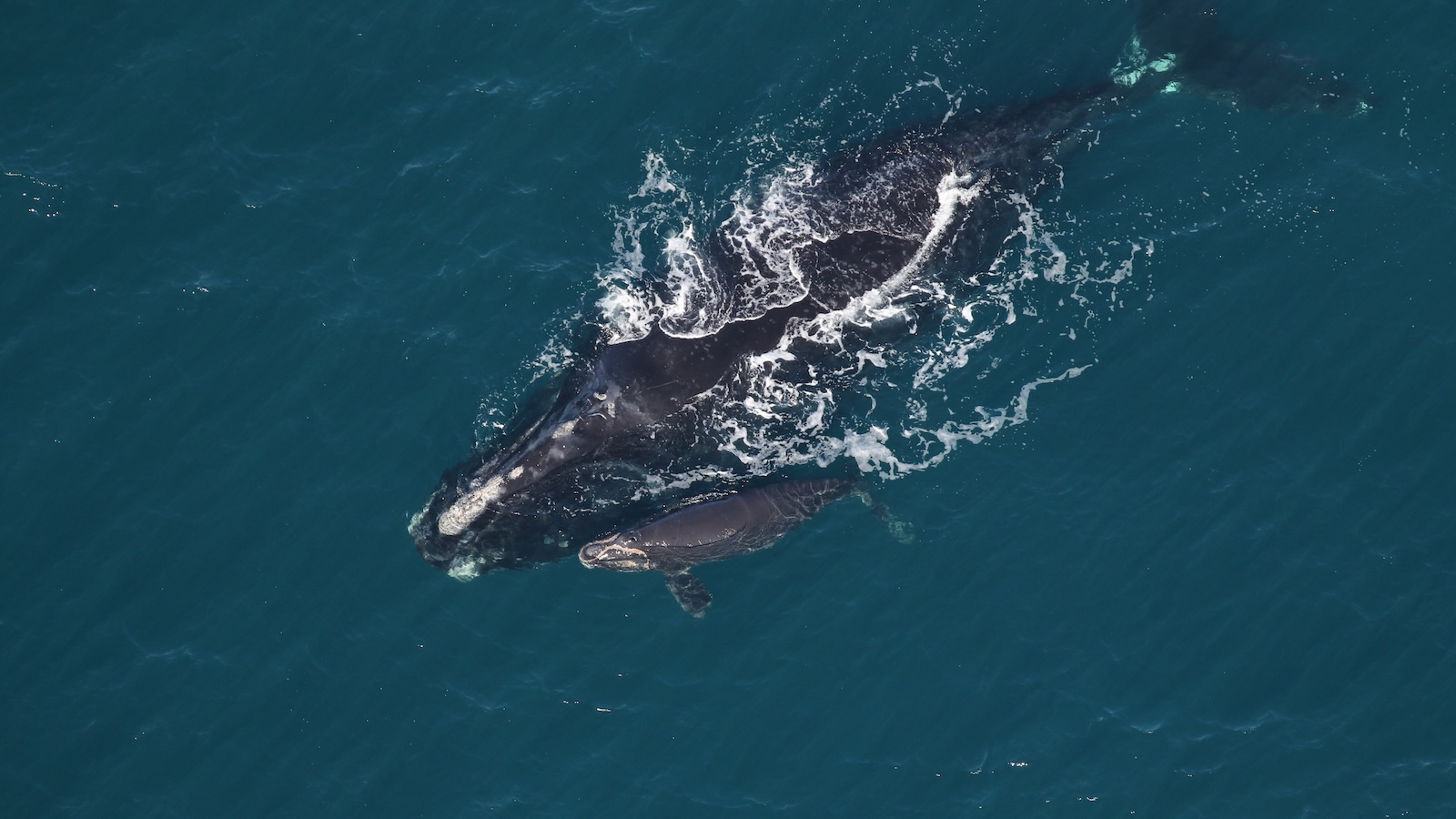
Although establishing an exact cause of death for every marine mammal carcass is challenging, comprehensive federal research demonstrates that human activity remains the leading driver of mortality. Commercial ships strike the massive marine mammals, and discarded or active commercial fishing gear routinely ensnares them, causing severe injuries and drowning. These incidents happen frequently enough that North Atlantic right whales have been enduring a classified "unusual mortality event" since 2017. During this ongoing crisis, at least 43 whales have been confirmed dead, while another 133 have been documented with serious injuries or in visibly poor health. The total population hovers at approximately 380 remaining individuals, with only about 70 of those being breeding females.
Well before the administration’s broader rewrite of the Endangered Species Act, federal officials had already begun dismantling protections specifically tailored to right whales. In March, the National Oceanic and Atmospheric Administration announced plans to rescind mandatory ocean speed restrictions designed to minimize the risk of vessel strikes along critical migratory paths. The agency subsequently declined to expand the whales’ designated critical habitat to incorporate their full seasonal migration routes.
Winders warns that the administration will likely leverage its newly narrowed definition of a "take" to reinforce these rollbacks. "Now they can point to this and say, ‘Look, we can’t have speed limits under the law because it only applies to intentional direct activities,’" she explained.
Because of their critically low population numbers and the fact that their primary threats stem from incidental human interactions, right whales are particularly vulnerable to these regulatory shifts. "Right whales don’t have two years or four years to wait for a new president or Congress to restore their protections," Winders emphasized. "This is going to impact them immediately."

Eastern Massasauga Rattlesnake
Admirers of the only venomous snake species native to Michigan frequently describe the creature as deeply misunderstood. The eastern massasauga rattlesnake, which typically grows up to three feet in length and features a distinct rattle at the tip of its sandy, brown-speckled body, has long been vilified due to rare accounts of human snakebites. These reactions have prompted repeated state public advisories urging citizens to stop harassing the animals.
In reality, these snakes are remarkably shy and docile, according to Adam Austin, a wildlife biologist and leader of the conservation nonprofit Midwest Friends of Wildlife. Massasaugas prefer to remain hidden within the quiet wetlands they call home. In fact, their very name serves as a nod to their swampy abodes; "massasauga" translates to "great river mouth" in Anishinaabemowin, the Indigenous language spoken broadly across the Great Lakes region.
Over recent decades, as wetland acreage across the Midwest has steadily dwindled due to urban expansion, agricultural drainage, and climate change, the snakes’ habitats have become increasingly fragmented. This geographic isolation makes it difficult for separate colonies to interbreed, diminishing overall genetic diversity and leaving remaining populations far more susceptible to emerging wildlife diseases. According to data from the U.S. Fish and Wildlife Service, more than a third of the roughly 260 historical sites where the species has been surveyed across the Midwest face an imminent risk of total habitat loss.
Responding to these escalating pressures, federal wildlife officials officially listed the rattlesnake as a threatened species under the Endangered Species Act in 2016. Austin noted that this federal designation has played a crucial role in helping conservationists preserve millions of acres of vulnerable wetlands throughout the region. However, the latest federal policy changes threaten to undermine those gains.
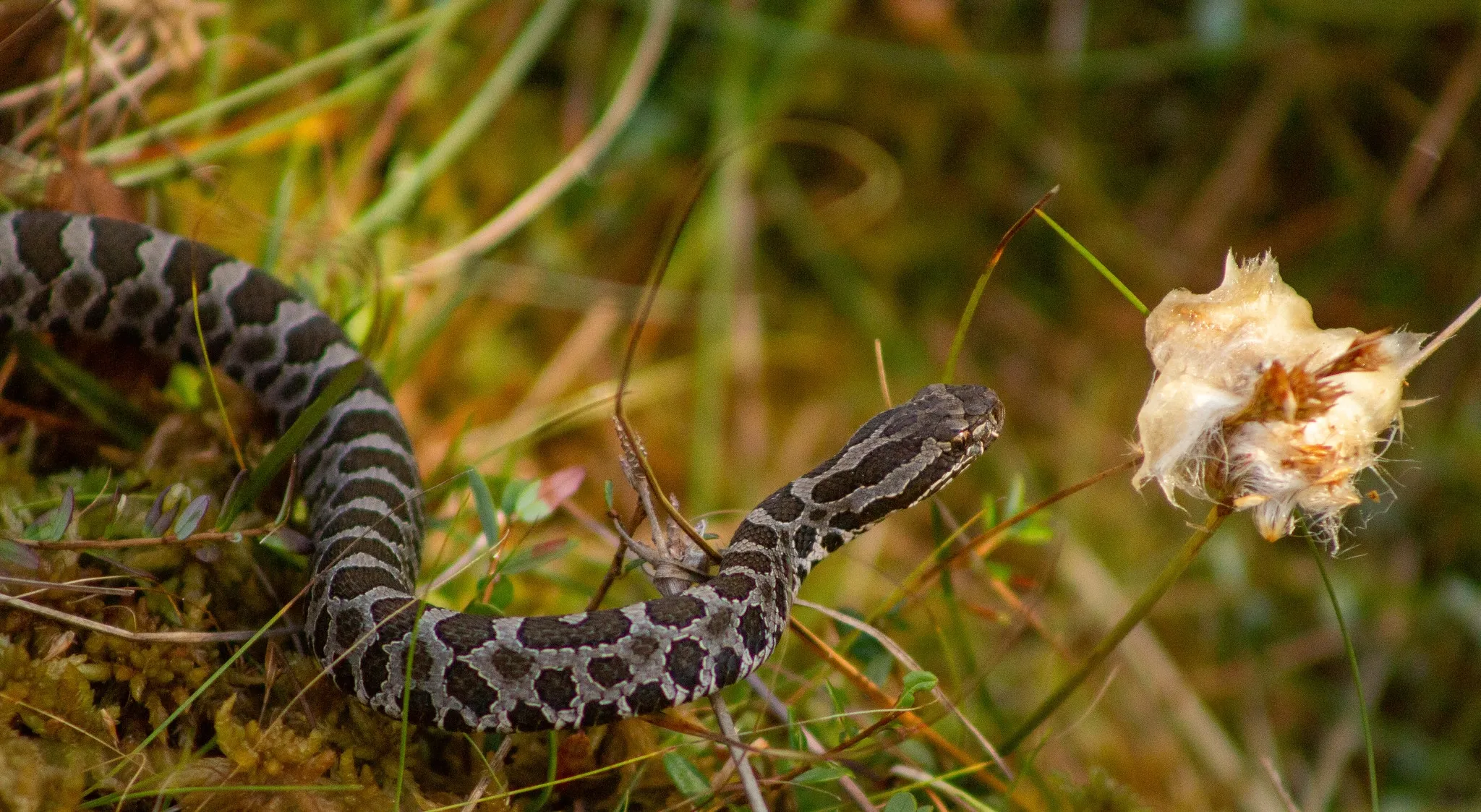
Snake advocates worry that under the updated rules, razing the wetlands where massasaugas roam or accidentally crushing the reptiles during heavy industrial construction will no longer constitute a violation of federal law. While the state of Michigan maintains its own endangered species statutes—classifying the eastern massasauga as state-threatened—its legal protections are significantly narrower than those provided by the federal Endangered Species Act. Furthermore, while Michigan enforces robust state-level protections for wetlands, the elimination of a federal enforcement backstop could shift an unsustainable regulatory burden onto state authorities, explained Tara Zuardo, a senior attorney with the Center for Biological Diversity.
"Michigan’s law and the federal Endangered Species Act would suddenly be operating under the same words, but radically different legal meanings," Zuardo cautioned.
Bull Trout
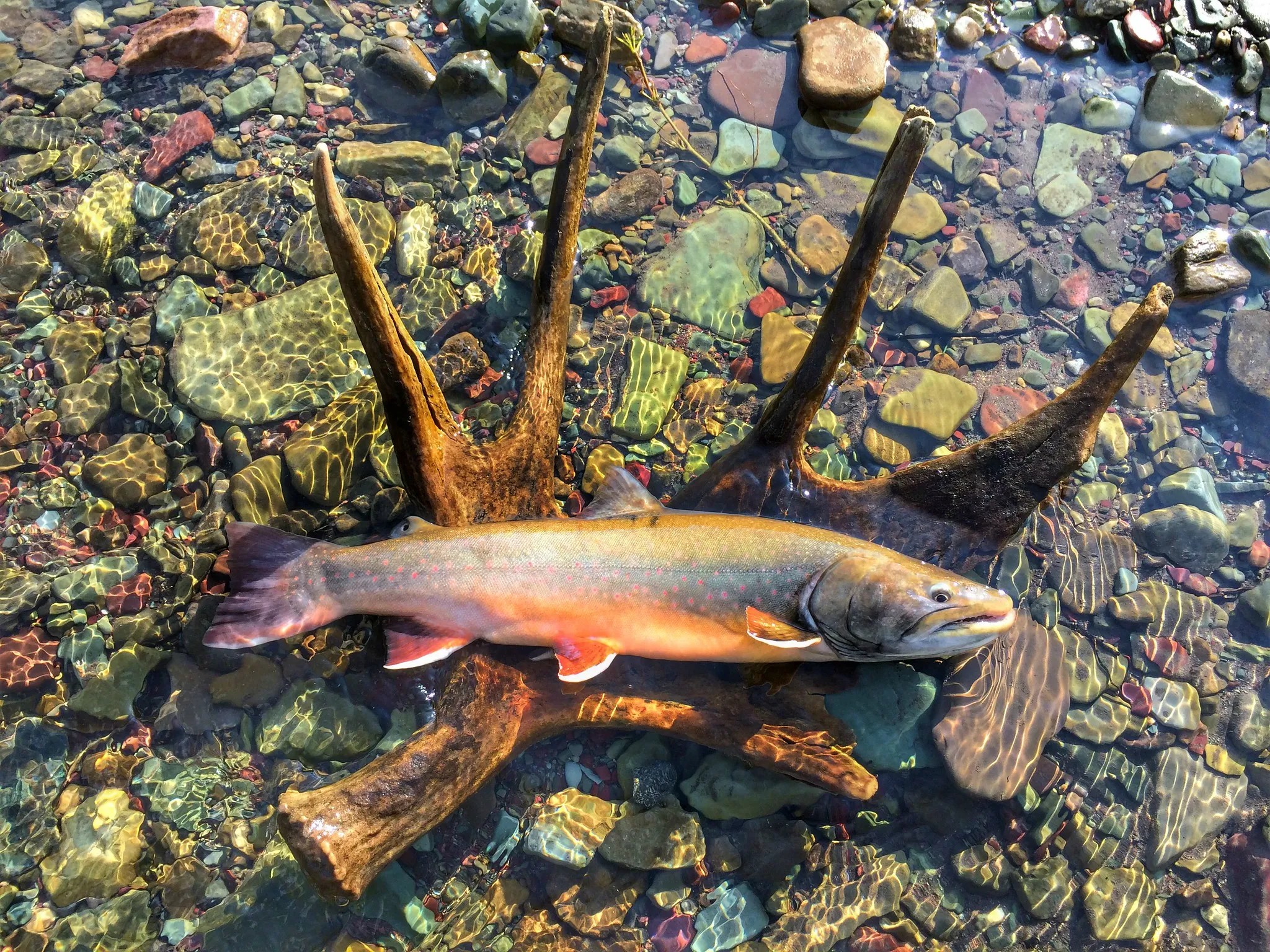
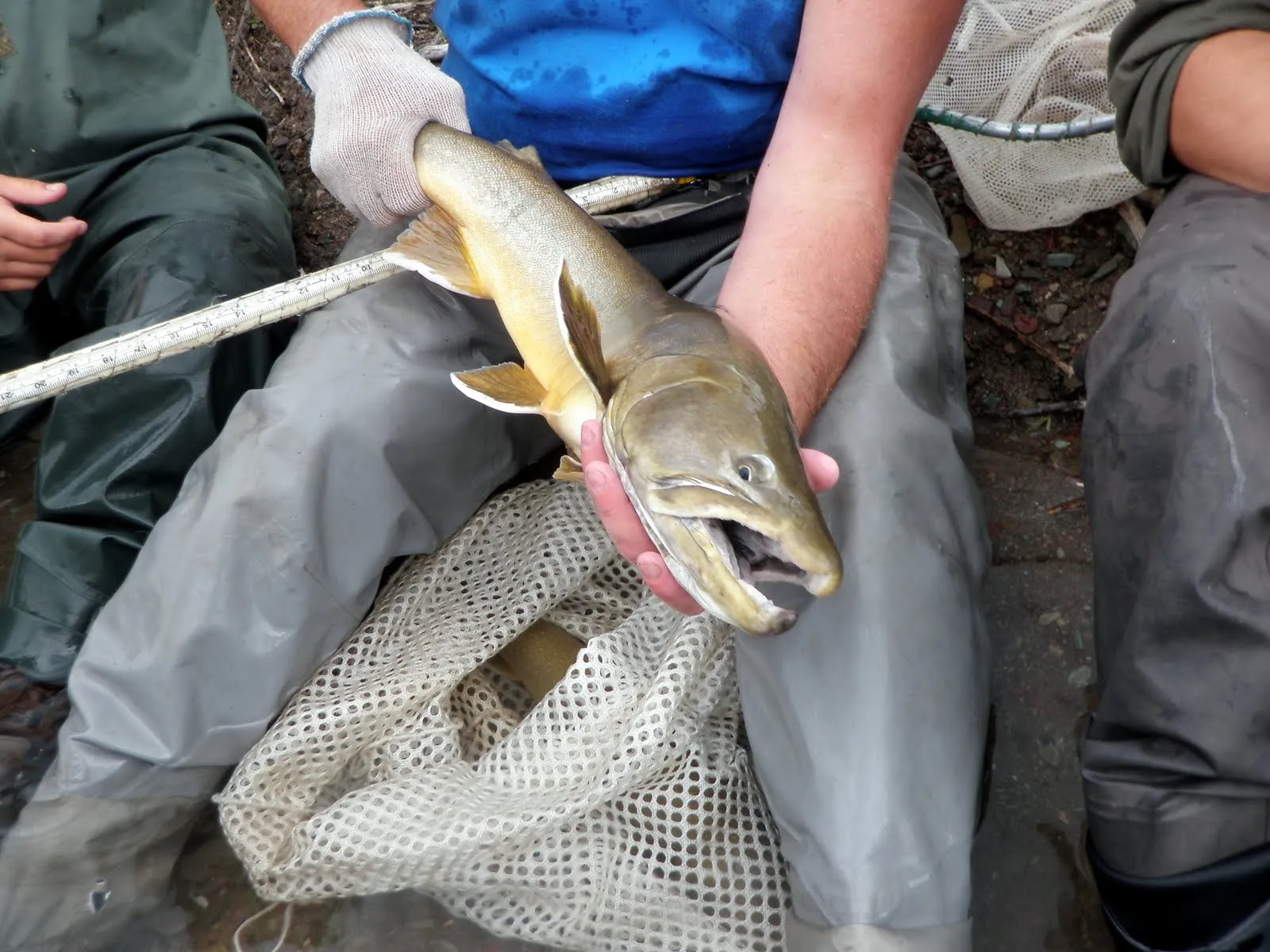
Native to the cold-water streams of Montana and easily identified by their oversized heads and distinctive white-tipped fins, bull trout function as the alpine equivalent of a canary in a coal mine. These fish depend entirely on cold, clean water to survive and reproduce. As rising regional temperatures, the introduction of invasive species, and heavy sediment runoff have degraded their aquatic environments, the state wildlife management agency—Montana Fish, Wildlife and Parks—has documented staggering population declines across roughly half of the species’ historical range.
Industrial road construction, particularly associated with commercial logging operations, poses one of the most severe ongoing threats to bull trout spawning grounds. The fish are exceptionally sensitive to sediment accumulation, which can blanket the gravelly riverbeds and suffocate developing eggs.
"I could list off 10 streams right now that 15, 20 years ago had bull trout in them, and they don’t anymore," said Brian Riggers, a retired U.S. Forest Service fisheries biologist who spent decades tracking bull trout populations across western Montana. "That’s a sad thing."
In recognition of their high risk of sliding toward extinction without intervention, the Fish and Wildlife Service classifies bull trout as a threatened species. This designation legally prevents anglers from engaging in catch-and-release practices common with other game fish, and outright prohibits fishing for bull trout across the vast majority of their habitat.
Unfortunately, the Trump administration’s broader environmental rollbacks—which include efforts to weaken the Endangered Species Act alongside plans to rescind long-standing protections for roadless areas within national forests and open more public trails to motorized vehicles like dirt bikes and ATVs—represent the latest blows to the imperiled fish.
Riggers warned that without enforceable safeguards for their remaining watersheds, bull trout will experience continued, steep declines. The legal imperative to preserve their fragile stream habitats has historically formed the cornerstone of successful challenges against large-scale commercial logging projects in the state. Without explicit federal rules preventing habitat degradation, conservationists argue it could become nearly impossible to halt development projects that muddy spawning streams and sever connectivity within river networks.
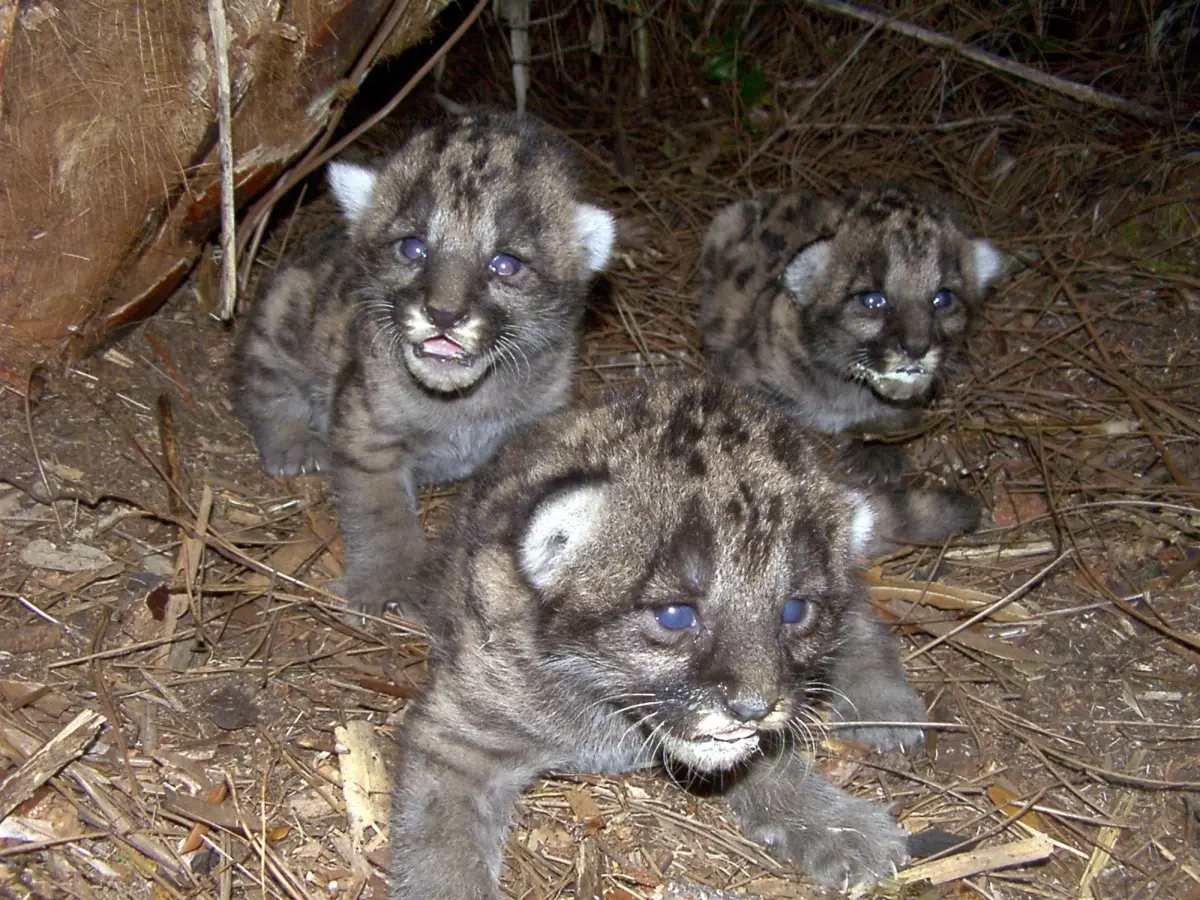
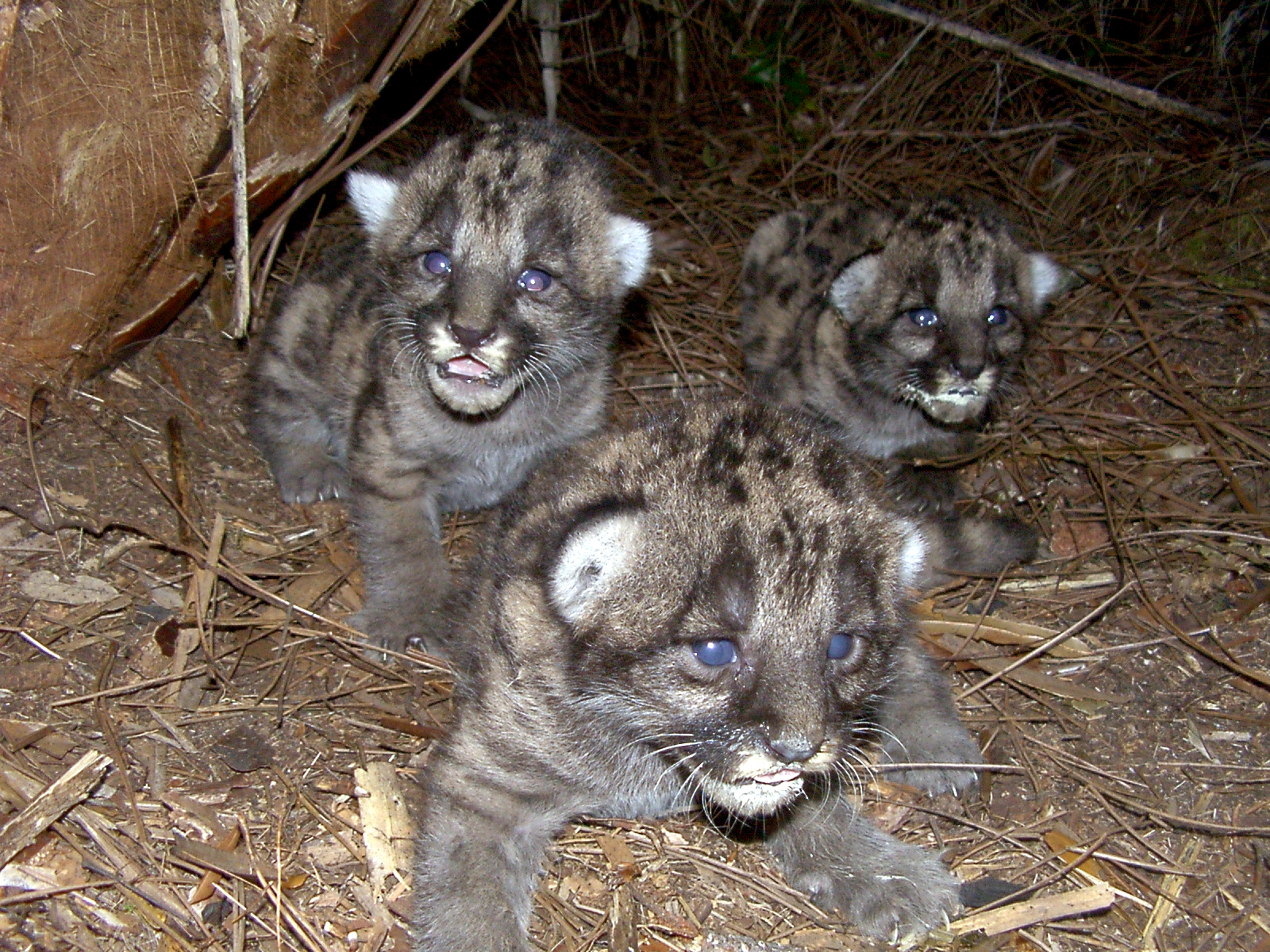
Florida Panther
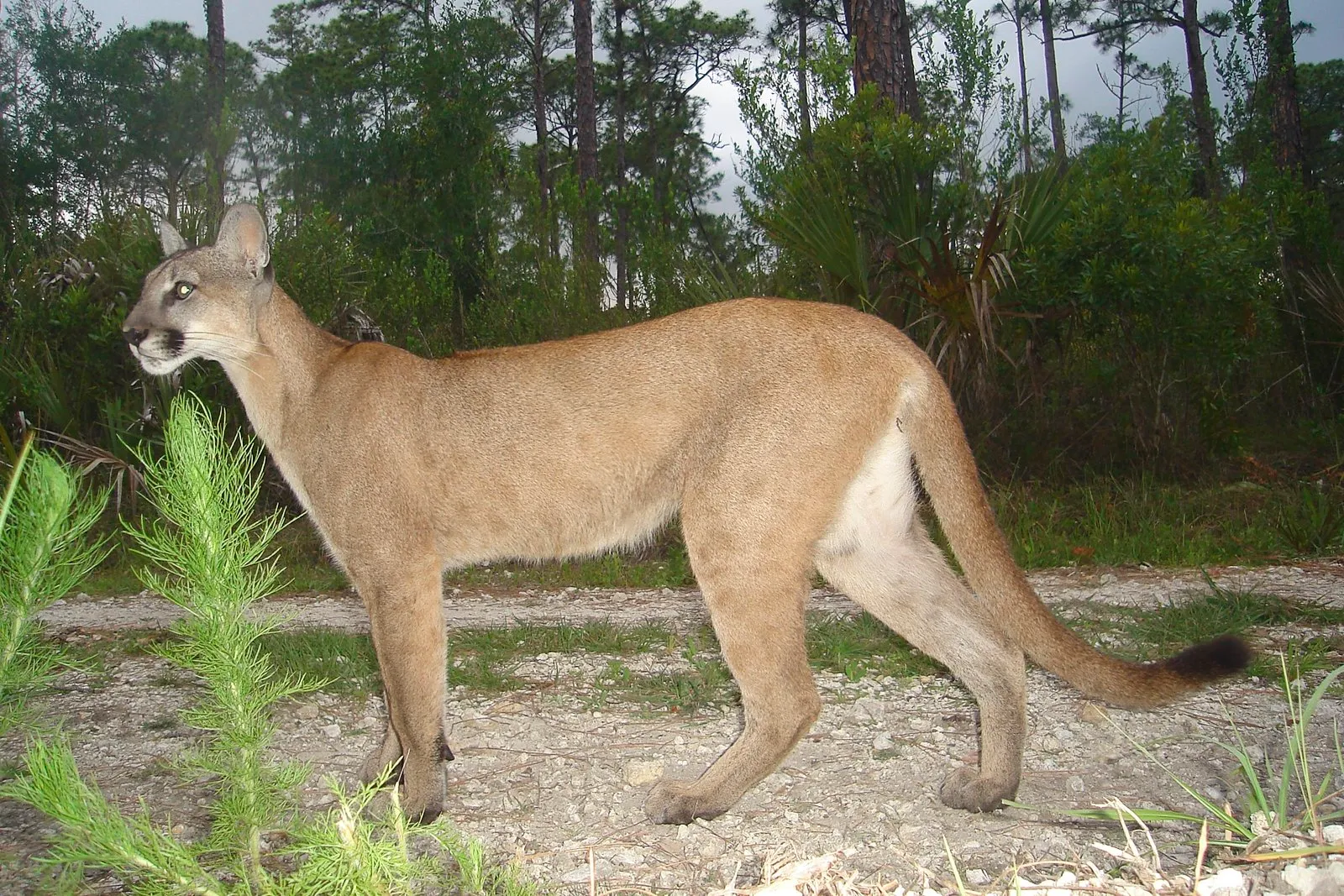
Florida panthers once roamed extensively across the American Southeast. However, the arrival of European settlers triggered systematic hunting campaigns that reduced the population to just a few dozen individuals confined to a shrinking pocket of southern Florida—a state that maintained a cash bounty on panther scalps until as recently as 1950. Today, thanks to decades of recovery efforts, an estimated 200 panthers roam the state, making them one of the earliest success stories under the Endangered Species Act.
"It’s been a tremendous effort over the years," said Elizabeth Fleming, a career species expert at Defenders of Wildlife, a conservation group dedicated to panther preservation. Because most Florida residents have not lived alongside apex predators for more than a century, long-term recovery depends heavily on fostering public coexistence. This is accomplished through educational outreach and compensation programs for ranchers who lose livestock to roaming panthers. Without sustained public acceptance, Fleming warned, "we can kiss panthers goodbye."
Now, nearly six decades after receiving initial federal protections, the administration’s reinterpretation of the law threatens to unravel that hard-won progress.
The threat is particularly acute for the Florida panther because it was listed during the earliest years of the statute and lacks the supplementary critical habitat designations that became mandatory for subsequently listed species. Compounding the danger, Florida’s human population is expanding at a rate faster than almost any other state in the nation. This rapid growth brings an influx of residential housing developments and sprawling highways that further fracture panther corridors, alongside surging traffic volumes that drive up vehicular collisions—currently the leading cause of panther mortality, according to Fleming.
Because one of the state’s fastest-developing regions directly abuts its only dedicated panther refuge, the rollback of federal rules means developers may no longer be required to evaluate or mitigate how their construction projects impact the cats.
"People don’t understand that these animals need so much more," Fleming said. "They need a connected system in which to travel and live their lives, and with every single instance of weakened laws, regulations, and protections, it’s just another thing going against them."
California Sea Otter
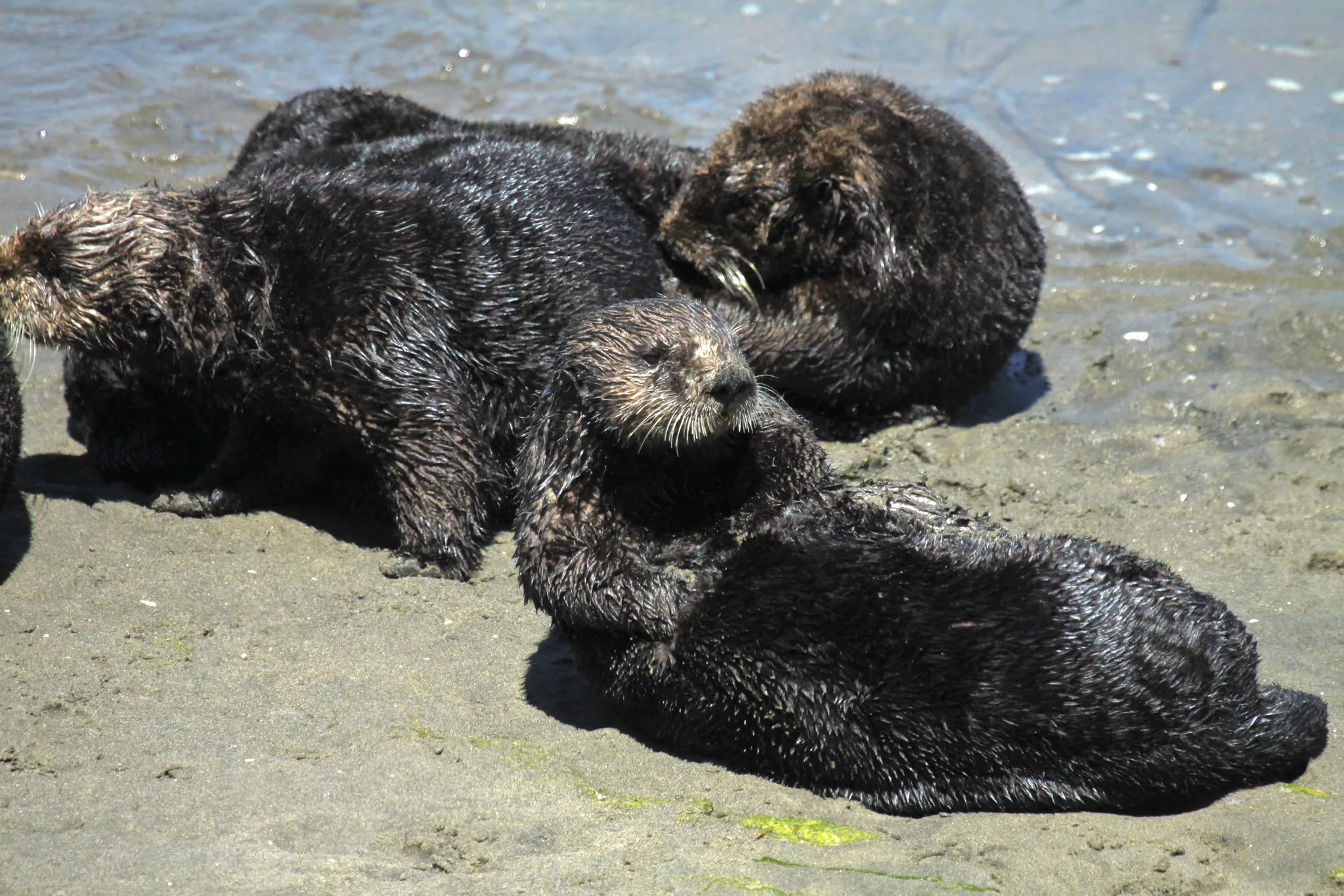
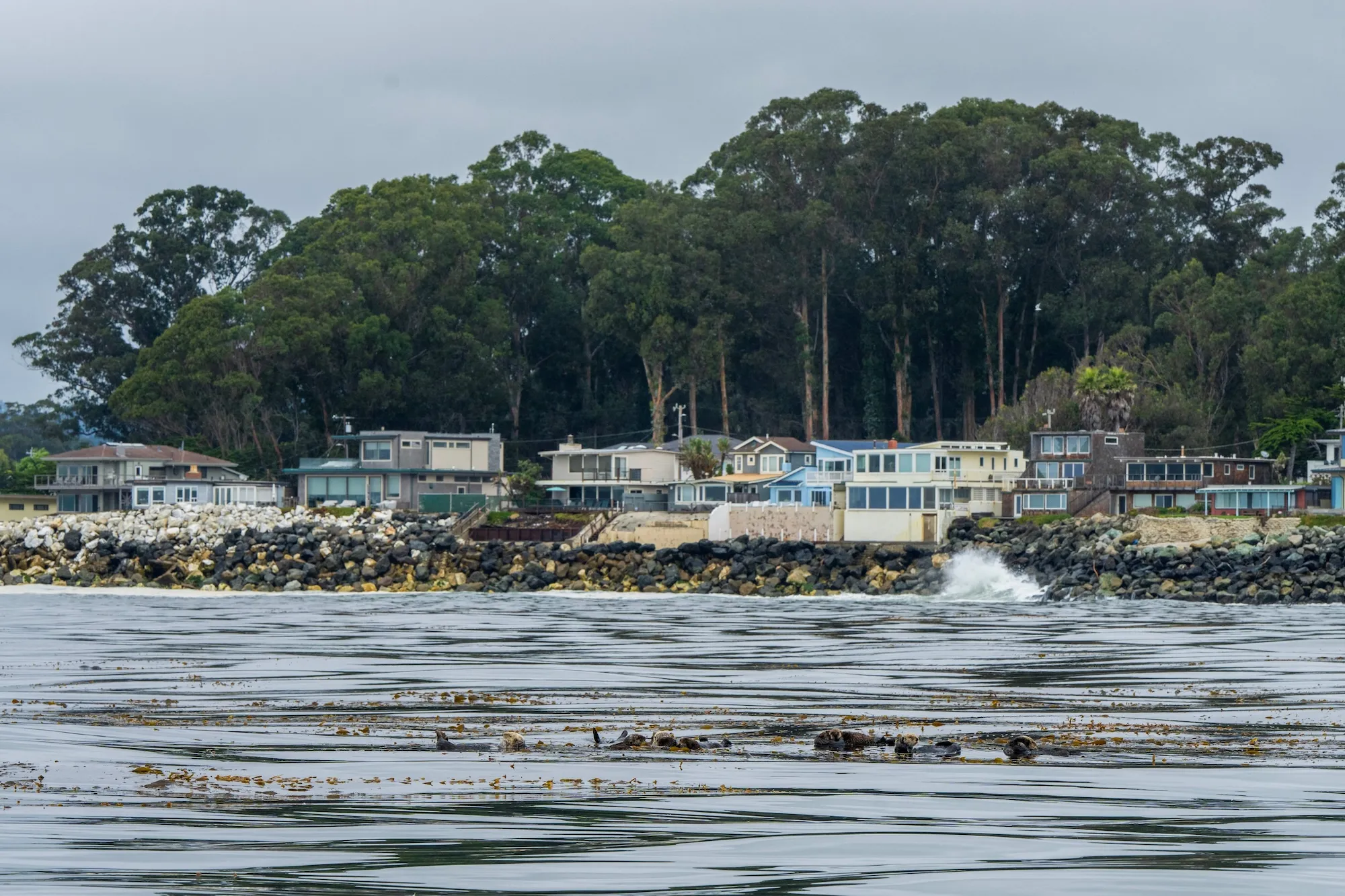
Thousands of southern sea otters spend their lives weaving through the towering emerald canopies of kelp forests along California’s central coast. Visitors and kayakers frequently spot the marine mammals floating belly-up, cracking open sea urchins using favorite stones, or drifting asleep while holding paws to stay tethered against ocean currents.
Intensive commercial fur trapping during the 18th and 19th centuries decimated the population, culling an estimated 16,000 animals down to the brink of extinction in California waters. Against the odds, a small surviving colony managed to rebound, and roughly 3,000 sea otters now inhabit the Big Sur region south of San Francisco.
That recovery was made possible largely through the protections of the Endangered Species Act. However, the Trump administration’s repeated weakening of the statute places the otters back in jeopardy. Much like the Florida panther, southern sea otters lack a formal critical habitat designation because the safeguard was codified into law only after the animals were already listed.
For sea otters, habitat quality is inextricably linked to survival, explained Sean Bothwell, executive director of the California Coastkeeper Alliance. While early conservation battles focused on preventing offshore oil spills, modern advocacy centers heavily on mitigating agricultural fertilizer runoff, which triggers toxic algae blooms and poisons the shellfish otters rely on for food.
"We’re so concerned about otters because they live in the tidal zone; they are directly impacted by anything that runs off of the land," Bothwell said.
The administration’s gutting of habitat protections will severely complicate efforts to hold corporate polluters accountable for land-based contamination, Bothwell noted. His organization recently had to pause a pending lawsuit against a commercial dam threatening endangered fish and amphibians because the legal argument rested heavily on the regulatory definition of "harming" an animal—a definition the administration rescinded over the summer. Without these legal tools, Bothwell fears that conservation lawsuits anchored in habitat preservation will lose their enforcement power, opening the door to widespread environmental backsliding.
Rusty Patched Bumble Bee
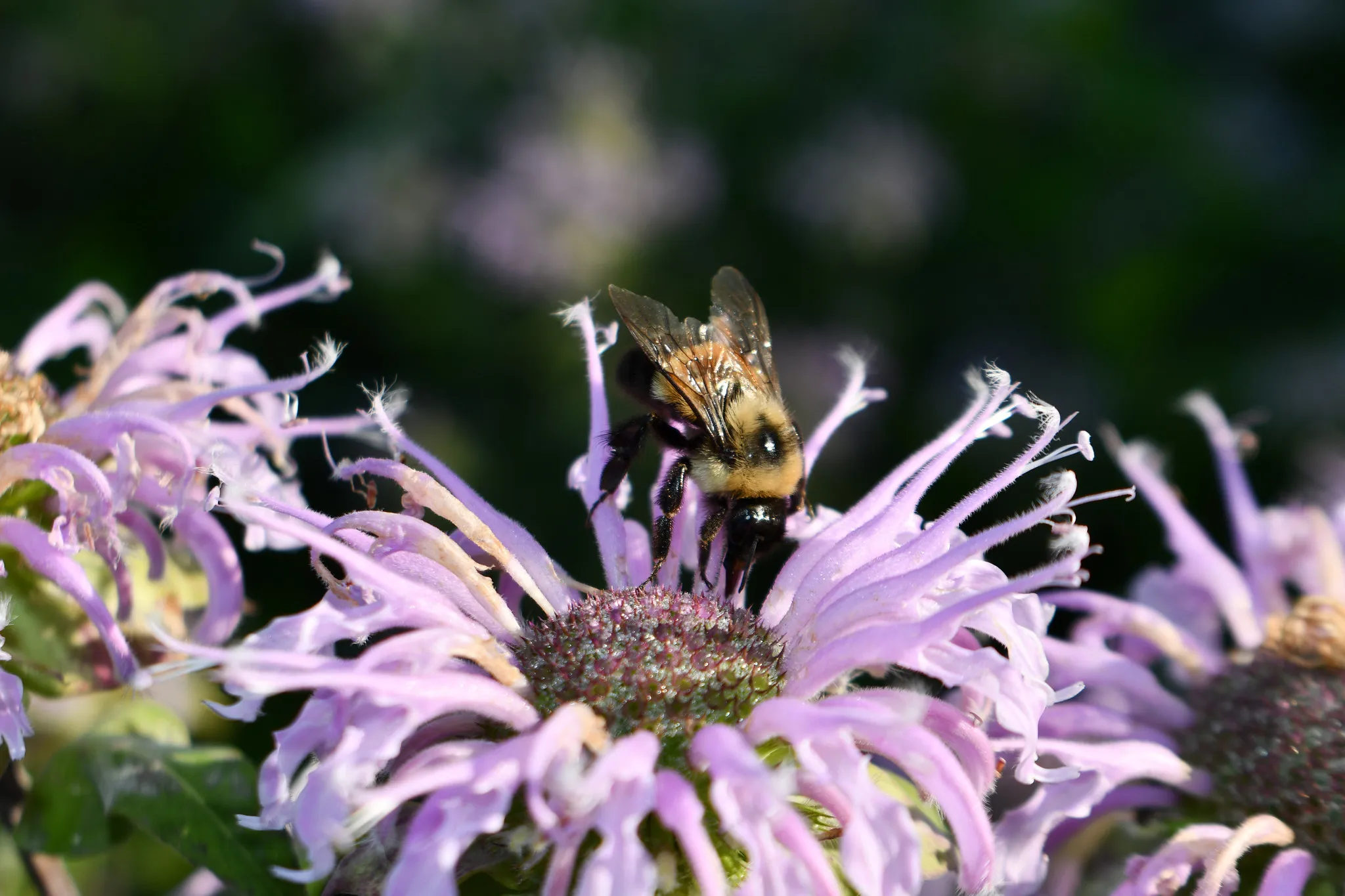
Like nearly 50 other bumble bee species native to North America, the rusty patched bumble bee is a fuzzy, yellow-and-black insect that travels between native plants to collect pollen and nectar. Unlike its close relatives, however, the rare pollinator features a distinct amber-colored patch located near the center of its back.
Libby Shafer, an urban ecologist and PhD candidate in plant biology at Northwestern University, spent three months conducting exhaustive field searches across Illinois, Indiana, and Wisconsin while working as a biological technician for the United States Geological Survey. During that entire period, she encountered just a single specimen.
Once common across 28 states as well as the Canadian provinces of Ontario and Quebec, the rusty patched bumble bee has experienced a population collapse of nearly 90 percent over the past three decades. Today, it occupies a mere 0.1 percent of its historical geographical range.
The insect was listed as federally endangered in 2017, marking the first time any bumble bee species received protections under the Endangered Species Act. Biologists attribute the steep decline to a combination of habitat destruction, widespread pesticide application, introduced diseases, and climate change. Rising temperatures, for instance, create dangerous phenological mismatches, throwing off the delicate timing between when bees emerge from winter hibernation and when native wildflowers bloom to provide necessary nourishment.
Earlier this year, conservationists welcomed a Fish and Wildlife Service decision designating roughly 1.5 million acres of critical habitat for the bee. While this designation shields the insect from federally funded or permitted projects, it offers no direct protection on private land, which accounts for approximately 83 percent of the bee’s critical habitat.
"The rusty patched bumble bee is better positioned than many listed species since critical habitat has finally been designated," said Delcianna Winders. However, she warned that the administration’s removal of habitat destruction from the legal definition of "harm," paired with the narrowing of "take," creates profound new vulnerabilities. Because bumble bees are diminutive, easily overlooked, and spend roughly half of their annual lifecycle burrowed underground, they are exceptionally difficult to spot—making them nearly invisible to commercial developers grading prairie land for construction.
"This is bad news for the rusty patched bumble bee," Shafer agreed.
Eastern Hellbender
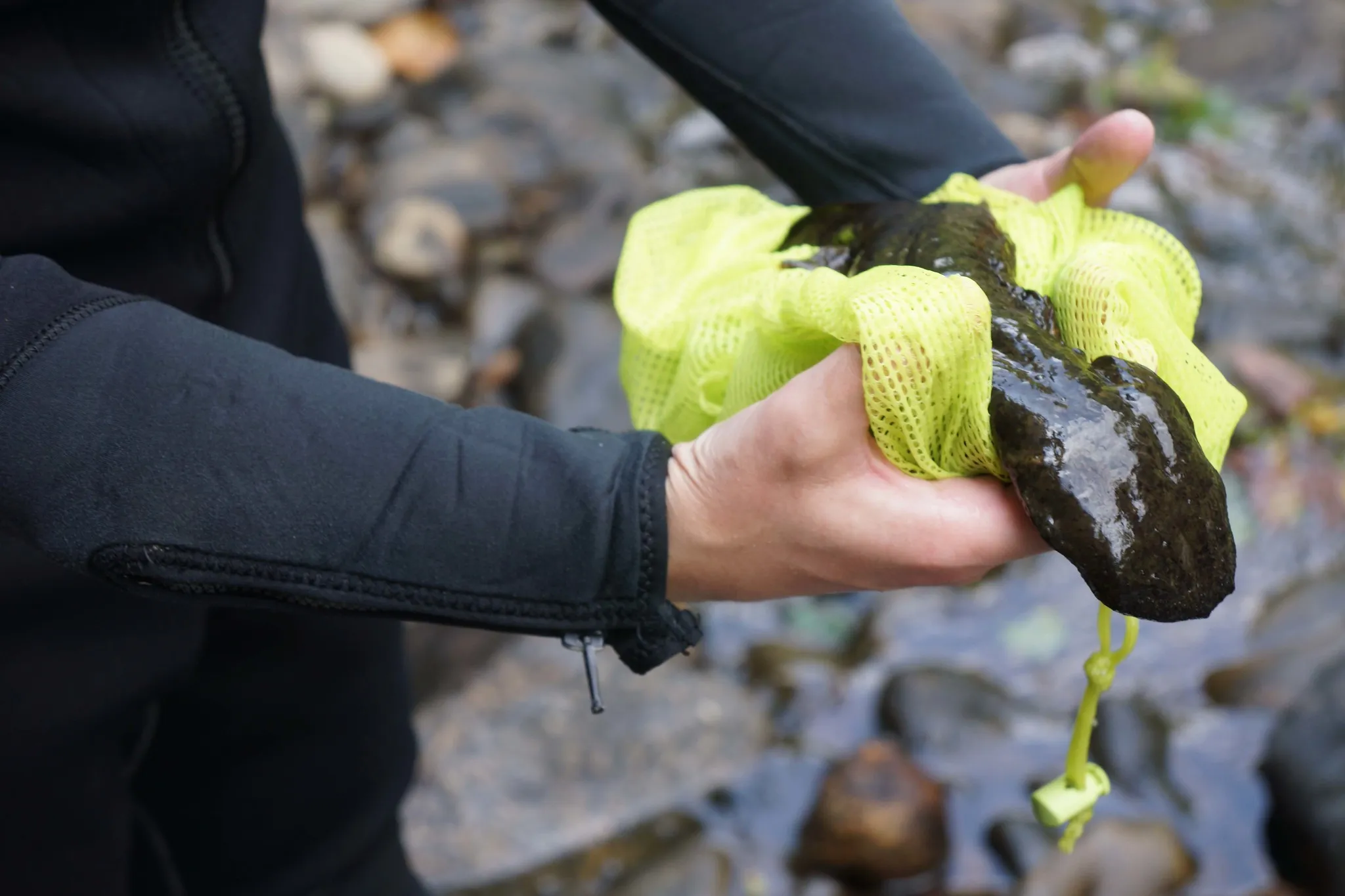
Wildlife advocates with the Center for Biological Diversity and allied organizations spent more than a decade pushing for federal protections for the eastern hellbender. Their efforts nearly succeeded in 2024 when Hurricane Helene struck the region, downing trees and washing heavy sediment into rivers, which severely disrupted the giant salamanders’ sensitive aquatic habitats. In response, the Fish and Wildlife Service proposed the hellbender for formal protection, setting a final decision for late 2025.
That decision never materialized. In fact, conservation records show that not a single new endangered species has been granted federal protection since the administration took office.
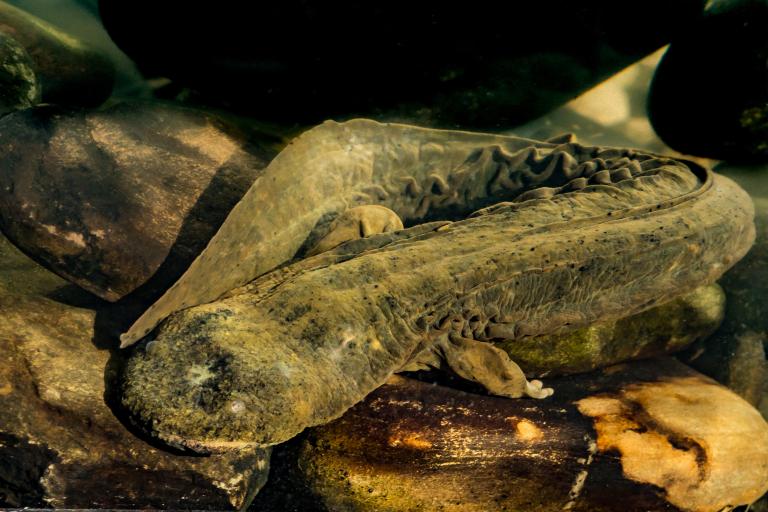
While the eastern hellbender has enjoyed limited state-level protections in places like New York and North Carolina, it has never secured federal backing, even as its populations have plummeted. The salamander is notoriously sedentary, often remaining within the exact same stretch of river for its entire lifespan. An ancient evolutionary remnant of the Ice Age, the species has inhabited the same cool Appalachian streams and rivers for approximately 160 million years, earning it the title of a living fossil.
According to federal data, the roughly 600 known historical hellbender populations have suffered severe contractions. More than 40 percent of those populations have vanished entirely, while another 36 percent remain in active decline. Because hellbenders breathe entirely through their skin, water pollution, chemical runoff, and heavy sedimentation cause widespread disease and mortality. They depend on cold, clear mountain streams featuring dense overhead tree canopy to regulate water temperature.
The Center for Biological Diversity filed a lawsuit in February 2026 demanding that the Fish and Wildlife Service conclude its delayed rulemaking process. Since then, however, the regulatory timeline has stalled indefinitely, with its status listed simply as "to be determined" alongside hundreds of other species whose federal protections have been indefinitely shelved.
Michael Gangloff, a freshwater ecologist at Appalachian State University, noted that unchecked human development remains the single greatest threat to the survival of hellbenders. Yet, he remains impressed by their resilience. "These things are tough, and the fact that they’re still here attests to their toughness," Gangloff said. "They’re an ancient, ancient group of salamanders."
Red-Cockaded Woodpecker
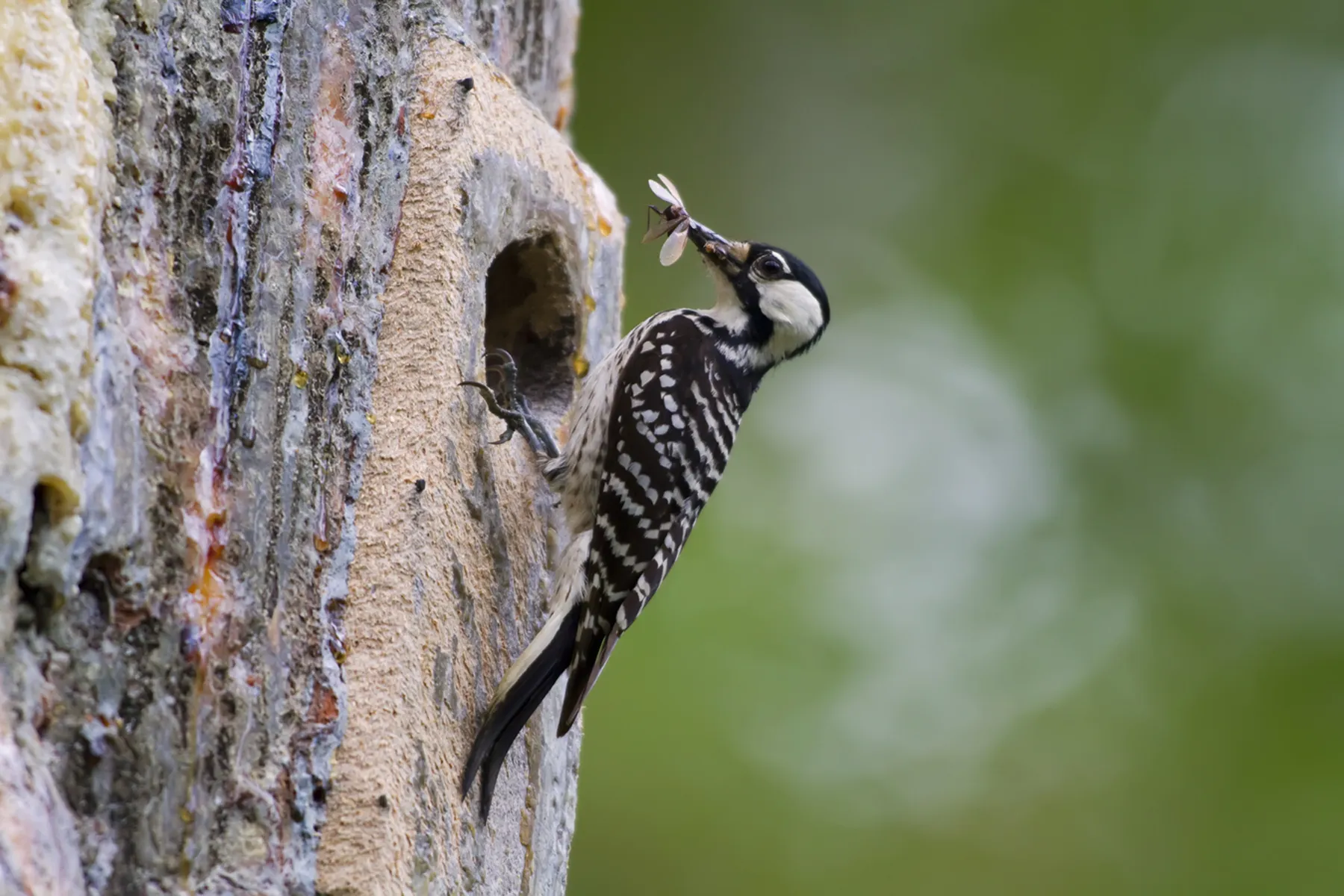
Historically, the southeastern United States featured vast expanses of longleaf pine forest—an ecosystem perfectly tailored for the red-cockaded woodpecker. Unlike many other woodpecker species that excavate nesting cavities in dead trees, these black-and-white-spotted birds nest exclusively in the heartwood of living, mature pine trees, spending months or even years carving out suitable nesting chambers.
Finding healthy, mature pines has grown increasingly difficult over the past century. Much of the South’s original longleaf pine ecosystem was clear-cut for timber and replaced with faster-growing commercial pine species. While forestry management practices vary, commercial timber operations frequently harvest and replant stands long before the trees reach the maturity required by the woodpeckers, explained Joe Burnham, a wildlife biologist with the Georgia Department of Natural Resources.
"They have pretty specific habitat requirements," Burnham said. "There are a whole suite of species, both plant and animal, that evolved with this ecosystem over time that really have a hard time surviving elsewhere."
Amid booming residential development in Georgia, vast tracts of forested land face conversion into housing developments or intensive agriculture. The administration’s policy shifts—particularly the redefinition of "harm"—remove vital protections safeguarding these forests, leaving mature pine stands increasingly vulnerable to commercial clearing.
Despite these challenges, red-cockaded woodpeckers have achieved notable recovery milestones since their initial listing under the Endangered Species Act in 1973. Intensive habitat restoration initiatives and successful translocation programs helped rebuild populations, prompting the Fish and Wildlife Service to downlist the species from endangered to threatened in 2024. Even with this change in status, Burnham emphasized that state and regional conservation efforts must continue, as the woodpeckers—alongside a lengthy list of co-habitating species like gopher tortoises and indigo snakes—rely entirely on continued ecosystem management.
"We’re managing these stands for a multitude of species," Burnham said. "We’ve invested a lot of conservation effort into these species."
Palila
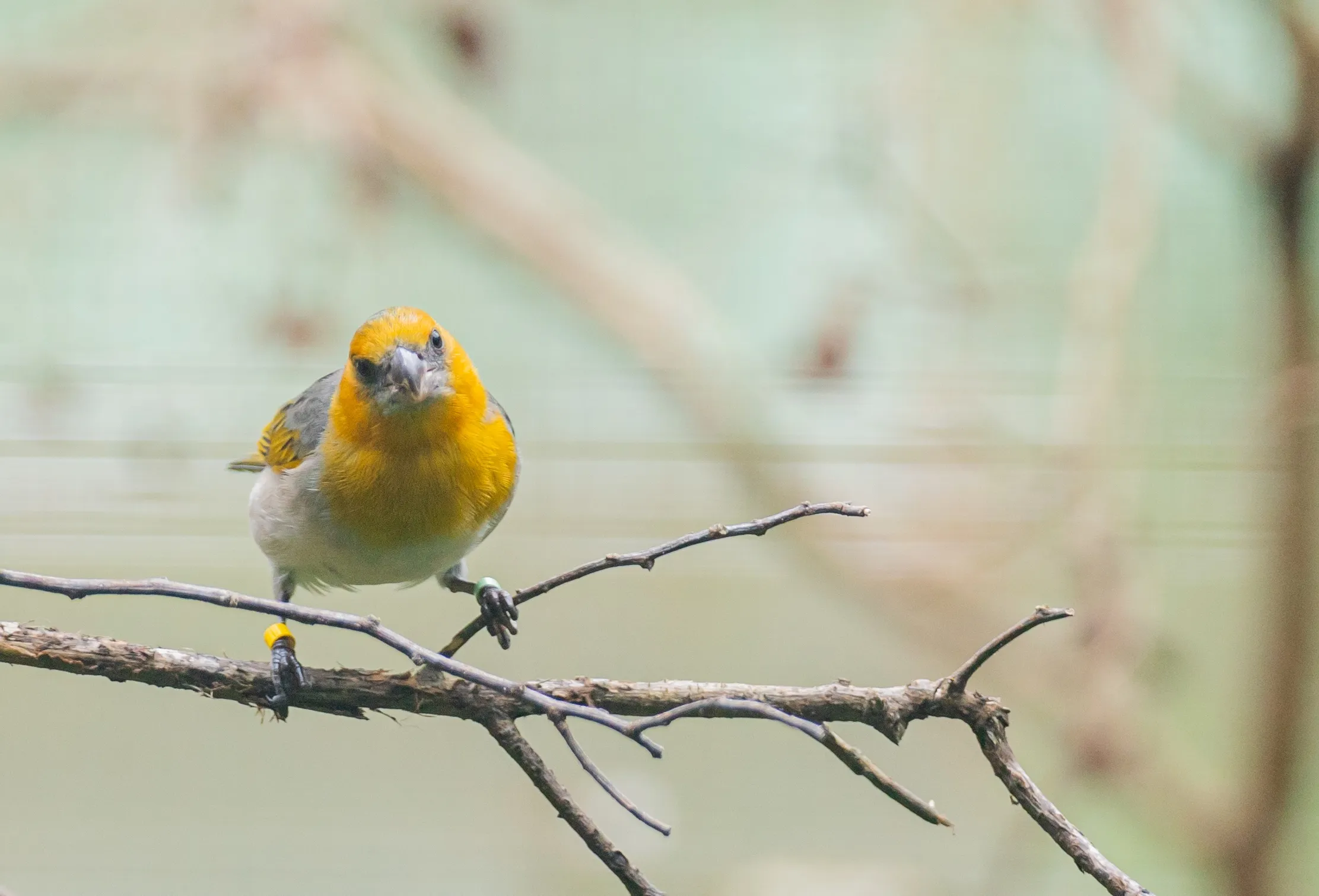
The Hawaiian archipelago is losing its unique biodiversity at a rate nearly unmatched anywhere else on earth, earning the somber distinction of being known as the extinction capital of the world. Within this fragile landscape, the palila—a small, yellow-capped honeycreeper native exclusively to the high-elevation slopes of the Big Island’s Mauna Kea volcano—serves as a prominent symbol of the Endangered Species Act.
When the palila was included on the original list of protected animals under the federal statute, conservationists quickly realized that protecting the bird in isolation was insufficient. Feral goats and sheep introduced to the island were systematically stripping away the high-elevation māmane forests upon which the birds depend for food and nesting.
When environmental groups took the matter to court, federal judges ruled in 1979 that allowing the palila’s habitat to be degraded constituted a direct violation of the Endangered Species Act, ordering the state to remove the destructive ungulates. That landmark judicial decision established a powerful legal precedent, extending mandatory habitat protections across the United States to shield endangered species from industrial harms like mining, logging, and agriculture—protections later cemented by the Supreme Court.
Today, however, the Trump administration’s policy shifts threaten to upend that foundational precedent. Under past court interpretations, the government of Hawaiʻi maintained a clear legal obligation to continually trap and remove feral sheep and hybrids from palila territory, and developers altering these ecosystems were required to offset habitat loss by planting new māmane forests.
Under the administration’s updated rules, however, degrading an animal’s natural habitat no longer qualifies as harming it, and killing a protected animal is no longer illegal unless proven to be intentional. Consequently, building a road through critical māmane forest may proceed without accounting for impacts on the palila, and state authorities may no longer face federal pressure to eradicate feral herbivores.
With only an estimated 600 palila remaining in the wild, experts warn that these sweeping regulatory rollbacks could severely accelerate the bird’s path toward extinction.
Chinook Salmon
Every year, hundreds of thousands of Chinook salmon battle roaring currents, starvation, and grueling physiological stress as they migrate upstream through Washington’s rivers and tributaries. After reaching their historic spawning grounds, they spawn and complete their lifecycle.
The successful completion of this migration is vital for Pacific Northwest tribal communities, commercial fisheries, and the broader regional food web. Over the past century, however, salmon runs have crashed. Human industrialization, widespread land development, and the construction of massive hydroelectric dams have fractured river ecosystems and blocked migration routes. More recently, Washington has emerged as the epicenter of a new chemical threat: 6PPD, a common tire-wear compound that washes off roadways into waterways during storms and proves acutely toxic to several fish species, including Chinook salmon.
Environmental advocates have historically leveraged the Endangered Species Act to protect specific river populations of Chinook, coho, sockeye, and chum salmon. These legal challenges have driven the recent removal of dozens of outdated dams across the Pacific Northwest, allowing native salmon populations to begin bouncing back.
Yet, this recovery remains fragile and now faces severe disruption as federal protections are pulled back. The government’s decision to rescind the "harm" rule—which previously prohibited actions that modify and degrade critical aquatic habitats—means the law now only targets activities that result in direct, intentional kills.
This policy shift threatens to derail ongoing restoration work, said Sean Bothwell. His organization recently launched legal initiatives to tackle 6PPD pollution in Northern California, but has been forced to pause those efforts because their core legal strategy relied on the now-rescinded habitat harm rule. Furthermore, the rule change could strip conservationists of the legal leverage used to compel dam operators to maintain adequate downstream water flows, compounding the dangers posed by climate-driven river warming.
"People aren’t going out there and stabbing salmon, but they are putting a chemical into the habitat that is directly killing them" or altering river flows by blocking natural passages, Bothwell said. "That’s why this rule was so important."