
It is a brilliant fall day on Carter’s Creek in Irvington, Virginia, and a small group is hauling baskets of heavy oysters from the brackish waters. They are not traditional Chesapeake watermen earning a living on the historic bay; instead, they are guests of the Tides Inn, participating directly in the local coastal ecosystem. For them, this physical, tactile labor is the best way they know to press pause on the relentless noise of their everyday lives and become fully present in this specific place and time.
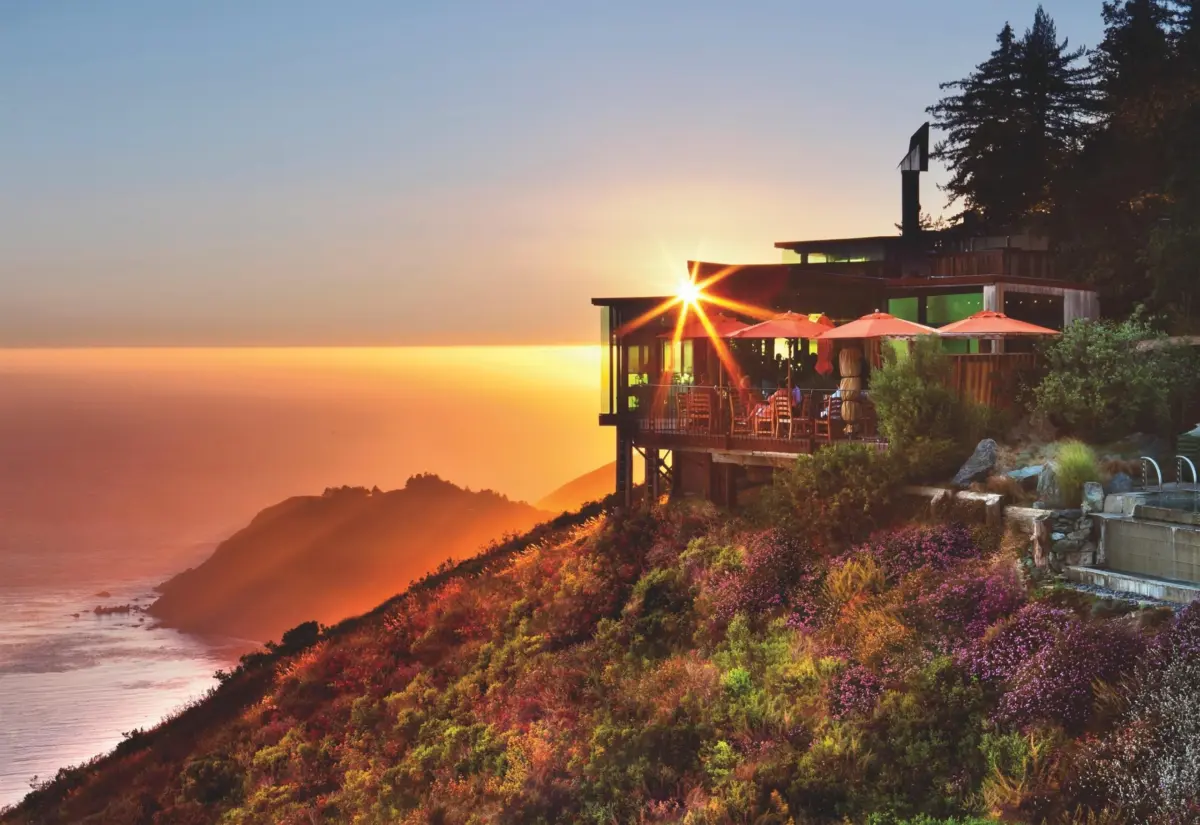
Meanwhile, thousands of miles away in the dappled, golden light of a Big Sur, California, forest, a solitary meditator takes in deep lungfuls of crisp eucalyptus and salty ocean air, completely detached from urban stressors. Just a short distance away, nestled at the base of a sprawling live oak tree, sits a freshly foraged, frilled chanterelle mushroom. That very mushroom is destined to be cleaned, prepared, and featured in a gourmet meal that evening at the Post Ranch Inn’s award-winning restaurant, merging the surrounding wilderness directly with high-end culinary artistry.
These two distinct scenes highlight a broader shift across the modern hospitality landscape. A new generation of travelers is eager to hit the road, check in, and truly destress, but they are approaching luxury resorts entirely on their own terms. Today’s visitors refuse to compromise when it comes to authentic cuisine, deep cultural immersion, and personalized wellness. Whether a traveler’s ultimate escape involves getting their hands dirty on the water, finding quiet reflection among ancient trees, or savoring hyper-local gastronomy, the modern resort industry has evolved to meet those exact desires.
The changing expectations of this demographic reflect a fundamental shift in how people define a successful vacation. Traditional luxury once meant passive consumption—lounging poolside with a drink while being entirely insulated from the surrounding environment. Today, however, guests increasingly seek active participation. They want to understand the geography, history, and ecology of the places they visit through immersive, tangible experiences. Hauling oysters from a Virginia creek or foraging for forest mushrooms bridges the gap between tourism and local living, allowing travelers to feel grounded and connected rather than like detached observers.
Yet, even as travelers demand deeper, more meaningful engagement, they still expect the seamless comfort, world-class amenities, and high-end dining that define premier destinations. The challenge for contemporary resorts is balancing this desire for authenticity with uncompromising luxury and ease. Properties like the Tides Inn and Post Ranch Inn demonstrate how high-end hospitality can seamlessly integrate hands-on local traditions with sophisticated culinary programs and tranquil environments, creating a holistic travel experience that addresses both the mind and the palate.
Furthermore, the process of planning these complex, multifaceted getaways no longer has to be a source of anxiety or stress. As the travel industry adapts to these elevated expectations, experts and hospitality professionals have assembled comprehensive pro tips and insights designed to streamline the planning phase. By understanding how to navigate modern resort offerings, align personal wellness goals with daily itineraries, and secure access to exclusive local programming, travelers can ensure that their next vacation is absolutely worth the trip from start to finish.