
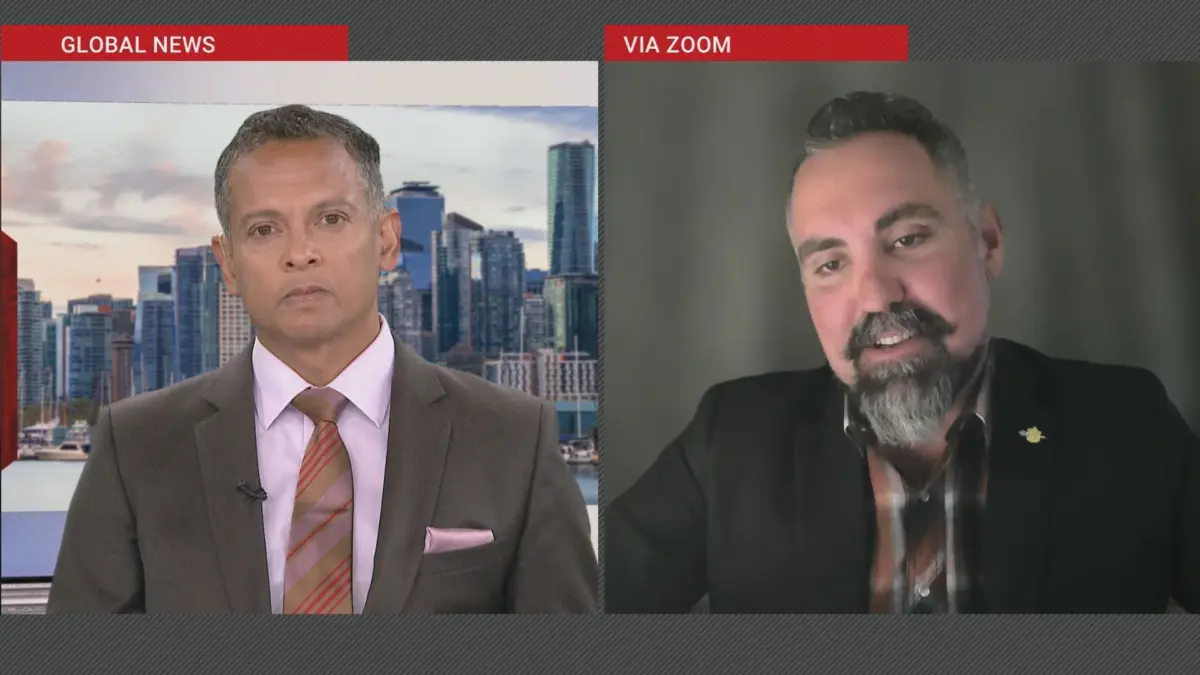
A political storm has erupted across British Columbia following Premier David Eby’s sudden announcement of a provincial snap election. The leader of the BC New Democratic Party has officially called on British Columbians to head to the polls on October 24, 2026, a decision that has ignited fierce criticism from across the political spectrum. Opponents and local government leaders are pointing to the immense financial cost of an early vote, the logistical chaos of overlapping campaigns, and what they describe as a blatant disregard for established democratic cycles.
The announcement has thrown the province’s political calendar into disarray, primarily because of its proximity to the upcoming municipal elections. British Columbia’s local government elections are scheduled to take place on Saturday, October 17, 2026. By scheduling the provincial election for the following Saturday, October 24, Eby has compressed two major democratic processes into a single week. The decision has left local politicians, campaign organizers, and election officials scrambling to navigate an unprecedented back-to-back voting scenario.

Among the most vocal critics of the timing is Vancouver Mayor Ken Sim. Currently in the midst of his own campaign for re-election, Sim released a strongly worded statement arguing that British Columbia’s separate election cycles exist for a fundamental reason. He expressed deep concern that these distinct democratic periods are being compromised for tactical advantages. According to Sim, the established principle of keeping local and provincial campaigns separate should not be cast aside simply because the timing appears politically convenient for the governing party in Victoria.
Sim highlighted the significant operational and democratic friction that arises when provincial and municipal campaigns run concurrently. Municipal elections focus on highly localized issues, such as neighborhood zoning, community policing, municipal infrastructure, and local property taxes. By launching a high-stakes provincial campaign right on top of these local races, there is a widespread concern that municipal issues will be entirely overshadowed by provincial party politics. Sim questioned why the Premier could not have waited just 25 days—a brief period that would have allowed Vancouver and every other municipality across British Columbia to complete their voting processes without the distraction and noise of a provincial campaign. He argued that there is no logical explanation for the rush, suggesting that calling the election now serves no one’s interests but those of the governing BC NDP.
Beyond the logistical headache of overlapping campaigns, the financial burden of the snap election has become a central point of contention. Sim raised the alarm over the fiscal irresponsibility of calling an early vote at a time when British Columbia is already grappling with severe financial headwinds. The province is currently carrying a record and steadily growing fiscal deficit. Sim noted that the last provincial snap election billed British Columbian taxpayers more than $50 million. With public finances already under immense strain, critics argue that spending tens of millions of dollars on an unscheduled election is an unnecessary expenditure that the province can ill afford. Sim stressed that the public deserves a frank conversation about these costs, especially when the government could have simply allowed the legislative term to run its natural course.

The criticism from municipal leaders is echoed by provincial opponents, who view the snap election as an unnecessary power grab. BC Greens leader Emily Lowan released a sharp statement declaring that this snap election is simply not wanted by the public. Lowan pointed out that under the province’s fixed-election legislation, British Columbians were not scheduled to return to the ballot box until 2028. By forcing an early vote, she argued, the government is asking citizens to participate in a provincial election right on top of their local municipal votes, risking widespread voter fatigue and diminished turnout.
Lowan’s critique went beyond the timing of the vote, taking aim at the NDP’s performance in government. She emphasized that the BC NDP already enjoys a stable majority in the Legislative Assembly. With a majority government, Eby’s administration has had the legislative power to pass any laws, budgets, or policies it saw fit. Despite this absolute control, Lowan accused the government of failing to deliver on its core promises. She argued that the NDP has used its legislative majority to advance what she termed an agenda of "managed decline," characterized by a series of broken promises and persistent policy inaction on the most pressing issues facing British Columbians.
The Green Party leader also criticized the Premier’s handling of broader economic and international challenges. Lowan argued that while the Eby government has been quick to offer tough, combative rhetoric regarding external pressures—specifically referencing political shifts in the United States and the economic policies of Donald Trump—it has failed to deliver tangible, practical support to the local people and industries that are actually feeling the economic pain. She contended that the government has neglected to implement robust, forward-looking plans to construct a resilient local economy capable of withstanding the next global economic shock. Lowan asserted that if the Premier was genuinely committed to providing stability and support to British Columbians during these turbulent times, he could have used his existing majority to enact those policies in the legislature immediately, rather than plunging the province into a costly and divisive election campaign.

In the face of this mounting wave of criticism, Premier David Eby has steadfastly defended his decision to dissolve the legislature and call the snap vote. Speaking at his official election announcement, Eby rejected the notion that consulting the electorate is ever a mistake. He argued that in democratic societies, it is never wrong to go directly to the citizens of British Columbia to ask them what they think and to seek their mandate on the direction the province should take.
Eby framed the upcoming vote not as a matter of political convenience, but as a critical, defining moment for the future of British Columbia and the country as a whole. He described the current political and economic landscape as an "existential moment," arguing that the province stands at a major crossroads. According to Eby, the choice before voters involves weighing the massive opportunities available to the province against the inevitable costs required to achieve them. He presented his party’s platform as a path toward building a stronger, more independent province that actively supports families and helps them navigate the pressures of the modern economy.
In contrast, Eby launched a direct ideological attack on his principal opposition, characterizing the platform of the BC Conservative Party as a regressive and damaging alternative. He described the conservative platform as an "impoverished America junior vision" that advocates for shrinking public services, reducing support for families, and giving up on progressive provincial initiatives. Eby acknowledged his deep personal and political disagreement with this conservative vision but maintained that the public deserves the ultimate say. He argued that because the two parties offer such fundamentally different paths forward, British Columbians must be given the opportunity to choose the province’s direction through a direct democratic vote.

This ideological battle comes at a time of significant transition for the provincial opposition. The BC Conservative caucus has recently begun to reunite and rebuild, with key figures such as Lorne Doerkson, Scott McInnis, and Kerry-Lynne Findlay working to present a unified, formidable alternative to the NDP’s governing philosophy. This resurgence of the conservative movement in B.C. has set the stage for a highly polarized and competitive campaign.
As campaign teams across the province mobilize for an intense and condensed race, the debate over the necessity, cost, and timing of this snap election is certain to remain at the forefront of public discussion. With municipal elections just weeks away and the provincial vote following immediately after, British Columbians are facing an unprecedented double-election season that will shape the local and provincial political landscape for years to come.