
As free and abundant as sunlight may be, harnessing its power has historically remained a stubbornly difficult endeavor for everyday homeowners. While the cost of solar energy has plummeted by more than 90 percent over the past decade, transforming global capacity and making photovoltaic technology more financially viable than ever, traditional rooftop solar panels remain a significant financial and logistical investment. Adopting standard solar is rarely as easy as simply placing panels on a roof; homeowners frequently discover that their properties require expensive electrical upgrades, structural evaluations, and complex permitting processes before a single watt of clean energy can be generated.
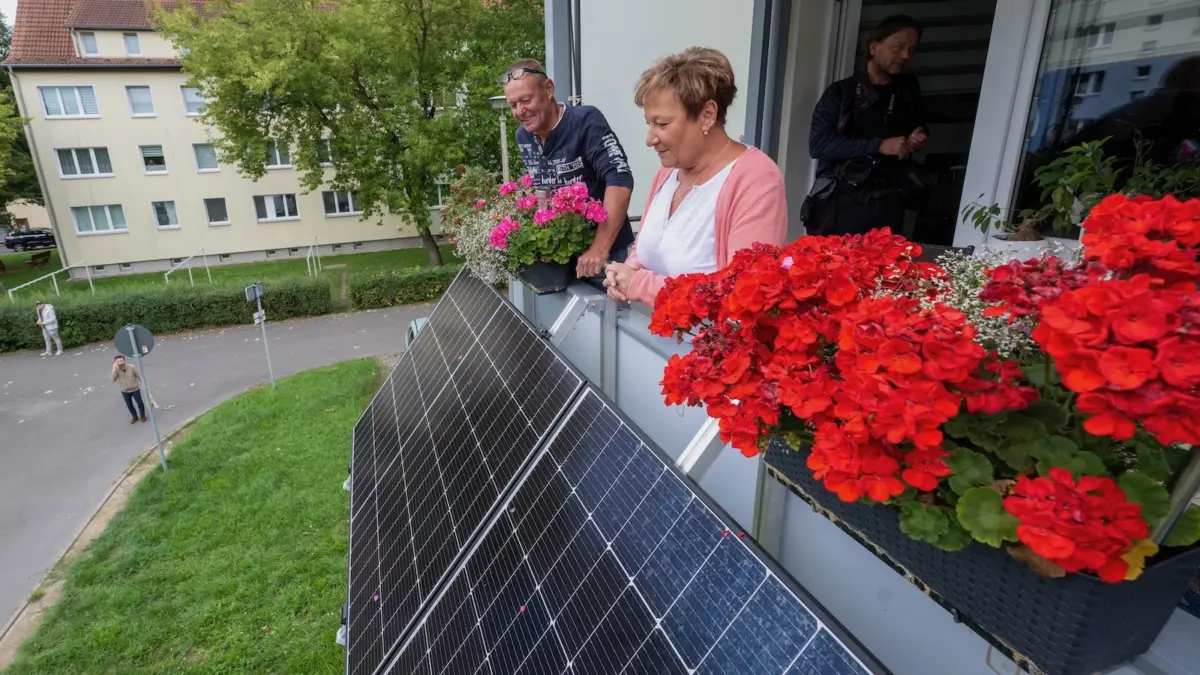
For renters, apartment dwellers, and those without suitable rooftop space, the traditional solar market has been almost entirely out of reach. But industry experts, climate advocates, and lawmakers argue that it does not have to be this way. Countries like Germany have successfully encouraged the widespread proliferation of balcony solar, also frequently referred to as plug-in solar. These systems consist of smaller, significantly cheaper arrays that can be easily mounted on a balcony railing or a small backyard space and hooked directly into a standard home electrical outlet.
By feeding harvested energy straight into the household electrical system, these compact units offset a portion of a residence’s everyday energy consumption. This simple mechanism saves users hundreds of dollars a year on their utility bills while finally opening up renewable energy adoption to renters and urban residents who lack the space or ownership status required for massive rooftop installations. As an added bonus, the less power individual homes are forced to draw from the main electrical grid, the less stress they place on the system as a whole. This relief is particularly vital during severe heat waves when entire neighborhoods are running energy-hungry air conditioning units simultaneously, pushing regional grids to their absolute limits.
That democratization of clean energy crossed a major threshold this week when California officially joined the balcony-solar movement. Governor Gavin Newsom signed a landmark bill allowing residents of the nation’s most populous state to adopt the technology without facing traditional regulatory hurdles. California now joins a growing handful of states, including Utah and Maine, that have recognized the immense potential of plug-in solar technology to generate clean electricity and provide tangible financial relief to residents as regional energy costs continue to rise.
The legislative victory is the result of sustained efforts by state lawmakers who recognized the unnecessary administrative burdens preventing broader adoption. State Senator Scott Wiener, who authored the legislation, emphasized the significance of the policy shift during a press conference. This technology is very important and very powerful, Senator Wiener told reporters, highlighting that the primary accomplishment of the new bill is the elimination of the massive barrier that previously required residents to negotiate a formal interconnection agreement with major utility providers like Pacific Gas and Electric Company before plugging in a micro-inverter system.
The rapid proliferation and acceptance of plug-in solar mark a fundamental, structural shift in how the modern electrical grid operates. Historically, centralized utilities have generated electricity almost exclusively by burning fossil fuels like coal and natural gas. When consumer electricity demand rose—such as when people returned home at the end of the workday and switched on heavy appliances, heating systems, and entertainment centers—utilities would simply ramp up production at power plants. This dynamic kept the regional system in a delicate equilibrium, maintaining a constant, real-time balance between electricity supply and demand.
That traditional model, however, does not function the exact same way with intermittent renewable sources like wind and solar power. If electricity demand is holding steady while the sun is setting, a utility is naturally generating far less electricity from its photovoltaic farms. The same fluctuation occurs with wind power if the skies suddenly calm and turbines slow to a halt. To counteract these natural variations, utilities are increasingly deploying massive grid-scale batteries designed to store excess renewable energy for later deployment. This technological integration creates a far more flexible and resilient grid that can continue to hum with electricity even when the skies are dark or the air is completely still.
This broader energy transformation is fundamentally changing the relationship between the grid and the everyday consumer, turning ordinary citizens into active participants in regional power management. For years now, single-family homes equipped with large rooftop solar arrays have sent excess energy back out to the grid. While a plug-in balcony solar system generates only a fraction of the electricity produced by a roof completely covered in panels, it nevertheless plays a crucial role in making the broader electrical system more flexible. Instead of feeding excess power back out into the system, plug-in solar directly reduces the amount of electricity a home must draw from the grid in the first place.
When scaled across an entire dense city or metropolitan region, these small, localized reductions add up significantly. They help offset the massive, unprecedented growth in electricity demand driven by modern infrastructure trends, including the expansion of artificial intelligence data centers and the ongoing electrification of society. This societal electrification trend includes everyday households transitioning from natural gas appliances to induction stoves, alongside millions of electric vehicle owners charging their cars at home rather than burning fossil fuels at the pump.
Bernadette Del Chiaro, senior vice president for California at the nonprofit Environmental Working Group, underscored the dual benefits of the policy change during the legislative press conference. This is one of the most immediate, concrete, tangible, real, and affordable things that we can do to start to get control of our high energy costs, but also save our planet, she noted, describing the initiative as a powerful twofer for consumers and the environment alike.
In practical terms, plug-in solar systems help reduce severe congestion in the electrical distribution system during peak demand hours. On hot summer afternoons when the weather is sweltering and every household is running air conditioning units at maximum capacity, there is also an abundance of bright sunlight striking balcony-mounted panels. This natural coincidence turns homes and apartment buildings into a sprawling, distributed network of tiny, localized power plants. Amanda Smith, a senior scientist focusing on the built environment at the climate solutions nonprofit Project Drawdown, highlighted the efficiency of this decentralization, noting that it is genuinely ideal to utilize renewable electricity directly in the exact location where it is generated.
This increased interactivity and decentralization of the electrical grid arrives at a critical moment for consumers, as utility bills continue to skyrocket across the country. Basic, commercially available plug-in solar systems typically set buyers back a few hundred dollars, and users can potentially recoup that initial expense through accumulated energy savings in roughly four years. The precise timeline depends heavily on regional electricity rates; the higher the energy costs in a given state, the quicker a resident will achieve a full return on their investment. Still, for many low- and middle-income households, even a modest upfront expenditure represents a major financial decision, which is why climate advocates argue that state-backed rebates and incentive programs remain essential for widespread equitable adoption.
With California now officially aboard the plug-in solar train, energy analysts predict that other states across the nation may soon follow suit as they look for affordable pathways to meet climate targets while easing pressure on consumers. The big reason this is a big deal really is because it’s the most affordable way for people to actually participate with solar photovoltaic technology, Amanda Smith observed, emphasizing that whatever happens in California’s massive consumer market will inevitably influence the trajectory of future state markets across the country. As the regulatory landscape shifts to embrace micro-generation, balcony solar stands out as a key development to watch in the ongoing evolution of modern energy infrastructure.