
On the Front Lines of a Warming Arctic: How Inuit Bear Guards Are Keeping Communities Safe Amid Climate Shifts
By Indigenous News Alliance
NUNATSIAVUT — After retiring from a long and demanding career as a conservation officer with the Canadian government, Derrick Pottle did not slow down. Instead, he dedicated the next chapter of his life to the land he has always called home, channeling his decades of field experience into guiding travelers, carving stone, hunting, and training a specialized workforce of bear guards.
Pottle, an esteemed Inuk elder and skilled guide from the Inuit community of Tikigãksuagusik in Nunatsiavut, founded BearSafe Planning in 2005. The comprehensive program was designed to train, equip, and certify students in how to safely coexist with and guard against the polar bears and black bears that roam the vast expanses of northern Labrador. The intensive three-day course is advertised as offering safety, protection, and confidence in bear country—qualities that have become increasingly vital as the surrounding ecosystem undergoes radical transformations.
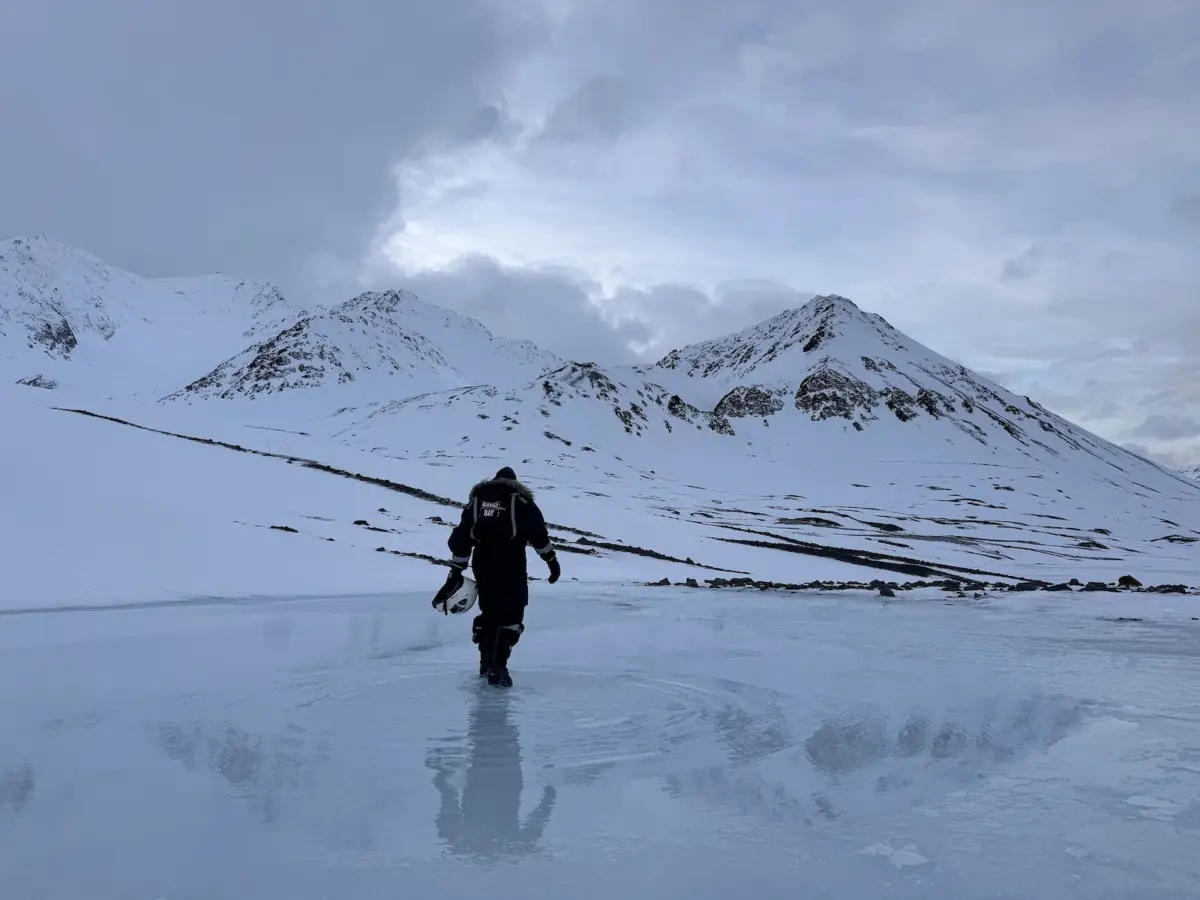
More than two decades later, that vital work has taken on renewed urgency. As human-driven climate change rapidly reshapes the Arctic—particularly the sea ice that polar bears fundamentally rely upon for travel, mating, and hunting—Inuit residents are witnessing these apex predators at entirely different times of the year and in unfamiliar locations where they were once rarely encountered.
According to Pottle, these profound environmental shifts are dramatically increasing the demand for trained professionals who know how to keep both human communities and vulnerable wildlife safe. That, he emphasizes, is the core objective of the course.
Graduates of the BearSafe Planning program are taught to maintain vigilant watches to prevent unexpected encounters and learn to recognize subtle behavioral signs indicating that a bear is stressed or uncomfortable.
“They may feel threatened, they may feel intimidated, and they may even charge or attack you,” Pottle explained, noting that students are instructed on how to read those critical warning signs. “How to prepare yourself for them, the tools you have to use to do your job.”
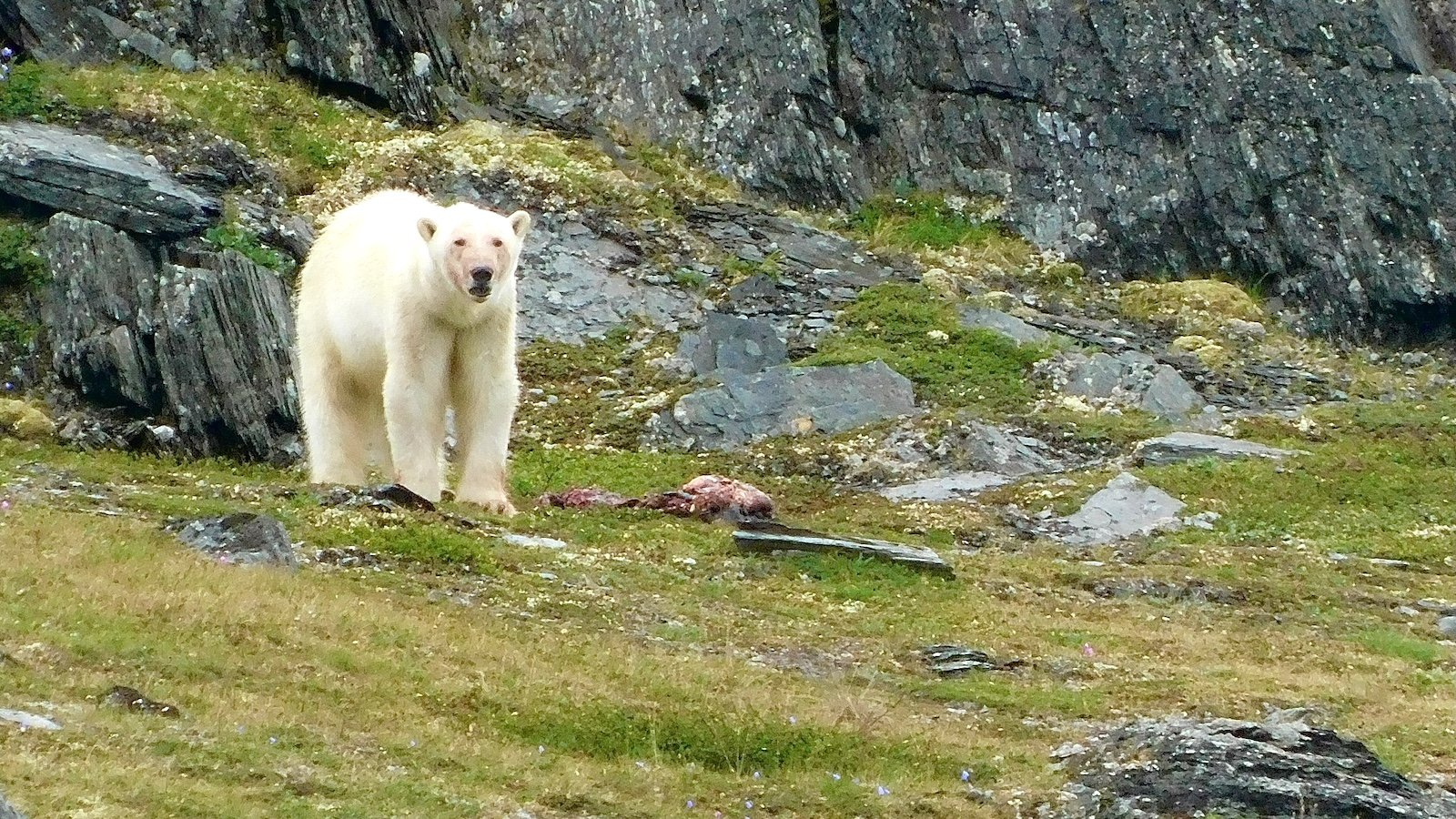
Canadian wildlife officials and government researchers echo these observations, noting that close encounters between humans and polar bears are becoming significantly more likely as a lengthening ice-free season forces bears to remain on land for extended periods. Inuit and Cree communities across the North have repeatedly reported polar bears appearing with greater frequency and in territories where historical sightings were exceptionally rare.
Scientific researchers have linked this rising trend to a convergence of factors, including prolonged ice-free periods in marine habitats, fluctuations in bear population density and physical condition, and growing human activity and industrial presence within traditional polar bear ranges.
Pottle originally developed BearSafe Planning’s curriculum with collaborative input from a wide array of stakeholders, including Parks Canada, environmental conservationists, Inuit elders, and academic researchers. The initiative sprang into existence out of sheer necessity, Pottle recalled, following the establishment of Tongait KakKasuangita SilakKijapvinga, also known as Torngat Mountains National Park, under the landmark 2005 Labrador Inuit Land Claims Agreement.
“They needed bear guards,” Pottle said, reflecting on the period. “We didn’t have trainers in Nunatsiavut at the time. Somebody had to do it.”
The urgency behind the program stems from a stark scientific reality: the Arctic is warming nearly four times faster than the rest of the planet. As climate change continues to alter landscapes across the North, Pottle notes that the demand for professional security extends across all species of bears inhabiting the region.
“We’re seeing more and more bears now in this time of our lives than we ever saw before,” he said. “People are seeing polar bears in this part of Inuit Nunangat—where polar bears used to travel north late in the spring—and now are staying all summer long.”
The provincial Endangered Species Act currently lists polar bears as a “vulnerable” species, while the federal government categorizes them as a “species of special concern.” According to Environment and Climate Change Canada, between 60 and 80 percent of the entire global polar bear population lives within Canadian borders. These massive carnivores, which can routinely weigh as much as 1,400 pounds, are utterly dependent on stable sea ice platforms to survive.
“Climate change is the main threat to polar bears,” the federal agency notes in its official assessments.
Beyond professional deployment, completing the bear guard training program offers tangible benefits for everyday community members looking to secure their personal safety while out on the land.
“Lots of people just use the bear guard course for their own personal protection when they’re out on the land with their families fishing, hunting, and participating in Inuit lifestyle,” Pottle said.
Sherri Wolfrey, a mother of four and resident of Tikigãksuagusik, knows firsthand the value of this specialized instruction. She recounted how, back in 2015, she became interested in the program and thought she might eventually want to pursue employment involving wildlife monitoring.
Today, Wolfrey serves as the secretary of the Northern Lights Academy and regularly applies her rigorous training whenever she travels out onto the land. Last year, she put her certification to professional use for the first time when she was officially contracted as a bear guard in Akami-Uapishkᵘ-KakKasuak, commonly known as the Mealy Mountains National Park Reserve.
“Especially up in that area in the bottom of the Mealy’s, it was so beautiful up there,” she told IndigiNews.
Even when she is not actively working a contract as a professional bear guard, Wolfrey finds the acquired skills invaluable for her daily life and traditional pursuits.
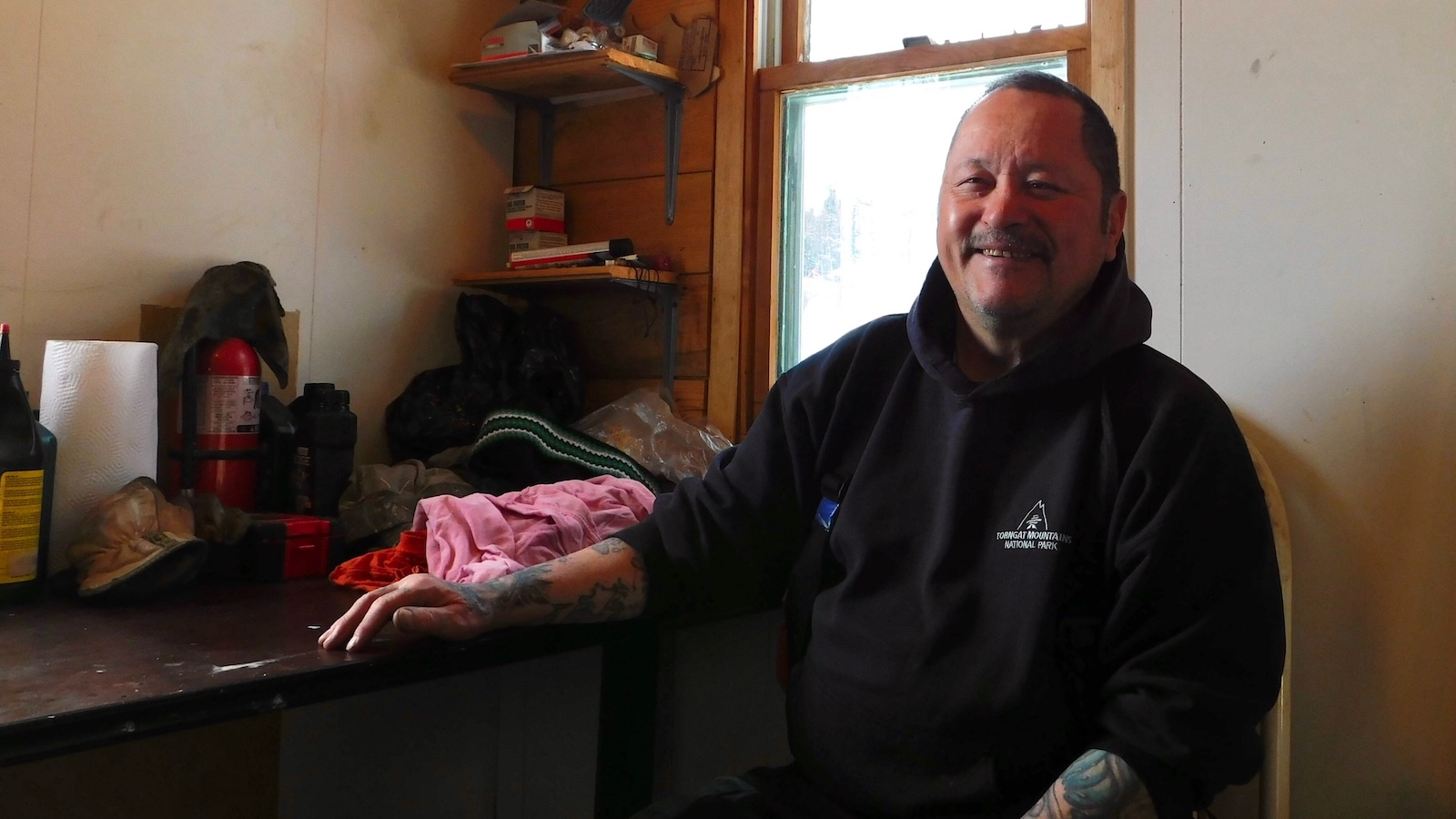
“It’s good to have the training,” she said, “because when you do what I like to do, especially being at the cabin… you could know what to expect and what to do if you came upon a bear.”
Pottle’s own journey as a steward of the land began long before formal certification programs existed. Years ago, before there were official bear guards, people in his community would routinely ask him to escort them on excursions involving boats, dog teams, or snowmobiles precisely because of his deep, generational knowledge of the terrain.
Today, BearSafe Planning offers its intensive course on demand, accommodating classes as large as 30 students at a time. Despite his decades of expertise and role as the primary instructor, Pottle remains deeply committed to learning, frequently drawing insights from the lived experiences of those around him.
“I talk to the Elders, I talk to the hunters, I talk to the students,” he said. “A lot of these people live on the land all their lives, so they have lots and lots of experiences and stories. So we learn from one another.”
Employment opportunities for certified bear guards vary considerably depending on the season, ranging from short day trips to extended, full-time contracts, Pottle explained. Commercial cruise ship operators routinely hire trained guards to ensure the safety of tourists visiting remote northern shores, while group expeditions and land-based educational programs across Nunatsiavut and the broader Inuit Nunangat region rely heavily on their presence. Furthermore, Inuit regional governments and environmental agencies frequently employ certified guards to secure field outings.
Pottle views professionally trained bear guards as an essential, integral component of the contemporary northern economy.
“It’s not always easy to find employment in the North, and bear guarding can give people—if they choose to—an opportunity to make a good living from it,” he noted.
Looking back, Pottle reflects that dedicating two decades of his life to teaching students the intricacies of bear safety has been deeply fulfilling on a personal level.
“You’re doing something you love, and you’re going into communities, and you’re… bringing knowledge,” he said. “Our role is to keep people safe, and make sure people enjoy the land and enjoy the surroundings—and get the job done and come home safe at the end of your workday.”