
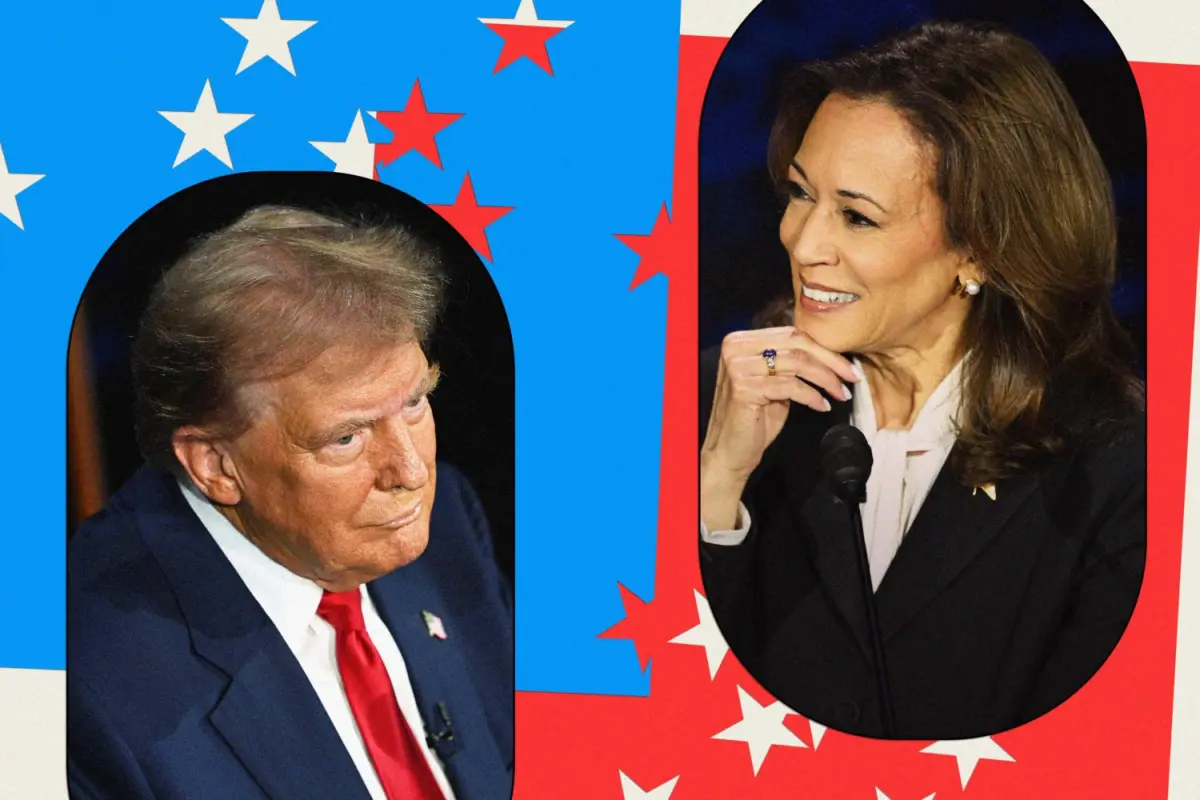
As the United States barrels toward another high-stakes presidential election, voters are once again inundated with relentless political rhetoric. From campaign rallies to televised debates, candidates from both sides of the aisle are fiercely debating the state of the nation. For financially independent individuals and seasoned investors, however, the ongoing political theater surrounding candidates like Kamala Harris and Donald Trump should ideally consume very little mental energy. While it remains essential to research platforms and cast a ballot, the most productive approach after election day is to pivot immediately back to what remains within an individual’s personal circle of control.
Yet, despite the wisdom of tuning out much of the electoral noise, there is one critical domain where the record demands setting straight: the economy. Politicians have never been widely recognized for their technical mastery over complex fields like science, technology, or macroeconomics. During election cycles, however, this disconnect reaches new heights. In their persistent bid to sway undecided voters, particularly in closely contested swing states, candidates frequently lean into irrational emotional appeals rather than sound, data-driven economic principles.
A prime example of this phenomenon is the persistent narrative pushed by the opposition—currently led by Donald Trump—attacking the Biden-Harris administration over what they characterize as a "bad economy." In objective reality, the broader United States economy is exceptionally robust, boasting some of the lowest unemployment rates ever recorded in modern history. It is difficult to envision a fundamentally stronger baseline scenario. In fact, the recent bout of higher inflation experienced across the country was largely a byproduct of an economy operating perhaps a bit too rapidly, necessitating a controlled deceleration through higher interest rates orchestrated by the Federal Reserve.
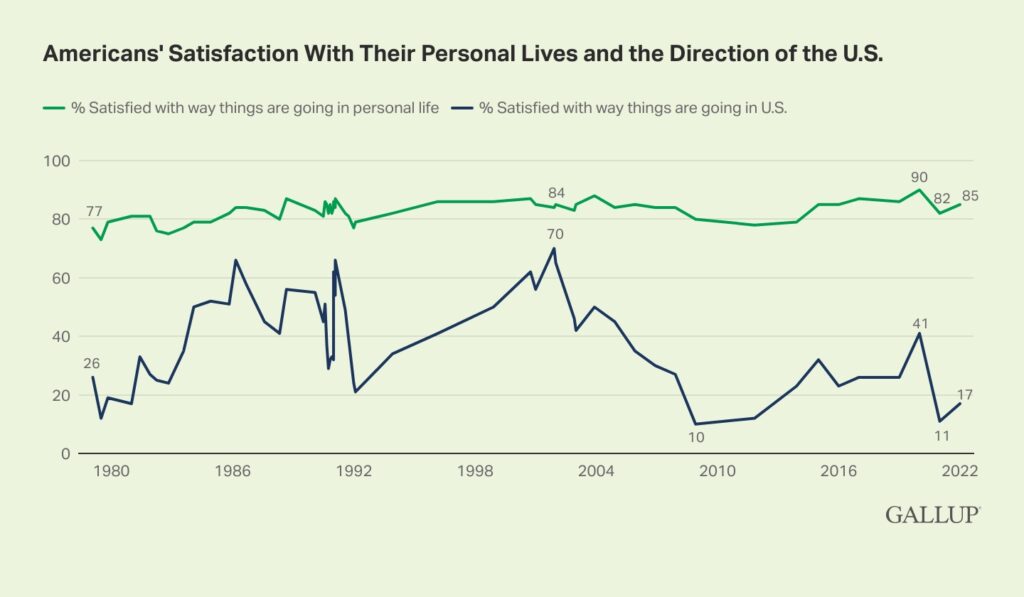
Despite these strong economic fundamentals, public perception remains remarkably pessimistic. Recent Gallup polling highlights a fascinating paradox: while roughly 85 percent of Americans report that they personally are doing well financially, only 17 percent believe the national economy is performing well. Mathematically speaking, this widespread disconnect is impossible. If the vast majority of individuals are thriving financially, that exact metric serves as the textbook definition of a healthy economy. This widespread misalignment in public perception correlates closely with the rise of modern social media and the rapid spread of misinformation.

When political figures and media outlets amplify misleading narratives instead of sharing accurate baseline data, they do a disservice to the public. While it is easy to ignore campaign speeches and carry on with daily life, understanding foundational economic realities directly impacts personal wealth. A clearer grasp of how the economic engine truly functions empowers individuals to make smarter financial decisions. To cut through the noise, it is worth examining the most prominent and pervasive economic myths currently being promoted on the campaign trail.
The President Controls the Economy
Whenever an economic downturn or recession occurs, the opposition party is quick to lay the blame squarely at the feet of the sitting president. Conversely, when the economy enters a robust expansion phase, the incumbent administration eagerly claims personal credit for the collective success. In reality, the United States economy is far too vast—and thankfully too free—for any single president to control or even heavily influence in the short term.
The American economy functions as a colossal, decentralized machine that continuously converts labor and raw materials into everything from smartphones and life-saving medical care to everyday goods. Although the United States represents the single largest national economy, accounting for roughly 26 percent of global economic activity, it remains deeply intertwined with the remaining 74 percent of economic production generated by the other 7.6 billion people across the globe.
Natural economic cycles of expansion and contraction are predominantly driven by human psychology—periods of irrational exuberance and speculative greed, such as the housing boom leading up to 2007, followed inevitably by bouts of extreme fear and pessimism, like the subsequent financial crash of 2008 through 2012. While government policy, tax rates, and regulatory frameworks certainly play a supporting role, the real-world effects of these policies are typically delayed and unpredictable. Drawing a direct, causal line between the actions of today’s president and the exact state of today’s economy misunderstands the massive, oceanic scale of global commerce.
The President Controls Interest Rates
Another recurring theme on the campaign trail involves candidates expressing deep sympathy for middle-class Americans who face elevated borrowing costs on credit cards, auto loans, and mortgages. In response, politicians frequently pledge to aggressively force interest rates downward. Some political figures have even gone so far as to publicly pressure independent Federal Reserve board members, occasionally suggesting that future administrations should exert direct political control over the central bank entirely.
In practice, monetary policy would be a disastrous tool to leave directly in the hands of a sitting president. Instead, the Federal Reserve functions properly when operating as an independent body of experts using interest rates as the economy’s gas and brake pedals. When economic activity cools significantly and unemployment rises, lowering interest rates provides a necessary stimulus to job creation and market valuations. When the economy overheats, raising rates helps combat rapid inflation and stabilize the financial system.
Inflation Has Ruined the American Standard of Living
The argument that recent inflation has permanently crippled the financial well-being of ordinary Americans overlooks fundamental wage data. Following the disruptions of the COVID-19 era, the economy experienced a period of rapid inflation driven by a rare convergence of global supply chain bottlenecks, factory shutdowns, massive government stimulus spending, and historically low interest rates. These pressures have since subsided, bringing inflation back down toward standard levels.
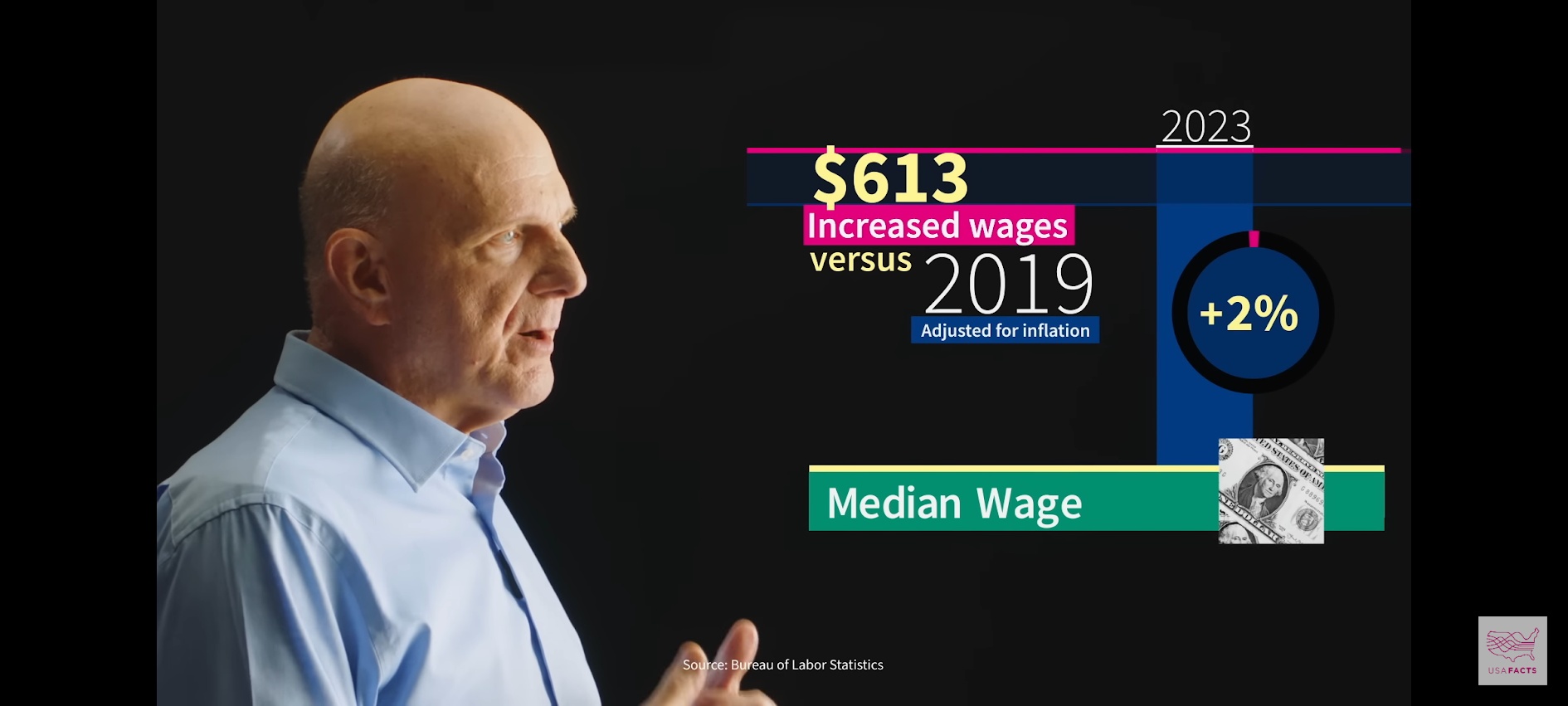
More importantly, overall wages have consistently risen faster than cumulative inflation, leaving the average worker in a stronger financial position than before. Since 2019, overall consumer prices have climbed roughly 19 percent, while average wages have grown by approximately 21 percent. Despite this net positive trajectory, political candidates routinely frame inflation as an ongoing catastrophe, often making unrealistic promises to artificially force consumer prices backward. This rhetoric successfully convinces many voters that a combination of higher wages and higher prices equates directly to a failing economy, which runs contrary to fundamental economic data.
Furthermore, politicians frequently point the finger at allegedly greedy corporations for driving up prices to hoard excess profits. While businesses operate freely within a market system to set prices based on supply and demand, intense market competition generally prevents widespread price gouging. Comprehensive analyses, including detailed studies from independent outlets like NPR, have demonstrated that major sectors such as grocery retail did not capture windfall net profits off the back of pandemic-fueled inflation.
The President Controls Housing Prices
Housing represents one area where structural changes over the past decade have genuinely strained household budgets, with home prices and rental rates outpacing general inflation and wage growth. Simultaneously, higher interest rates have compounded the issue by increasing borrowing costs for mortgage holders, creating a challenging environment for prospective buyers.
Despite the complexity of the housing market, political solutions often lean toward populist subsidies for first-time buyers or schemes designed to manipulate mortgage rates downward. These proposals risk exacerbating the underlying problem by artificially stimulating demand without addressing the root cause: a severe shortage of housing supply. Experts note that meaningful relief will only arrive when regulatory roadblocks are removed, such as streamlining municipal permitting processes, reforming outdated building codes, eliminating restrictive suburban zoning and parking minimums, and curtailing the ability of local opposition to block new residential construction.
Gasoline Prices and the Obsolescence of Fossil Fuels
Gasoline prices remain a perennial fixture of political debates during election season, despite accounting for a relatively minor share of modern household expenditures. When adjusted for inflation, gasoline prices remain remarkably comparable to levels seen in the 1950s, hovering in the historical range of three to four dollars per gallon in today’s currency.
Moreover, the average American household allocates a relatively small fraction of disposable income directly to gasoline purchases. The broader transportation market has also shifted significantly, with electric vehicles becoming increasingly accessible and cost-competitive with traditional internal combustion engine vehicles when factoring in long-term maintenance and fuel savings. In light of these technological shifts, focusing heavily on short-term fluctuations in retail gasoline prices overlooks the ongoing evolution of personal transportation.
Refocusing the Economic Conversation
Ultimately, much of the political debate surrounding the national economy misses the broader picture of human progress and personal fulfillment. Decades of continued economic growth have pushed developed nations well past the threshold of basic material sufficiency. While income and wealth disparities remain genuine challenges that warrant thoughtful policy engagement through progressive taxation to maintain social cohesion, accumulating excess wealth beyond the point of basic sufficiency yields diminishing returns regarding personal happiness.
True financial security and life satisfaction are defined far more by personal mindset, resourcefulness, and practical life skills than by political promises or fluctuations in a paycheck. While participating in the democratic process by voting remains a civic duty, recognizing the limits of political influence over macroeconomic trends allows individuals to tune out the election-season noise and focus their energy on building stable, meaningful lives.