
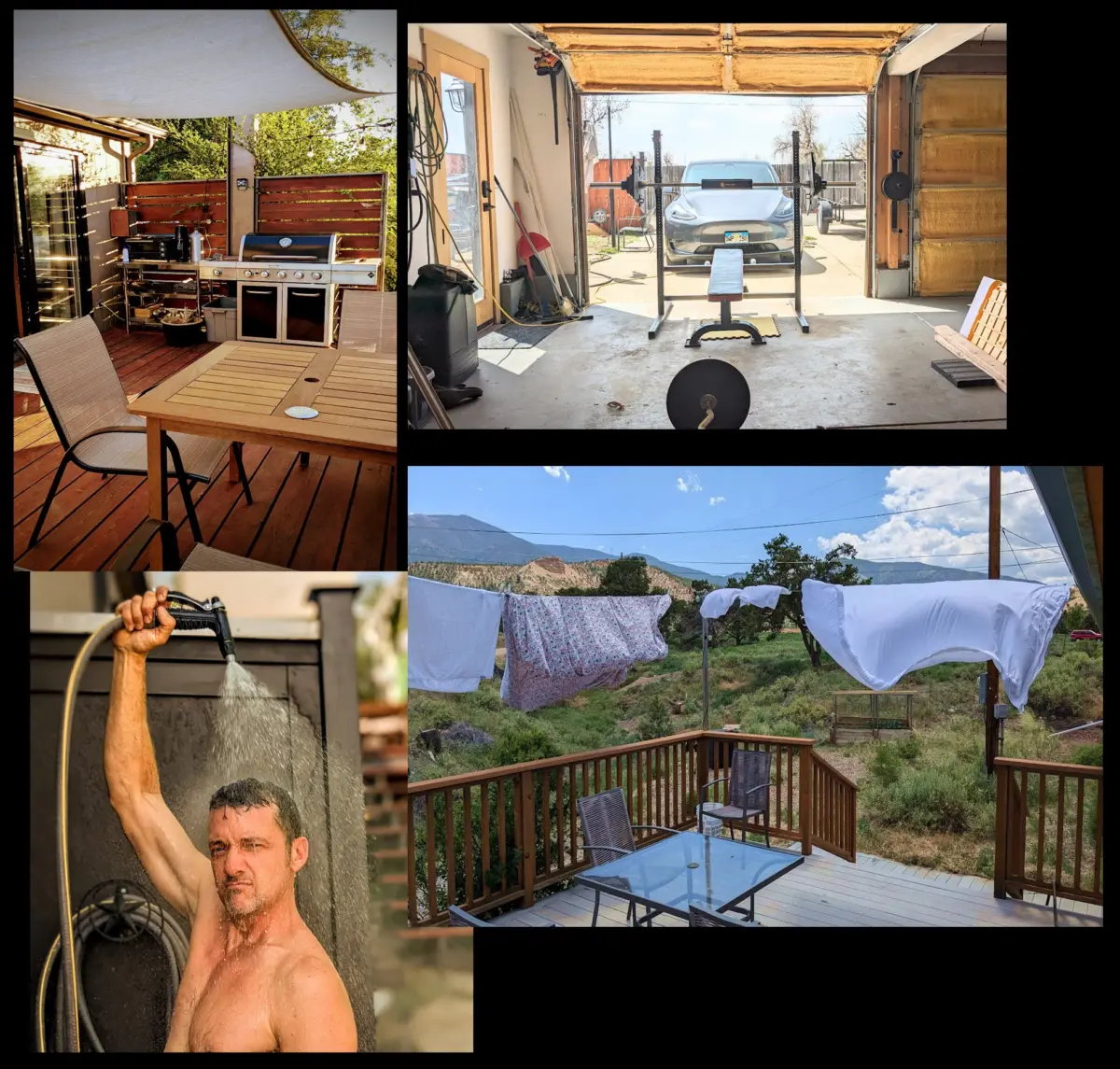
In an era where personal finance influencers often scale the heights of digital fame only to drift into luxury and isolation, the internet personality behind the popular blog Mr. Money Mustache has pushed back against critics who claim he has lost touch with the realities of ordinary living. Addressing recent murmurings from readers who suggest he no longer practices the money-saving philosophies that built his reputation, the author argues that true financial independence is not a temporary ladder to be kicked away once climbed, but a sustainable and deeply enjoyable way of life.
The critique, commonly summarized by former followers as a belief that the blogger has grown too rich and fancy to understand the common person’s plight, overlooks the core mechanism of what proponents call Mustachianism. While the author acknowledges that his total net worth has steadily increased over the past twelve years—a trajectory shared by many dedicated followers of his platform—he maintains that his daily spending habits have remained largely unchanged. This stability is not born of ongoing sacrifice or deprivation, he explains, but rather from the fact that his lifestyle was designed from the outset to be genuinely enjoyable and self-sustaining.
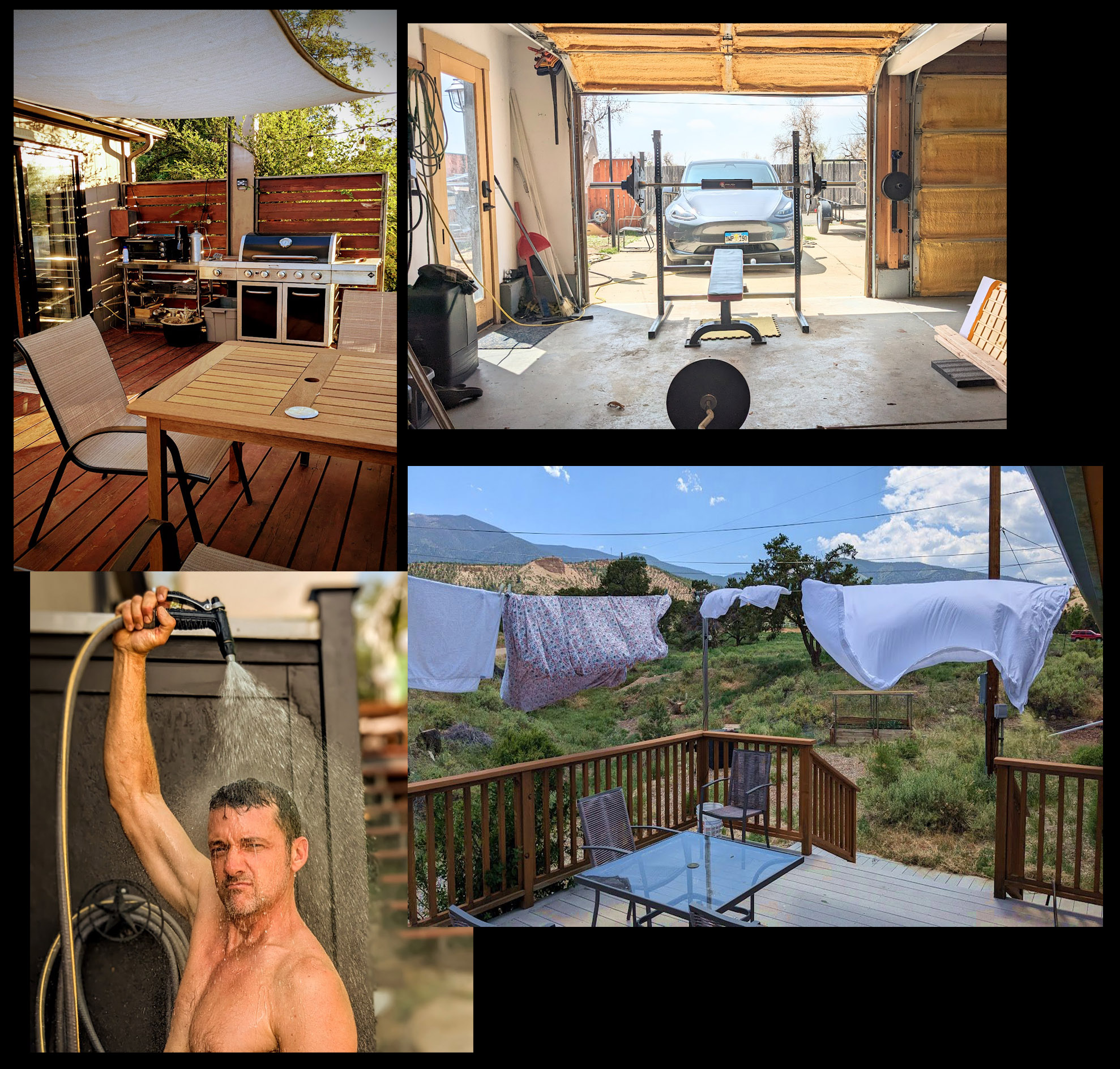
To understand the enduring success of this financial philosophy, the author contrasts it with standard financial advice typically offered by mainstream institutions. Conventional guidance often encourages individuals to slash spending and endure periods of strict sacrifice merely to hit a specific savings percentage, after which personal choices matter little, and lifestyle inflation can take over once income rises. In contrast, the Mustachian approach focuses on cultivating a continuous appreciation for efficiency, creativity, self-awareness, and personal improvement. This mindset allows practitioners to enhance their overall quality of life even as their monthly expenses trend downward over time.
To illustrate how these principles manifest in daily life, the author shares several personal examples from his current routines. These practices, while occasionally drawing amusement or skepticism from outside observers, continue to yield significant financial and personal dividends.
Fixing Homes and Building Self-Sufficiency
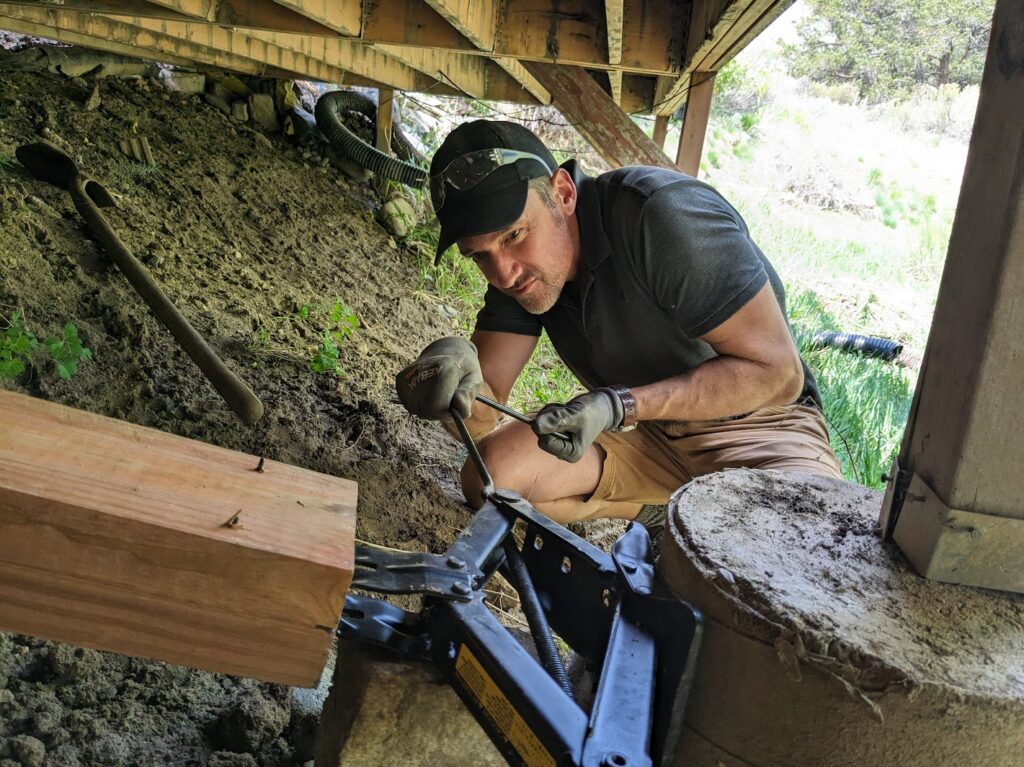
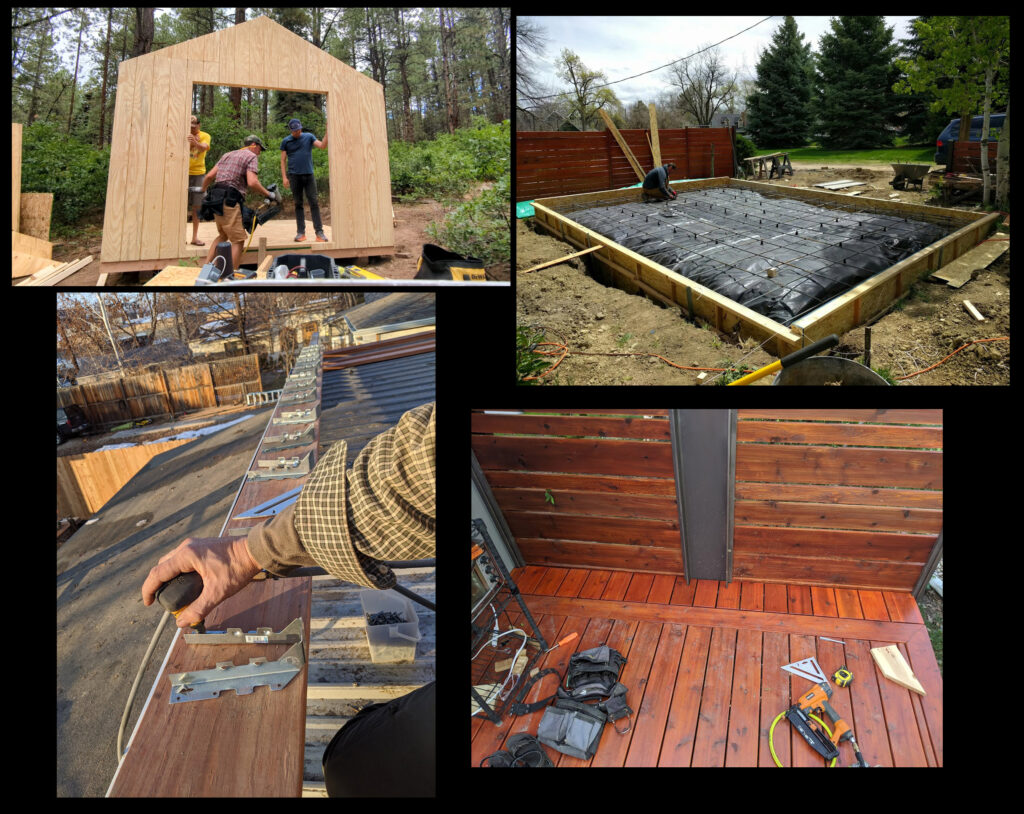
At the heart of the author’s philosophy is a commitment to self-sufficiency and the development of practical skills that reduce reliance on external contractors and commercial services. Describing a personal passion for architecture and residential design, the author spends a substantial portion of his free time renovating properties, both his own and those of friends. By learning to manage complex construction and maintenance tasks independently, he avoids the steep costs associated with modern housing upkeep.
This hands-on approach to home repair is framed not as a chore, but as an engaging pursuit that transforms a consumer into a producer of desired living spaces. According to calculations utilizing the financial concept of compounding over decades—specifically multiplying monthly savings by a factor of 172—such DIY home maintenance projects can translate to substantial long-term wealth preservation, estimated at tens of thousands of dollars annually.
Leveraging Community and Local Sharing Networks
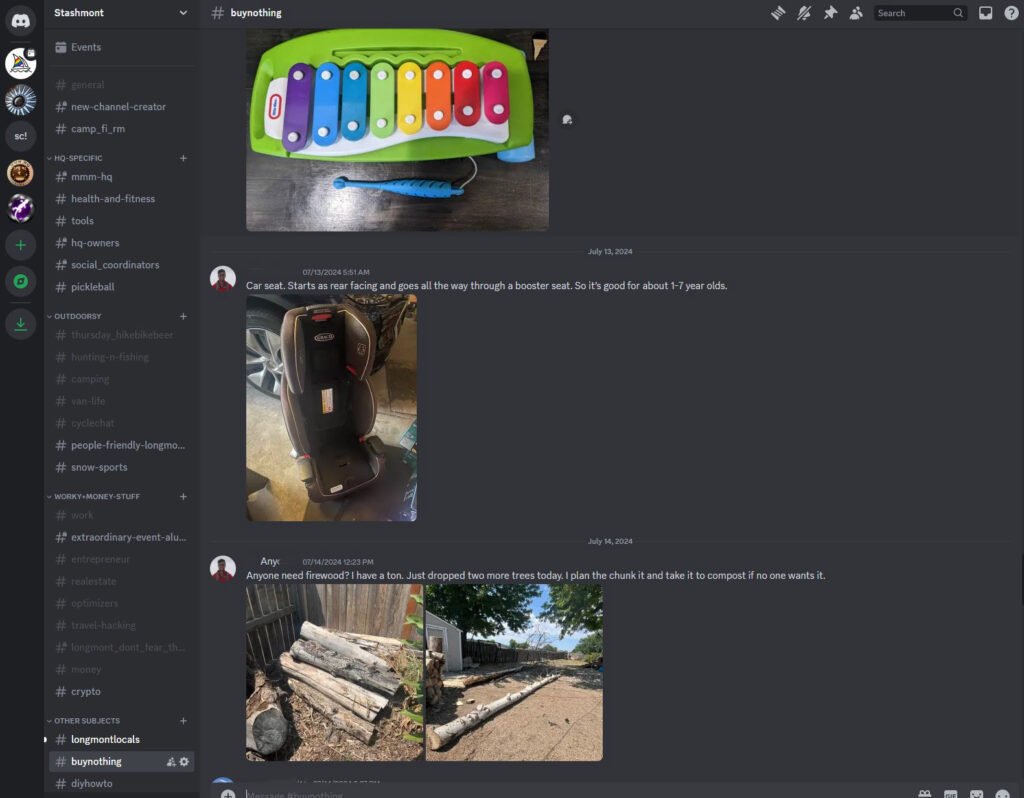
Another pillar of the modern frugal lifestyle involves moving away from the convenience of next-day delivery culture and toward collaborative local economies. Utilizing platforms such as Craigslist, Facebook Marketplace, and local Buy Nothing groups, the author and members of his local community routinely share, repurpose, and acquire high-quality items without resorting to retail purchases.
Within the local community associated with his headquarters, participants maintain active communication channels dedicated to sharing resources, trading goods, and collaborating on domestic projects. This localized exchange network fosters interpersonal connections while simultaneously reducing household expenditures, proving that economic efficiency and community building can reinforce one another.
Prioritizing Active Transportation
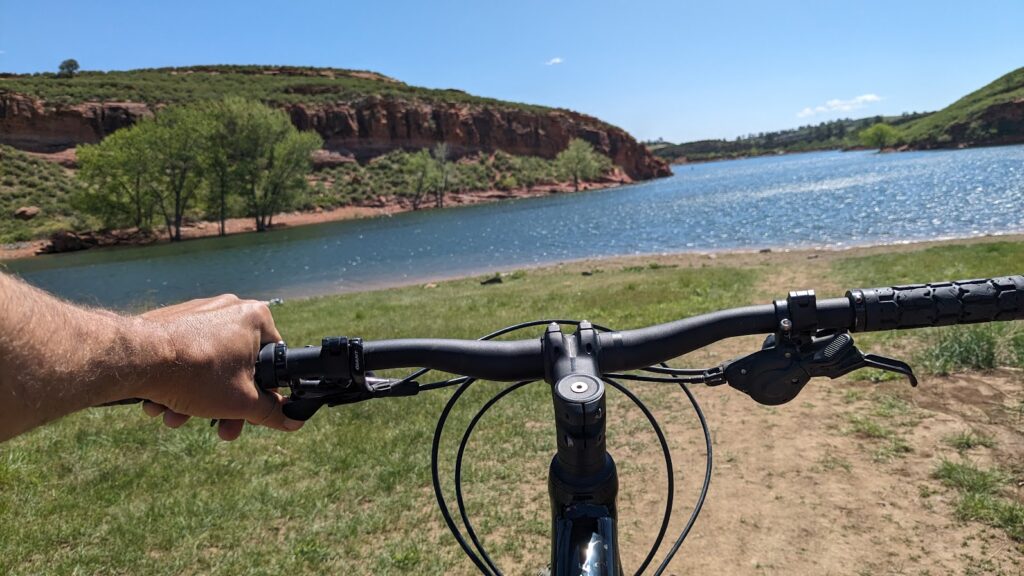
Transportation remains one of the largest household expenses in the modern economy, and the author continues to advocate for bicycle commuting and walking as primary modes of transit. Pointing to the high operational costs of maintaining and depreciating private automobiles—which include fuel, insurance, maintenance, and vehicle replacement—active transportation offers a stark financial contrast.
Living near the center of a small city allows the author to complete the vast majority of local trips by bicycle or on foot. Beyond the direct financial savings realized by avoiding frequent car usage, this lifestyle choice integrates physical activity into daily routines, yielding long-term health benefits that indirectly protect against rising medical costs.
Choosing Muscle Over Motor
Extending the principle of active living beyond transportation, the author routinely opts for physical effort over motorized convenience in everyday tasks. Whether choosing stairs over elevators, maintaining golf courses on foot rather than riding in carts, moving heavy household furniture independently, or clearing snow manually, these micro-decisions are guided by a simple internal question regarding personal health and fitness.
While the exact financial return of physical labor is difficult to isolate, the author links these habits to long-term wellness and reduced susceptibility to chronic lifestyle-related illnesses. By maintaining physical capability through routine exertion, practitioners avoid many of the sedentary pitfalls that contribute to high healthcare expenditures later in life.
Energy Efficiency and Home Innovation

The author’s penchant for experimentation extends to residential energy management, where he combines engineering principles with seasonal adaptation. By introducing passive solar heating strategies, such as strategically placed windows and sliding doors, and modifying daily routines to align with seasonal climate shifts, energy consumption is kept to a fraction of regional averages.
Rather than viewing these measures as burdensome restrictions, the author describes his home as an efficiency playground. The resulting reduction in utility bills demonstrates that significant resource conservation can be achieved through clever architectural tweaks and mindful living habits, even if the primary motivation is the sheer enjoyment of the engineering challenge.
Valuing Local Living Over Constant Travel
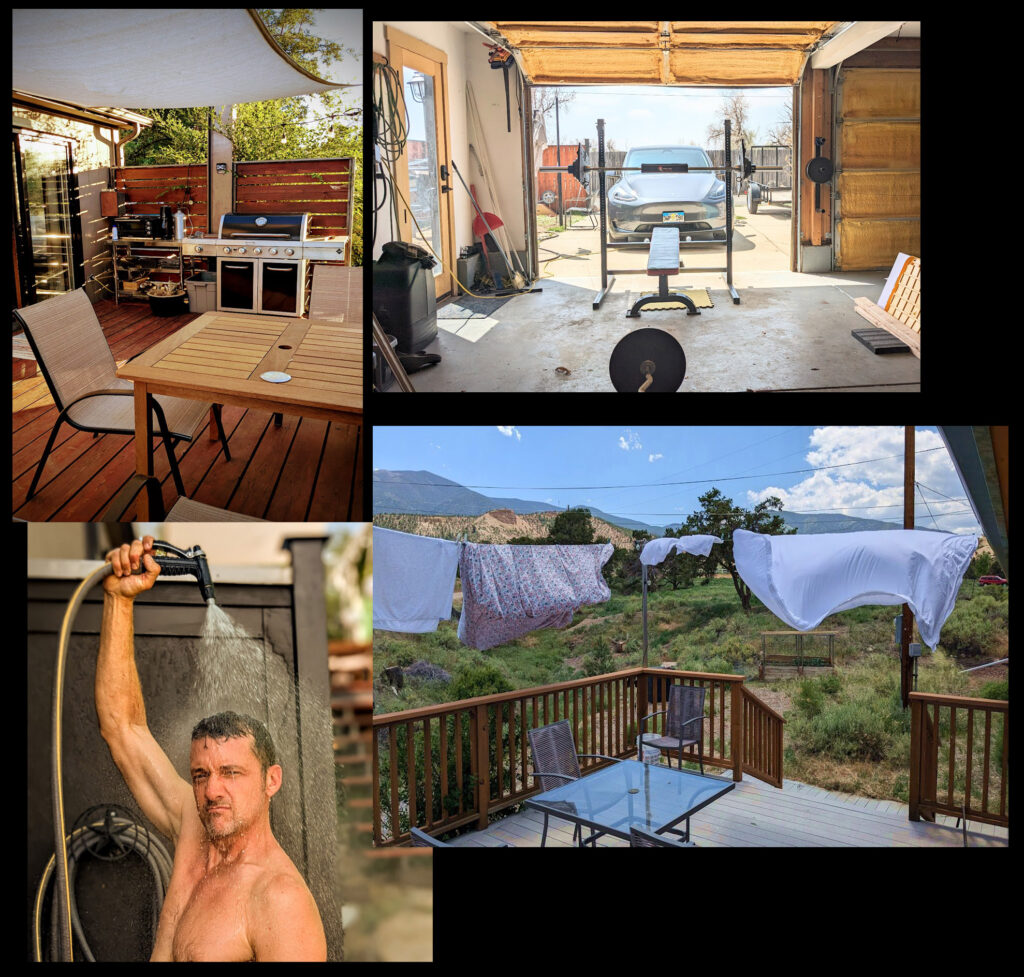
Amid the high-season travel culture that sees many families embark on expensive vacations during the summer months, the author emphasizes the hidden value of staying home. By declining frequent trips and choosing to savor local surroundings—such as nearby lakes, neighborhood gatherings, and domestic leisure—households can avoid the heavy financial toll of modern tourism.
The author notes that replacing even a fraction of major travel itineraries with enriched local living preserves financial resources while simultaneously fostering deeper community ties and reducing travel-related stress. This discernment allows individuals to reserve financial outlays for truly enriching travel experiences while appreciating the comfort and health benefits of time spent at home.
Cumulative Impact and Long-Term Viability

When aggregated, these varied habits compound into significant financial figures over the span of a decade, frequently surpassing the median wealth accumulated by typical workers over a lifetime of traditional employment. The author emphasizes that these practices do not require extreme deprivation or obsessive budgeting; rather, they stem from a slight recalibration toward efficiency and practical engagement with the physical world.
As the discussion continues across online forums and comment sections, the author invites readers to reflect on their own frugal quirks and the small, enjoyable habits they maintain regardless of their financial standing. Whether driven by economic necessity or a simple curiosity for problem-solving, these behaviors highlight an enduring subculture of mindful living that persists far beyond the initial pursuit of retirement.