

Almost nineteen years into early retirement, financial independence advocate and writer better known as Mr. Money Mustache has come to realize that the complete freedom of this lifestyle can function as a profound double-edged sword. While the initial phases of stepping away from the traditional workforce are often celebrated for granting individuals complete autonomy over their time, the reality of having no mandatory obligations reveals unexpected psychological hurdles for those navigating long-term leisure.
For nearly two decades, the primary upside of this lifestyle has been undeniable. The author has frequently highlighted the immense value of having the freedom to raise a son from the day of his birth through adulthood without compromise, while dedicating thousands of hours to other core values, including family, health, friendships, travel, building projects, and writing. Yet, beneath the surface of this seemingly idyllic existence lies what he playfully describes as a classic first-world problem: the realization of never actually having to do anything he does not want to do.
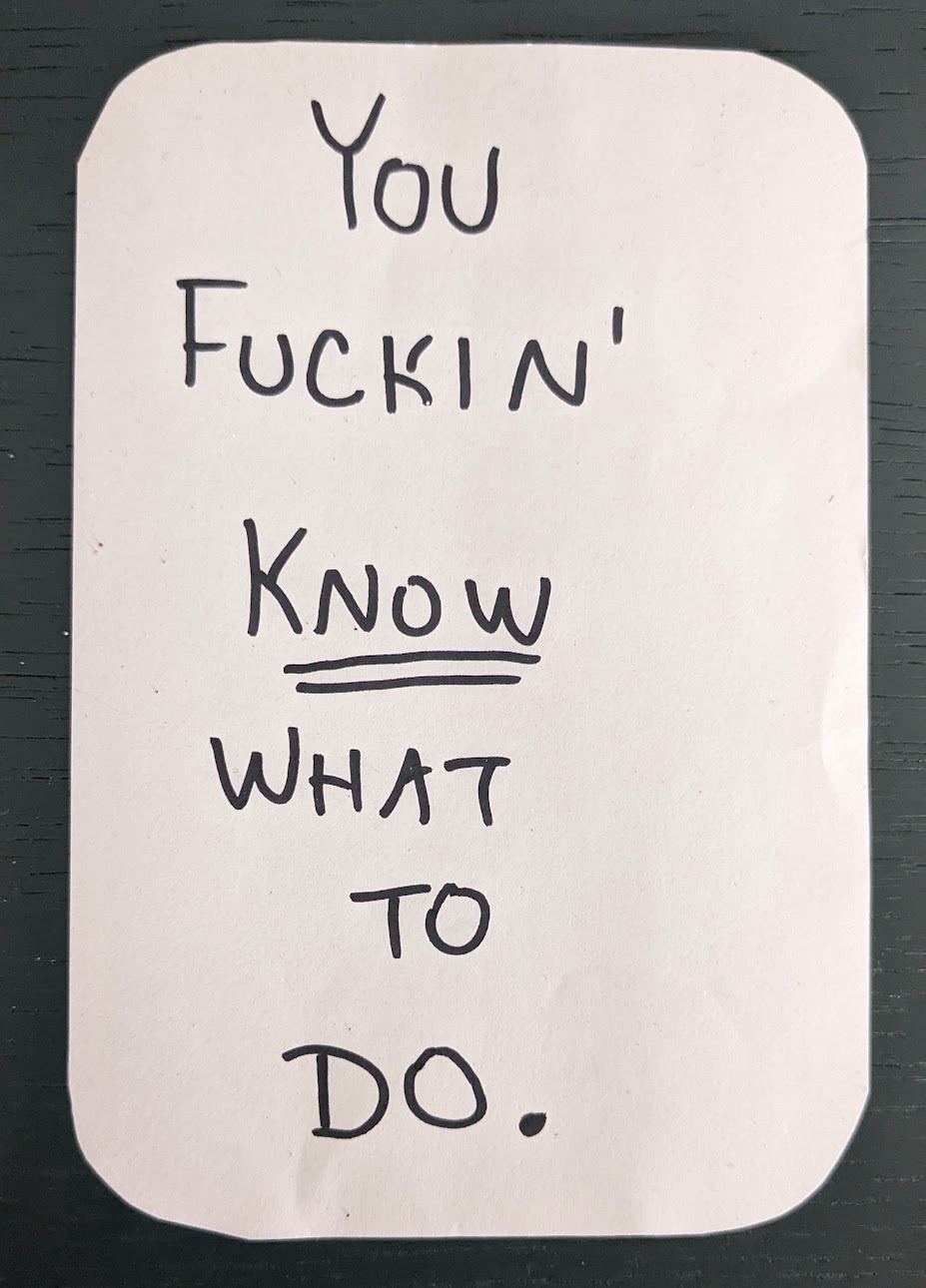
To most people striving for financial independence, total freedom combined with ample financial resources sounds like a dream come true—a non-stop playground of self-actualization. However, reality proves far more nuanced. Freedom and financial security ultimately act as a mirror, reflecting a person’s true strengths and weaknesses. The resulting spectrum of human behavior ranges widely, stretching from absolute inactivity and indulgence on one end to the creation of extensive philanthropic foundations dedicated to medical research and clean energy on the other.
Reflecting on his own trajectory, the author notes that he found a natural balance during the first decade of retirement. Between an intensive parenting schedule, building and restoring local houses, undertaking adventurous trips, speaking engagements, video creation, and penning hundreds of blog posts, activity levels remained high. However, as the years progressed and a natural slowdown occurred, maintaining that internal drive became increasingly difficult.
Instead of maintaining the laser focus required to finish writing articles or constantly working on construction and creative projects, afternoons increasingly drifted toward early resting on the couch, seeking digital distractions while wishing for the energy and motivation to pursue more fulfilling tasks. This realization prompted a deep dive into health and wellness, studying daily habits, and exploring the hazards of excessive comfort. While these insights proved effective in theory, a recurring pattern emerged: after successfully adopting new routines for a period, the brain would gradually invent excuses to abandon them, leaving a wide gap between knowledge accumulated and actual accomplishments.

Ultimately, the root of the problem became clear. The author realized he was inadvertently sabotaging his own progress by using his greatest life advantage as a disadvantage—using total freedom primarily as a tool to avoid doing things he simply did not feel like doing in the moment. Freedom is undeniably valuable when it liberates an individual from the grind of commuting to an office job for long hours. Yet, that same freedom is squandered if it simply leads to passive distraction while neglecting more meaningful pursuits. Without intention, freedom risks becoming a trap of comfortable avoidance.
Using Extremely Badass People as Fuel
This behavioral pattern became particularly evident in fitness routines. Recognizing that consistent weight training is one of the single most effective investments of time for overall health and longevity, the author observed a familiar cycle of self-sabotage. The internal dialogue often relied on waiting for the perfect conditions—the right time of day, high energy levels, ideal weather, and meticulous advance preparation—before hitting the gym. When those conditions failed to align perfectly, workouts were delayed or skipped entirely, leading predictably to lackluster fitness results.

The breakthrough came from fundamentally altering that internal conversation. Instead of succumbing to hesitation and waiting for motivation to strike, the new approach relies on recognizing hesitation itself as the ultimate warning sign of self-sabotage. By catching that exact moment of reluctance and immediately taking physical action—such as putting on shoes and heading out the door—the barrier of inertia is bypassed entirely. This counterintuitive strategy transforms hesitation from an excuse generator into a direct trigger for action.
When discussing these observations with friends, reactions were notably divided. Half of the social circle related strongly to feelings of underachievement and the desire to accomplish more, while the other half—consisting of high-achievers managing multiple businesses, raising large families, and training for intense athletic events—viewed his lifestyle as far too relaxed. This contrast highlighted a spectrum of pacing, suggesting that both camps might benefit from moving closer to a sustainable center.
The definitive catalyst for change, however, came from exposure to extreme examples of human endurance, specifically through a podcast interview featuring endurance athlete David Goggins. Goggins’ life story, marked by overcoming severe childhood trauma and pushing through extraordinary physical hardships—ranging from grueling military training regimens to running hundreds of miles without sleep and setting pull-up world records—offered a stark perspective on human potential.
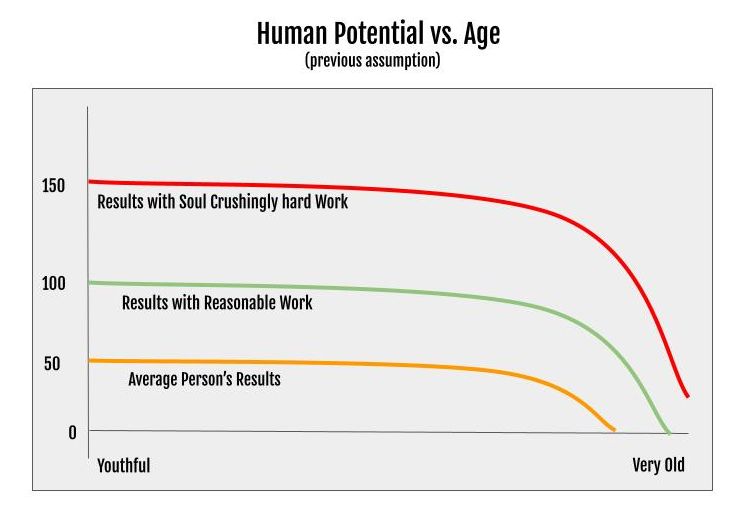
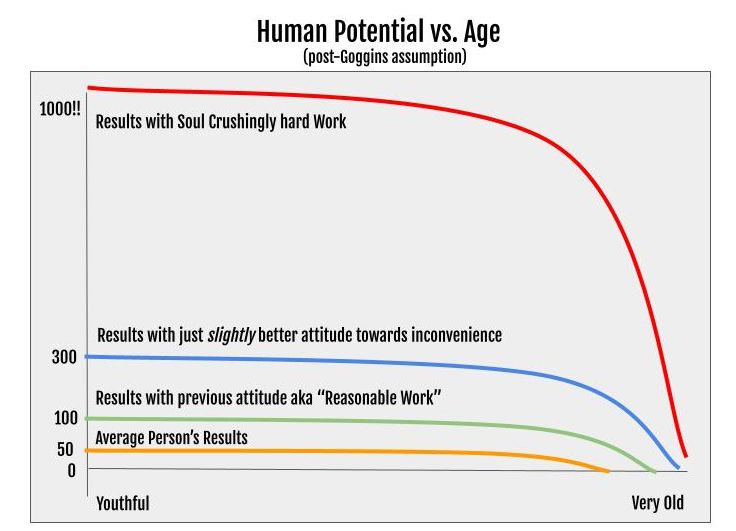
While acknowledging that the extreme lifestyle modeled by Goggins is not a template for everyone, the author found profound value in the underlying lesson: almost all perceived barriers are entirely mental rather than physical or external. Shifting assumptions about personal capacity opened up a psychological horizon, proving that mental resistance is often the only true obstacle standing in the way of consistent execution.
Ongoing Inspiration and Transformation
Armed with this renewed perspective, practical changes were implemented immediately. By adopting the direct mindset of acting despite initial resistance, gym consistency improved dramatically. Over the course of four months, this shift in attitude yielded tangible physical progress, including the addition of ten pounds of lean weight and a return to the strength and flexibility characteristic of much younger years.
The same psychological framework was successfully applied to other areas, including regular running routines, professional collaboration at coworking spaces, and committing to the focused writing required for publishing new articles. While balancing productivity with leisure remains a deliberate practice, maintaining momentum requires continuous reinforcement.
To sustain this mindset, the author turned to audiobooks and works by notable figures in physical and mental conditioning, absorbing the insights that resonate while discarding the rest. Surrounding oneself with the energy of strong, disciplined individuals serves as a powerful reminder of what is possible, helping to combat complacency and extract greater fulfillment from each day.