
The foundational principles of the Financial Independence, Retire Early (FIRE) movement are facing renewed scrutiny as a new generation of aspiring savers grapples with post-pandemic economic realities, soaring home prices, and high interest rates. While the philosophy championed by prominent personal finance figures like Mr. Money Mustache has long emphasized aggressive saving, waste reduction, and mindful consumption, contemporary critics argue that the traditional roadmap is increasingly out of reach for average earners who do not already own property or command six-figure tech salaries.

The debate came to the forefront following a critical reader comment left on an established FIRE blog. The reader pointed out that much of the existing advice appears tailored to individuals who entered the housing market before 2019, benefited from tech industry booms, or have access to substantial capital. Concepts like house-hacking, purchasing fixer-uppers, or building accessory dwelling units (ADUs) are frequently met with regulatory hurdles, zoning restrictions, and prohibitive material and borrowing costs in today’s market.
Rather than dismissing the feedback, long-standing financial independence advocates have begun examining whether core Mustachian principles are genuinely growing obsolete or if the friction points are merely symptoms of modern financial fatalism. Proponents of the movement argue that while the economic landscape has undeniably shifted, the fundamental philosophy of distinguishing between necessary spending and wasteful consumption remains as critical as ever.
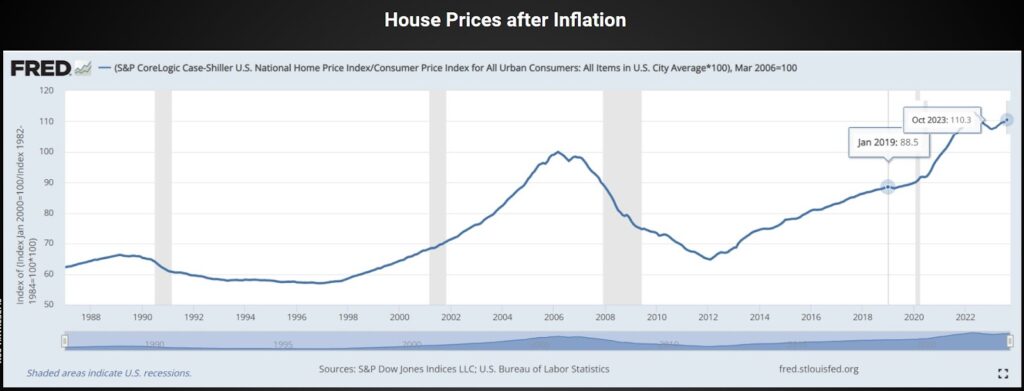
Examining the data provided by institutions such as the St. Louis Federal Reserve reveals that U.S. housing prices have risen by approximately 25 percent when adjusted for inflation since the beginning of 2019 relative to average wages and general consumer goods. Interestingly, when viewed on a broader timeline, prices are only about 10 percent higher than the previous peak recorded in early 2006. While this surge represents a significant hurdle for prospective buyers, financial analysts note that it does not entirely extinguish the mathematical viability of achieving early retirement.
However, national averages often mask stark regional disparities. In popular markets like Longmont, Colorado, median home prices have escalated drastically over the past decade, far outpacing local wage growth. This divergence forces a reevaluation of how individuals approach housing decisions, urging a shift away from the cultural assumption that one must remain anchored to their birthplace regardless of economic feasibility. Just as consumers do not expect to automatically afford luxury tech products simply because they live near a corporate campus, advocates suggest that housing must be treated as a mobile economic choice subject to supply, demand, and personal priorities.
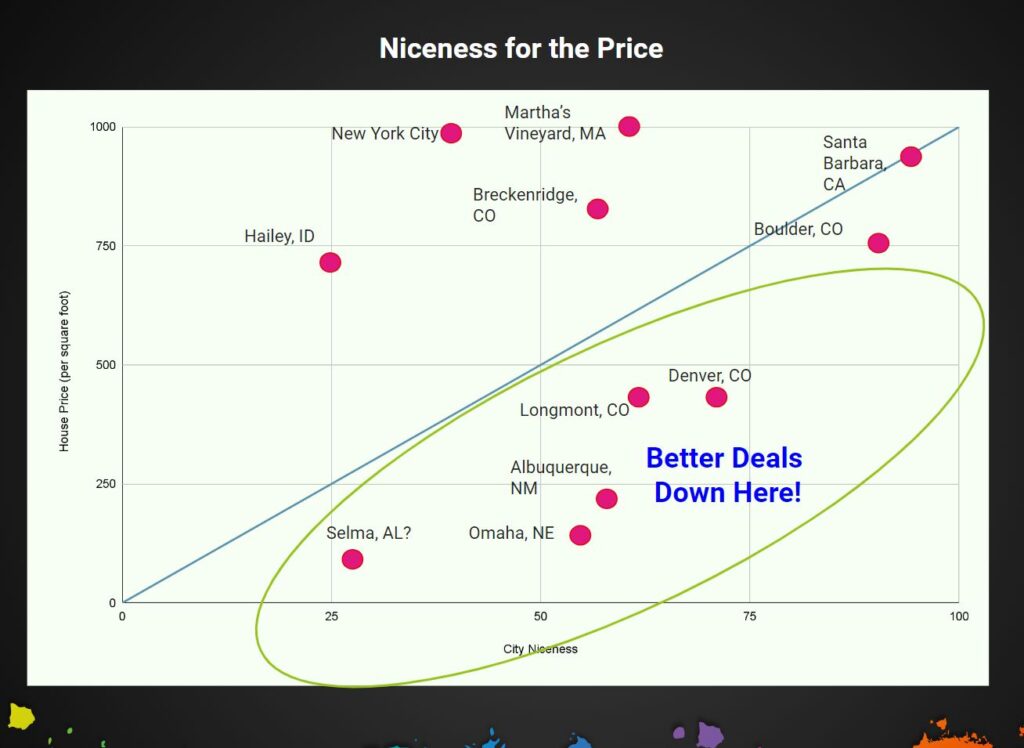
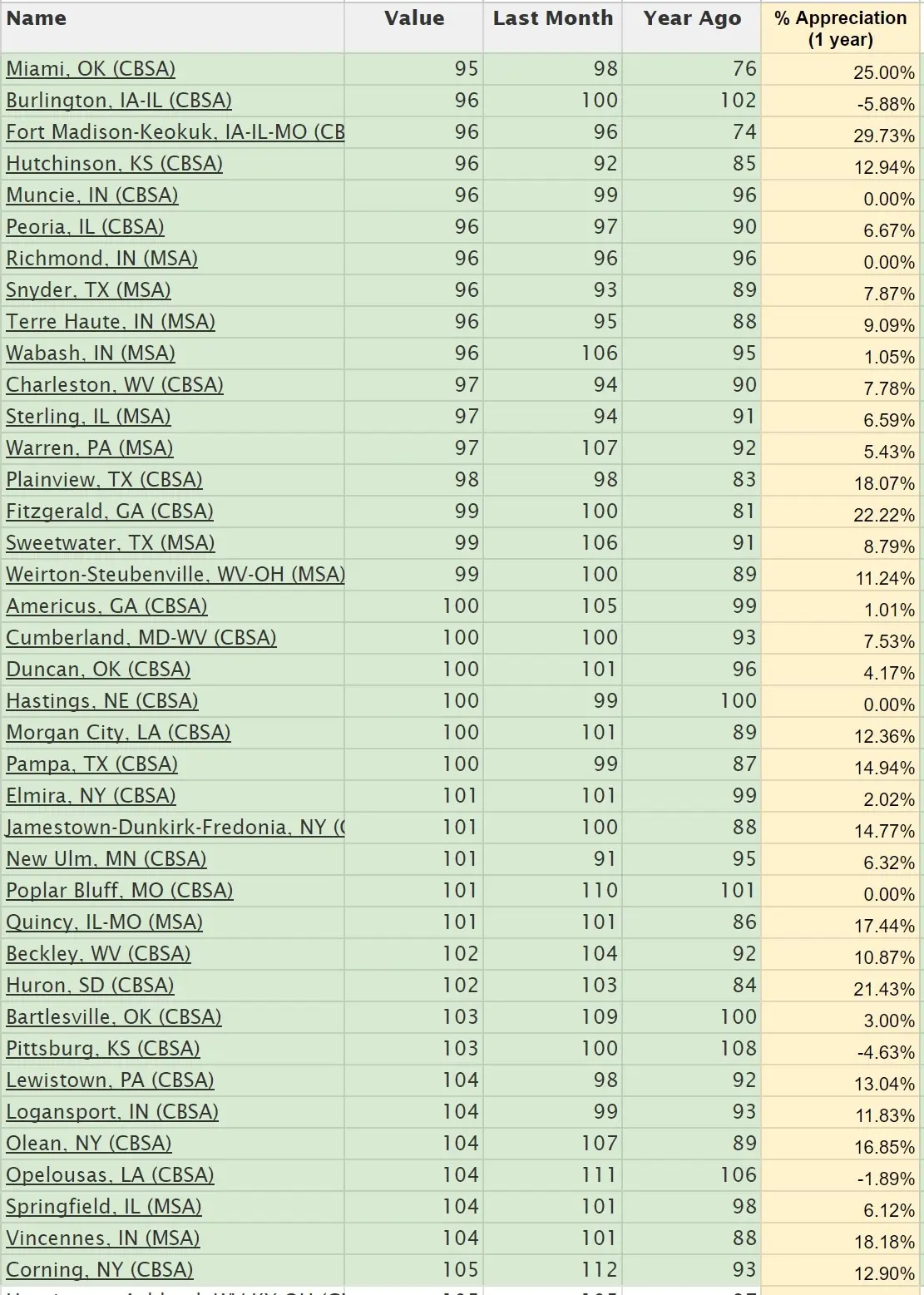
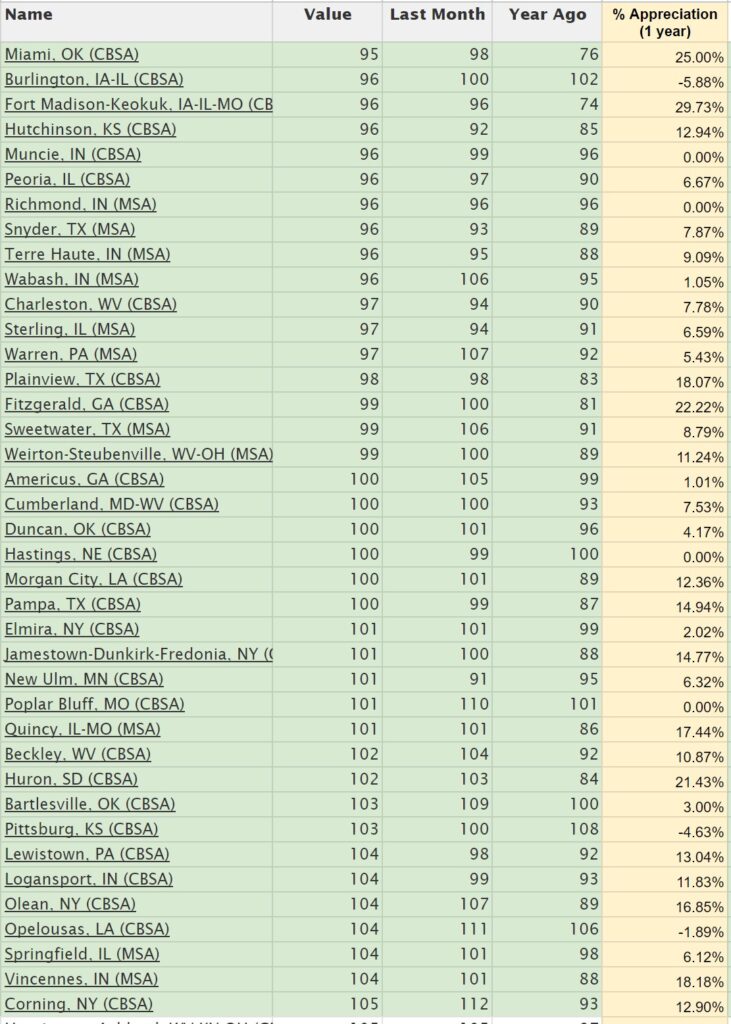
To navigate these challenges, financial strategists recommend utilizing comprehensive data tools to evaluate housing costs on a square-foot basis across different metropolitan areas. By analyzing cost variations nationwide, individuals can identify regions that offer desirable amenities, favorable climates, and community structures at a fraction of the cost found in overvalued coastal or mountain enclaves. Data compiled from federal economic databases highlights a wide band of mid-sized and affordable metropolitan areas where housing remains significantly more accessible.
Expanding the search beyond domestic borders has also become an increasingly popular strategy within the community. Platforms designed to help prospective retirees compare international cost-of-living metrics, such as monthly budgets, climate preferences, and apartment availability, have broadened the horizon for those seeking financial independence. Exploring regions in North and South America allows individuals to weigh the true value of their physical environment against the financial strain of remaining in high-cost localities.
While relocating internationally or to a different state involves navigating administrative hurdles—such as understanding foreign residency requirements, local laws, and documentation processes—advocates argue that these challenges pale in comparison to the long-term cost of remaining in an unaffordable location or extending one’s working life by decades. The core message centers on the idea that housing and geography are active choices rather than fixed constraints, rewarding those who are willing to apply deliberate research and effort to their living arrangements.
As the financial independence conversation continues to evolve, community leaders emphasize that the ultimate goal is not adherence to a rigid set of historical rules, but rather the cultivation of a thoughtful, adaptable mindset. By leveraging available economic data, critically assessing geographic options, and focusing on intentional spending, a new generation of savers may find viable pathways to financial independence that reflect the realities of the modern economy.