
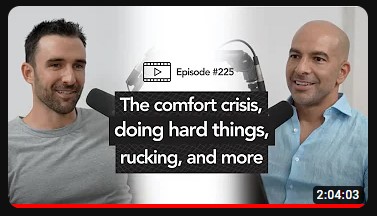
It often begins with something small—a podcast episode, a passing recommendation, or a headline that catches the eye just right. For one prominent voice in the personal finance and lifestyle movement, the journey started while listening to an episode of Peter Attia’s widely followed podcast. The guest was Michael Easter, a young writer promoting a new book, a figure initially dismissed as perhaps too detached from the realities of everyday life. Yet, the central theme of the conversation proved impossible to ignore.

The title of the book, "The Comfort Crisis," struck a profound chord, serving as a concise summary of a philosophy that has been championed for over a decade: the idea that modern society’s primary issue is not a lack of resources, but rather a dangerous excess of ease and overindulgence. While daily news reports frequently highlight anxieties surrounding personal debt, health crises, and economic stress, a deeper observation reveals a different reality. In developed nations, the average lifestyle has become defined by convenience, a shift that often goes unrecognized despite the subtle damage it inflicts on physical and mental well-being.
Intrigued by the premise, a full review of the subject led to reading Easter’s work in deliberate, thoughtful sections. The author, a former writer for Men’s Health, brings a unique perspective shaped in part by his past personal struggles with alcohol addiction, a battle that runs through his family history. Overcoming that profound test of endurance provided him with deep insight into the broader conflict between comfort and hardship that defines contemporary human existence.

At its core, "The Comfort Crisis" combines rigorous science, cultural commentary, and a compelling narrative structure. The book moves back and forth between Easter’s participation in an exceptionally grueling caribou hunting expedition in the remote wilderness of Alaska and the psychological and scientific data that explains the challenges he endured. This dual approach allows readers to process and apply the underlying lessons to their own daily routines.
One of the central questions the book addresses is why modern suburban environments often breed a peculiar type of hyper-vigilant discontent. The phenomenon where individuals fixate on minor inconveniences, such as neighborhood aesthetic rules or trivial community disputes, is grounded in a well-documented psychological mechanism. Humans possess an innate biological tendency to continuously scan their environment for threats, regardless of how safe and secure that environment actually is.
Scientific research cited in the book demonstrates that when human beings run out of genuine dangers to identify, the brain does not simply relax and achieve satisfaction. Instead, it lowers its threshold for what constitutes a problem, expanding the range of perceived threats. In an environment that is virtually problem-free, people frequently invent things to complain about. This behavioral pattern creates fertile ground for cultural and political friction, where artificial wedge issues emerge simply because individuals lack tangible survival struggles to occupy their attention.
Conversely, the book highlights how resilience is forged in more demanding circumstances. Interviews with individuals living through active conflict zones or populations with significantly harsher daily conditions often reveal a starkly different psychological baseline. Similarly, the generational cycle often observed among immigrants—where the first generation builds resilience and prosperity through hard work, while subsequent generations grow complacent—illustrates how adaptation to comfort shapes human ambition and financial discipline.

Beyond the psychological traps of modern worry, the book explores the profound benefits of spending time in natural environments. Biological wiring responds instantly and powerfully to the outdoors. Studies show that even introducing a single houseplant into a sterile hospital room measurably accelerates patient recovery across a wide range of ailments. The therapeutic impact of stepping into a living forest for hours or days at a time offers a powerful antidote to the sedentary grind of office cubicles and automobile commutes.
Human biology also reveals a deeply ingrained aversion to physical exertion, coupled with a psychological principle regarding the relationship between effort and reward. Statistics on human behavior frequently highlight how easily people default to the path of least resistance, such as the overwhelming majority of individuals who choose escalators over stairs even when both options are readily available. Yet, evidence consistently shows that physical movement, particularly when combined with heavy exertion and natural settings, is one of the most effective tools for reducing the risk and severity of numerous physical and mental conditions.

The contrast between modern habits—such as prolonged sitting, digital entertainment consumption, and reliance on pharmaceutical interventions for lifestyle-induced ailments—and the basic requirements of human vitality is stark. The core prescription emerging from these insights points back to fundamentals: maximizing outdoor time, engaging in heavy physical exertion, minimizing sedentary habits, and reducing the intake of highly processed foods, sugars, and alcohol. While specialized medical treatments remain essential, foundational health begins with embracing the natural challenges the human body evolved to handle.
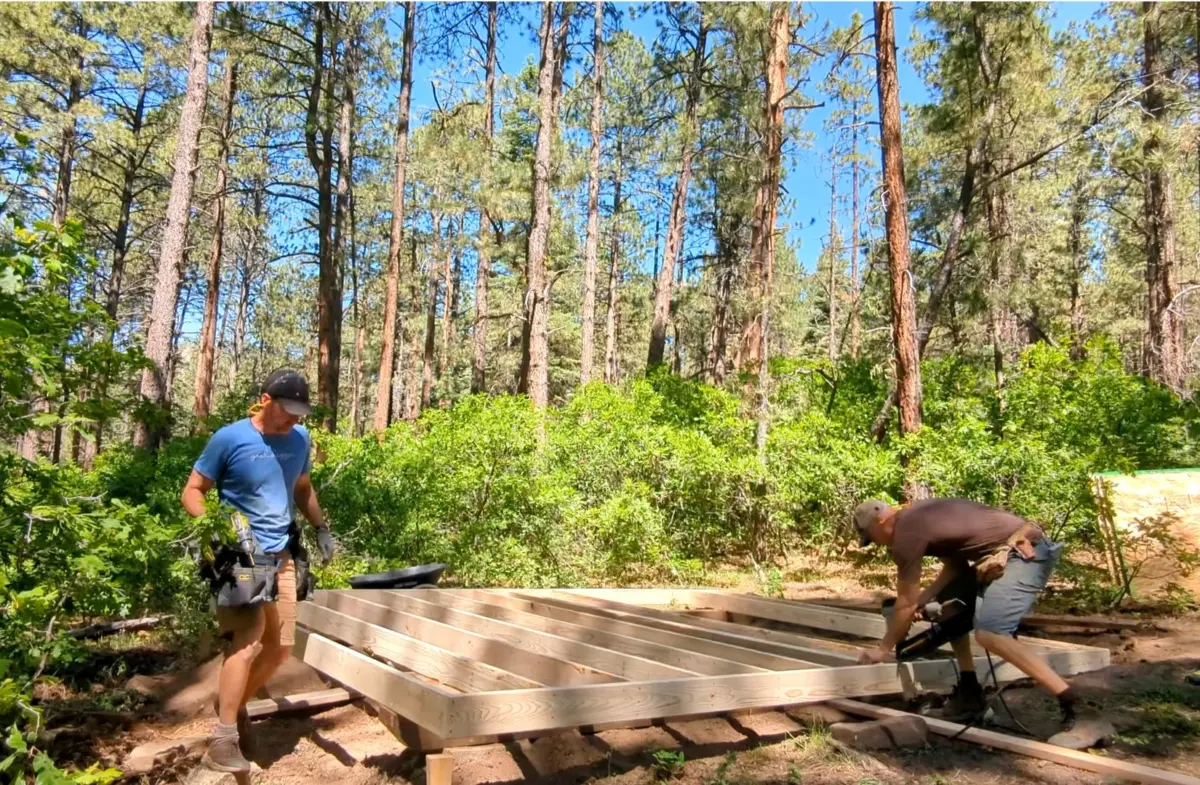
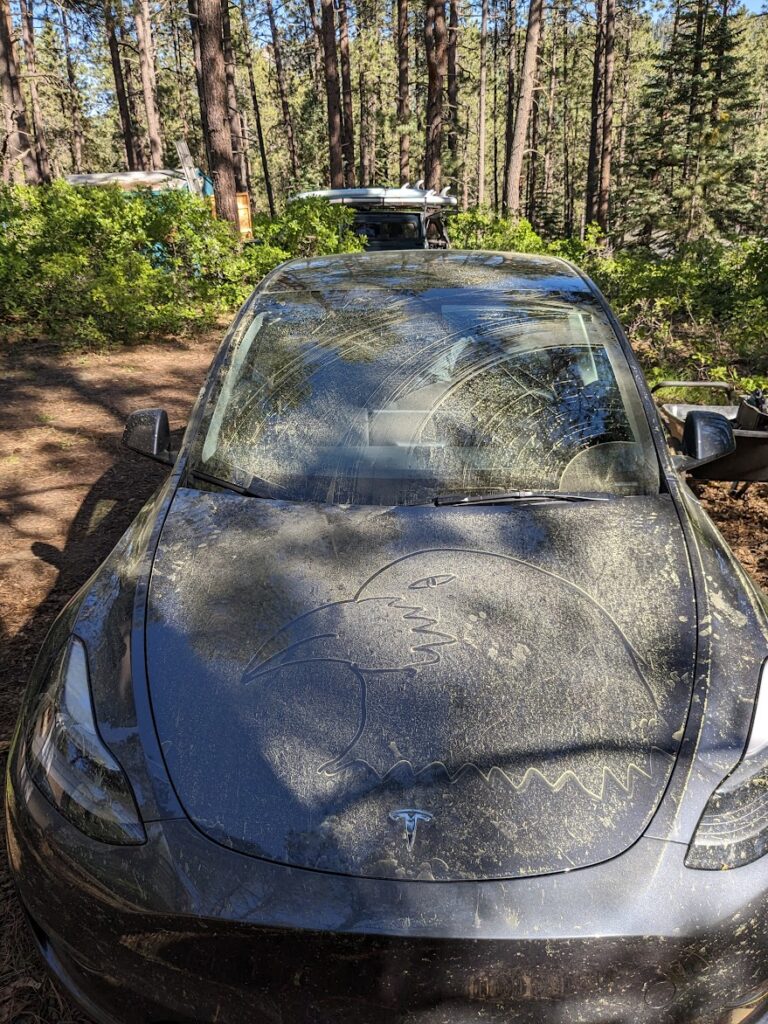
These principles found immediate application during a recent solo journey into the mountains of southwestern Colorado. Packing a minimalist setup into a vehicle to handle construction and repair projects at two distinct properties—a mini-resort in Salida and a developing cabin site in Durango—provided a practical test of endurance. The trip began with immediate obstacles, including torrential mountain rain, a costly traffic citation, and a cracked windshield from a flying pebble on the highway.
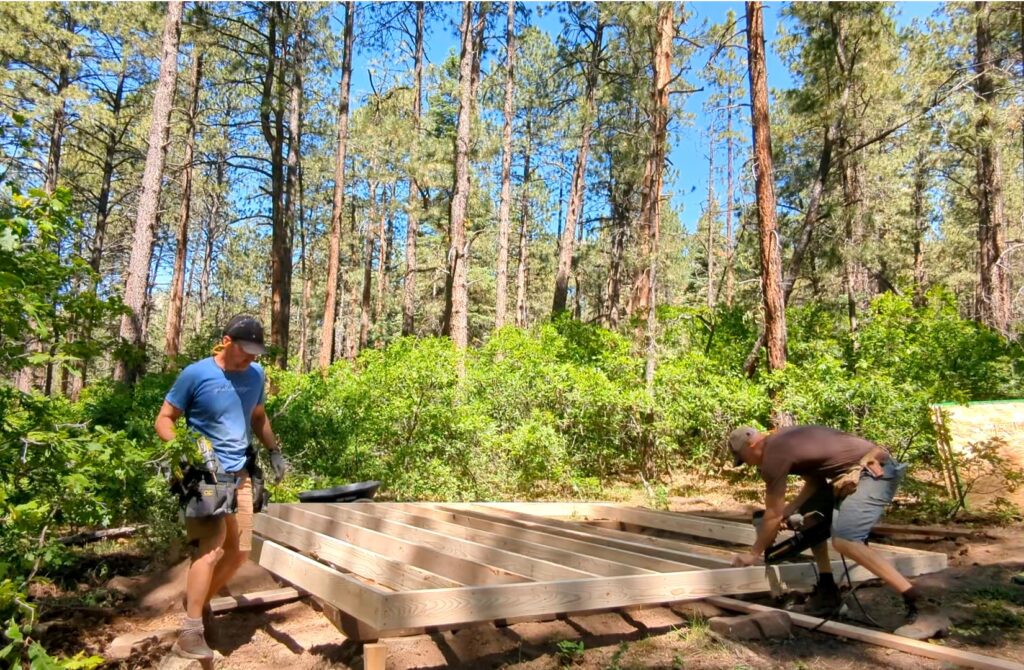
Though these minor setbacks initially disrupted a comfortable routine, they served as a reminder of how easily stability breeds sensitivity to small disruptions. Arriving at the high-desert forest site in Durango meant facing intense summer heat, heavy tree pollen, primitive conditions without indoor plumbing, and strict water conservation. Yet, rather than inducing frustration, the physical labor and sparse conditions fostered a growing sense of capability and resilience.
An afternoon excursion to the remote Lemon Reservoir further tested these concepts. Setting out on paddleboards into a stiff headwind without modern conveniences or communication devices, the journey into the open water was physically demanding and uncertain. Steering away from the shore toward a secluded meadow covered in soft moss and wildflowers offered a vivid reminder of the value of experiencing a landscape directly, relying on memory rather than digital documentation. Floating back across the cold water under the open sky provided a profound sense of tranquility, proving that stepping away from material comforts often leads to the most rewarding mental states.
This period of physical exertion also restored a natural human response to sustenance. Experiencing a steady, healthy level of hunger during days of hard work transformed a standard celebratory meal at the end of the trip into an intensely satisfying experience, highlighting how constant culinary abundance can dull the appreciation of nourishment.
In the broader context of personal finance and lifestyle design, these observations offer a valuable perspective on spending and comfort. While discussions within the financial independence community often center on the balance between frugality and enjoying accumulated wealth, the underlying danger of excessive comfort remains a constant risk. Acquiring tools that facilitate adventure, personal growth, and generosity supports a meaningful life, whereas purchasing items solely designed to eliminate every trace of physical or mental friction can erode personal resilience. The challenge lies in maintaining a deliberate element of constructive challenge, ensuring that life remains engaging even as external circumstances improve.