
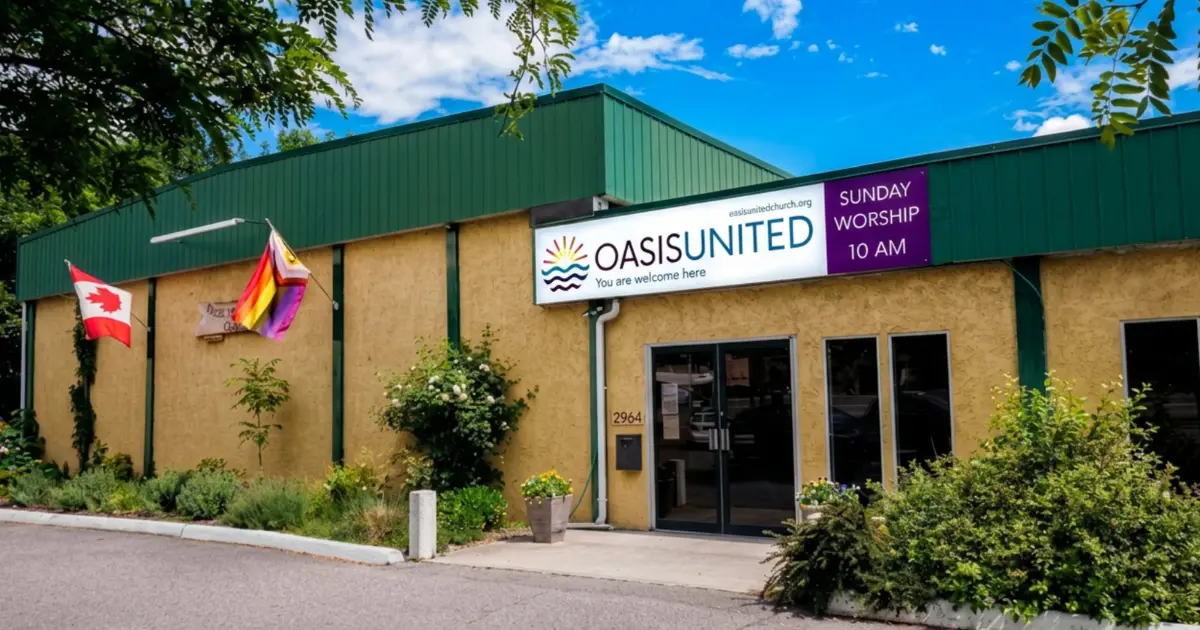
When the COVID-19 pandemic abruptly closed church doors across Canada in the spring of 2020, faith communities nationwide were forced to confront a deeply unsettling and unprecedented question: how do you sustain a living, breathing spiritual community when people are no longer permitted to gather in the same physical space? For many congregations, the immediate shift to digital outreach was viewed purely as an emergency measure—a temporary digital band-aid designed to bridge a gap until normalcy returned. However, at Oasis United Church in Penticton, British Columbia, church leaders and parishioners chose a different path, transforming a temporary crisis response into a permanent, vibrant, and expanding pillar of their modern ministry.
The journey began in the earliest days of the pandemic lockdowns, a period marked by steep learning curves and technological anxiety. Church leaders had to scramble to figure out how to host meaningful online worship services from scratch, while parishioners—many of whom were older adults encountering these platforms for the first time—had to master the intricacies of video conferencing software, learning how to navigate virtual rooms, cope with technical glitches, and master the art of muting and unmuting themselves on Zoom.
What started as tentative experiments in virtual connection has since blossomed into a sophisticated hybrid ministry. Today, Oasis United hosts a popular hybrid Sunday service that has successfully driven physical and virtual attendance up by an impressive 43 percent. Beyond the traditional weekend worship slot, the Penticton congregation now hosts multiple virtual and hybrid events each month, weaving digital tools into the very fabric of daily parish life.
One of the most enduring and beloved digital initiatives born out of that initial lockdown period is the church’s Thursday Zoom café. Operating weekly from 10:30 to 11:30 a.m., this online social gathering was designed to combat the profound isolation of the pandemic. It proved so profoundly meaningful and spiritually sustaining to participants that the congregation continues to host it to this day, years after public health restrictions have lifted.
According to Rev. Keri Wehlander, the minister of Oasis United, this virtual gathering has transcended its original purpose as a mere substitute for coffee hour. It has become an integral part of the heart of the community, offering a reliable space where people have deepened their relationships and gotten to know each other on a much more personal level.
That sense of relational depth has actively influenced the church’s wider programming, leading to a diverse suite of recurring online offerings. In addition to the Thursday social hour, Rev. Wehlander hosts a weekly virtual Living Compassion meeting. This focused group centers specifically on developing greater compassion for oneself and others, creating a shared spiritual discipline in a digital format. The church also holds an online monthly Communion and Contemplative Prayer meeting, ensuring that sacred rituals and quiet meditative spaces remain accessible to those who seek them.
The congregation’s digital calendar also adapts to the changing seasons and holidays. On major occasions such as Christmas, New Year’s Eve, Valentine’s Day, and St. Patrick’s Day, Oasis United holds specialized seasonal virtual events and parties. Rev. Wehlander emphasizes that all of these digital initiatives are intentionally designed to be fully accessible for congregants who face various barriers to physical attendance. Whether church members are currently sick, recovering in hospice care, living far away from the Penticton area, or simply dealing with mobility issues or a desire to stay home in their pajamas on a cold morning, the digital doors remain wide open.
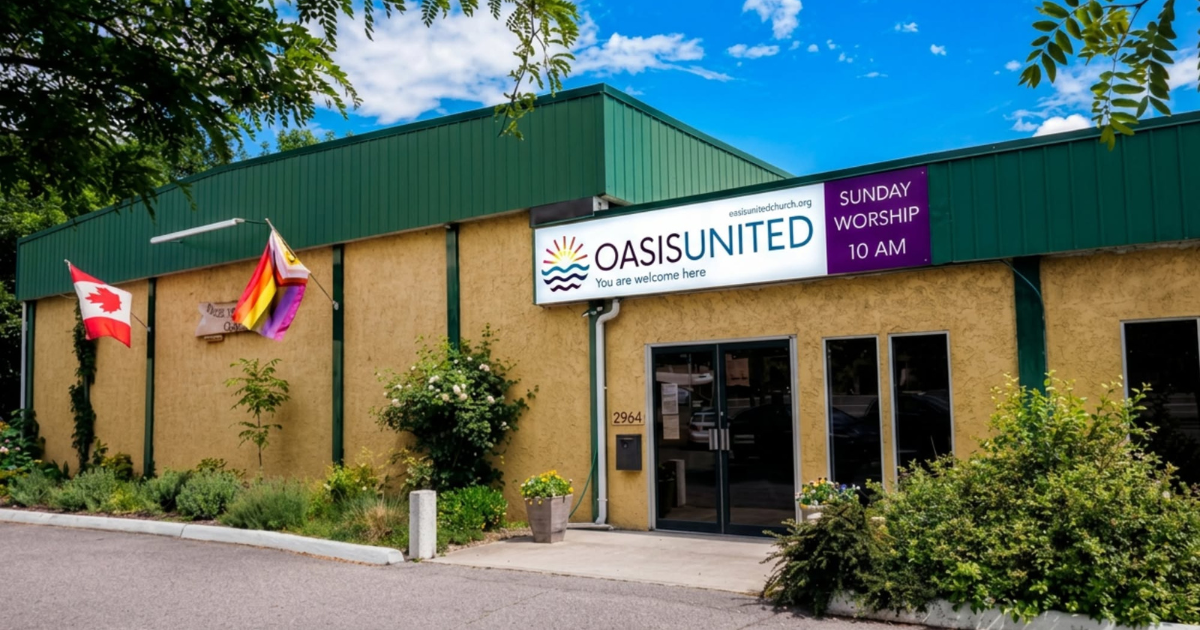
Reflecting on the rapid technological evolution of the congregation, Rev. Wehlander points to a culture of curiosity and resilience rather than pre-existing expertise. It is not that everyone in the community instinctively knew how to manage broadcast equipment, video software, and social media algorithms from the start, she notes; rather, they simply were not afraid of the challenge.
As the church began developing its comprehensive digital programming, leadership recognized that volunteer enthusiasm alone would not sustain a professional-grade broadcast. To bridge the gap, Oasis United hired a dedicated tech coordinator to assist with the production and execution of the hybrid Sunday services. At the same time, regular members of the congregation made a concerted, intentional effort to improve their own digital literacy. Parishioners stepped up to learn new skills so they could actively assist with the technical demands of modern hybrid worship.
Rev. Wehlander credits the success of this transition to the willingness of her flock to embrace discomfort. She has relied heavily on the openness of the congregation to try these new methods, even during the moments when the technology and the learning curve felt difficult and overwhelming.
Financial support also played a critical role in expanding the church’s digital footprint. A targeted grant from the United Church of Canada Foundation provided Oasis United with the resources necessary to develop its online presence far beyond basic video calls. With the help of the grant, the church launched a regular digital newsletter, established an active Instagram page, and began producing and posting dynamic video reels on Facebook.
The investment in social media infrastructure yielded dramatic, measurable results. Since 2020, the church’s Facebook views have surged by an extraordinary 176 percent, while its YouTube views have skyrocketed by 571 percent, extending the reach of Penticton’s ministry to screens across the country and beyond.
For Rev. Wehlander and her congregation, these numbers represent more than just web traffic or algorithmic success; they embody a core theological mission. There is a constant, driving desire to reach beyond the physical walls of the church building and ask fundamental questions about community engagement in the twenty-first century. Leaders frequently return to the core inquiry of how to ensure the church remains connected rather than isolated from the world around it, and how to maintain active involvement with neighbors near and far.
Looking back at the transformation that began during the uncertainty of early 2020, Rev. Wehlander remarks that she can no longer imagine the life of her community without these online offerings. The embrace of digital ministry, born out of a global crisis, has fundamentally reshaped the identity of Oasis United, opening up a multitude of new possibilities for connection, worship, and pastoral care.