
For the first time in more than four decades, Christian churches worldwide have integrated a brand-new festival into their shared calendar of worship, marking a historic moment for global ecumenism and modern faith traditions. On September 6, congregations across various denominations observed the Festival of Creation in Christ, which is also widely known as the Feast of Creation.
The newly established festival centers squarely on Christ’s foundational role in the act of Creation. By observing the day, participating churches formally mark the natural world as sacred, while simultaneously inviting worshippers to deeply reflect on their spiritual relationship with God as the Creator. The introduction of this festival addresses contemporary ecological anxieties, aligning traditional liturgy with urgent modern concerns over environmental stewardship and the climate crisis.
The addition of an entirely new festival to the global Christian liturgical calendar is a remarkably rare event. The last time a comparable addition was made occurred back in 1983. Introducing a new observance into the shared rhythms of worship is not a casual undertaking; rather, it is governed by a rigorous, highly deliberate process overseen by the Consultation on Common Texts (CCT).
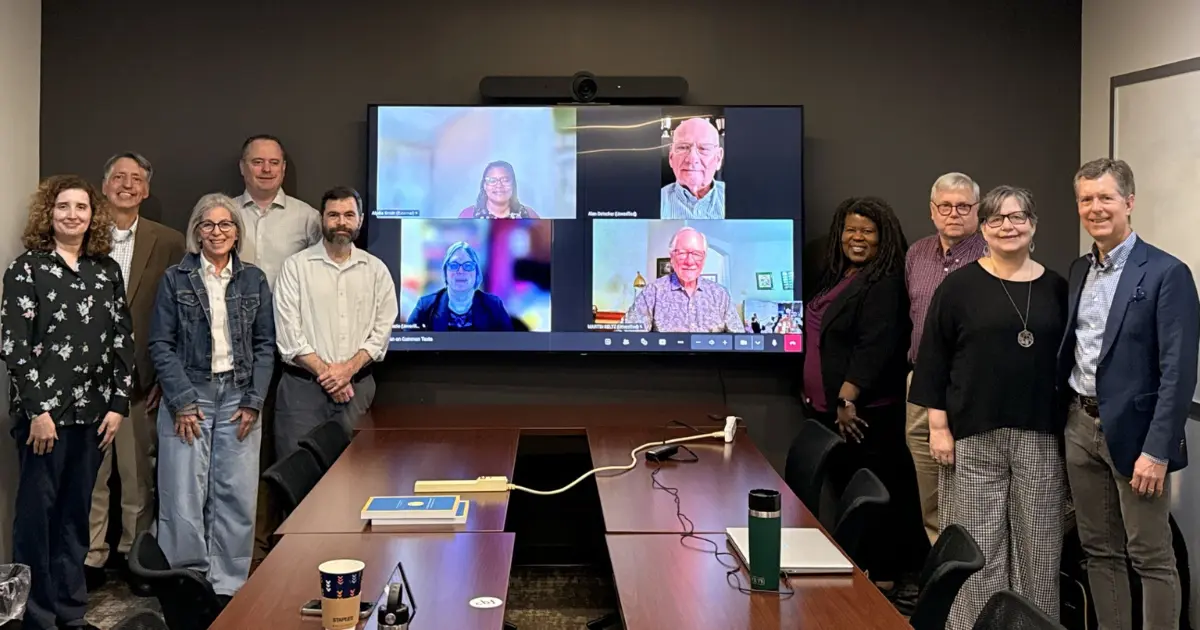
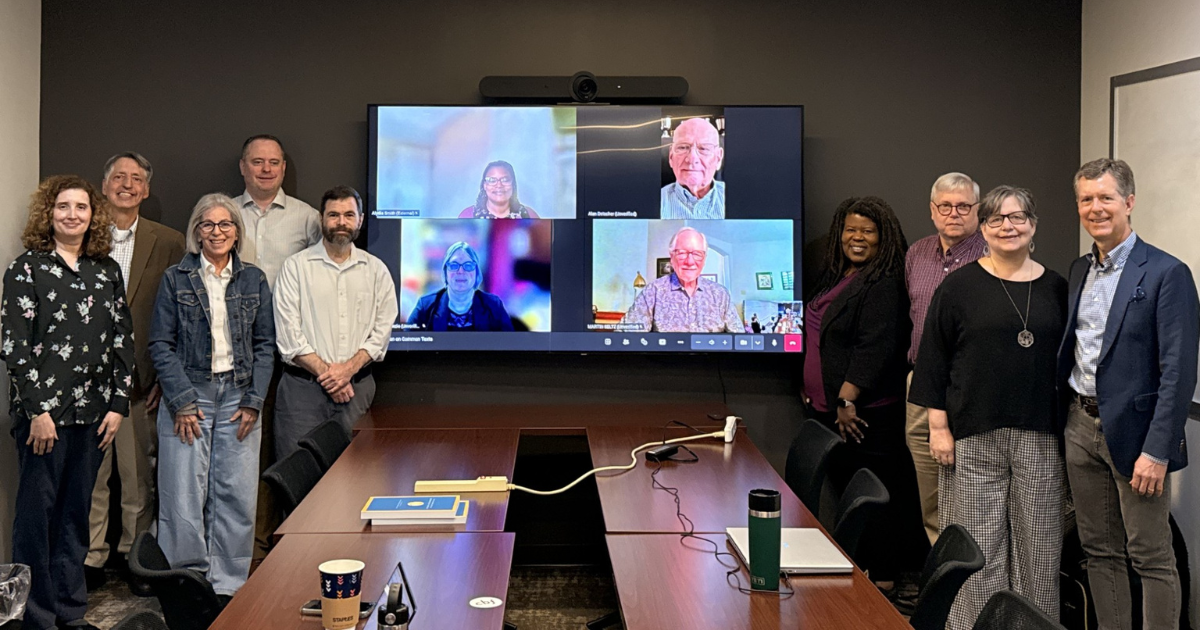
The CCT is an influential ecumenical body comprised of liturgical scholars and official representatives from more than 20 distinct Christian denominations across the United States and Canada, including prominent bodies such as The United Church of Canada. This organization is entrusted with curating the Revised Common Lectionary, the standardized system of scripture readings that guides Christian worship and preaching in numerous traditions around the globe. Recently, the CCT approved a formal three-year trial period for the Feast of Creation, allowing churches to test the new liturgical resources and measure their resonance within local congregations.
Marked annually on the first Sunday in September, the new observance draws its inspiration and historical roots from a much older tradition within the Christian East. The Eastern Orthodox Church has kept September 1 as a sacred feast day honoring God’s Creation since as far back as the eighth century. For centuries, this practice remained primarily an Orthodox observance. However, the modern journey toward a globally shared creation festival gained significant momentum in 1989, when Orthodox leaders issued a passionate invitation urging the entire Christian world to join them in observing the day as a collective response to growing global environmental concerns and ecological degradation.
The path from an ancient Orthodox feast day to a modern trial observance across multiple Western denominations required careful collaboration, diplomacy, and shared vision among diverse Christian leaders. Rev. Alydia Smith, who serves as the identity and mission network co-ordinator for The United Church of Canada and holds the position of secretary for the CCT, played a pivotal role in steering the initiative. Smith helped carry the proposal forward from an ecumenical gathering held a few years ago in Assisi, Italy—a city globally renowned for its association with St. Francis, the patron saint of ecology—all the way to the CCT’s decisive approval of the trial readings this past spring.
Reflecting on the collaborative nature of the initiative, Smith describes the process as a rare and deeply moving experience within modern church politics. Working alongside diverse leaders, she noted a profound sense of mutual respect and shared purpose among participants.
"We all had equal stakes in the game," Smith says, describing how Roman Catholic cardinals, Eastern Orthodox clergy, and Protestant ministers worked together as absolute equals around the ecumenical table. Through these intensive discussions, the committee arrived at a powerful shared realization regarding the intersection of faith and the modern ecological crisis. "We realized that a faithful response to the climate crisis includes us lifting up the relationship between Creation and Christ."
The newly approved trial phase will span the next two years, providing a vital window for churches to gather constructive feedback on the trial readings and evaluate how the liturgical materials resonate in practice. During this period, an ecumenical working group led by Smith, alongside CCT colleagues Lisa Hancock and Rev. Cheryl Lindsay, will be tasked with developing comprehensive new worship resources to support the festival. These resources are designed to help pastors, liturgists, and lay leaders seamlessly integrate themes of creation care, theological reflection, and ecological gratitude into their Sunday services.
If the Feast of Creation successfully passes through its trial period and is eventually adopted on a permanent basis by the participating denominations, it will enter an exclusive tier of Christian observances. It would take its rightful place alongside major pillars of the liturgical year such as Christmas, Easter, and Reign of Christ Sunday, anchoring ecological responsibility directly into the heartbeat of Christian worship and proclamation.
For leaders like Smith, the long-term vision extends far beyond a single Sunday service or a temporary liturgical experiment. The ultimate goal is a fundamental and lasting shift in how Christian communities perceive and articulate their faith in relation to the living world around them.
Looking ahead to the future of the church calendar, Smith summarizes the transformative potential of the new festival with a clear and enduring message for congregations everywhere.
"Five years from now," Smith says, "no matter what church you go into, people will be talking about our relationship with a God who is, who was and is creating."