
The landscape of international mobile connectivity is shifting as travel technology providers move away from single-trip products toward ongoing digital subscription models. Long-term travel specialists and digital nomads have long relied on physical SIM cards, local vendors, or single-destination digital SIMs to maintain internet access across borders. However, industry developments point toward a more integrated approach for frequent flyers who cross multiple international boundaries within a short span of time.
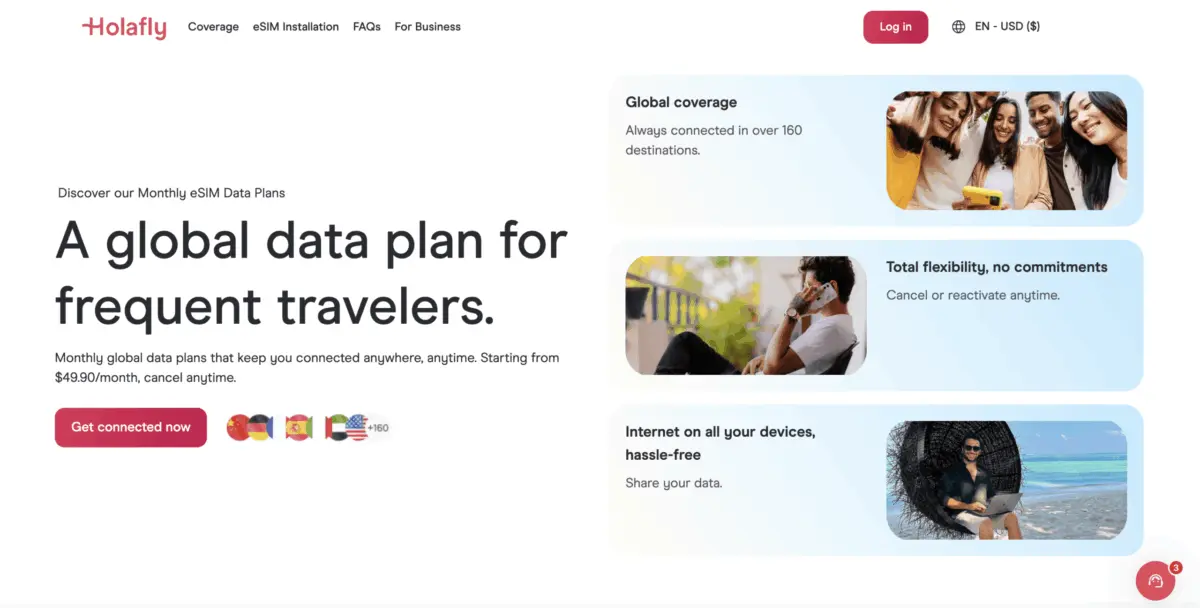
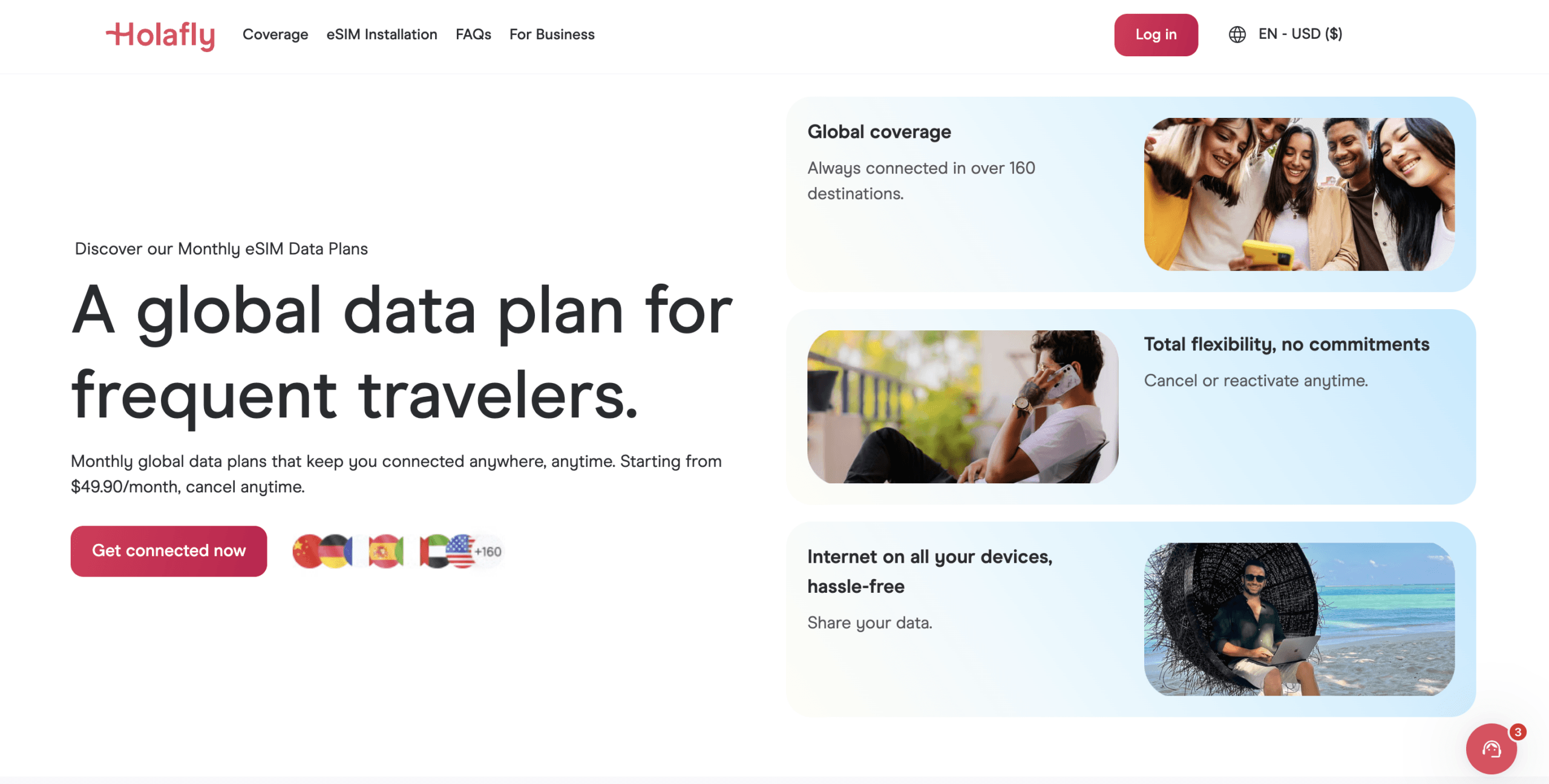
Among companies operating in the embedded subscriber identity module space, Holafly has introduced a continuous global subscription model termed Holafly Plans. Designed to address the friction inherent in traditional travel data management, the product provides a single, ongoing eSIM profile that functions across more than 160 destinations worldwide. Rather than requiring users to purchase, install, and configure a new digital profile for every country they visit, the system maintains a persistent connection that automatically reestablishes network access upon arrival in a new territory.
The introduction of subscription-based international data services reflects broader changes in how remote workers, long-term travelers, and expatriates manage their telecommunications. Traditional mobile carriers in major markets, such as the United States, often charge steep daily roaming fees or impose severe speed caps on international data usage, frequently driving monthly expenses past the one-hundred-dollar threshold. In contrast, emerging eSIM-based alternatives aim to replicate the convenience of a domestic phone plan at a significantly lower cost structure.
What Are Holafly Plans?

Holafly Plans operate as a single global eSIM profile tied to an ongoing subscription rather than a finite duration or a single geographic location. Once installed on a compatible smartphone, the software functions similarly to a traditional domestic carrier, eliminating the need to search for local vendors, swap physical cards, or scan new QR codes every time a traveler crosses an international border.
The service is structured around subscription intervals, offering monthly, quarterly, and annual billing options with no long-term termination contracts required. Within these intervals, the service is divided into distinct tiers tailored to different usage profiles. The Unlimited Plan removes data caps entirely and includes an unrestricted hotspot feature, allowing users to tether laptops and secondary devices while on the move. This tier is engineered for digital nomads, content creators, and professionals who handle high-volume data tasks such as video conferencing, large file transfers, and continuous cloud synchronization. Additionally, the unlimited tier incorporates a local phone number originating from the United States, the United Kingdom, or Canada, facilitating the receipt of SMS verification codes and text messages.
For travelers with more moderate data requirements, the Light Plan provides a monthly allowance of 25 gigabytes while retaining the same hotspot capabilities and comprehensive geographic coverage across more than 160 destinations. This option is geared toward individuals who primarily rely on navigation tools, messaging applications, and casual web browsing.
Both tiers incorporate an automatic backup feature known as "Always On," which supplies one gigabyte of auxiliary data each month. This backup capability remains active for life, even if the user eventually decides to cancel the primary subscription. Pricing structures vary depending on the chosen billing duration, with quarterly commitments offering modest savings and annual plans providing larger reductions compared to standard monthly billing.
Classic eSIMs Versus Ongoing Subscriptions
The market distinction between traditional destination-specific eSIMs and ongoing global subscriptions highlights a broader division in travel habits. Classic eSIM products remain optimized for isolated vacations or single-country trips. For a traveler embarking on a two-week holiday to a specific destination, purchasing a one-off digital profile tailored to that single country is typically the most direct and economical approach.
Conversely, frequent travelers who spend the majority of the year away from their home countries face a different set of logistical challenges. Constantly updating itineraries and purchasing new data packages for each transit can introduce friction and potential connectivity gaps at border crossings. Standing global subscriptions are designed to consolidate these interactions into a single recurring bill, maintaining a unified connection across multiple jurisdictions.
Financial comparisons between traditional domestic carrier roaming passes and dedicated international eSIM subscriptions reveal substantial variances in cost. Major domestic carriers often bill users on a per-day basis for international roaming, which can accumulate rapidly over the course of a multi-week or multi-month journey. Dedicated international data plans generally offer more predictable pricing models, positioning themselves as a cost-effective alternative for individuals who require sustained connectivity abroad without incurring unexpected overage charges.
Specialized Tiers and Supplemental Travel Features
Beyond standard data packages, the travel technology sector has begun experimenting with bundled auxiliary services. Specialized tiers introduced by providers have integrated minor travel-related support features alongside core data connectivity. These offerings typically combine unlimited data, hotspot capabilities, and international phone numbers with low-level assistance mechanisms, such as compensation for delayed luggage or access to basic virtual consultations.
While these comprehensive tiers do not replace traditional, comprehensive travel insurance policies—which remain necessary for major medical emergencies, hospitalizations, or high-value theft—they represent an expanding trend toward bundled utility services within the telecommunications sector. By incorporating supplementary trip-related support directly into the software subscription, providers aim to capture a larger share of the extended-stay travel market.
Market Adoption and Considerations
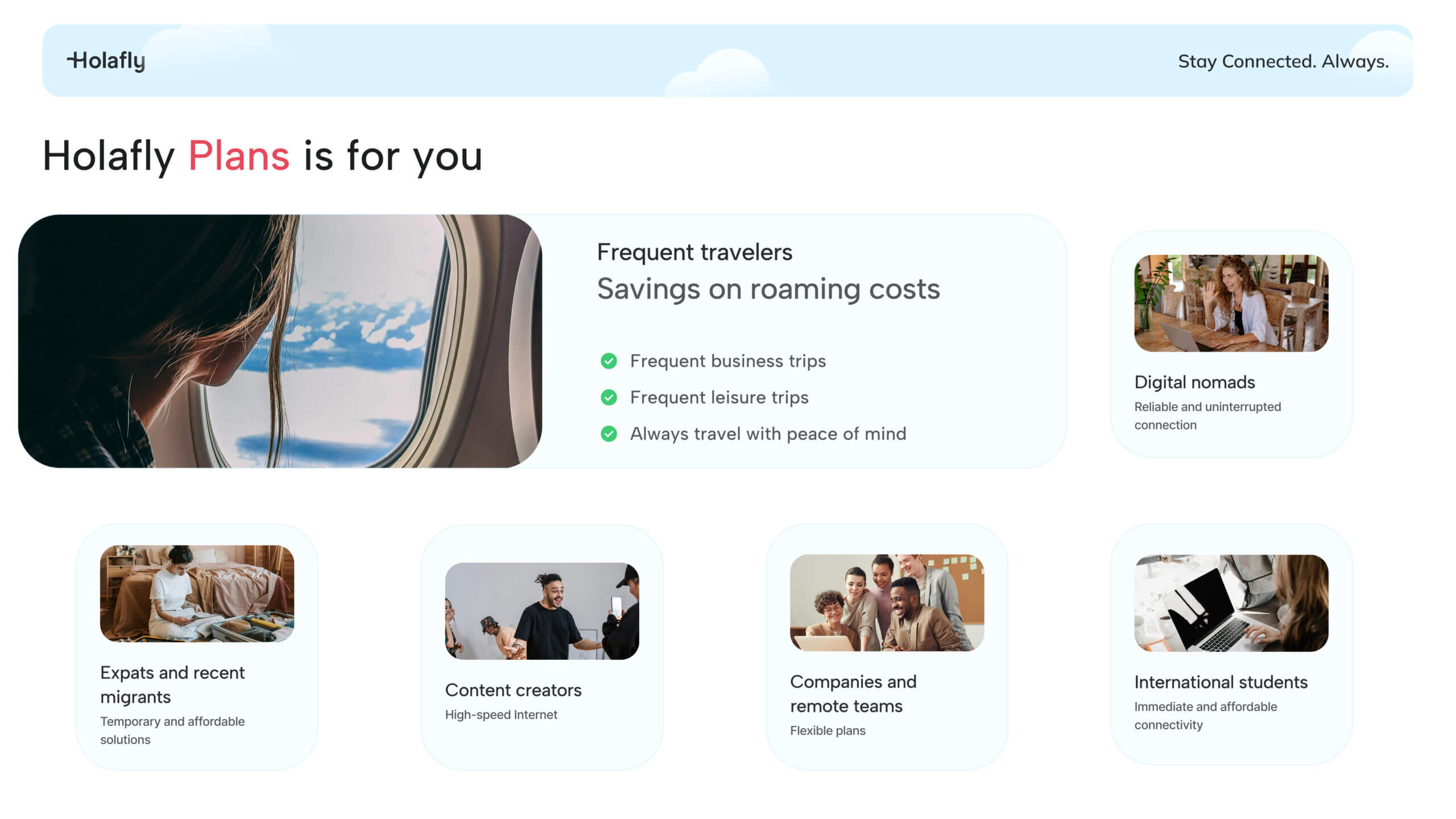
Subscription-based global eSIMs are primarily aimed at a specific segment of the travel demographic. They cater heavily to digital nomads, long-term backpackers, business travelers, and individuals who transition between multiple countries on a frequent basis. For casual tourists taking infrequent vacations, traditional single-trip products remain the more practical and financially sound choice.
Industry analysts note that while software-based SIM technology has simplified the process of managing multiple international carriers, consumer adoption still depends on device compatibility and network reliability in remote or developing regions. As smartphone manufacturers continue to phase out physical SIM trays in favor of embedded hardware, the market for digital-first global subscriptions is expected to expand further, reshaping how international telecommunications are purchased and consumed.