
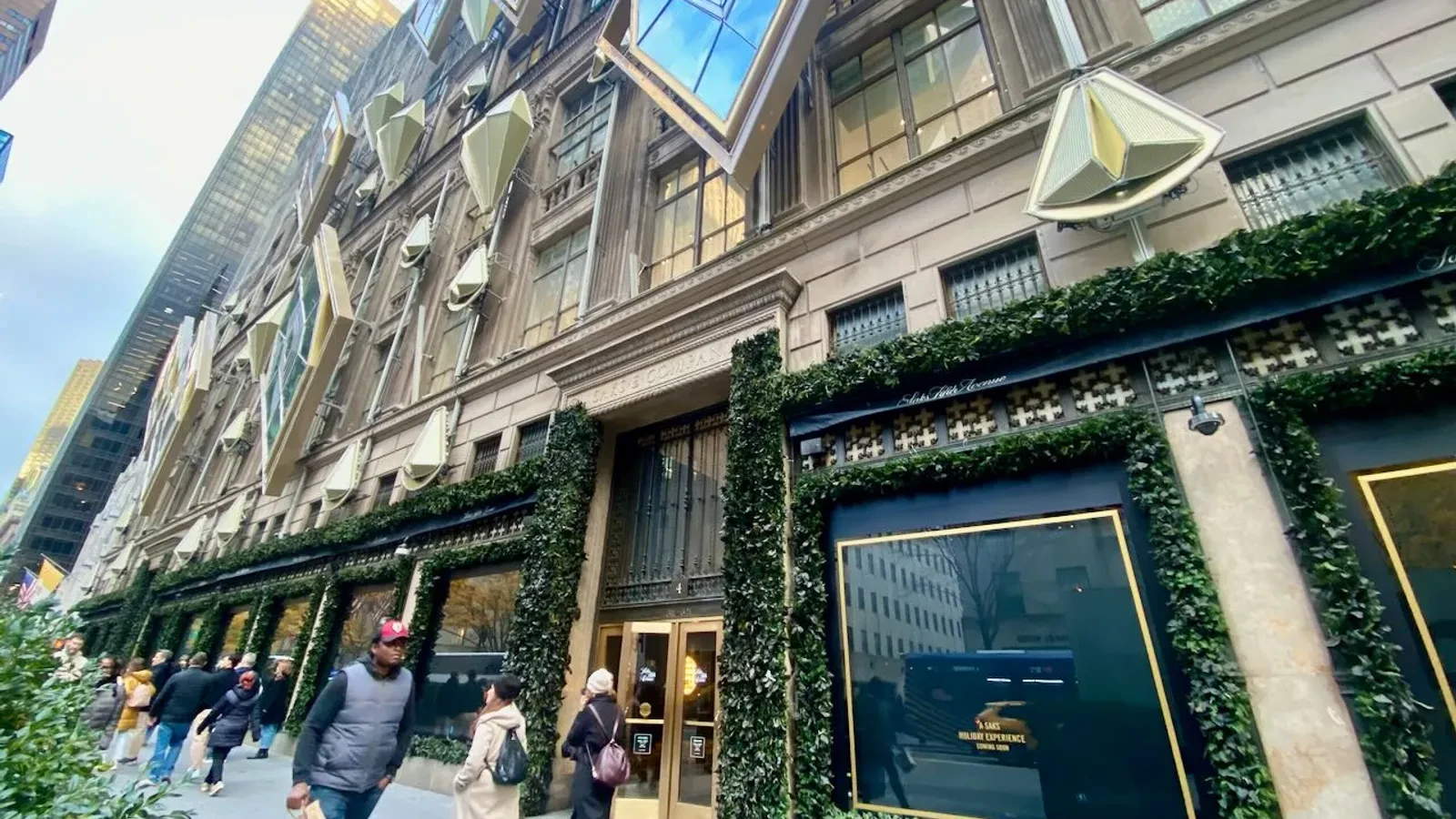
Department stores are naturally in their element during the holiday season, transforming their selling floors with festive decorations, elaborate window displays, and special events designed to capture the magic of the winter shopping rush. With a vast array of merchandise spread across multiple departments, these traditional retailers have long offered consumers the ultimate convenience of checking off large portions of their gift lists in a single trip. According to Simon-Kucher’s 2026 Holiday Shopping Report, department stores are once again poised to be among the top consumer destinations for both browsing and purchasing holiday gifts this year.
"People like department stores," said Michael Appel, president of Appel Associates, highlighting the enduring appeal of the format. "The department store format, outside the United States, is working very well."
Yet, within the domestic market, the upcoming holiday season carries immense weight. While some players in the sector have steadily worked to return to the glory days of the traditional department store model with varying degrees of success, others find themselves facing an uphill battle. Retail analysts credit regional player Dillard’s for its unwavering dedication to retail fundamentals, a strategy that has yielded consistent, albeit lukewarm, results and allowed the company to gain market share during its most recent quarter. Similarly, under the leadership of CEO Tony Spring, Macy’s has demonstrated clear and encouraging signs of a broader turnaround, while Bloomingdale’s has continued to thrive by capturing market share from competitors. Meanwhile, Nordstrom—which recently transitioned to private ownership—also appears to be performing well, though it is no longer required to publicly report its financial performance.
However, the narrative is vastly different for three other major department store stalwarts: Kohl’s, J.C. Penney, and Saks Fifth Avenue. According to retail experts, these three brands have an immense amount at stake during retail’s critical "golden quarter," and they are being watched closely by the industry for any definitive signs of stabilization.
"Kohl’s, J.C. Penney, and Saks are three very different bets, but each faces a critical test this holiday season," said Glenn McMahon, a partner at MAC Advisory and Consulting. "The issue is not simply whether consumers will spend; it is whether these retailers can convert holiday demand into enough profitable sales and cash flow to address deeper business challenges."
Kohl’s

The multiyear turnaround strategy at Kohl’s has been dragging on for quite some time, leaving investors and analysts waiting for tangible results. The pressures were clearly visible last year during the fourth quarter, when net sales fell 4% and comparable store sales dropped nearly 3%, ultimately contributing to a 4% decline in net sales and a more than 3% drop in comps for the full fiscal year compared to 2024.
Despite these ongoing operational headwinds, the company continues to maintain healthy cash flow and operates with a relatively low debt burden. According to David Silverman, senior director at Fitch Ratings, this financial cushion provides Kohl’s with enough leeway to continue funding its protracted turnaround efforts well into next year.
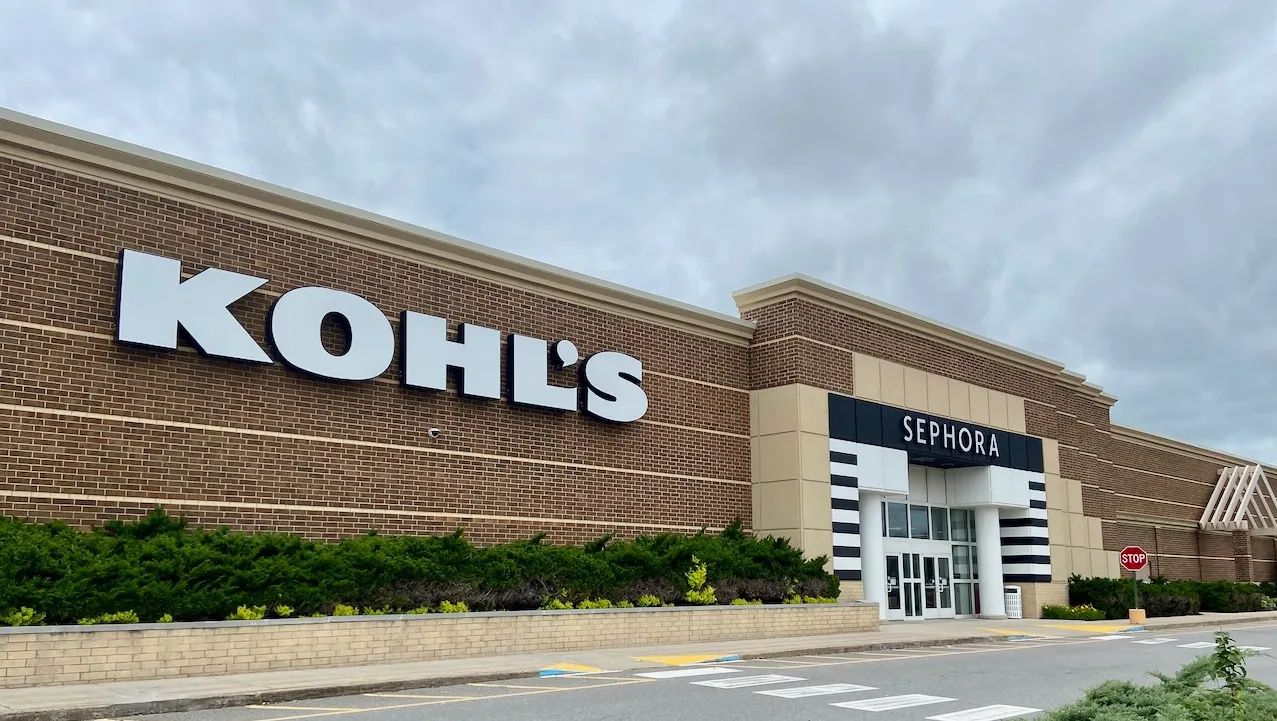
The retailer has also attempted to inject fresh perspective into its leadership ranks, welcoming Ryan Waymire as its new chief merchant last month. Waymire brings extensive industry experience from his previous roles at Walmart, Wayfair, FabFitFun, Amazon, and Target. However, the retailer’s turnaround trajectory suffered a notable setback this year when its high-profile Sephora shop-in-shops—long touted as a primary engine for driving foot traffic and drawing younger demographics—experienced consecutive quarters of sales declines.
This ongoing erosion in sales threatens to further weaken the department store’s ability to compete in an increasingly crowded retail landscape, McMahon warned. As a result, Kohl’s holiday comparable sales, customer traffic patterns, markdown levels, and gross margins will be placed under a microscope.
"Kohl’s needs to give middle- and lower-income shoppers a compelling reason to choose its stores over off-price chains, mass merchants, and online rivals," McMahon noted. "Another weak holiday would raise questions about how much longer Kohl’s can pursue a turnaround without further restructuring."
J.C. Penney
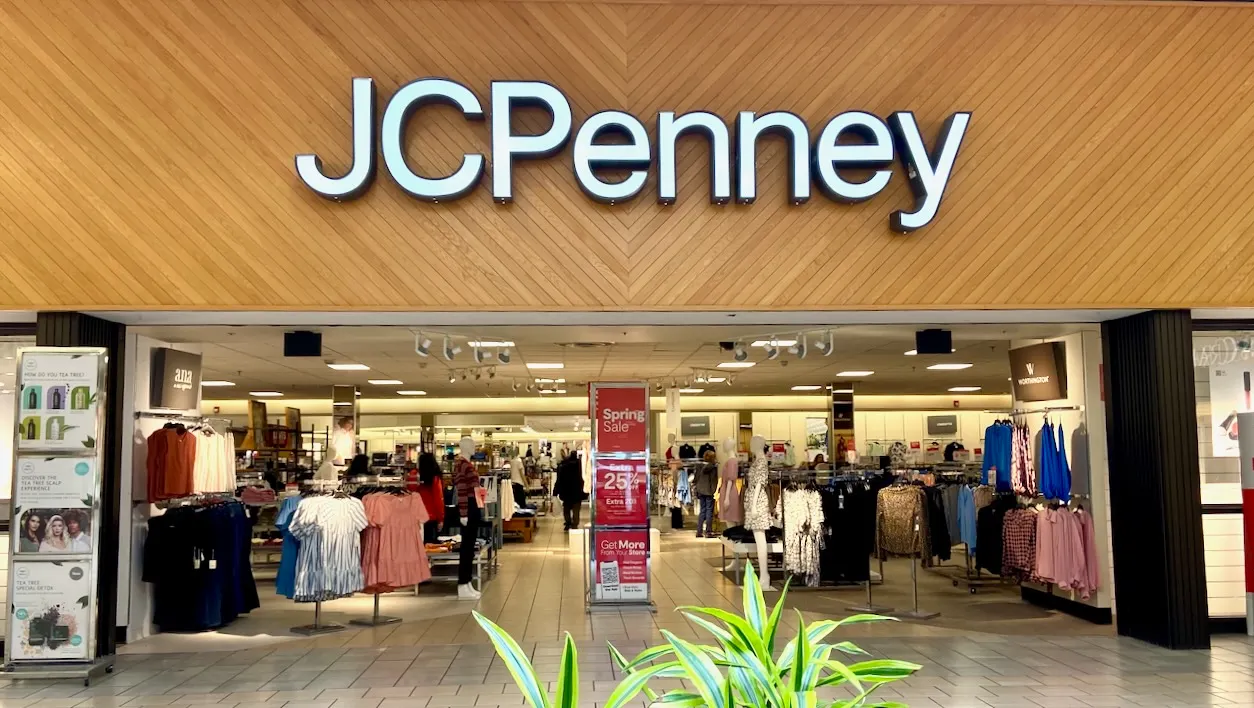
After showing some promising signs of recovery in 2025, J.C. Penney’s turnaround momentum abruptly stalled during the fourth-quarter holiday shopping period. Net sales tumbled 8% compared to the previous holiday season, and those downward trends unfortunately persisted into 2026. In its most recent quarter, the department store continued to lose market share, posting another 8% year-over-year decline in net sales, even though activewear and beauty categories managed to remain relative bright spots.
Operationally, J.C. Penney benefits from its structural placement within Catalyst Brands, a retail conglomerate that includes several prominent names originally operated by Authentic Brands Group. Furthermore, the retailer’s co-owners—real estate giants Simon Property Group and Brookfield (formerly GGP)—have a powerful financial incentive to keep J.C. Penney stores open. Beyond retaining revenue, their presence helps prevent triggering restrictive lease clauses that could otherwise allow neighboring mall tenants to exit or renegotiate their leases. Simon and Brookfield originally acquired the retailer out of Chapter 11 bankruptcy in 2020.
"J.C. Penney’s been on a downslide for a long time, but they’re protected, because of the fact that they need them to be in those malls," Appel observed. "They probably have to invest a lot more money in the stores. They’re treading water in my opinion."
Industry analysts agree that at some point, the retailer will be forced to demonstrate genuine operational improvements, as persistent large-scale sales declines point directly to underlying business model risks, according to Silverman.
"Penney’s holiday performance will test whether its combination of affordability, apparel, home, and beauty can drive traffic and spending without excessive discounting," McMahon said. "The risk is that persistent weak sales and thin margins leave the retailer with too little financial flexibility to invest in its future."
Saks Fifth Avenue
Following a tumultuous 2025 characterized by mounting financial strain and widespread reports of unpaid vendor invoices, Saks Global ultimately landed in bankruptcy court early this year—an outcome that many industry observers viewed as nearly inevitable. The persistent inability to pay suppliers throughout the prior year severely compromised the company’s inventory levels during the crucial holiday shopping quarter, starving its sales floors of the luxury merchandise high-end consumers expect.
Months later, the company successfully emerged from Chapter 11 proceedings under the newly minted banner "Exemplar Luxury Group." The restructured entity continues to operate high-end department store staples Saks Fifth Avenue, Neiman Marcus, and Bergdorf Goodman, while having successfully trimmed its overall debt load to under $1 billion.
"Exemplar [Saks and Neiman Marcus] has the most to prove, following a year in which the company completed a bankruptcy process, changed management teams, and has implemented efforts to improve vendor relationships," Silverman said. "The industry will be focused on the company’s inventory position and ability to re-engage with customers that have defected in recent years."
During the restructuring process, the physical footprint of the core Saks banner shrank significantly. The full-line store fleet was cut in half, leaving the company with just 15 full-line locations and a minimal off-price operation dedicated solely to clearing out excess inventory. Despite this dramatic contraction in physical scale, industry critics question whether the remaining stores are receiving adequate corporate attention. Appel pointed out that the company’s marketing campaigns for the current holiday season appear heavily concentrated around its iconic Manhattan flagship location.
"What about the other stores? If they’re not supporting them equally—and we don’t know the answer—then they’re not going to perform well," Appel cautioned. "And you know what’s going to happen? They’re going to close those stores, and it’s all going to end up being Neiman Marcus. Because they don’t have scale, and they’re using the same buying team for both, which is completely ridiculous."
This strategic shift is vividly exemplified by the recent closure of the prominent Saks store on Michigan Avenue in Chicago. For decades, the location sat directly across the street from Neiman Marcus, with both luxury flagships successfully coexisting and thriving.
"It’s crazy not to have a major store on Michigan Avenue," Appel said. "They might think that by closing Saks, maybe they’ll get a lot of customers going to Neiman’s, but they’re different customers. So I think that’s baloney. They don’t want to make the investment. They’re not taking the long term view."
Broader market analysts similarly view Exemplar as facing an uphill battle this season. The wider luxury retail sector has experienced a challenging year marked by a noticeable retreat among aspirational luxury shoppers. Navigating the preferences of high-end consumers requires immense nuance, and Exemplar’s overall luxury demand, full-price sell-through rates, inventory management protocols, vendor relations, and cash generation will all be closely scrutinized, according to McMahon. Appel predicts that Saks specifically will likely continue shedding market share, with rival luxury destinations like Nordstrom and Bloomingdale’s standing as the primary beneficiaries.
"Strong holiday sales would help, but sales alone will not resolve the larger question: can Saks generate sufficient cash to support its financial obligations and make the combined business work?" McMahon concluded. "A weak season could intensify pressure on an already complicated turnaround."