

Beginning in January, a historic shift will take place in the governance of Georgia’s energy sector. For the first time in three decades, the Democratic Party will hold a majority on the Georgia Public Service Commission, the powerful five-member regulatory board that oversees the state’s utilities, including its largest electric provider, Georgia Power.
The transition follows a series of high-stakes elections held this year and last year, driven largely by intense public concern over rising power bills, the burgeoning energy demands of new data centers, and the broader intersection of household economics and energy policy. With three of the five seats now secured by Democrats—returning Peter Hubbard to the commission alongside newly empowered colleagues Shelia Edwards and Alicia Johnson—the board is poised to enter a radically different era of oversight.
The commission has found itself under unprecedented public scrutiny in recent years. As utility bills have climbed across the state, everyday consumers, advocacy groups, and local communities have begun paying closer attention to a body that was once viewed as an obscure, technocratic regulatory agency. Now, the incoming Democratic majority plans to pivot the commission’s agenda toward affordability, clean energy integration, and rigorous oversight of Georgia Power and other state utilities.
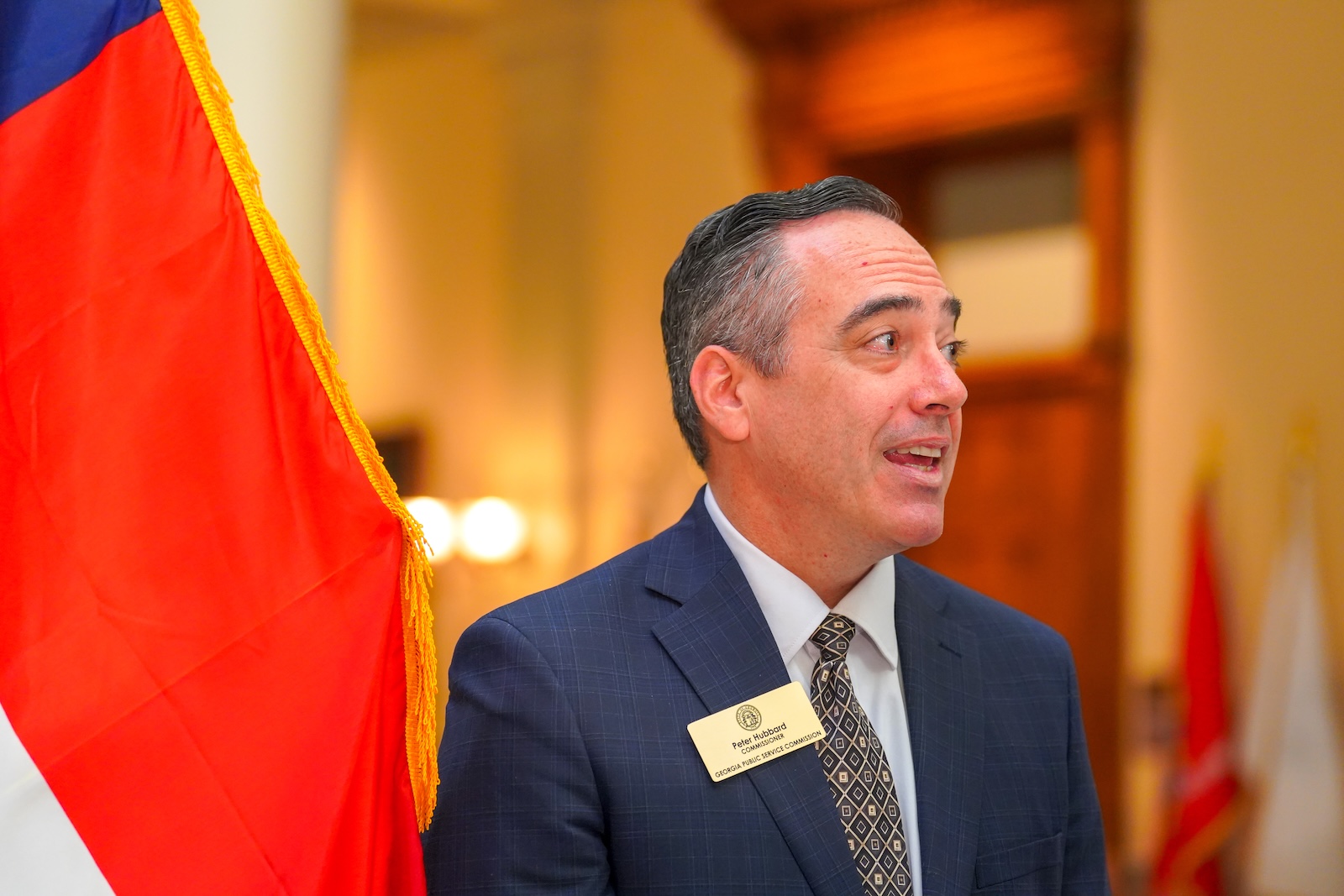
“There’s a long laundry list of things that need to be looked into,” said Democratic Commissioner Peter Hubbard, who successfully won his reelection bid this week. “And so we’ll have to triage, in fact, and decide how best to move forward.”
Among Hubbard’s foremost priorities upon taking office in January will be the launch of a dedicated “affordability docket.” This series of formal hearings will delve deeply into the underlying drivers behind skyrocketing utility bills while actively exploring actionable ways to save customers money. In addition, Hubbard and his fellow Democratic commissioners intend to closely scrutinize upcoming regulatory requests from Georgia Power, particularly those involving proposals to expand energy generation capacity and adjust customer rate structures.
Despite the impending change in leadership, energy experts caution that consumers should not expect immediate relief on their monthly utility statements. The bureaucratic and legal machinery governing utility rates moves deliberately, meaning policy shifts will take time to translate into financial savings.
“We may not be able to expect immediate effects on our wallets,” said Kristin Phillips, an associate professor at Emory University who studies energy burdens and the Public Service Commission. “But I think we can expect immediate change in the types of decisions that are made.”
The historic electoral outcome is the culmination of sustained grassroots organizing and advocacy. Affordability and soaring energy costs served as central, mobilizing issues throughout the recent campaign cycles, transforming the PSC from a low-profile regulatory board into a focal point of state politics.
“We knew that we had to connect the dots between energy and affordability,” said Brionté McCorkle of Georgia Conservation Voters, an environmental organization that actively campaigned for the Democratic candidates and worked to elevate public awareness around the PSC races. “It’s not just this obscure regulatory body like it used to be treated. Its decisions directly affect household budgets, communities, health, and our energy future.”
While consumer advocates and incoming commissioners prepare for a significant shift in oversight, utility executives are expressing confidence in their ability to navigate the new political landscape. Chris Womack, the CEO of Southern Company, the parent company of Georgia Power, addressed the regulatory shift during the corporation’s third-quarter earnings call. While acknowledging that affordability is a central concern for customers, Womack maintained that the utility possesses a strong platform to address these challenges cooperatively with the new commissioners.
“If you look at what we have been doing with rate freezes, with benefits, with how we are providing benefits from growth to customers—existing customers—as well as to the communities, we think that’s a strong platform to stand on,” Womack stated during the call.
At the heart of the ongoing debate between Georgia Power and its critics is the state’s ongoing data center boom. Since the expansion of data infrastructure began accelerating across Georgia, the utility has consistently argued that the massive influx of industrial revenue will more than pay for the new grid infrastructure required to serve these facilities. Georgia Power contends that this dynamic creates what it calls “downward pressure” on electricity prices. Rather than implying that residential rates will actively drop, the utility defines the term to mean that future rate increases will be partially offset by the substantial revenue generated by incoming data centers.
Georgia Power recently doubled down on this economic rationale as part of its high-profile agreement to serve a massive new OpenAI data center. According to the utility, the agreement will yield roughly $15 per month in downward pressure for what it characterizes as a “typical” residential customer, rather than providing direct cash savings.
Separately, Georgia Power has pointed to increased revenue from data centers as the financial foundation for a temporary rate freeze approved by the PSC last year. However, that rate freeze drew sharp criticism from various consumer advocacy organizations. Instead of initiating a formal PSC hearing process that would have allowed public advocates to independently verify the utility’s financial health and claims before implementation, Georgia Power announced the temporary freeze directly. Critics argued that this backward procedural approach left them unable to verify whether the company was genuinely delivering on its promises or adequately shielding ordinary ratepayers from the true costs associated with data center expansion.
This controversy highlights a broader, long-standing criticism frequently leveled against both the commission and Georgia Power: a perceived lack of transparency. For instance, the contract negotiated for the OpenAI data center was kept entirely confidential, with only a heavily redacted summary made available to the public after the agreement had already won approval. Similarly, specific details concerning utility service contracts, wholesale energy acquisition deals, and large-scale construction costs are routinely withheld from public filings under the legal umbrella of trade secrecy.
“I absolutely think transparency is potentially one of the biggest impacts here,” Phillips said regarding the implications of the election results. “It has been often on advocates to push on the way that the PSC communicates about the decisions that it’s making, and I’m hoping that there will be more clarity and transparency.”
Looking ahead, the incoming Democratic commissioners have committed to injecting much higher levels of scrutiny into the next major rate-setting process, which is scheduled for 2028. Beyond electricity rates, the commission plans to review Georgia Power’s long-term integrated resource plans for generating and delivering energy, its forecasting models regarding surging regional demand, and other foundational utility policies.
Furthermore, Commissioner Hubbard has proposed initiating a formal rate case for the state’s natural gas utilities, noting that such a comprehensive review has not been undertaken in more than a decade. As the new majority prepares to take the reins in January, commissioners emphasize that this marks the beginning of a sustained legislative and regulatory effort.
“We’ll continue with an agenda next year and the year after that to take advantage of this four-year period when we have the majority and can push for long-lasting reforms and shifting the direction of the state in terms of energy,” Hubbard said.