
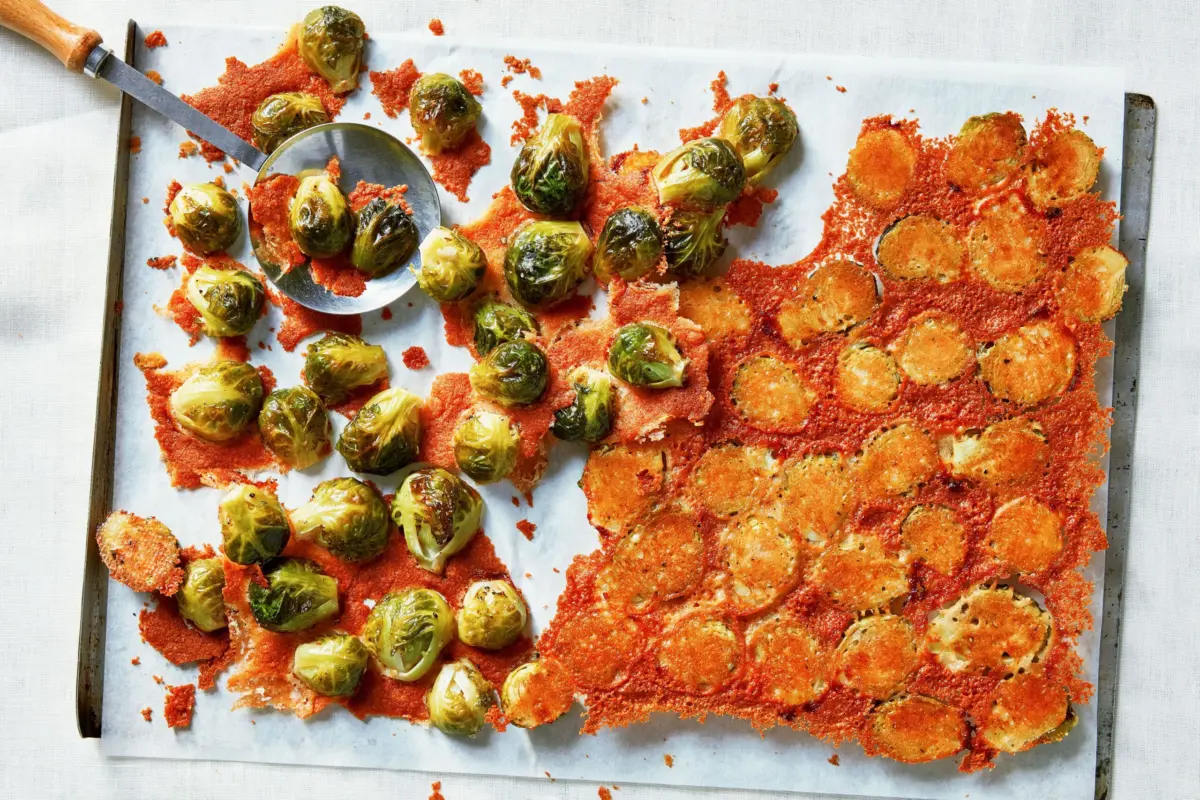
For generations, the culinary treatment of the brussels sprout has been a straightforward affair. Often relegated to the margins of holiday tables or treated as a bitter obligation rather than a deliberate culinary choice, the miniature cabbage has long sought a reliable vehicle to highlight its natural earthiness. Traditionally, a basic slick of oil and a careful sprinkling of salt were considered the only necessary adornments for brussels sprouts to truly shine on the dinner plate. These minimalist techniques certainly allow the vegetable’s inherent flavor profile to emerge, but they rarely elevate the side dish to the status of a centerpiece. That dynamic, however, is undergoing a dramatic shift in contemporary home kitchens thanks to a technique that introduces a crispy Parmesan skirt, instantly transforming the humble vegetable into the belle of the ball.
This innovative yet remarkably simple approach changes the textural and visual landscape of the dish entirely. By roasting brussels sprouts nestled securely into a blanket of grated Parmesan cheese, home cooks are discovering a transformative chemical reaction. As the sheet pan spends time in the high heat of the oven, the cheese undergoes a distinct physical transformation. It melts completely before hardening into a crispy, frico-like sheet that aggressively clings onto the sprouts, surrounding each individual green sphere in a delicate, lace-like halo. The result is a dramatic side dish that manages to be both playful and sophisticated, making a serious statement on any dining table without demanding hours of complex preparation or an intimidating array of specialty kitchen equipment.
The appeal of the technique extends far beyond mere flavor, offering an interactive and visually striking presentation that appeals directly to enthusiasts of playful cooking. When roasted correctly, and when the culinary stars align favorably in the oven, the preparation yields a satisfying mechanical reward. A skilled cook can unpeel the entire sheet of hardened cheese off the pan in one swift, unbroken swoop, presenting it at the table as the culinary masterpiece that it genuinely is. For fans of fun in the kitchen and those who appreciate unexpected textures, this method bridges the gap between casual weeknight cooking and theatrical presentation. The technique relies on the natural fats and proteins in the cheese interacting with the hot metal of the roasting pan, creating an edible lace that contrasts sharply with the tender, steam-cooked interiors of the green vegetables trapped beneath its golden surface.
This preparation belongs to a broader culinary philosophy celebrating effortless execution, a concept championed by food publications and modern recipe developers who advocate for streamlined cooking methods. The underlying ethos is rooted in the belief that remarkable food does not require exhaustive ingredient lists or complicated multi-step procedures. Instead, it champions the idea that exceptional flavor can be achieved through minimalist approaches that respect the integrity of core ingredients while applying one clever, high-impact twist. In this specific context, the philosophy strips away unnecessary complications, focusing solely on the symbiotic relationship between a cruciferous vegetable and a hard, aged Italian cheese that readily surrenders its structure to heat.
The broader conversation surrounding this style of cooking emphasizes dishes that are so remarkably easy to execute that a home cook could theoretically prepare them with absolute confidence, even with minimal focus. The criteria for this category of recipe are straightforward: a tiny, highly manageable ingredient list, exceptionally laid-back techniques that require no professional training, and a finished result so remarkably delicious that it inspires immediate enthusiasm and spontaneous communication with friends and family. It represents a rejection of kitchen intimidation, proving that high-end culinary aesthetics can be achieved through accessible grocery store staples and basic roasting techniques that have been utilized by home cooks for decades.
Culinary experts note that brussels sprouts are uniquely suited for this type of high-heat cheese treatment because of their dense, compact structure and flat-bottomed geometry when halved. When placed cut-side down against a layer of grated cheese on a hot baking sheet, the exposed surfaces of the vegetable create intimate contact points. As the cheese begins to render its oils and toast against the pan, it creates a secure bond with the vegetable, locking the sprout into the matrix of the forming frico. This ensures that every single bite delivers a balanced combination of earthy, roasted vegetable flavor and savory, intensely concentrated dairy crispness.
The widespread interest in elevating everyday vegetables through such methods reflects shifting consumer preferences toward approachable yet visually impressive home cooking. As more individuals seek out ways to make weeknight meals engaging without investing excessive time or labor, recipes that offer a high reward-to-effort ratio continue to capture public attention. Whether served as an unexpected side dish at an elaborate dinner party or as a comforting indulgence during a casual evening at home, the cheesy-skirted brussels sprout demonstrates how a minor adjustment to a classic technique can completely redefine a familiar ingredient. Through the simple marriage of roasted brassicas and melted Parmesan, the humble sprout secures its place not just as a reliable vegetable side, but as an undeniable culinary star.