

In a lawsuit filed jointly by prominent advocacy groups, including the Natural Resources Defense Council and the American Public Health Association, critics argue that the Environmental Protection Agency’s proposed dismantling of the Biden-era power plant rules poses a direct threat to public health and the environment, while undermining national commitments to combat accelerating climate change.
The controversy centers on federal regulations designed to curb emissions from the nation’s aging fleet of coal-fired power plants and newly constructed natural gas facilities. Under the previous administration’s framework, coal plants were given a strict compliance deadline of 2032. Operators faced a stark choice: invest in advanced carbon capture and storage technology to filter out harmful greenhouse gases or shut down the facilities entirely. For newly built natural gas-fired power plants, utilities were required to either install carbon capture systems or restrict the operating hours of the turbines to limit their overall emissions footprint.
However, the political landscape shifted dramatically following the return of Donald Trump to the White House and the subsequent appointment of new leadership at the EPA. The agency’s current initiative to repeal the carbon limits has instantly reshaped energy planning and utility forecasting across the region, where experts say the federal regulations were already beginning to drive a structural transition away from coal.
In Georgia, the impact of the regulatory shift is already visible in the long-term strategic decisions of the state’s dominant electricity provider, Georgia Power. In its 2022 integrated resource plan, the utility determined that retrofitting its aging coal-fired power plants with expensive carbon capture technology was economically unviable, leading the company to schedule the eventual retirement of those facilities. When the political winds shifted and a second Trump administration became a reality, the utility’s planning calculus underwent a rapid transformation.
According to energy analysts such as Maggie Shober of the Southern Alliance for Clean Energy, utility companies across the country began positioning themselves for the repeal of the Biden-era rules long before the policy change was officially finalized.
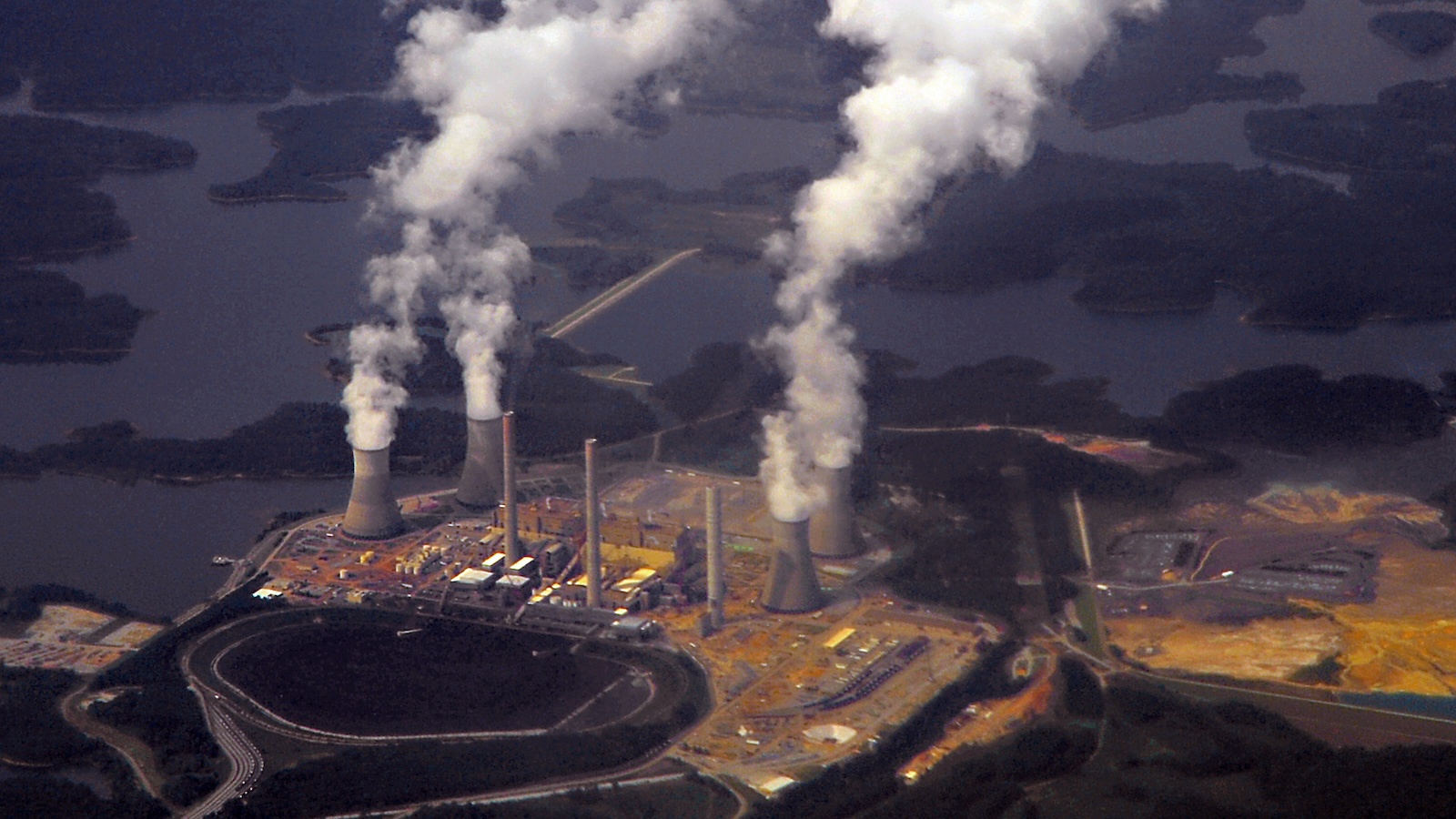
The practical consequences of this shifting regulatory outlook became apparent more than a year ago, when Georgia Power sought and received approval from the Georgia Public Service Commission to reverse course on previously planned coal plant retirements. The utility delayed the closure of multiple units, including one unit at Plant Scherer in Monroe County, near Macon, and three units at Plant Gaston across the state line in Alabama. Federal energy data highlights the massive scale of emissions tied to these facilities. In 2024, the most recent year for which official data has been published by the U.S. Energy Information Administration, Plant Scherer alone pumped more than 8 million tons of carbon dioxide into the atmosphere, while Plant Gaston accounted for more than 2 million tons of emissions during the same period.
Shober noted that even though the federal regulations remained technically active on the books at the time of the utility’s planning decisions, energy operators correctly anticipated that the mandates would not survive under the new administration. This anticipation allowed utilities to roll back coal retirement schedules without factoring in the high costs of installing carbon capture systems.
During contentious resource planning hearings held in 2025—proceedings that ultimately culminated in the postponement of the coal plant retirements—officials from Georgia Power defended their strategy by pointing to the volatile regulatory environment. To navigate the uncertainty, the company ran nine distinct planning scenarios to evaluate its long-term generation needs. Out of those nine scenarios, only three factored in continued compliance with the Biden-era EPA carbon rules, while six completely excluded them.
Jeff Grubb, the utility’s director of resource policy and planning, defended the approach during the hearings, explaining that the diverse modeling scenarios provided a flexible operational framework for the company to evaluate multiple plausible futures and make informed resource decisions.
The final planning agreement approved by state regulators in 2025 ultimately required Georgia Power to pursue compliance with the EPA rule specifically for major facilities like Plant Bowen and Plant Scherer, while also mandating regular status updates to the Public Service Commission. These updates were designed to include the company’s ongoing assessments of the shifting legal and regulatory status of the federal standards.
Despite these procedural requirements, Georgia Power continues to operate several active coal plants. At the same time, the utility is aggressively building out new generation capacity powered by methane gas—commonly referred to as natural gas—to keep pace with skyrocketing electricity demand driven largely by the explosive growth of energy-intensive data centers across the state.
Energy watchdogs warn that the removal of federal emissions restrictions could lead to an explosive rise in pollution from these new generation sources. Without the EPA caps limiting their operation, Shober estimated that carbon emissions from Georgia Power’s newly constructed gas turbines could more than double. Under the previous federal guidelines, the utility would have been restricted to running the new gas turbines for roughly 40 percent of the year, limiting their output to about 4 million tons of carbon dioxide annually. If the EPA’s proposed repeal goes through, allowing those same turbines to operate up to 85 percent of the year, emissions from those sources alone are projected to surge to approximately 8.5 million tons per year.
The EPA’s proposed rule change is not yet finalized, leaving open a mandatory public comment period and setting the stage for protracted courtroom battles as environmental organizations press ahead with their lawsuits to block the rollback. Yet, the unfolding situation in Georgia demonstrates a broader trend: the operational reality for major utility companies is often shaped less by the literal text of federal regulations than by the anticipated political direction of the administration in power.
Representatives for Southern Company, the parent organization of Georgia Power, declined requests for an interview and did not respond to specific inquiries regarding the anticipated rise in emissions. Instead, a corporate spokesperson issued a brief written statement emphasizing the company’s focus on stability.
"We support regulatory certainty with a durable framework that leads to reliable and affordable electricity for our customers," the statement read.
The corporate statement made no reference to Southern Company’s overarching public commitment to achieve net-zero greenhouse gas emissions by the year 2050, leaving public health advocates and climate policy experts to question how utilities plan to reconcile their long-term climate pledges with the rapid expansion of fossil-fueled generation enabled by the federal rollback.