
This story was produced by Grist and co-published with The Kyiv Independent.
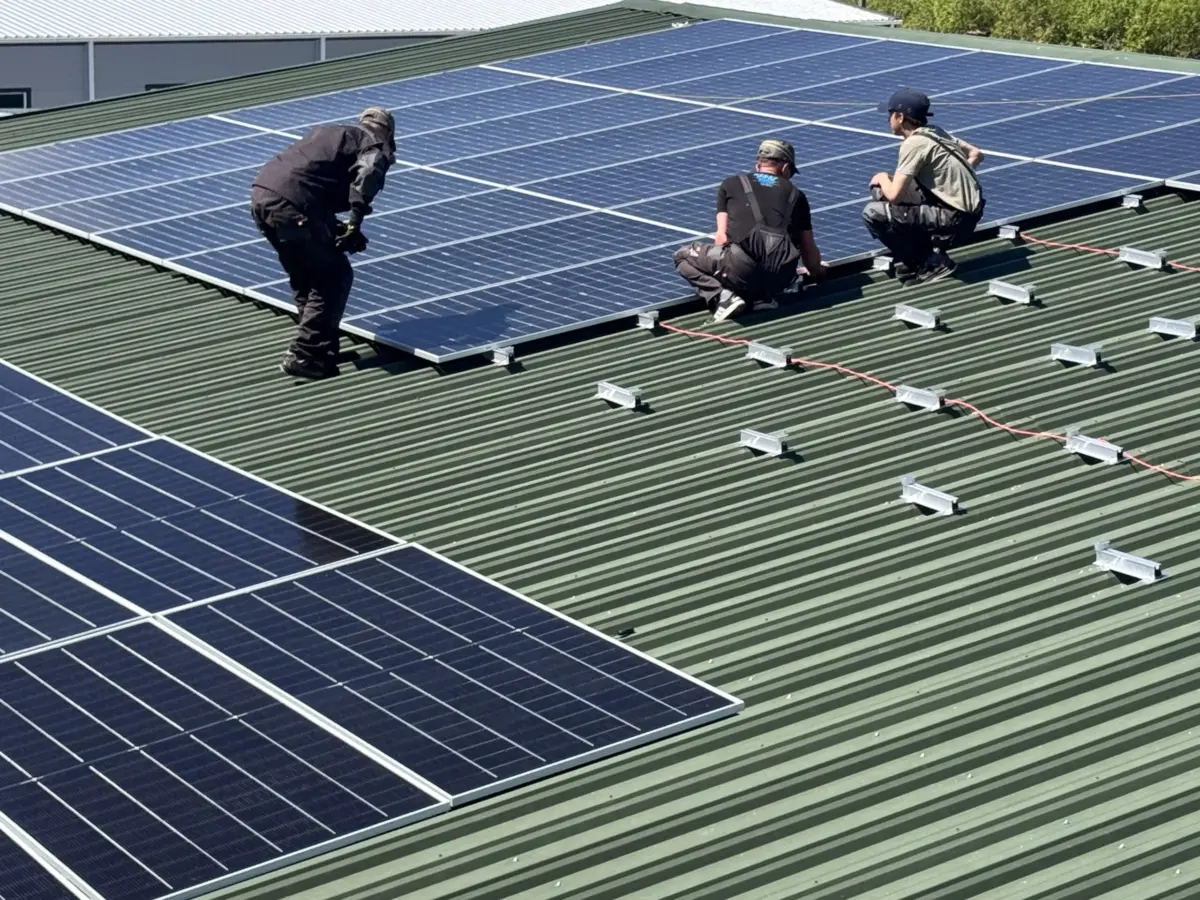
On a crisp spring day earlier this year, a group of 10 men stood intently on the rooftop of a door manufacturing facility located in the central Ukrainian town of Bila Tserkva. They were surveying the clean, orderly rows of solar panels recently installed around them. Since the full-scale Russian invasion began in 2022, this industrial town has endured wave after wave of targeted military attacks, triggering catastrophic and recurring power outages. For a manufacturing plant that supplies vital building materials like doors to homes and businesses across the country, maintaining a steady rhythm of production had transformed into an extraordinary, day-to-day challenge.
The disruptions to the electrical grid were particularly brutal during the winter months, when severely limited power supplies forced grid operators to implement rolling blackouts nationwide. On some of the coldest days, desperate employees resorted to burning discarded wood scraps in a makeshift fireplace just to keep the primary warehouse warm enough to work in. While the facility was equipped with backup diesel generators, they proved exceptionally expensive to run continuously. Growing thoroughly exhausted by their complete reliance on an electrical grid that was being routinely and mercilessly battered by incoming Russian missiles, the facility’s owner, Yaroslav, made a decisive choice earlier this year to pivot toward solar energy.
Switching to solar power will ultimately enable the business to further expand its operational capacity while cutting the cord on total dependence on the general electrical grid. Yaroslav, who requested that Grist use only his first name and withhold precise operational details out of deep-seated security concerns over potential Russian retaliation, noted that the transition offers multi-faceted benefits. It will prove significantly cheaper, far more economical, and considerably more ecological for his enterprise over the long term.
The Push for Decentralized Distributed Generation
In the spring, Yaroslav reached out to Yasno, a major private Ukrainian electricity and gas supplier, to evaluate his commercial real estate and coordinate the installation of solar arrays on his rooftop. Clients working with Yasno typically finance the panels themselves, but many are able to offset the heavy upfront capital expenditures through supportive national government programs designed to absorb a significant portion of the financial burden.
In response to the mounting energy crisis, Ukraine established powerful incentives aimed at actively encouraging businesses and municipal entities to pivot toward renewable energy solutions. Among the most prominent initiatives is the "Affordable Loans 5-7-9" program, which provides low-cost financing options specifically earmarked for the purchase of commercial solar panels and critical supporting hardware. These preferential loans feature highly favorable interest rates capped at 5, 7, or 9 percent annually, depending heavily on the specific classification and scale of the business, and they possess the capacity to cover up to 80 percent of the total installation costs.
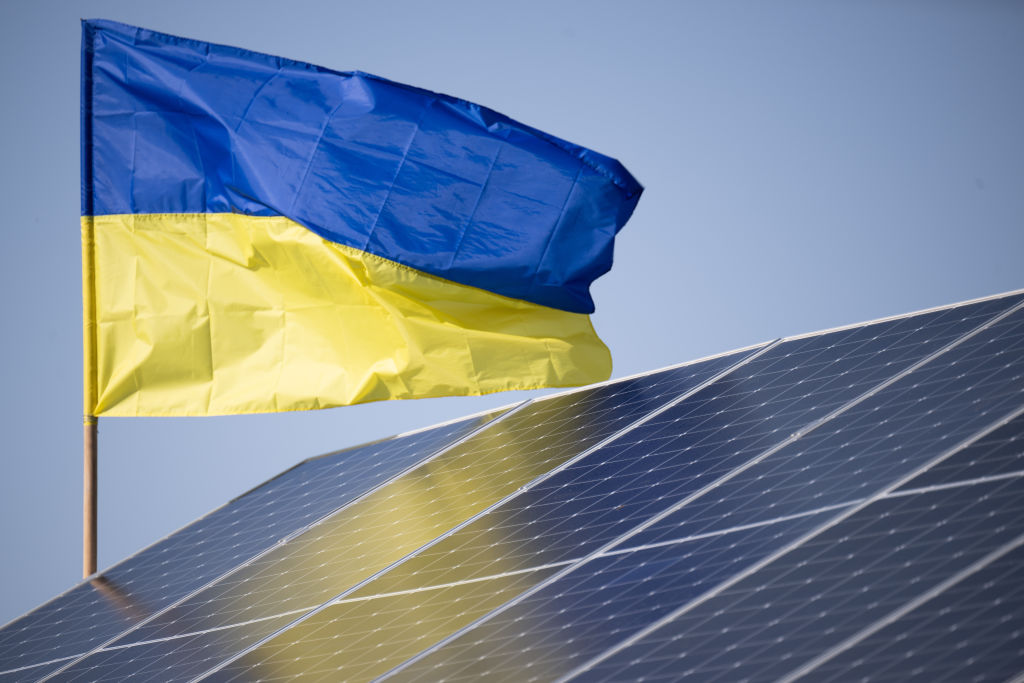
Under the arrangement with Yasno, engineers and technicians ultimately determine the optimal layout for hundreds of photovoltaic modules across the warehouse rooftop before executing the physical installation. This ambitious undertaking represents just one of dozens of similar commercial projects that the company has actively pursued across the country. Over the past two years, Yasno has successfully installed commercial solar arrays at 117 distinct sites, boasting a combined operational capacity of 23 megawatts. Although the energy provider was forced to temporarily pause its commercial solar deployment work during the initial two years of the all-out war, it officially resumed operations in the summer of 2024.
Volodymyr Hershtun, a service maintenance manager with Yasno who personally spearheaded the solar project in Bila Tserkva, explained that Ukraine is rapidly accelerating the development of its renewable energy portfolio out of sheer necessity. As the nation continues to confront a relentless barrage of attacks, building a resilient and decentralized power network has become a matter of national survival.
The enemy is systematically trying to destroy Ukraine’s heavy energy infrastructure, Hershtun noted, pointing out the strategic advantage of the alternative systems being erected. The country is deliberately building assets that are exceptionally easy to restore if damaged, and those modern systems possess the added benefit of being able to store electric energy locally for when it is needed most.
From a Centralized Nuclear Legacy to Vulnerable Grids
Before Russia’s full-scale invasion upended the geopolitical and economic landscape, Ukraine relied almost exclusively on a highly centralized electrical grid heavily dominated by nuclear power generation. More than half of the entire nation’s electricity was supplied by just four major nuclear power plants, while large-scale natural gas and coal-fired thermal power stations generated roughly a quarter of the country’s overall energy mix.
While renewable energy sources made up only a relatively small fraction of the broader energy portfolio prior to the war, the country had actually been aggressively expanding its solar generation capacity in the years leading up to the conflict. This remarkable surge was largely driven by Ukraine’s "green tariff" program, which actively incentivized private households and commercial enterprises to produce clean energy via solar and wind by guaranteeing above-market purchase payments for their generated electricity. Ukrainian law legally guarantees this favorable tariff framework through 2030, and national lawmakers have consistently framed the program as a foundational stepping stone toward seamlessly integrating the nation into the broader European Union energy market.
These aggressive government incentives successfully motivated Ukrainian businesses and citizens to install approximately 8 gigawatts of solar generation capacity by the time the invasion broke out in 2022. However, the systematic, deliberate Russian military campaigns targeting Ukraine’s core energy infrastructure over the subsequent years completely shattered that fragile operational model. Since the onset of the war, high-precision missiles and explosive drones have repeatedly struck power plants, major electrical substations, and high-voltage transmission lines, plunging millions of citizens into darkness and freezing conditions during the harshest months of the year.
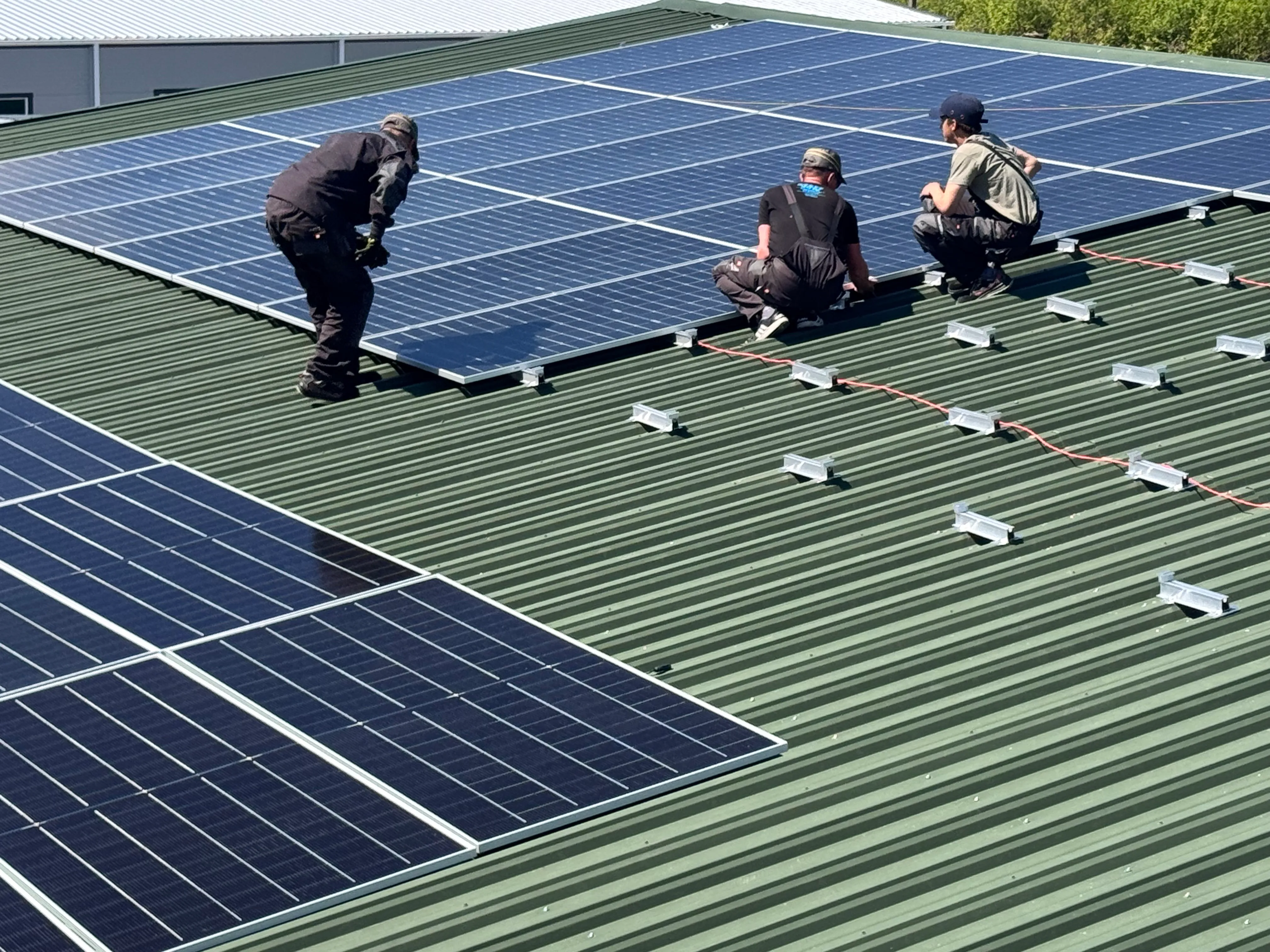
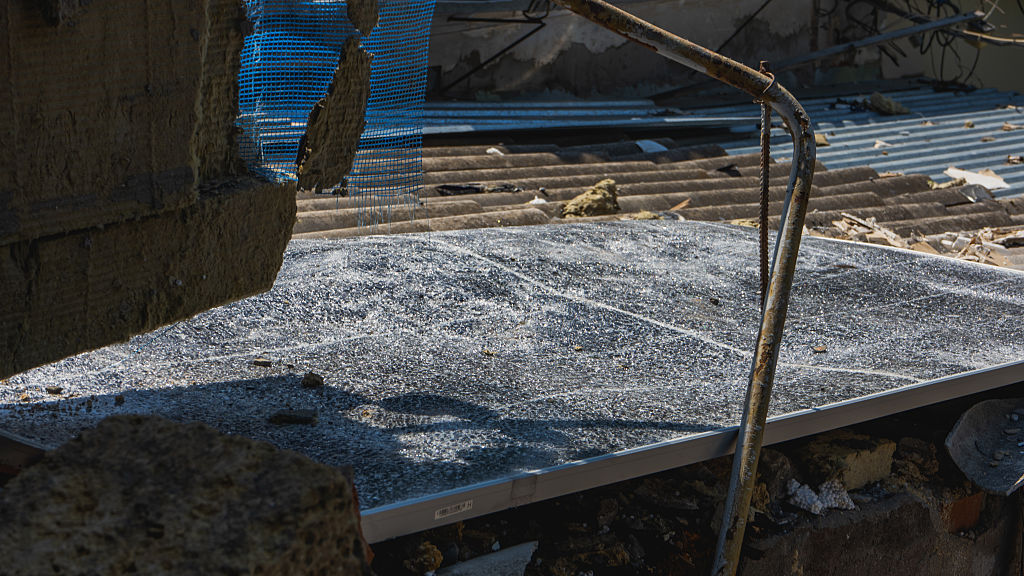
The human and physical toll has been devastating. Roughly 30 percent of the country’s total installed solar capacity, along with the vast majority of Ukraine’s 36 wind farms situated across the southern steppes, have either been physically destroyed, fallen directly under brutal Russian military occupation, or remain completely unaccounted for. Furthermore, the massive Zaporizhzhia nuclear power plant in southeastern Europe—the largest of its kind on the continent—has been forcibly shut down and kept under hostile Russian military control since the earliest days of the invasion. Given the deeply traumatic national legacy of the 1986 Chernobyl disaster, millions of Ukrainians continue to live with the terrifying, constant psychological burden of a potential nuclear catastrophe.
The repeated, calculated assaults on the power grid have inevitably triggered prolonged, agonizing power outages nationwide. Neighborhoods across the capital city of Kyiv routinely endure scheduled electricity rationing regimens that can leave homes and businesses dark for hours at a time. Highlighting the deepening economic and infrastructural damage, Ukraine’s National Bank reported that Russia’s renewed energy infrastructure attacks have severely worsened the nation’s electricity deficit projections, revising the estimated deficit upward from 3 percent to 6 percent.
The Accelerated Shift Toward Distributed Generation
With the fatal vulnerabilities of relying on massive, highly centralized power stations laid bare by falling missiles, Ukraine has pivoted with remarkable speed to accelerate its transition toward smaller, highly distributed sources of electricity generation. These decentralized systems are inherently modular, localized, and significantly harder for enemy forces to completely knock offline. According to estimates from the Solar Energy Association of Ukraine, an impressive 1.5 gigawatts of brand-new solar capacity was constructed across the country in 2025 alone—representing nearly double the total volume installed the prior year—and industry analysts expect 2026 installation rates to match or even exceed that aggressive pace.
Renewables have quite simply become the most obvious, logical choice for Ukraine since the full-scale invasion began and Moscow commenced its heavy, deliberate campaign against centralized generation facilities, explained Anastasia Vereshchynska, director of the European-Ukrainian Energy Agency, a prominent nonprofit organization dedicated to advancing energy efficiency and renewable resources throughout the country.
These critical private and municipal investments are increasingly serving as a lifeline, helping ordinary Ukrainians weather intensely brutal winters. Last year, as temperatures plummeted to a bitter minus 1 degree Fahrenheit, wave after wave of destructive Russian bombardments knocked out widespread electricity and district heating networks. Kyiv, the nation’s capital, was left with a mere fraction of the electricity supply required to sustain basic urban life during the freeze, forcing President Volodymyr Zelenskyy to formally declare a national state of emergency.
Volodymyr, a professional taxi driver living in Kyiv who requested that his last name be withheld for personal safety reasons, recounted how last winter’s strikes plunged his residential apartment building into total darkness and chilled the structure to the bone, leaving his family without reliable heating or hot water. Fortunately, he noted with grim irony, his specific apartment happened to face south, capturing precious natural sunlight for most of the day, which helped keep the indoor living space marginally warmer than neighboring units.
In a proactive bid to minimize the punishing effects of future grid failures, the building’s management company subsequently voted to install a dedicated array of solar panels directly on the rooftop. The setup is specifically designed to keep the communal water boiler running and maintain operation of the building’s elevators during prolonged blackouts, with the project financed through the government’s 5-7-9 loan initiative.
It is a genuinely fantastic thing that the government is covering at least a portion of the financial burden, Volodymyr said. In genuine emergency situations, when the grid goes down, you can pivot directly to the solar panels for power. There is no harm done to the planet, and it is overall an incredibly good thing for everyone involved.
Solar as a Basic Human Right Near the Frontlines
The desperate, pressing need for independent renewable energy systems is felt most acutely in communities located directly along or immediately behind the active war frontlines. As Russian military forces continuously press forward, frontline towns and villages find themselves routinely and permanently severed from the primary national energy grid. Artillery fire and drone strikes persistently shred local power lines, while the constant, deadly threat of incoming fire makes repair work extraordinarily dangerous or physically impossible for utility maintenance crews. Some remote villages have become so perilous that municipal repair teams cannot venture near them at all, leaving residents completely cut off from electricity and isolated from the outside world.
In these exceptionally vulnerable frontline communities, grassroots volunteers and dedicated nongovernmental organizations have increasingly stepped into the vacuum, working tirelessly to install localized solar panels and modular battery storage systems capable of keeping essential community hubs, homes, and small businesses functioning. Denny Ugorchuk, the founder of Kosmo Tabir, an NGO that specializes in helping isolated rural villages secure reliable access to solar energy, explained that heavy financial backing for larger institutional projects is largely sourced from generous international partners in the West, while smaller localized initiatives are sustained through grassroots donations collected directly from Ukrainian citizens. In one such frontline village, a modest array of solar panels installed at a private residential home unexpectedly provided a 50-year-old local woman with the vital electrical power required to attend and complete online university classes.
In modern-day Ukraine, reliable solar panels have transcended traditional concepts of clean energy to become a basic human right, Ugorchuk emphasized. People must retain the fundamental capacity to communicate with one another—being able to pick up a phone to call a doctor or reach the police provides an invaluable sense of security and humanity amidst the ongoing devastation.