
This story was published in partnership with The Intercept.
Leevin Camacho was brushing his teeth one day last fall when his phone rang. It was his mother, calling with alarming news: the water was contaminated. Moments later, she texted him a photograph of an official flyer issued by the local water authority. The warnings were stark, citing an elevated "cancer risk" and an "increased likelihood of adverse impacts on the liver." In bold capital letters, the message delivered an absolute prohibition: "DO NOT DRINK."
Camacho stared at the screen as water continued to flow effortlessly from the bathroom faucets. His children, ages 10 and 12, were nearby, rinsing and spitting, their faces reflected in the mirrors above the dual sinks.
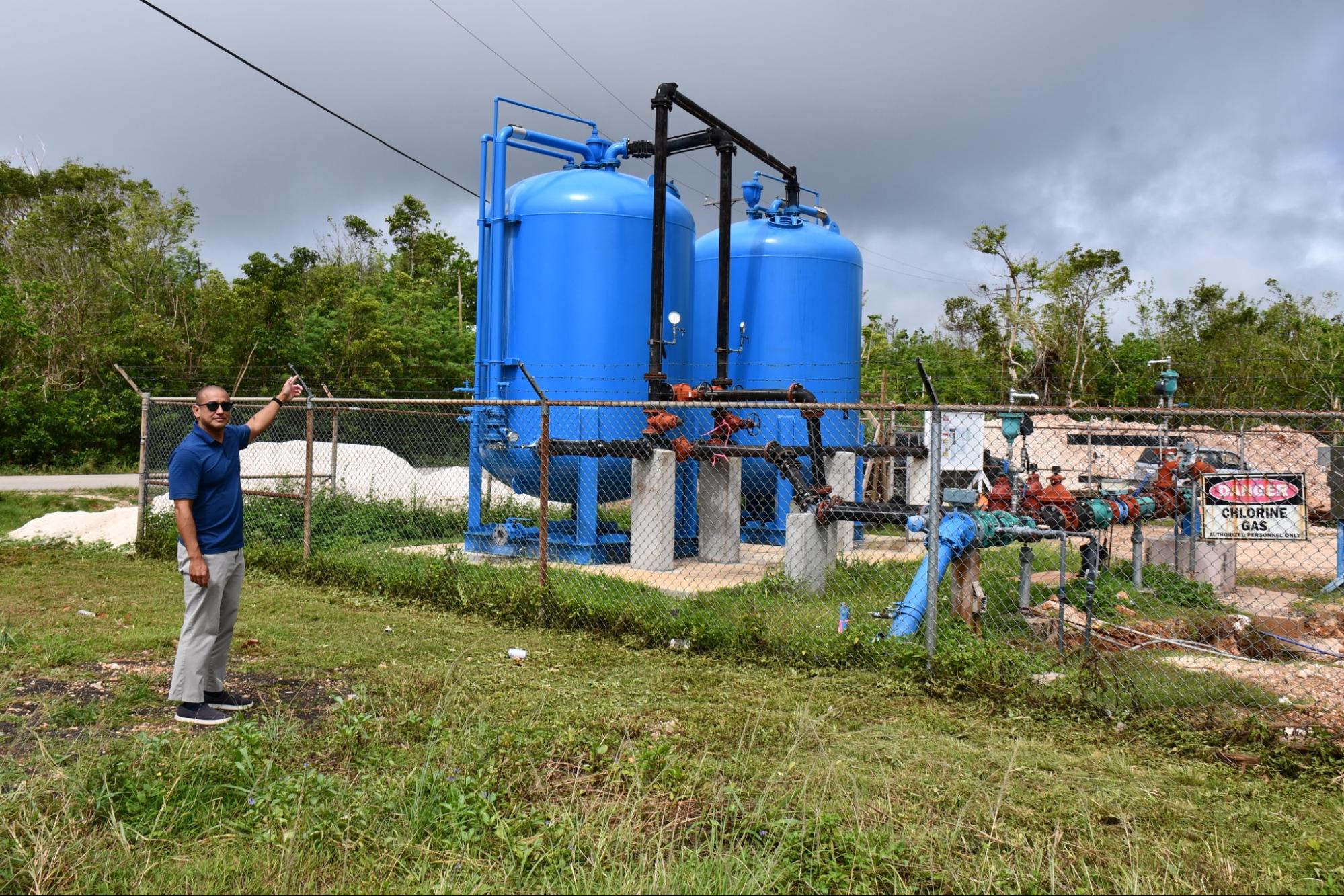
Thumbing anxiously at his phone, Camacho searched online for information about dieldrin. The search results returned sobering terminology: "organochlorine," "insecticide," and "persistent environmental pollutant"—a dangerous chemical that the United States had officially banned back in 1987. More terrifying still, historical records revealed that high levels of the toxin had been detected in his community’s groundwater well since at least 2008. The realization hit him with full force. "Our kids have been drinking the water," he thought. "They’ve been cooking with the water for almost their entire lives at this point."
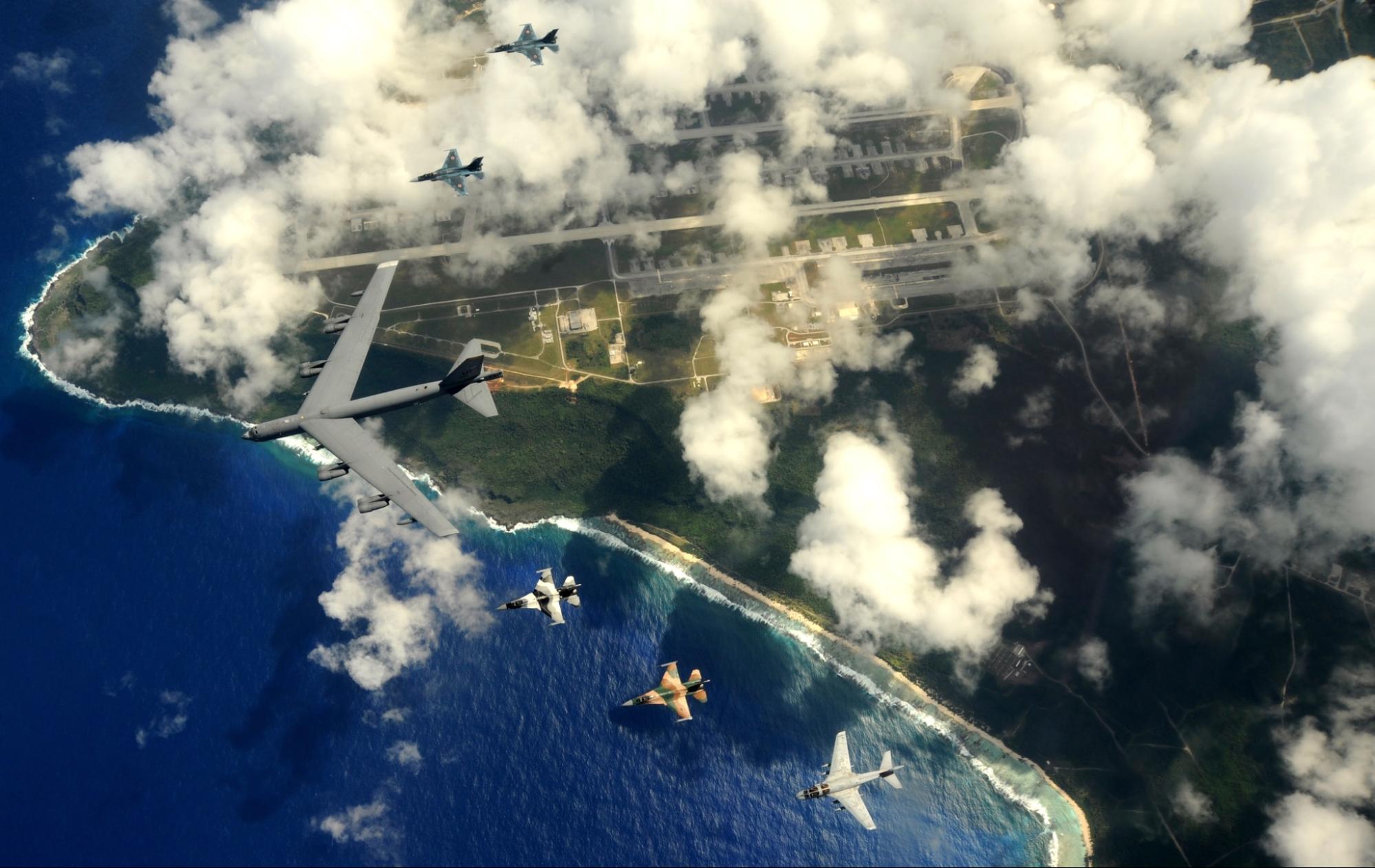
Camacho resides in Yigo, a northern village on the island of Guam. In time, he would uncover that the U.S. Air Force base situated directly next to the well serving his home had reported "very high levels" of the pesticide, classifying it as a "chemical of concern" since at least 1993. The Pentagon’s subsequent investigation, spearheaded by officials at Joint Region Marianas, remains in its early stages. While local officials suspect the base is a primary source of the pollution, they caution that other historical sources cannot be ruled out, given dieldrin’s widespread use in decades past.
For Camacho, the discovery felt like the unfolding of a familiar, deeply frustrating narrative—one that was entirely predictable yet infuriating.
Having grown up as an "Army brat," Camacho was raised to view the United States as Guam’s ultimate liberator from Japanese occupation during World War II. However, over the past two decades, his perception of that historical legacy has undergone a profound transformation.
"There are certain actions that the military takes that are contrary to the interests of the people who are from Guam and who live in Guam," Camacho observed, maintaining a measured tone even when discussing the safety of the water his children consumed.
To Camacho, the dieldrin contamination is merely the latest chapter in a long history showing that the people of Guam continue to bear the hidden costs of militarization. Unexploded ordnance continues to litter local jungles and coastal lagoons. Polychlorinated biphenyls (PCBs) contaminate local fish populations, while persistent industrial pollutants taint the island’s vital groundwater aquifers. For more than a century, the island and its residents—who are U.S. citizens—have been permanently altered by an overwhelming American military presence.
Rear Admiral Brett Mietus, commander of Joint Region Marianas, the U.S. Navy’s regional command for Guam and neighboring islands, stated that while he could not speak to historical pollution, the command remains deeply committed to safeguarding the environment and the people of Guam.
"We spend a lot of time and we spend a lot of money making sure that we meet every U.S. regulation when it comes to anything that we’re going to do here," he told Grist. "We’re meeting every letter of every law for environmental regulations and rules, and we’re doing that while we’re spending a ton of money to defend this island from the most advanced missiles in the world."
Today, Guam occupies the epicenter of an expansive military buildup that is reshaping the island and rippling across the wider Pacific region. On the island of Yap, more than 1,000 graves face potential disruption to make way for a planned American seaport and airfield expansion. Indigenous leaders in Palau are actively pursuing legal action to protect their ancestral lands from similar encroachment. Less visible, but equally consequential, are the broader climate impacts associated with this rapid expansion. As the world’s single largest institutional emitter of greenhouse gases, the Pentagon’s regional buildup threatens to accelerate the destruction of local reefs, forests, and Indigenous sacred sites, thereby worsening the climate crisis that already endangers the very survival of low-lying Pacific islands.
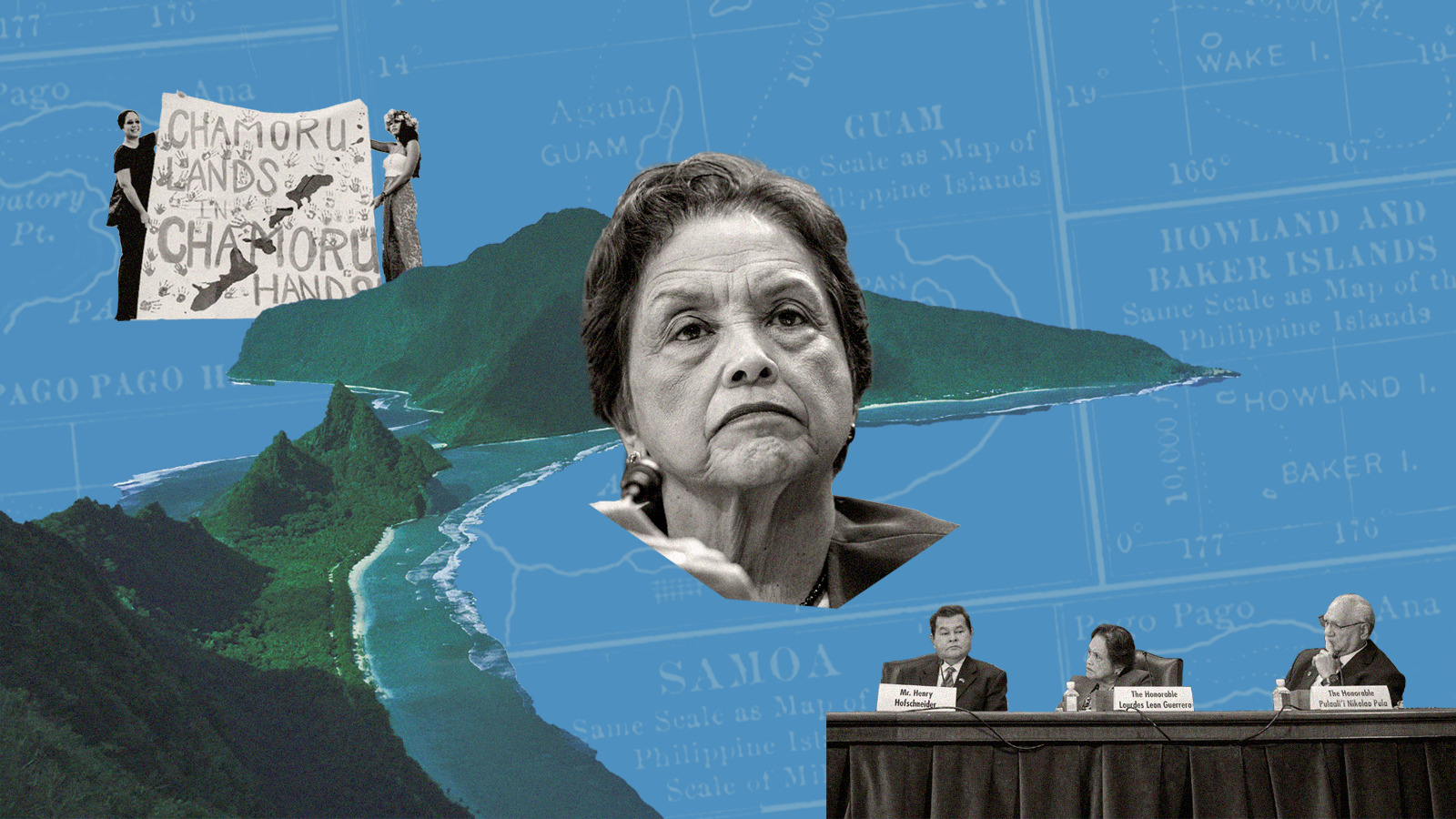
Military leadership frequently points to escalating geopolitical tensions in the Indo-Pacific to justify the scale of the expansion. "The security environment in the Indo-Pacific is becoming more dangerous and defined by an increasing risk of confrontation and crisis," Navy Admiral Sam Paparo, commander of U.S. Pacific Command, warned Congress while requesting $122 billion for advanced weaponry to counter China, including offensive missile installations on Guam. Three months later, a ballistic missile launched from a Chinese submarine test-flight passed near the island, serving as a stark reminder of why many residents view the U.S. military presence as both a source of vulnerability and a necessary shield.
The psychological toll can often feel overwhelming. "I need to compartmentalize these things," Camacho admitted. "That’s sometimes the only way that you can do this, because otherwise you will just be overwhelmed by the sheer amount of things that are out there, the amount of injustice that is out there."
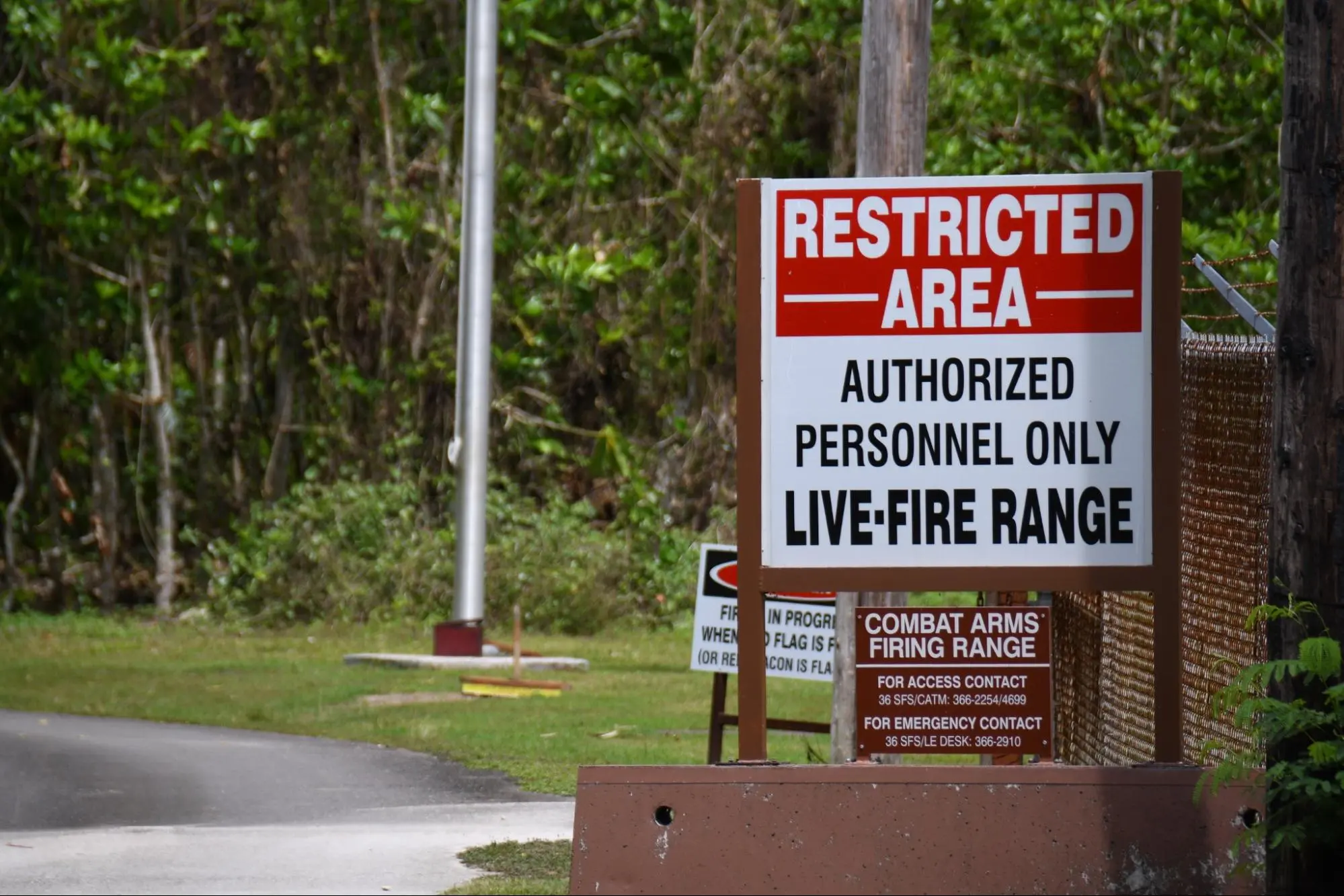
These injustices frequently collide in Yigo. Earlier this year, local families lost their homes to super-typhoons intensified by warming ocean waters. Simultaneously, the U.S. Army Corps of Engineers is preparing to clear hazardous unexploded ordnance from a nearby military dump site established in 1945. Meanwhile, a newly operational machine-gun range has opened directly alongside a federal wildlife refuge, designed to support the ongoing relocation of 5,000 Marines from Okinawa.
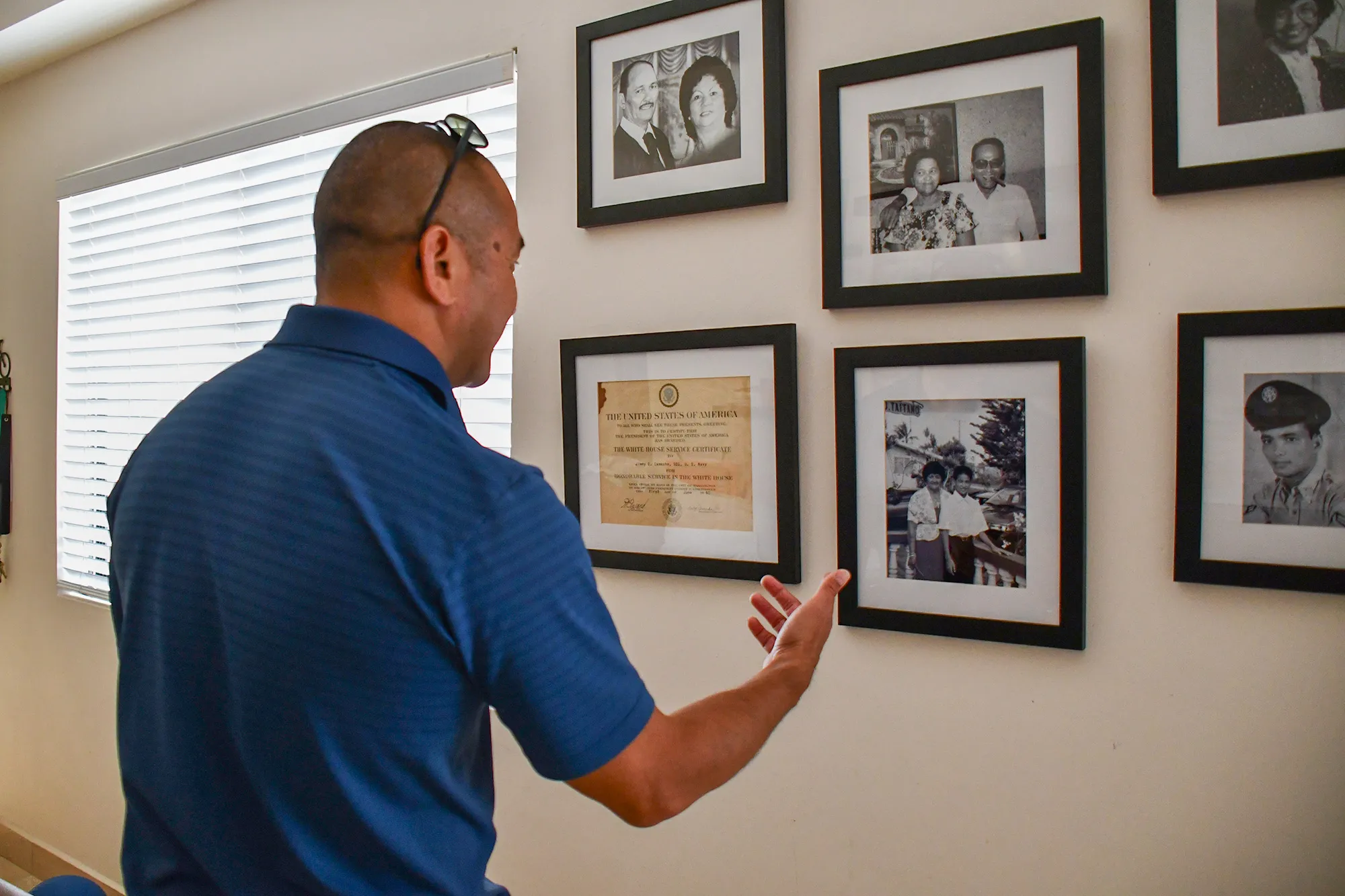
Against the backdrop of chemical contamination and expanding installations, Camacho’s frustration remains pointed: "At some point, someone has to force them to do what’s right."
Years before emerging as one of Guam’s most prominent critics of the military buildup, Camacho was a young attorney who spent his early mornings running through the quiet streets of Yigo. As his running shoes struck the pavement at dawn, roosters crowed and streaks of pink illuminated the sky. The road, lined with thick jungle brush, offered a rare escape from stray dogs and morning traffic, providing a peaceful start to a demanding legal career.
The year was 2009. Having recently returned to Guam following law school, Camacho was earning a comfortable living compared to his previous career as a schoolteacher. "You dream of going to law school to provide services and to fight for people who don’t have the ability to fight, right? I’ll be honest with you, I lost my way," Camacho reflected. "I had a bunch of student debt and I was satisfied just kind of going by day to day and just focusing on myself and my family."
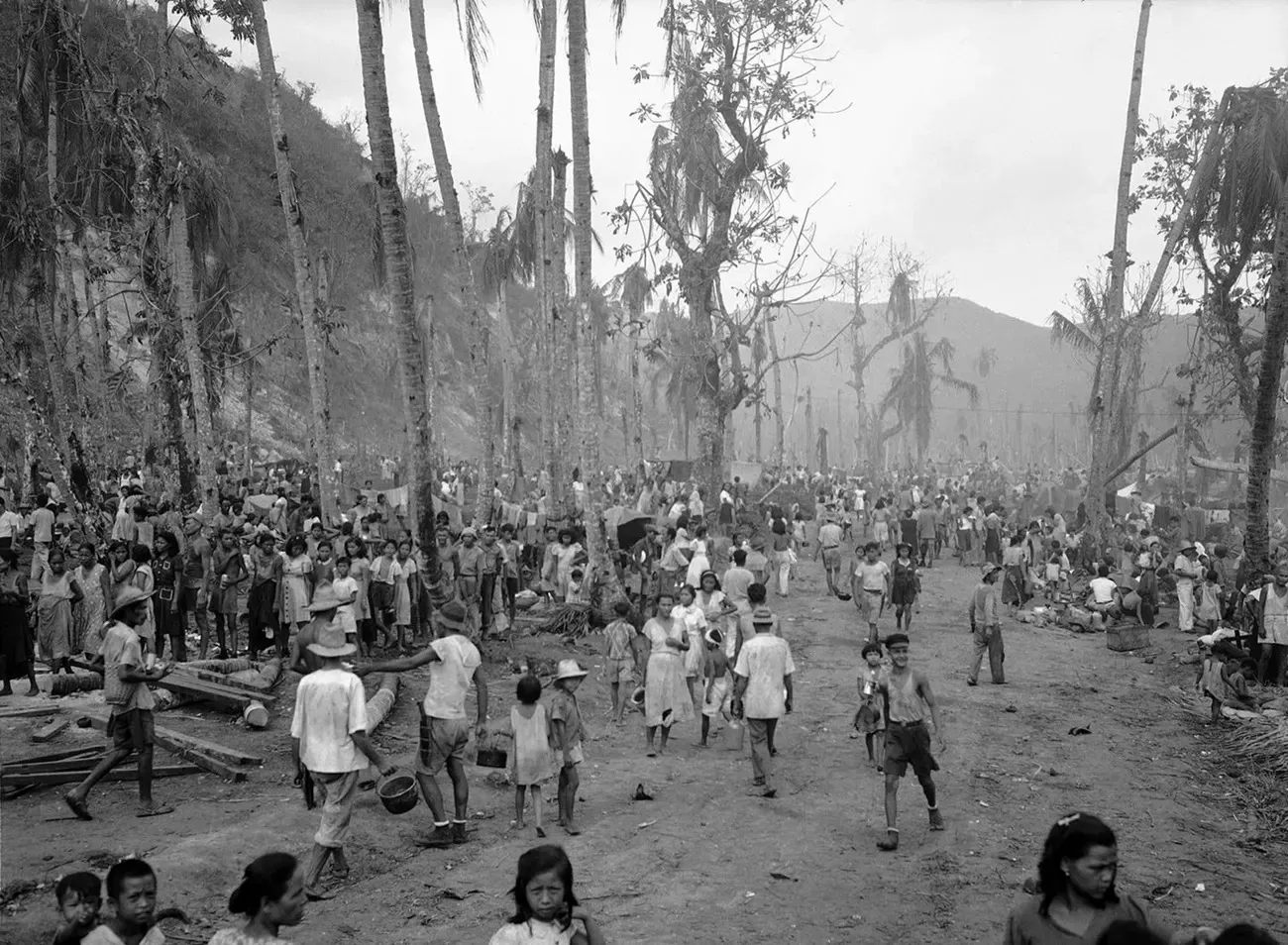
At the time, the U.S. military functioned as a familiar background element in his daily life, rather than a subject of deep concern. He rarely questioned the invasive tangan-tangan trees lining his running route—species introduced after the U.S. scattered their seeds to reforest the island following World War II. On his morning runs, the sound of military aircraft overhead was far more common than native bird song.
Guam’s history, however, runs deep. As one of the earliest Pacific islands settled by seafaring voyagers from the region of modern-day Philippines—who navigated thousands of years ago using the stars and ocean swells—the CHamoru people built a sophisticated society celebrated for its monumental latte stone architecture and outrigger canoes.
That ancestral way of life was upended when Ferdinand Magellan landed on Guam in 1521, claiming the island for Spain and initiating more than five centuries of continuous colonial rule. Spanish authorities compelled the Indigenous population to adopt Catholicism and banned traditional seafaring canoes. In 1898, control shifted to the United States following the Spanish-American War, bringing military governance. Naval governors systematically burned CHamoru language books and suppressed Indigenous efforts to secure U.S. citizenship.
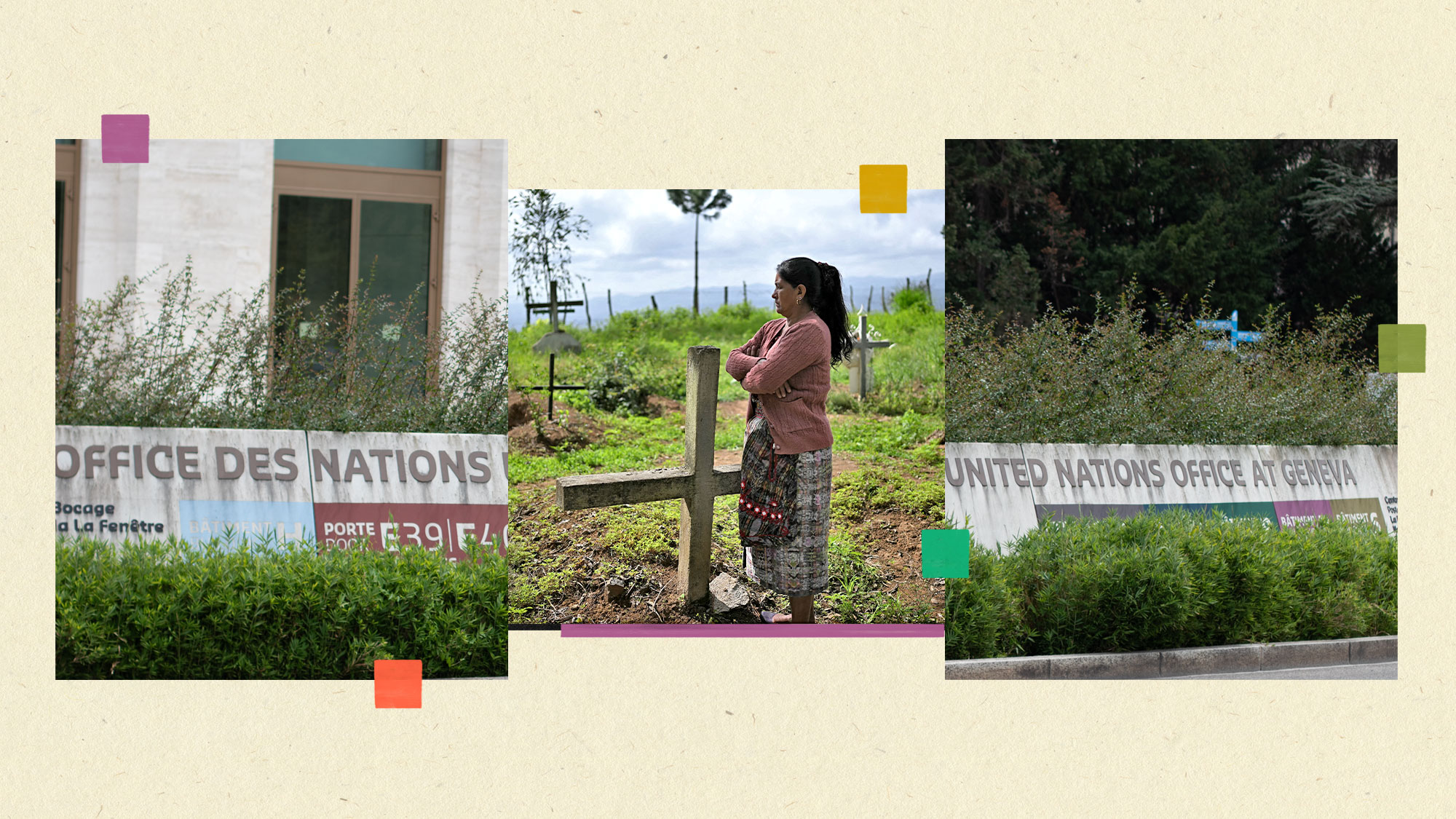
The devastation intensified with the outbreak of World War II. Japan’s invasion of Guam in December 1941—occurring simultaneously with the attack on Pearl Harbor—subjected 20,000 CHamorus to nearly three years of forced labor, brutal marches, malnutrition, and systemic abuse, resulting in over a thousand deaths. When American forces successfully retook the island in 1944, they were greeted as liberators, a sentiment preserved in the island’s annual Liberation Day celebrations. "I can’t remember a single discouraging remark that my maternal grandmother would have made about the U.S.," Camacho said, recalling her simple refrain: "They saved us."
That narrative shaped Camacho’s upbringing. Even when the U.S. military seized large tracts of private land across the island in a massive post-war land grab, his grandparents accepted it as the necessary cost of freedom from Japanese oppression.
His perspective shifted permanently when military expansion plans threatened to permanently close his favorite morning running route. Reviewing public planning documents, Camacho noticed a striking disconnect between official military assessments and local realities. Commenting on a consultant’s report that dismissed the impact on his running path because they "drove by and didn’t see any cars," Camacho realized the superficial nature of the environmental reviews.
As he examined thousands of pages of federal documents, Camacho recognized a recurring pattern: official environmental impact statements consistently minimized the disruptions associated with proposed bombing ranges, underwater explosives testing, and infrastructure projects that threatened ancient latte stones and native forests.
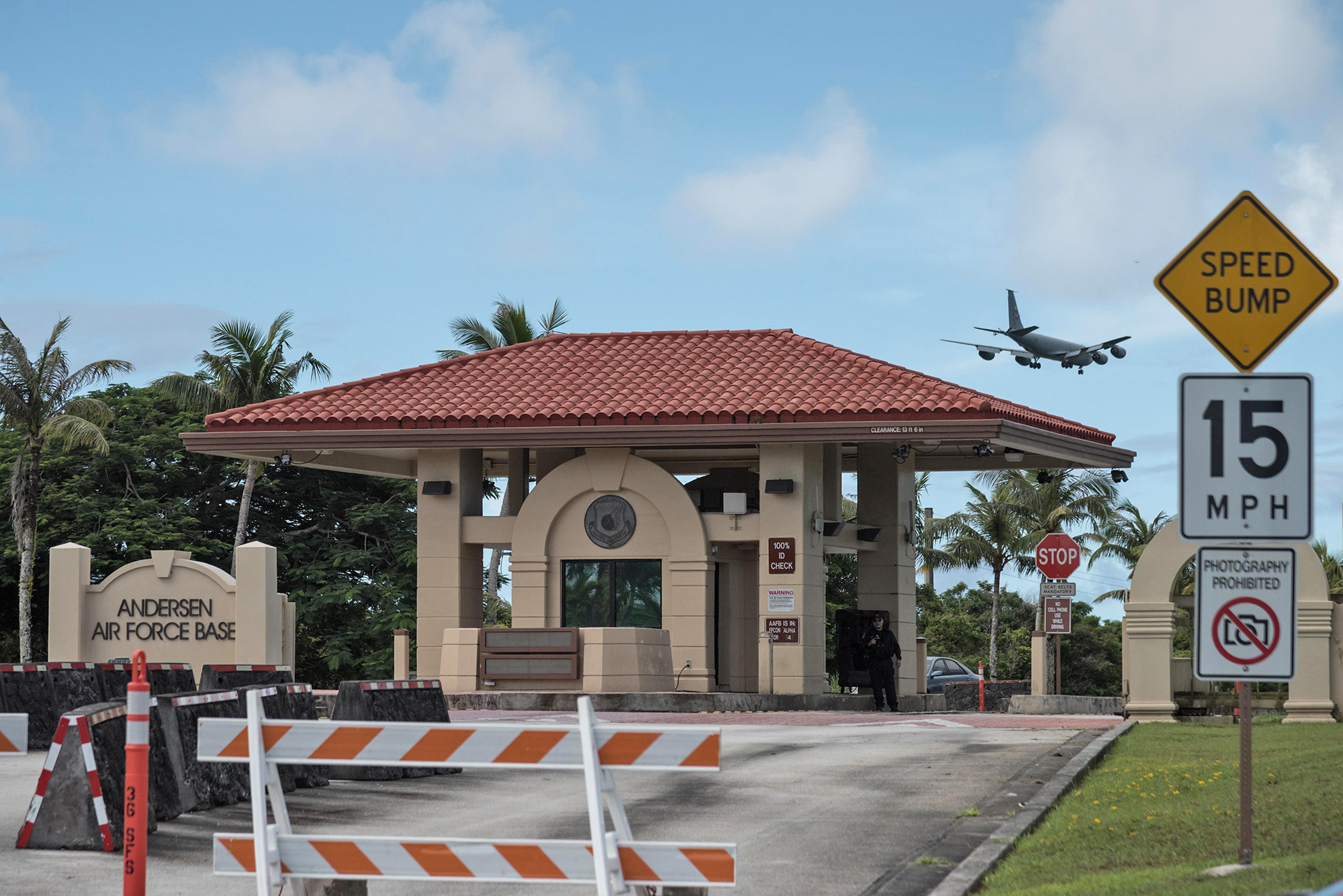
A defining moment occurred on a flight home from Honolulu while he was reviewing an environmental impact statement for the military buildup. A specific passage noted that a projected influx of 80,000 personnel would strain local water supplies, particularly in Yigo. The proposed remedy outlined in the document was to divert surplus water from Andersen Air Force base to civilian communities if shortages arose.
"That was the first time I just kind of lost it, just how stark it was," Camacho recalled. "The aquifer is our aquifer, right? Like, you’re taking our water for your people and then we don’t have enough and they’re going to divert whatever you’re taking from us that is extra."
Motivated by these discoveries, Camacho and fellow concerned residents formed We Are Guåhan, a community grassroots organization dedicated to raising awareness about the scale of the militarization. He later joined legal efforts to halt the construction of a machine-gun range at Pågat, an ancestral village rich in archaeological history. Their campaign ultimately succeeded in protecting the site and persuading the Navy to scale back its land acquisition plans, while the Department of Defense reduced the planned transfer of Marines from Okinawa from 9,000 to 5,000.
Despite these community victories, the overarching buildup proceeded. The Pentagon officially activated Marine Corps Base Camp Blaz and established a new machine-gun training range just north of Yigo. "It’s so heartbreaking," reflected Victoria-Lola Leon Guerrero, another member of We Are Guåhan. "All of that effort and it still happened."
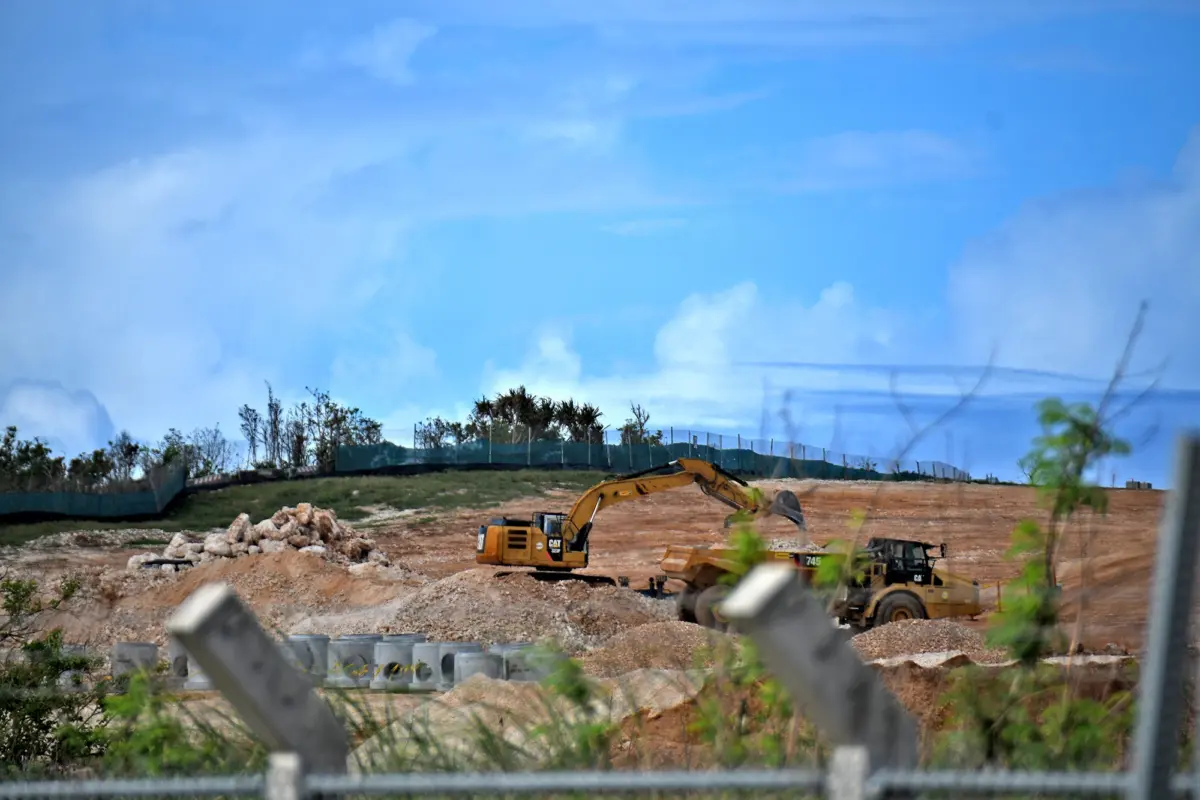
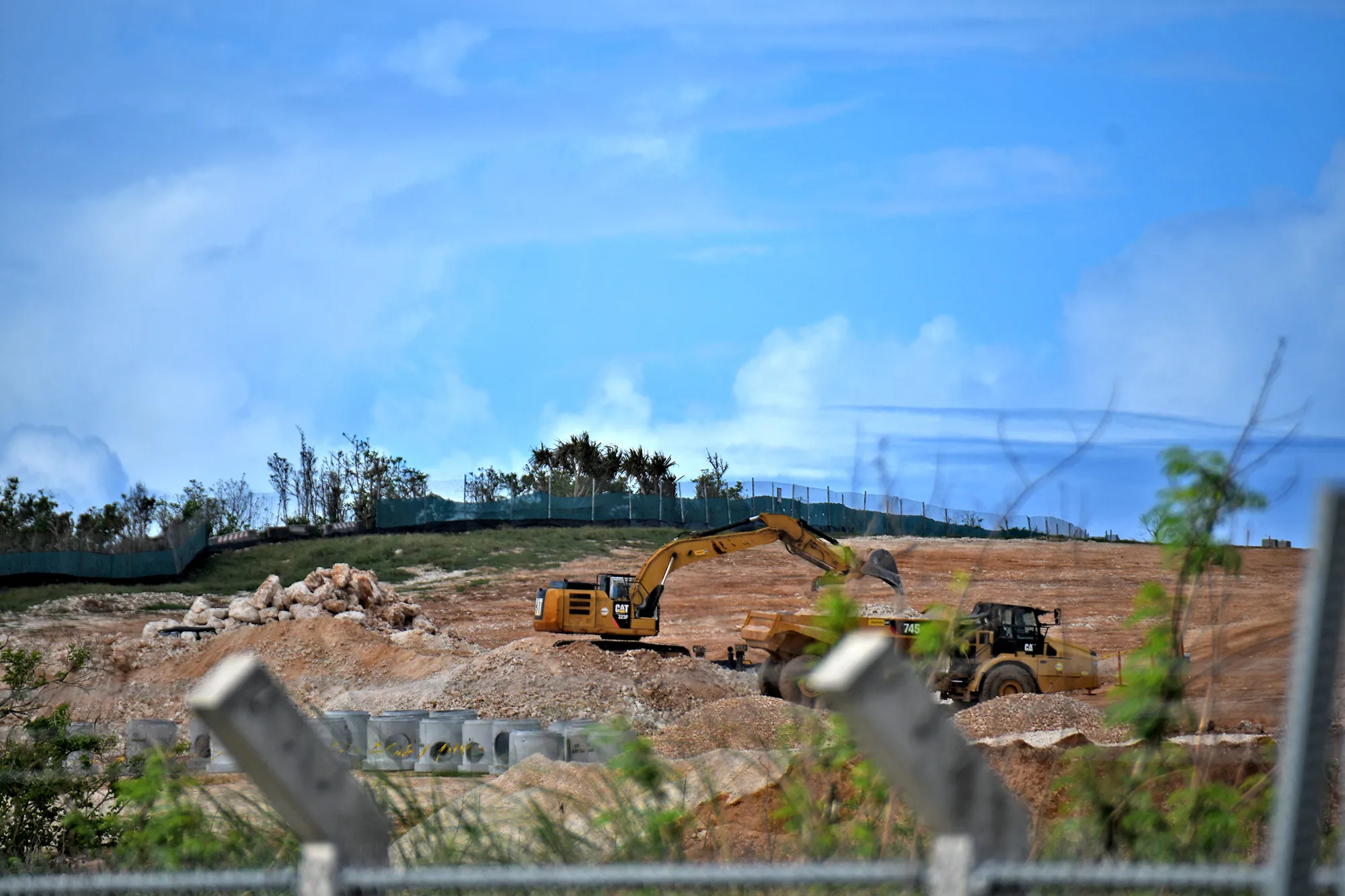
Today, the physical transformation of the landscape is unmistakable. Heavy construction machinery continues to reshape the terrain near Camp Blaz, where limestone forests have been cleared to accommodate modern military facilities. Beyond the new Marine base, the Department of Defense is modernizing the island’s commercial port, expanding infrastructure to support nuclear submarines, and investing billions of dollars into advanced missile defense installations.
While local leaders, including Guam Governor Lou Leon Guerrero, acknowledge the significant economic infusion accompanying the defense spending—noting that one in nine residents serves in the armed forces—tensions persist regarding land ownership, housing affordability, and environmental protection. With home prices soaring and geopolitical anxieties mounting, residents remain divided over whether the military presence acts as a deterrent or an invitation to conflict.
For Camacho, the path forward remains clear. Whether fighting for clean water in Yigo, challenging environmental reviews in court, or supporting regional self-determination across the Pacific, his commitment to his homeland remains unwavering.
"I’m going to try to do the best that I can to protect my island and to have a safe place for my kids to want to live on Guam," Camacho said. "Guam is home—there is nowhere else we are going to be."