
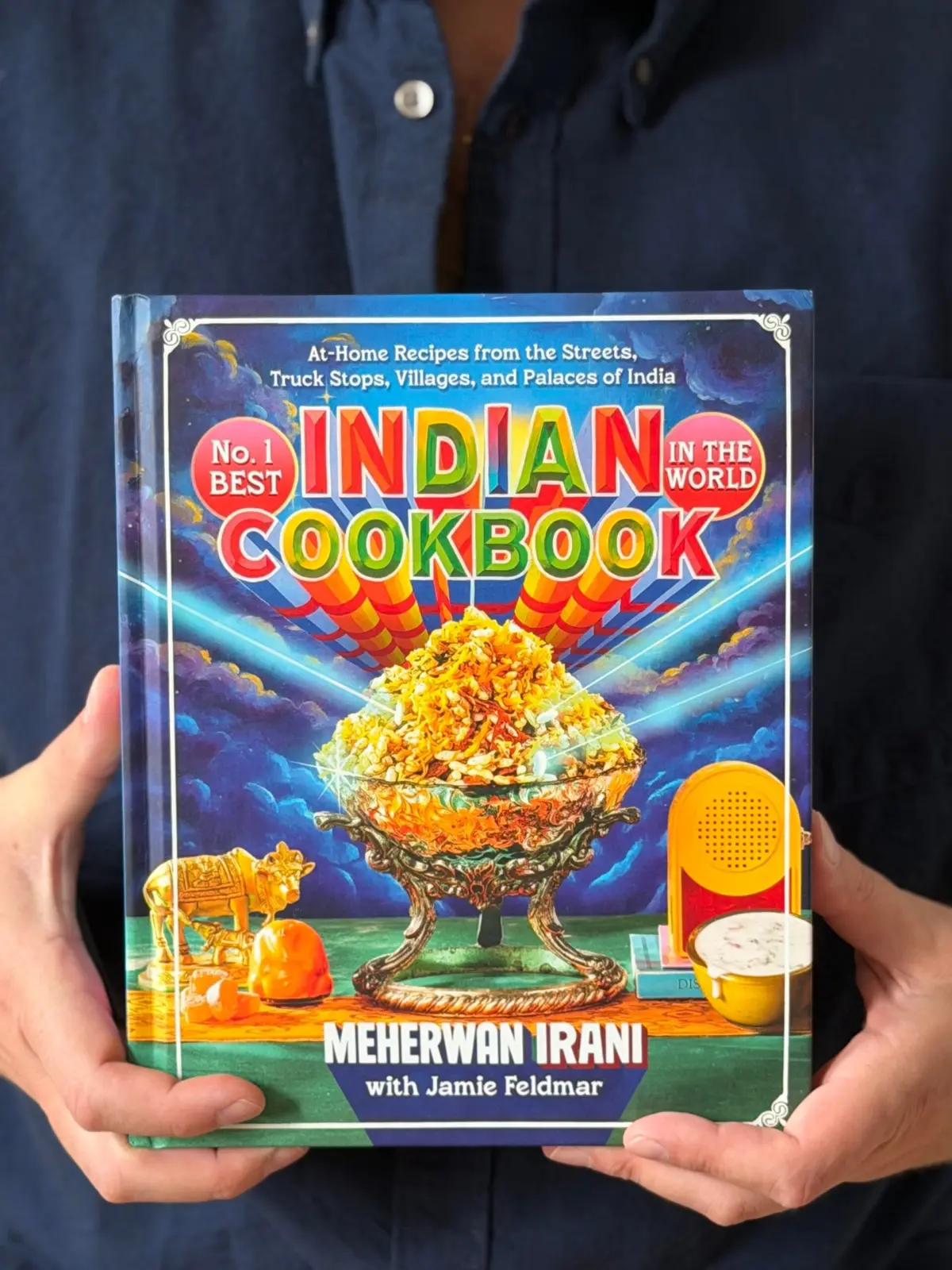
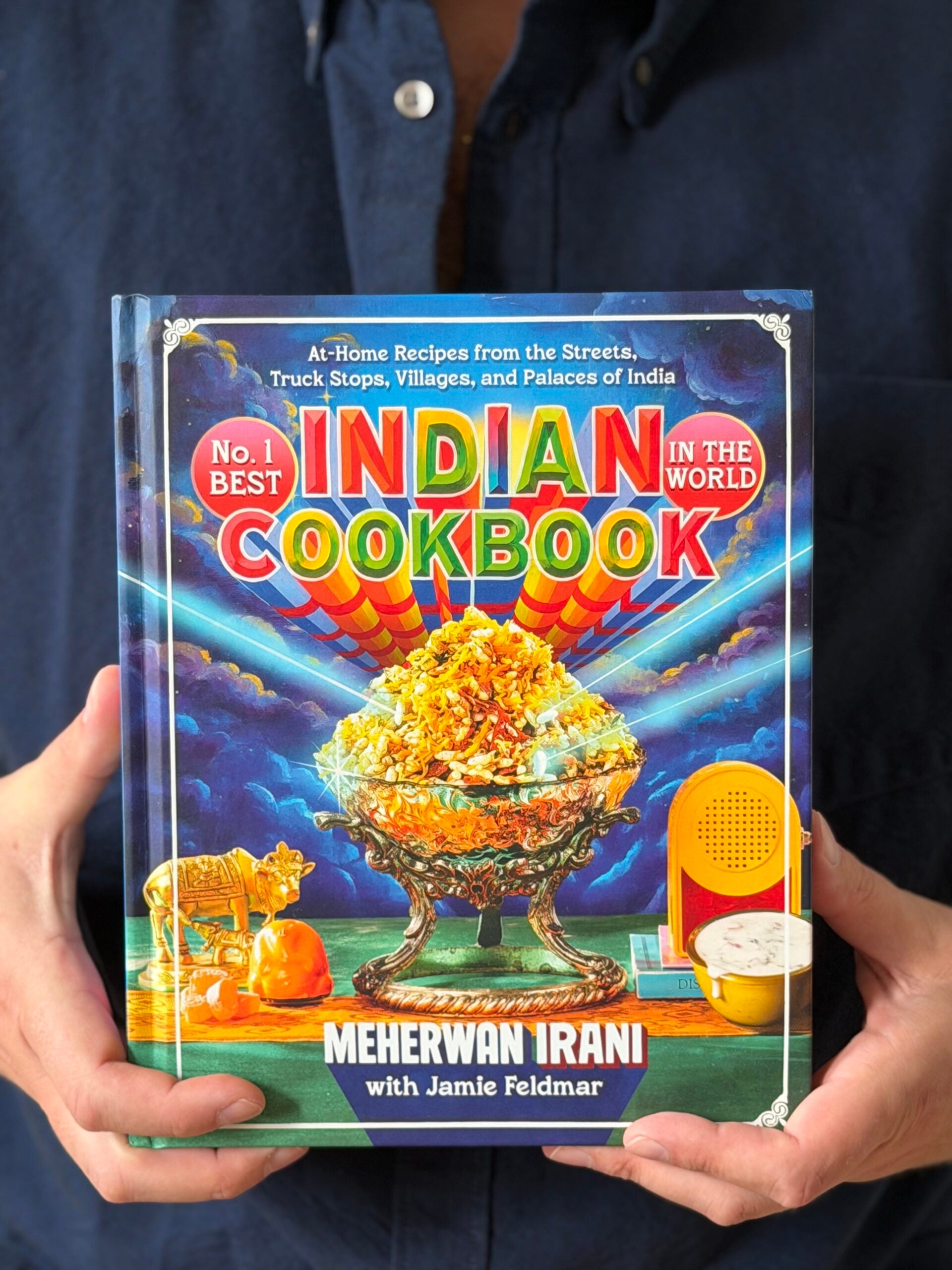
Brooklyn-based food writer, recipe developer, and bestselling author Casey Elsass has launched a brand-new monthly series dedicated to exploring the pages of exciting new cookbooks, offering readers a deep dive complete with author conversations, photography, and tested recipes. For the inaugural installment of the series, Elsass turns his attention to No. 1 Best Indian Cookbook in the World by James Beard Award-winning chef Meherwan Irani.
Irani, widely celebrated as the creative force behind the acclaimed Indian street food concepts Chai Pani and Botiwalla, as well as the popular spice company Spicewalla, has officially added debut cookbook author to his repertoire. Since the 288-page volume arrived on shelves, it has captivated readers with its vibrant design, personal essays, and accessible approach to regional and street-style Indian cooking.
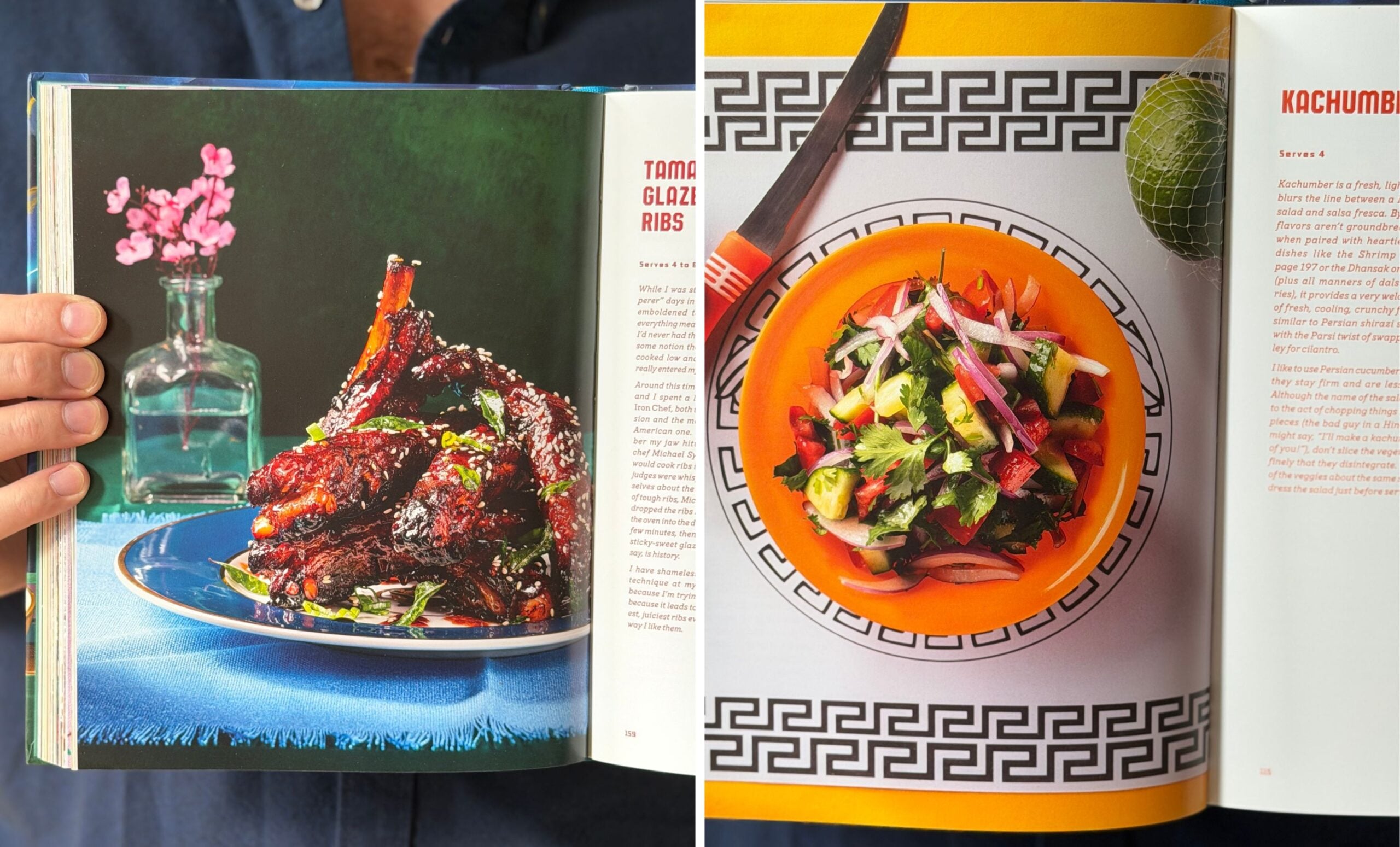
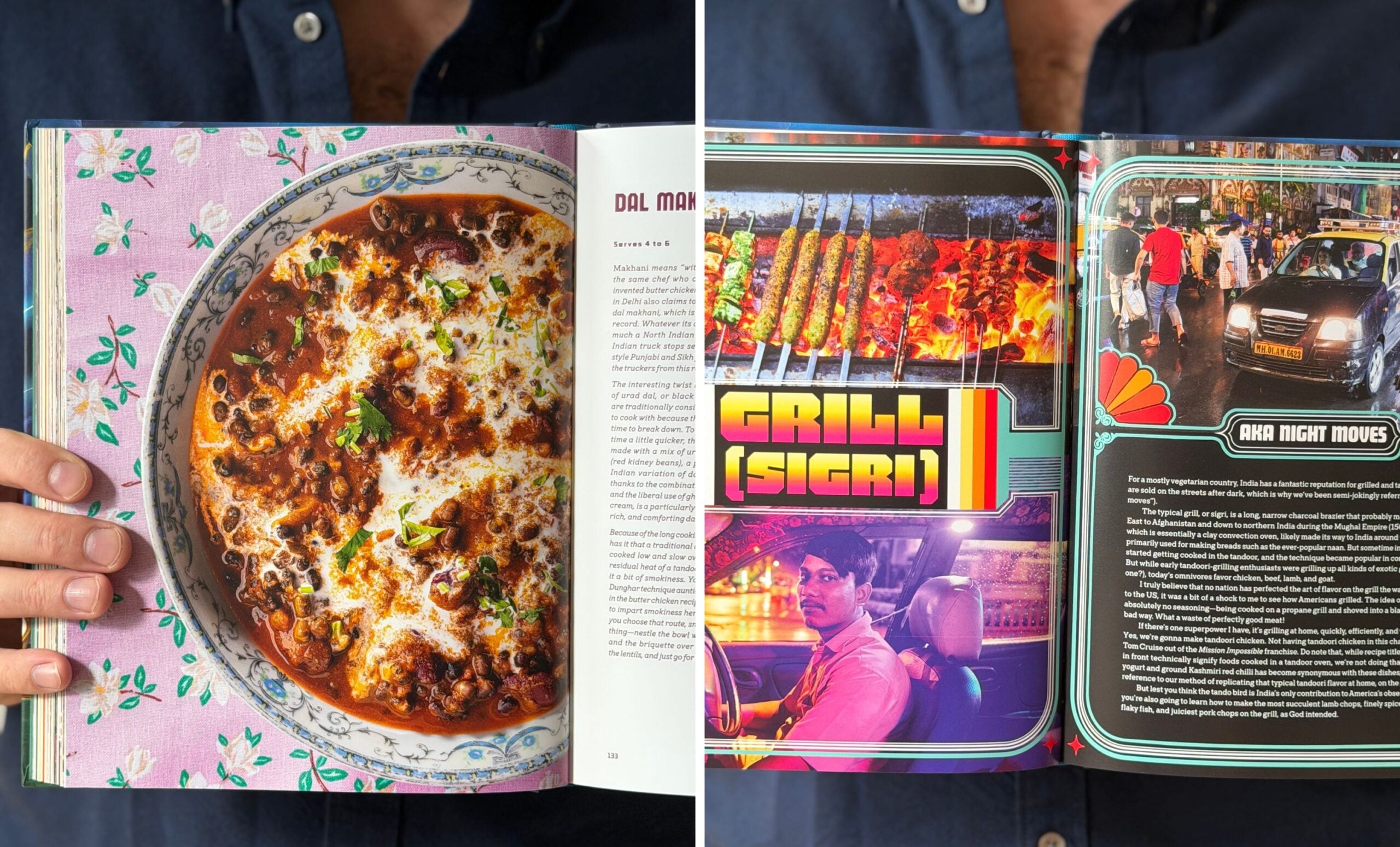
The cookbook spans a remarkably broad spectrum of flavors and culinary traditions, featuring everything from chaat, sandwiches, and grilled dishes to desi Chinese specialties like chili chicken, roadside truck stop fare, drinks, and desserts. Alongside nods to classic restaurant staples like butter chicken and a playful recipe titled "The Obligatory Saag Paneer," the volume dedicates substantial space to comforting home-cooking staples. Readers will find a vegetable pulao, masala-seasoned green beans, "Mom’s Quick ’n’ Easy Potatoes," and "My Grandma’s Dal," which stands out as a personal favorite.
Beyond the kitchen, the book functions as a cultural and historical treasury. Irani peppers the pages with witty personal essays and asides addressing topics such as regional terminology, culinary evolution, and the distinct characteristics that define authentic street chai. The volume opens with a definitive statement from the author: "My name is Meherwan Irani, and I’m here to tell you that Indian street food is the best food on the planet."
To better understand the vision behind the book, Elsass sat down with Irani for an in-depth conversation regarding the philosophy, design, and culinary choices that shaped the project.
Discussing the book’s striking, unconventional aesthetic, Irani explained that he worked closely with designer Mikey Files to replicate the immersive, high-energy environment of his restaurants and the bustling streets of India. Pointing to the bold visual language of auto-rickshaws, Tata trucks, hawker stands, canteens, and Irani cafés, Irani noted that art and visual culture are deeply intertwined with the country’s street food landscape.
When addressing the immense scope of the title—which encompasses family recipes, regional discoveries, and dishes influenced by neighboring Asian and Western culinary traditions—Irani pushed back against monolithic definitions of Indian cuisine. Comparing the label "Indian cookbook" to taking a book from Spain and calling it a "European cookbook," he emphasized that India’s culinary regions are vast and distinct. To find a unifying thread, he focused on street food, describing it as the most democratic and egalitarian form of pan-Indian cooking.
Irani also challenged conventional notions of culinary authenticity, noting that basic ingredients now considered essential to Indian cooking—such as chilies, tomatoes, potatoes, and bell peppers—are relatively recent historical arrivals introduced over the course of centuries of global exchange. By highlighting the constant evolution found in home kitchens and street carts, the book rejects rigid boundaries in favor of vibrant, adaptable cooking.
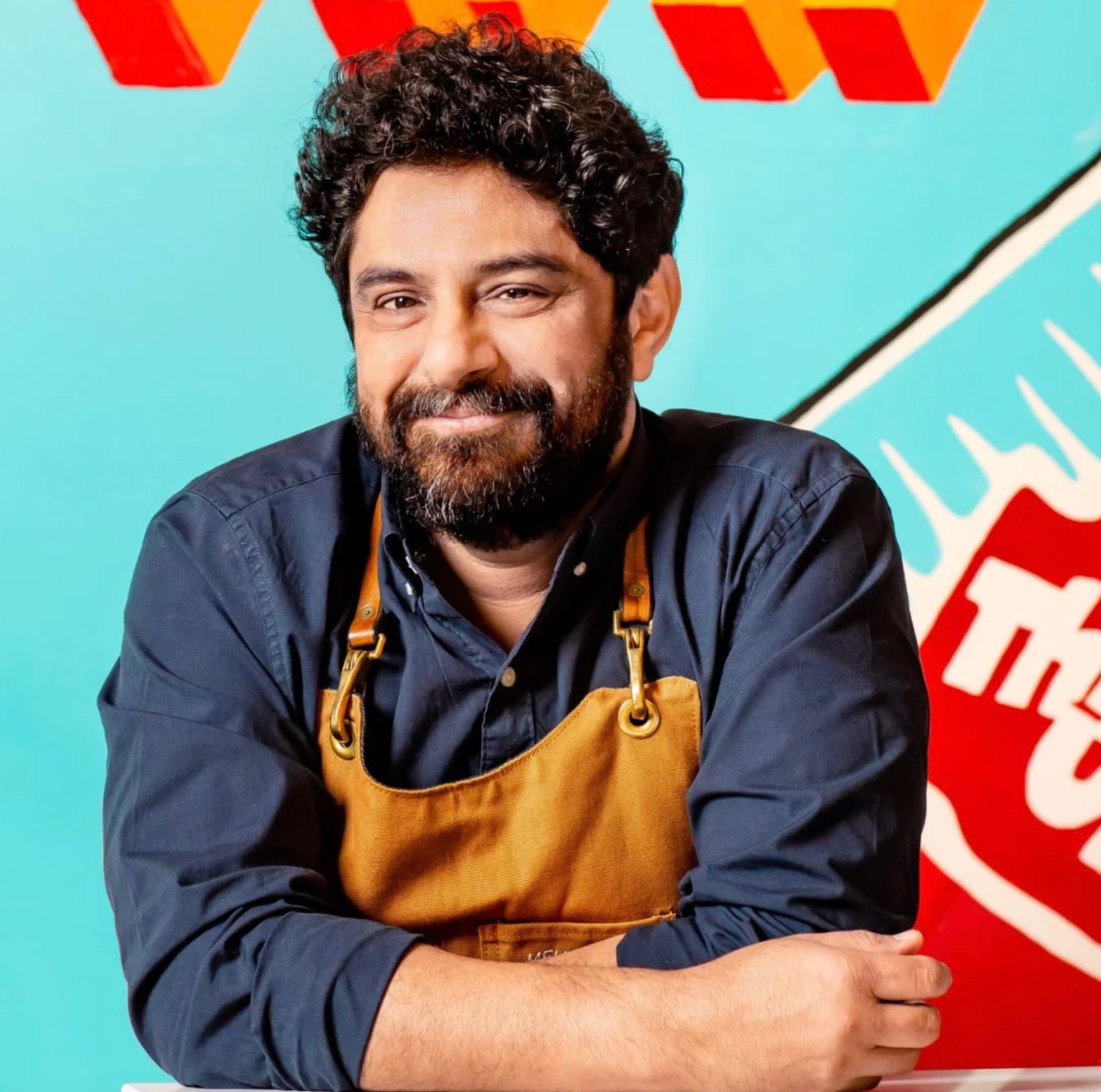
Transitioning from restaurant kitchens to home-cooking formats required a deliberate unlearning process for Irani, who is not classically trained and initially learned to cook in domestic spaces. Recognizing that traditional Indian recipes often demand significant labor, he structured the book to be manageable for a single home cook, actively encouraging practical shortcuts such as high-quality frozen vegetables and pre-cut produce rather than demanding tedious, restaurant-level preparation steps.
Ultimately, Irani hopes the book encourages readers to cook without fear. Drawing from his own experiences learning to cook in a college dorm room in South Carolina, he emphasizes that mistakes are vital teachers. Whether learning how mustard seeds behave when popped or substituting available ingredients for traditional ones, the core message of the book is to embrace experimentation and approach the kitchen with confidence.
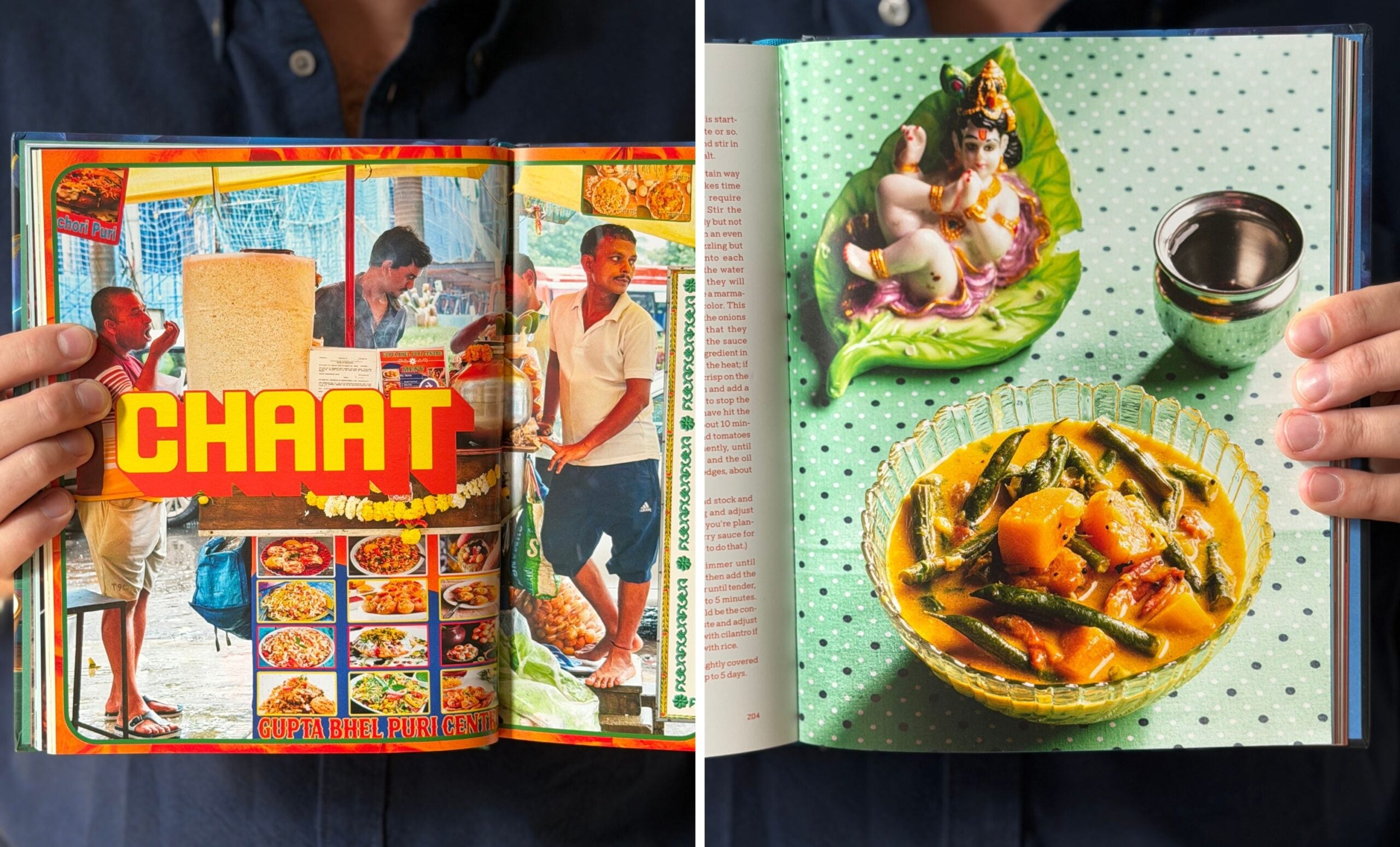
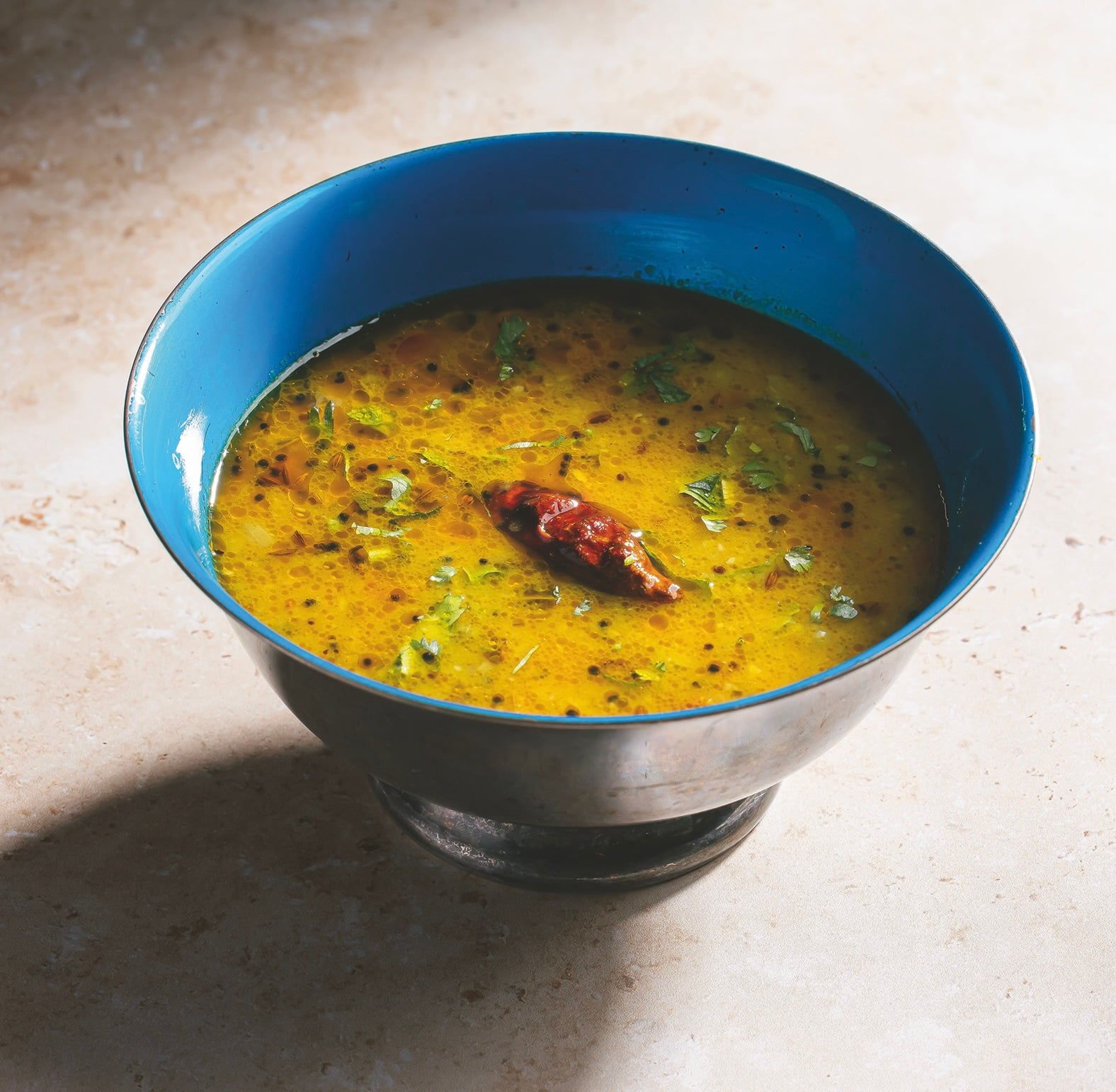
Following the author interview, Elsass featured a full reproduction of "My Grandma’s Dal," a hearty, traditional dish utilizing both split red lentils (masoor dal) and split yellow lentils (toor dal). Originating from the author’s childhood summers spent on his grandparents’ farm in the foothills of the Himalayas outside Dehradun, the recipe pairs the contrasting textures of fast-breaking pink lentils and chunky yellow lentils with a aromatic tadka—a sizzling bloom of mustard seeds, cumin, turmeric, ginger, garlic, and tomatoes in hot oil—served over freshly steamed basmati rice.
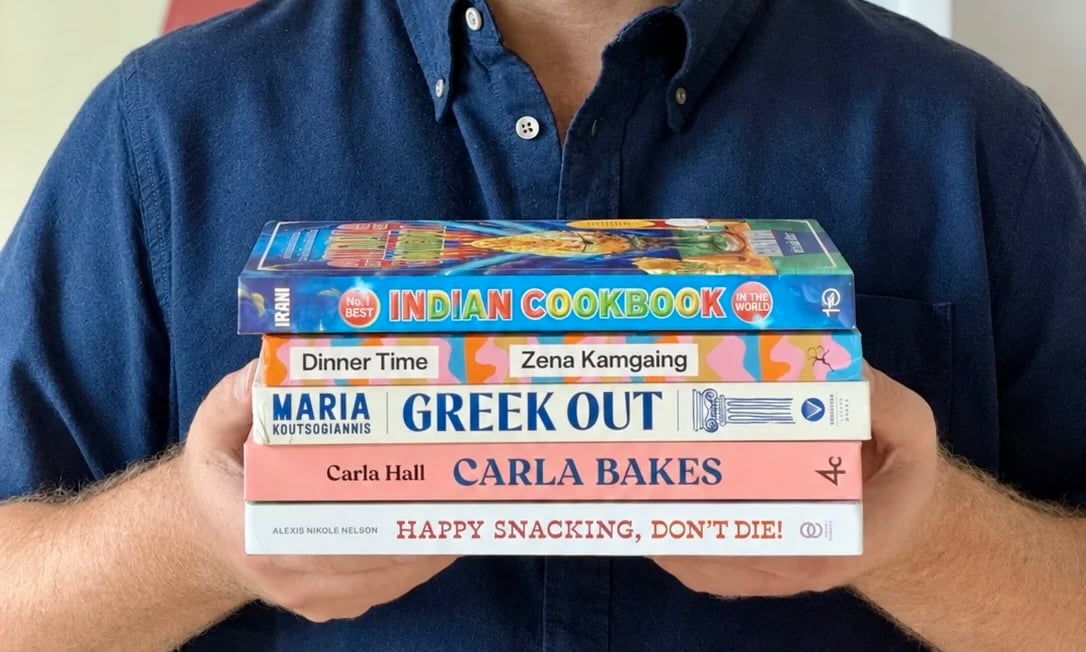
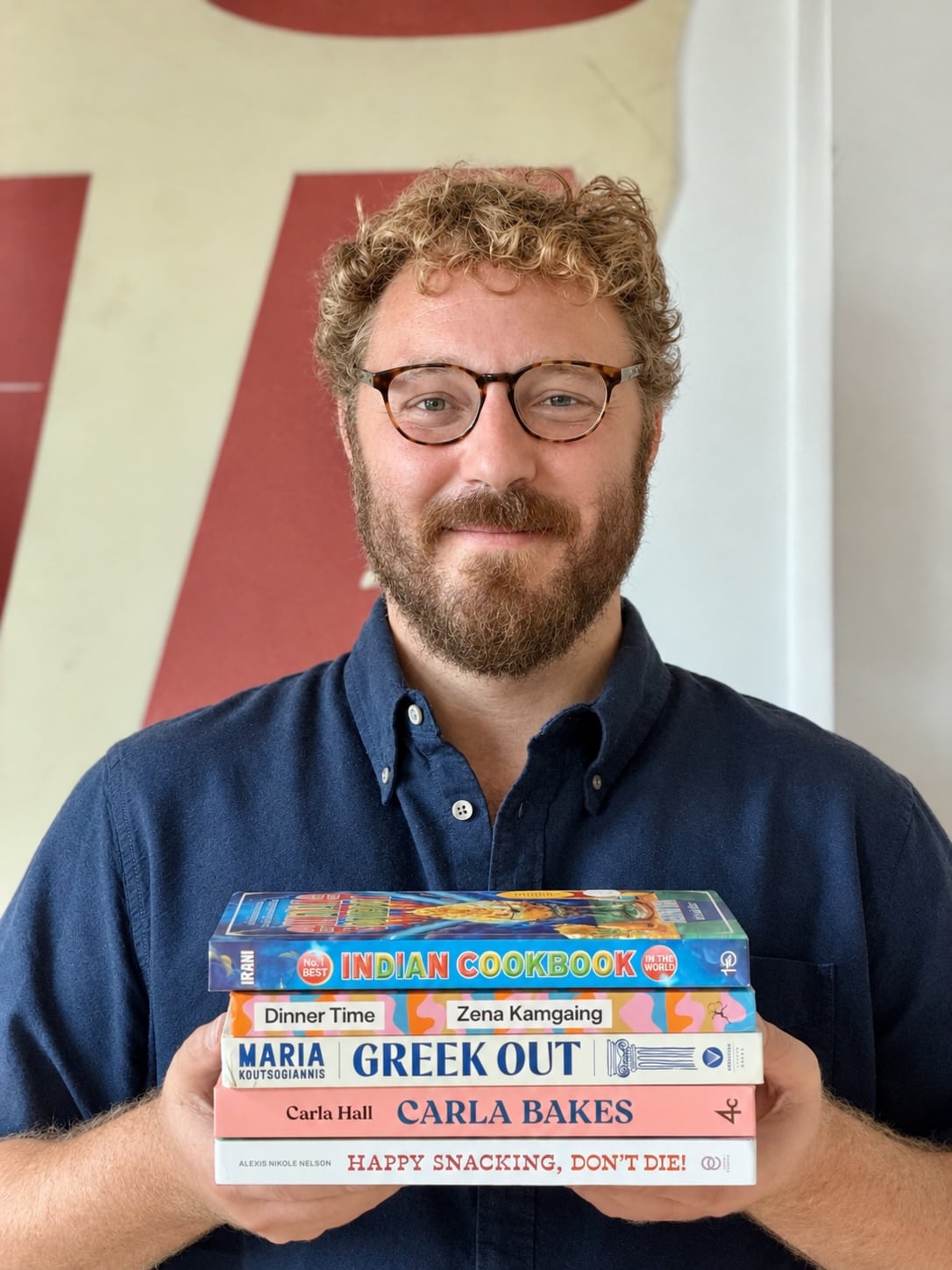
In addition to spotlighting Irani’s work, Elsass rounded out his monthly feature by highlighting four other notable contemporary cookbooks currently drawing praise from home cooks and food writers alike.
Dinner Time: Deeply Delicious Meals in 15, 30, 45, and 60 Minutes by Zena Kamgaing offers exciting, time-conscious recipes designed for busy schedules without sacrificing deep flavor profiles, with standout dishes ranging from Curry Butter Shrimp to Gochujang Pork Lettuce Wraps.
Greek Out: Sunny Vibes, High-Energy Mediterranean Flavor by Maria Koutsogiannis presents a fresh, modern take on Greek cooking tailored for contemporary American kitchens, featuring vibrant dishes like Lemon-Feta Wings with Feta Ranch and Lemon Pasta with Toasted Almond Crumbs.
Carla Bakes: Sweet, Savory, and from the Heart by Carla Hall showcases the author’s signature personality and inventive approach, blending Southern heritage with unpredictable flavor combinations in recipes such as a Scallion Biscuit and Sausage Gravy Casserole and Southern Pecan Crinkle Baklava.
Happy Snacking, Don’t Die! Foraging and Vegan Recipes with Black Forager by Alexis Nikole Nelson with Jeanelle Hayner Olson explores wild foods and sustainable foraging, connecting readers to generational food traditions through playful, plant-based recipes including Violet Lemonade and Fried Oyster Mushroom Po’ Boys.
Casey Elsass is a Brooklyn-based food writer, recipe developer, and bestselling author of What Can I Bring?: Recipes to Help You Live Your Guest Life. Having co-authored more than 30 cookbooks, his writing has appeared in major publications including The New York Times, New York Magazine, Bon Appétit, NPR, and Food52.