
The Financial Independence, Retire Early (FIRE) movement has long preached a gospel of extreme frugality, high savings rates, and strategic real estate investments like house hacking or buying fixer-uppers. However, as younger generations navigate a post-pandemic economic landscape defined by soaring property values and elevated interest rates, a growing chorus of critics argues that foundational FIRE advice is increasingly out of reach.
The debate was brought back into the spotlight following a reader comment left on the popular personal finance blog Mr. Money Mustache. The reader pointed out a common frustration among aspiring participants who did not enter the workforce decades ago with lucrative technology salaries or benefit from pre-2019 housing markets. According to the reader, standard recommendations such as purchasing a fixer-upper or carving up properties into accessory dwelling units (ADUs) are frequently blocked by local zoning laws, high current prices, and restrictive municipal ordinances. The commenter questioned what the next generation of financial independence advocates will offer to those who do not already own homes or command six-figure incomes.

Addressing these critiques requires separating genuine economic shifts from common complaints about changing conditions. Throughout the evolution of the early retirement movement, financial landscapes have continuously shifted. The core question facing modern participants is whether current macroeconomic conditions, particularly concerning housing, have rendered traditional strategies obsolete.
While high salaries remain a significant factor in wealth accumulation, they have never been the primary focus of foundational Mustachian principles. High-earning professionals, including software engineers and medical doctors, frequently experience financial stress despite decades of substantial income. This phenomenon highlights a fundamental mathematical reality: earning a high salary for thirty years requires an equally high level of consistent spending to leave an individual with little to show for it.
Consequently, early retirement philosophy emphasizes streamlining spending, living efficiently without compromise, and eliminating waste rather than merely chasing higher compensation. These skills are essential for high earners, but they become even more critical for individuals navigating lower rungs of the income ladder.
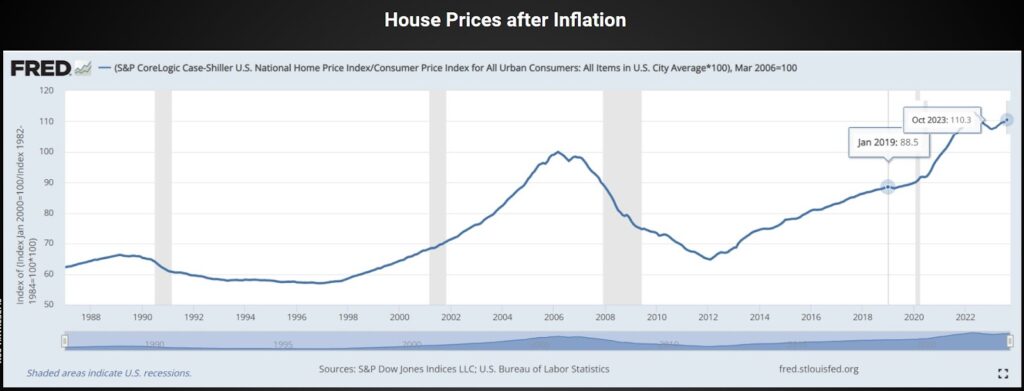
The more pressing concern for modern participants centers on housing affordability. Recent data from the St. Louis Federal Reserve indicates that nationwide inflation-adjusted house prices have risen by approximately 25 percent compared to early 2019 relative to average salaries. Interestingly, this increase places housing costs only about ten percent higher than the previous peak recorded in early 2006. While this represents a notable hurdle, historical data suggests it is not an insurmountable barrier for those willing to adapt their approach.
However, nationwide averages mask severe disparities in popular metropolitan areas. In locations like Longmont, Colorado, median home prices have tripled since the early 2010s, vastly outpacing local wage growth and pushing traditional homeownership further out of reach for average earners.
Rather than viewing housing through the lens of external victimhood, financial independence advocates suggest treating real estate like any other manufactured product subject to supply and demand. Just as being born in a high-cost technology hub does not guarantee a lifetime of luxury goods, living in a specific hometown does not guarantee affordable local real estate.
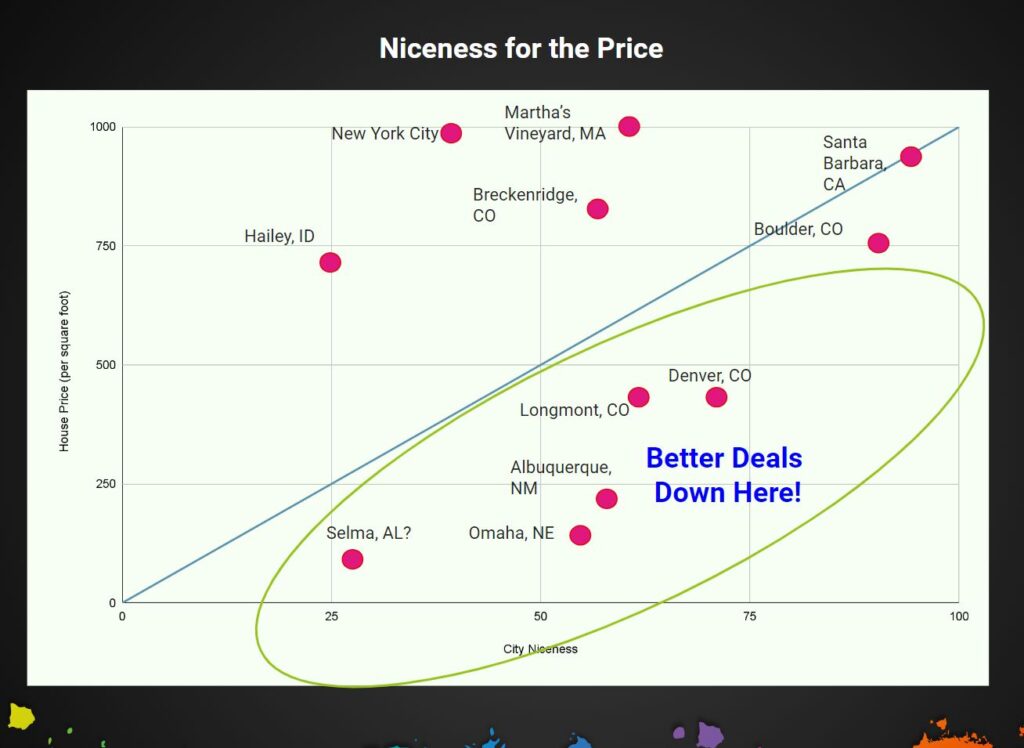
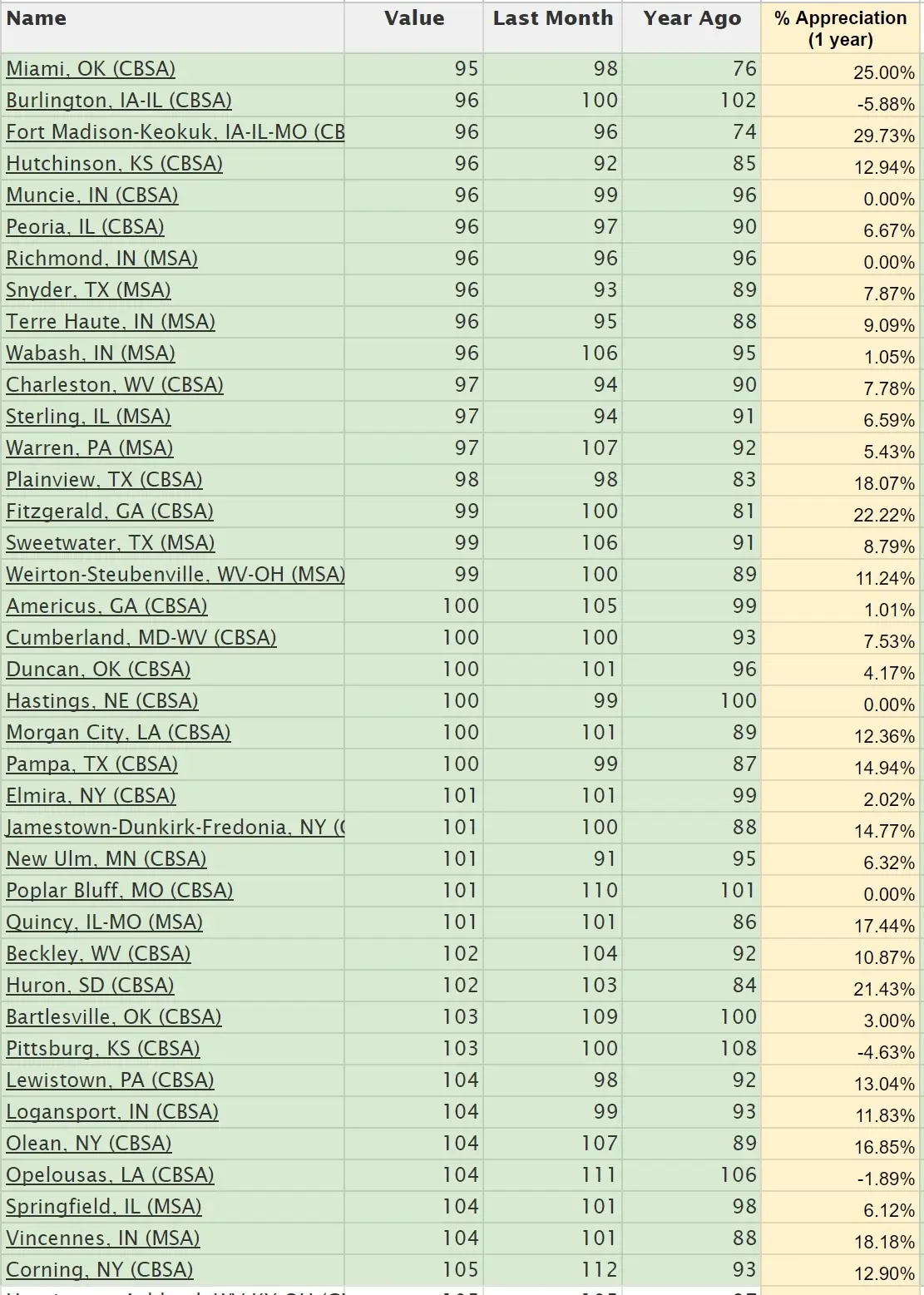
When evaluating housing decisions, consumers must run the numbers and carefully weigh the options of renting, buying, or house hacking. Furthermore, expanding the geographic search beyond one’s immediate hometown reveals significant variations in housing costs across the country. Data tracking price-to-square-footage metrics across hundreds of metro areas demonstrates that housing markets are frequently irrational, with some regions offering high quality of life at a fraction of the cost found in major coastal or mountain hubs.
Geographic flexibility remains one of the most powerful tools for reducing living expenses. Because housing costs heavily influence overall expenses—while other elements like biking, outdoor recreation, and low-cost grocery options remain relatively consistent—relocating to a more balanced market can dramatically alter an individual’s financial timeline.
Digital tools designed by financial independence practitioners, such as regional housing databases and international cost-of-living calculators, allow users to filter potential destinations by climate, population size, and monthly budgets. Exploring cities with moderate populations and favorable cost-to-amenity ratios can uncover viable alternatives for individuals priced out of their current neighborhoods.
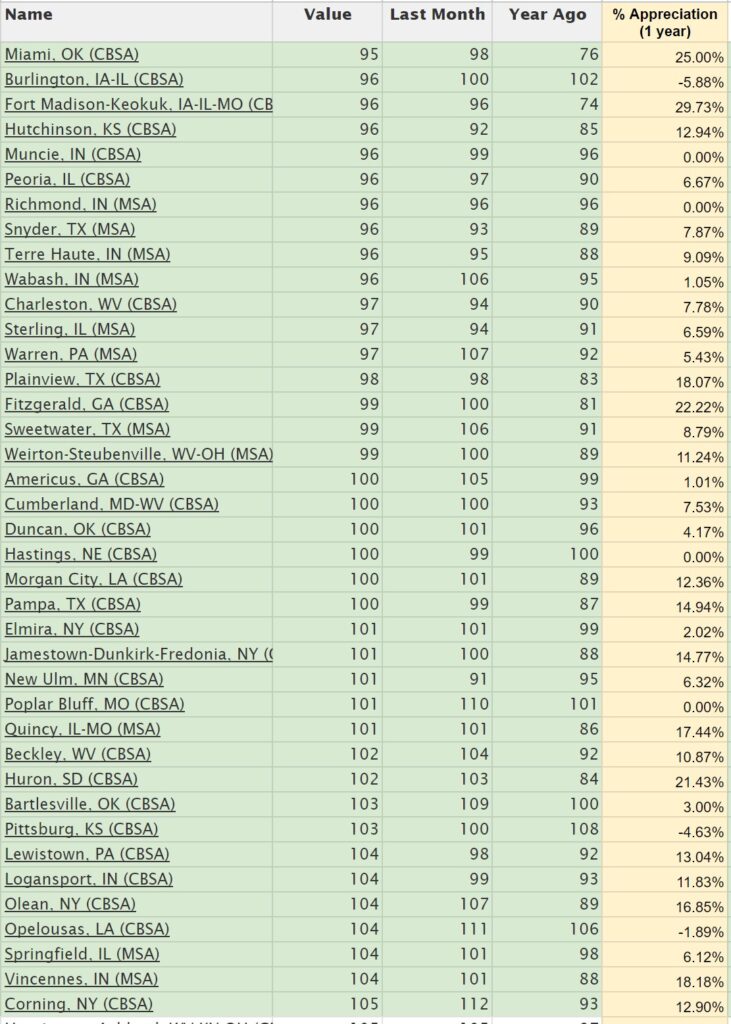
For those willing to consider international relocation, platforms tracking global living expenses open up even broader possibilities. Moving to a new region or country inevitably involves navigating administrative hurdles, such as understanding local laws, obtaining identification documents, and managing international logistics. However, financial independence advocates emphasize that viewing these challenges as insurmountable obstacles rather than routine administrative tasks often stems from a reluctance to embrace change. The effort required to research and execute a major relocation is minor compared to the alternative of working an extra fifteen years solely to fund an inflated local cost of living.
Ultimately, physical environment—including access to nature, community, and climate—remains a vital component of a fulfilling life, with financial cost serving as only one variable among many. By approaching housing choices with deliberate data analysis and an openness to relocation, individuals can find ways to optimize their living standards without compromising their long-term financial goals.