
(This story was published in partnership with The Intercept.)
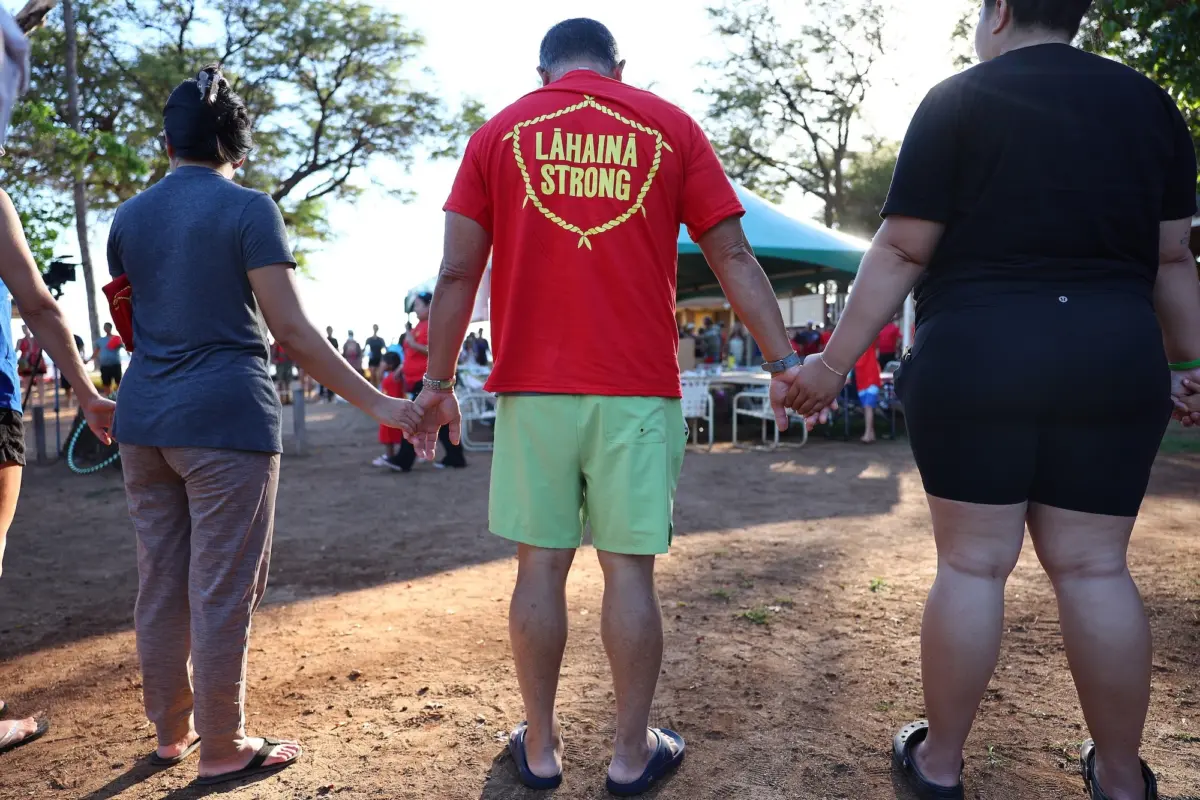
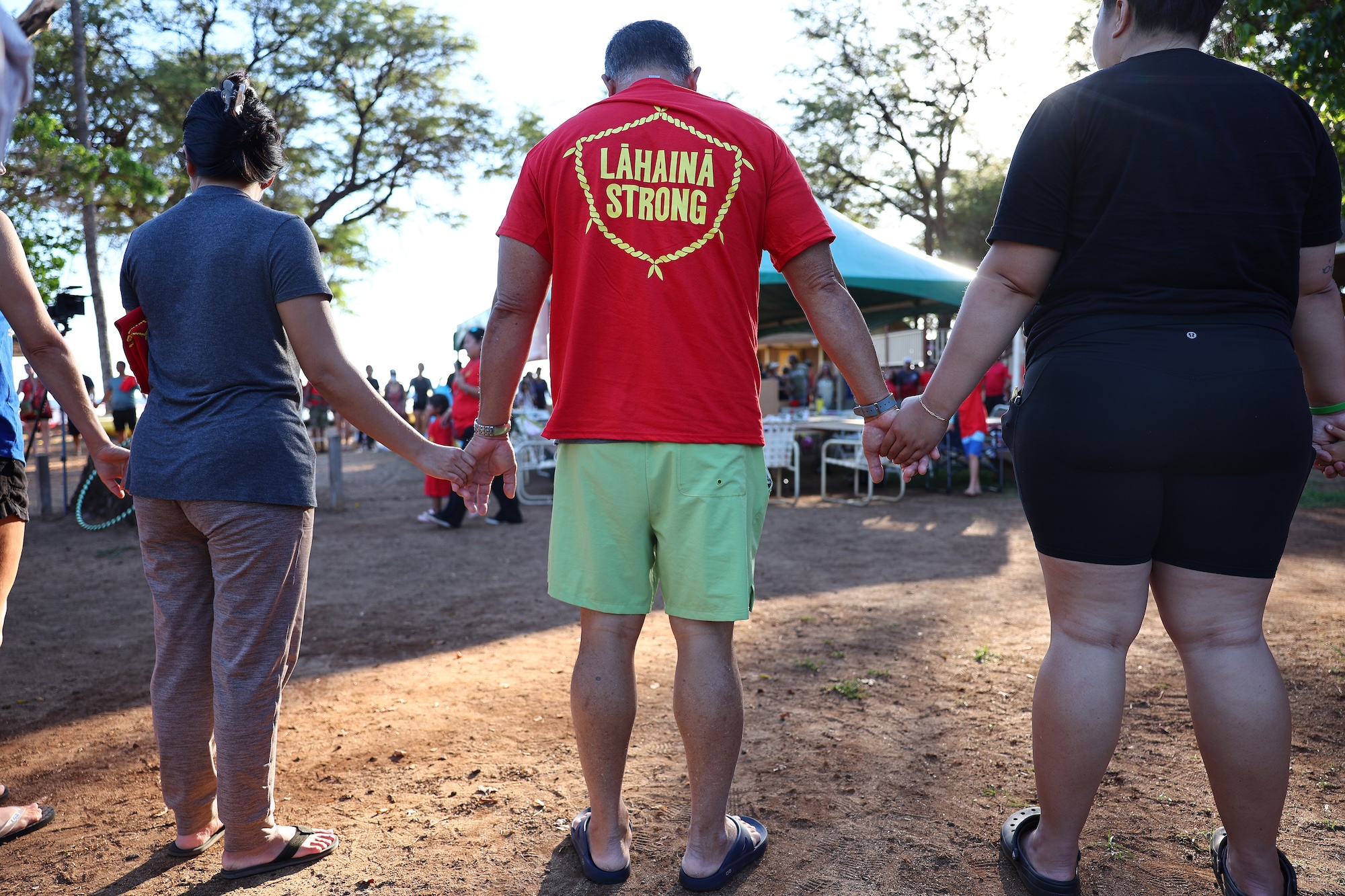
In August of 2023, a fast-moving and catastrophic series of wildfires swept across the island of Maui, leaving behind a trail of unimaginable grief and destruction. The disaster claimed the lives of more than 100 people, reduced thousands of homes and historical structures to ash, and caused billions of dollars in economic and structural damage. In the immediate aftermath, as the community reeled from the shock, grassroots mobilization became a vital lifeline. Noelani Ahia, who is Kanaka Maoli and co-founder of the Maui Medic Healers Hui, stepped forward to help mobilize nearly 600 volunteers in Lāhainā, bringing together doctors, nurses, and mental health therapists to deliver urgent care where official infrastructure fell short.
Nearly three years later, however, the acute emergency phase has given way to a grinding, multi-layered crisis. Housing shortages remain severe, healthcare systems are strained, and the psychological and physical scars of the disaster run deep. While the Maui Medic Healers Hui continues to operate a free clinic to support the population, Ahia notes that the demand far outstrips their capacity, remarking that she wishes they had ten more clinics to adequately address the community’s ongoing medical needs. "The fire may be out, but the catastrophe is not over by any stretch of the imagination," she reflected.
The devastation wrought by the August 2023 fires extended far beyond the immediate loss of life and the visible ruin of buildings. Research published last year by scientists with the University of Hawaiʻi at Mānoa’s Maui Wildfire Exposure Study, or MauiWES, revealed a troubling statistic: more than 1 in 5 residents surveyed suffered from reduced lung function in the wake of the disaster.
Now, new research emerging from the very same project has uncovered elevated levels of toxic metals in the bodies of island residents months after the fires took place. Crucially, this higher level of exposure was directly associated with impaired lung function. These findings offer further, sobering evidence that the health consequences of catastrophic wildfires can persist long after the flames have been extinguished and the smoke has finally cleared from the sky.
"What we consider and sometimes look at as a one-time event isn’t really one-time anymore," Alika Maunakea, who is Kanaka Maoli and co-director of MauiWES, told Grist.
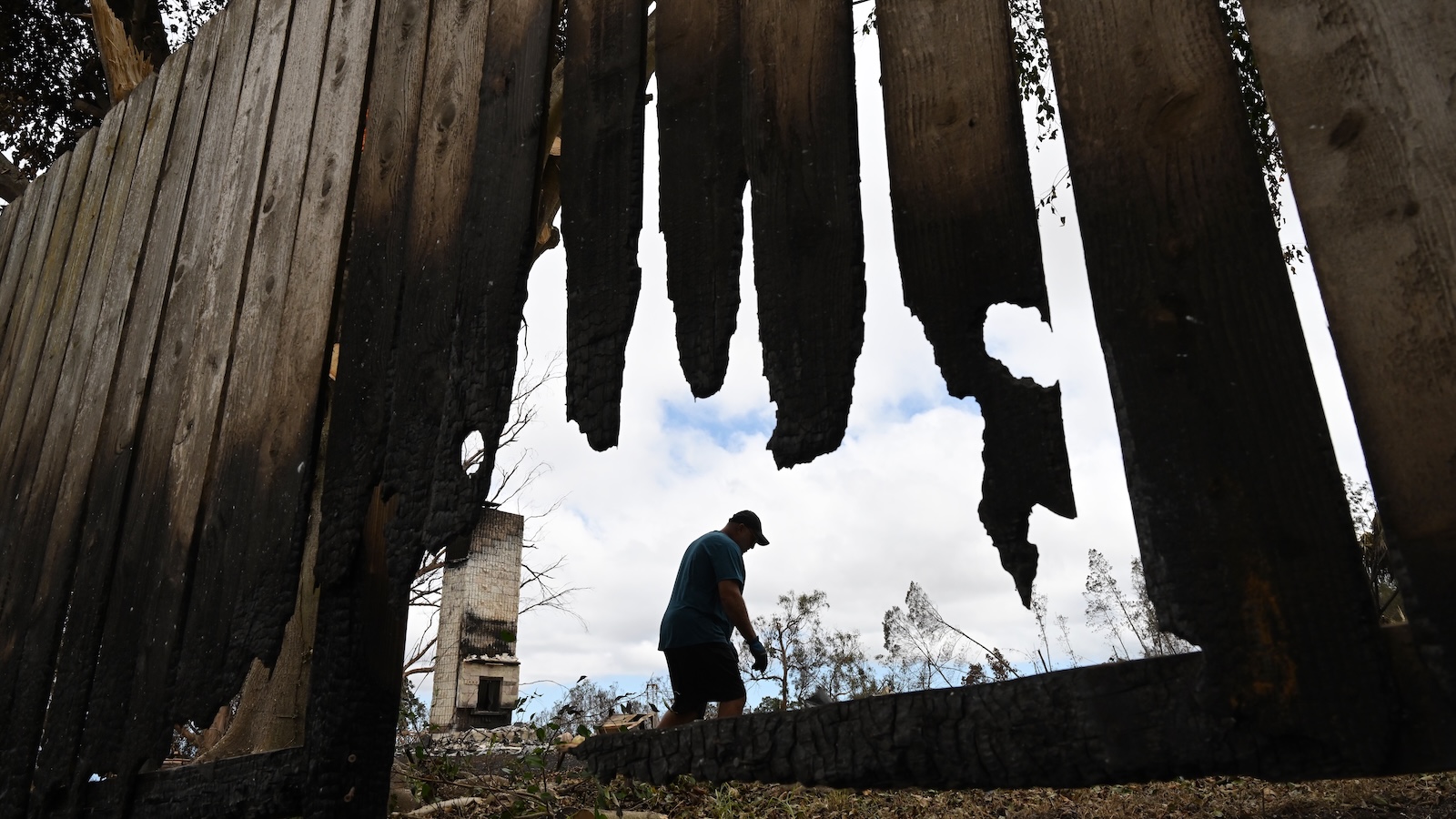
At present, researchers do not yet know the precise apportionment of the contamination—specifically, how much of the toxic burden came directly from the burning of the town during the fires versus what was already present in the local environment due to historical factors. That distinction carries profound implications as wildfires increasingly sweep through populated areas, tearing through towns like Lāhainā and major cities like Los Angeles. In these modern urban-wildland interfaces, the burning of homes, vehicles, infrastructure, and commercial properties leaves behind a complex cocktail of synthetic and chemical contaminants that people continue to encounter for months or even years afterward.
"We have traditionally thought about wildfire exposure primarily through the lens of smoke," Maunakea noted in a press release discussing the findings. "But when an entire community burns, we are dealing with a much more complicated exposure environment." He emphasized that researchers must untangle multiple variables: what contaminants were already present in the soil and water, what new toxins the fire may have released into the air and debris, and what eventually entered the bodies of the residents living nearby.
The recent study examined 1,400 adults across Maui between six and 18 months after the fires occurred, utilizing urine samples to measure the presence of 24 different metals. The analysis revealed that participants harbored significantly higher concentrations of several heavy metals than what was observed in a nationwide health survey conducted prior to the fires. Among the troubling discoveries were concentrations of arsenic at 2.2 times the national baseline, barium at 2.3 times the baseline, and manganese at an alarming 3.8 times the baseline. Even more stark was the finding regarding antimony—a toxic substance commonly used in flame-retardant materials that has been previously linked to lung irritation, stomach pain, and a variety of other adverse health symptoms—which appeared at levels nearly 40 times higher than typical background rates.
Because the research team lacks comparable biomonitoring data from the population prior to the disaster, they cannot yet definitively state the exact proportion of metal exposure that directly resulted from the wildfire event itself. Maunakea told Grist that answering this complex question is the primary next step for the project, which has been bolstered by a $3.6 million grant from the National Institute of Environmental Health Sciences. This upcoming phase of research will involve deep investigations into whether, and to what degree, past agricultural and industrial activities on the island contributed to the baseline environmental contamination.
"It’s important to realize that these are all part of settler colonialism," Ahia pointed out, connecting the current environmental health crisis to historical policies and land management practices. "So what we’re looking at is confounding factors that are to the detriment of the health of our local people."
Decades of intensive plantation agriculture profoundly altered the island’s natural water systems, introduced heavy loads of herbicides and pesticides, and displaced native flora and fauna, leaving an enduring ecological legacy that is still felt today. When sudden disasters like extreme wildfires and severe storms strike, they tend to compound these pre-existing environmental and structural vulnerabilities.
"If we begin the story when the fire starts, we miss the decisions that shaped the landscape and the community’s ability to respond," said Katie Kamelamela, who is Kanaka Maoli and an assistant professor at Arizona State University based in Hawaiʻi. "Micro climate change acts on places already shaped by histories of land ownership, water diversion, development, and unequal access to resources."
Kamelamela argues that true recovery must be measured by criteria that extend far beyond physical rebuilding. "I want recovery to be measured by whether people can remain in their communities, care for ʻāina, and pass on their knowledge and practices in place," she said, using the Hawaiian word for land, which encompasses a deep cultural and relational meaning far beyond Western notions of property or mere geography. "Rebuilding should not recreate the same conditions that left people at risk. Caring for ʻāina and caring for people need to be funded and planned together."
For Maunakea, navigating this multitude of intersecting pressures was a primary motivation for pursuing the research in the first place. As global climate change continues to accelerate, longstanding systemic issues facing Native Hawaiians—such as chronic housing shortages, the socioeconomic strains and environmental footprints of mass tourism, and the toxic legacies of the plantation era—work to amplify modern hazards. "We worry that disasters like this that we experience on Maui, as well as the floods and other storms that we’re experiencing now, is just going to continue widening the gaps in health disparities that already exist in those populations," he warned.
As the Maui Wildfire Exposure Study looks toward the future, its mission extends beyond data collection and scientific publication to active community support. The project is designed to ensure that study participants directly receive their individual health results, have opportunities to discuss the findings openly, and are connected with healthcare professionals for guidance. "People now know that there’s these types of potential hazards, and what to do about them is a big concern," Maunakea concluded. "We still don’t have all the answers for sure, but we are taking the next steps to get a better picture and inform our community around it."