
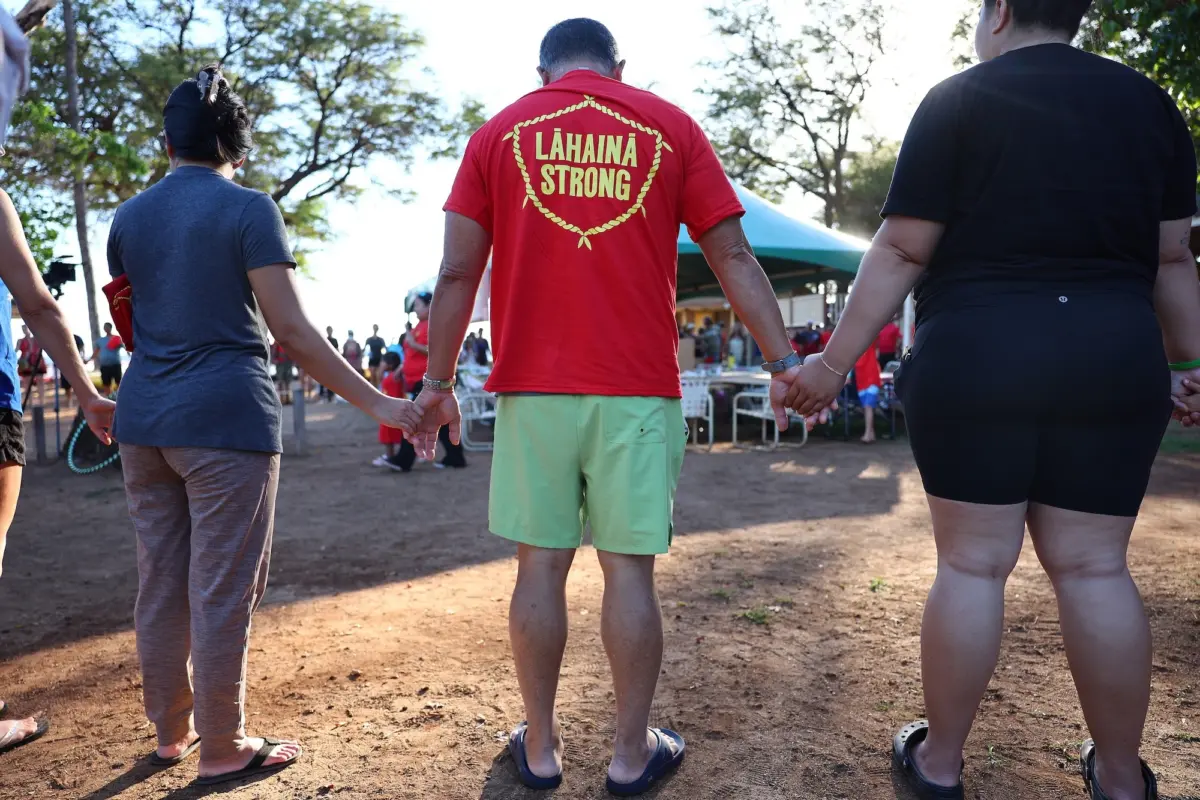
Nearly three years after a devastating series of wildfires swept across Maui in August 2023, claiming more than 100 lives, reducing thousands of homes to ash, and causing billions of dollars in damage, the island’s emergency is far from over. While the visible flames have long been extinguished, a compounding network of health, housing, and environmental crises continues to grip the local community, leaving deep scars that defy a simple timeline of recovery.
Noelani Ahia, a Kanaka Maoli resident and co-founder of the Maui Medic Healers Hui, remembers all too well the initial scramble to mobilize resources. In the immediate aftermath of the disaster, Ahia helped rally nearly 600 volunteers in Lahaina, bringing together a dedicated network of doctors, nurses, and mental health therapists to provide urgent care. Today, however, the emergency response has had to transition into a protracted, exhausting marathon.
While the Maui Medic Healers Hui continues to operate a free clinic to serve displaced and vulnerable residents, Ahia notes that the scale of the ongoing need vastly outstrips their capacity. “The fire may be out, but the catastrophe is not over by any stretch of the imagination,” she said.
The devastation wrought by the August 2023 disaster extended far beyond the immediate loss of life and structural destruction. As the community tried to catch its breath, researchers began uncovering the insidious, long-term toll the fires took on the human body. Last year, a landmark study published by researchers with the University of Hawaiʻi at Mānoa’s Maui Wildfire Exposure Study, or MauiWES, revealed a startling statistic: more than 1 in 5 residents surveyed suffered from reduced lung function in the wake of the disaster.
Now, groundbreaking new research from the same project has uncovered elevated levels of toxic metals in the blood and urine of island residents months after the fires occurred. Even more concerning, the study found a direct correlation between higher exposure to these heavy metals and impaired lung function. These findings provide compelling, sobering evidence that the health consequences of catastrophic wildfires can persist long after the smoke clears and the rebuilding process begins.
Alika Maunakea, a Kanaka Maoli researcher and co-director of MauiWES, points out that the disaster forces a fundamental shift in how scientists and public health officials must view modern fire events. “What we consider and sometimes look at as a one-time event isn’t really one-time anymore,” Maunakea told Grist.
As climate change accelerates and dry conditions become more frequent, wildfires are increasingly encroaching on populated areas. Disasters like the one in Lahaina—and subsequent catastrophic fires in mainland communities like Los Angeles—involve the combustion of modern residential areas. When homes, vehicles, commercial buildings, and underlying urban infrastructure burn, they release a complex cocktail of synthetic chemicals and heavy metals that settle into the environment, where residents are forced to live, work, and breathe among them for months or even years afterward.
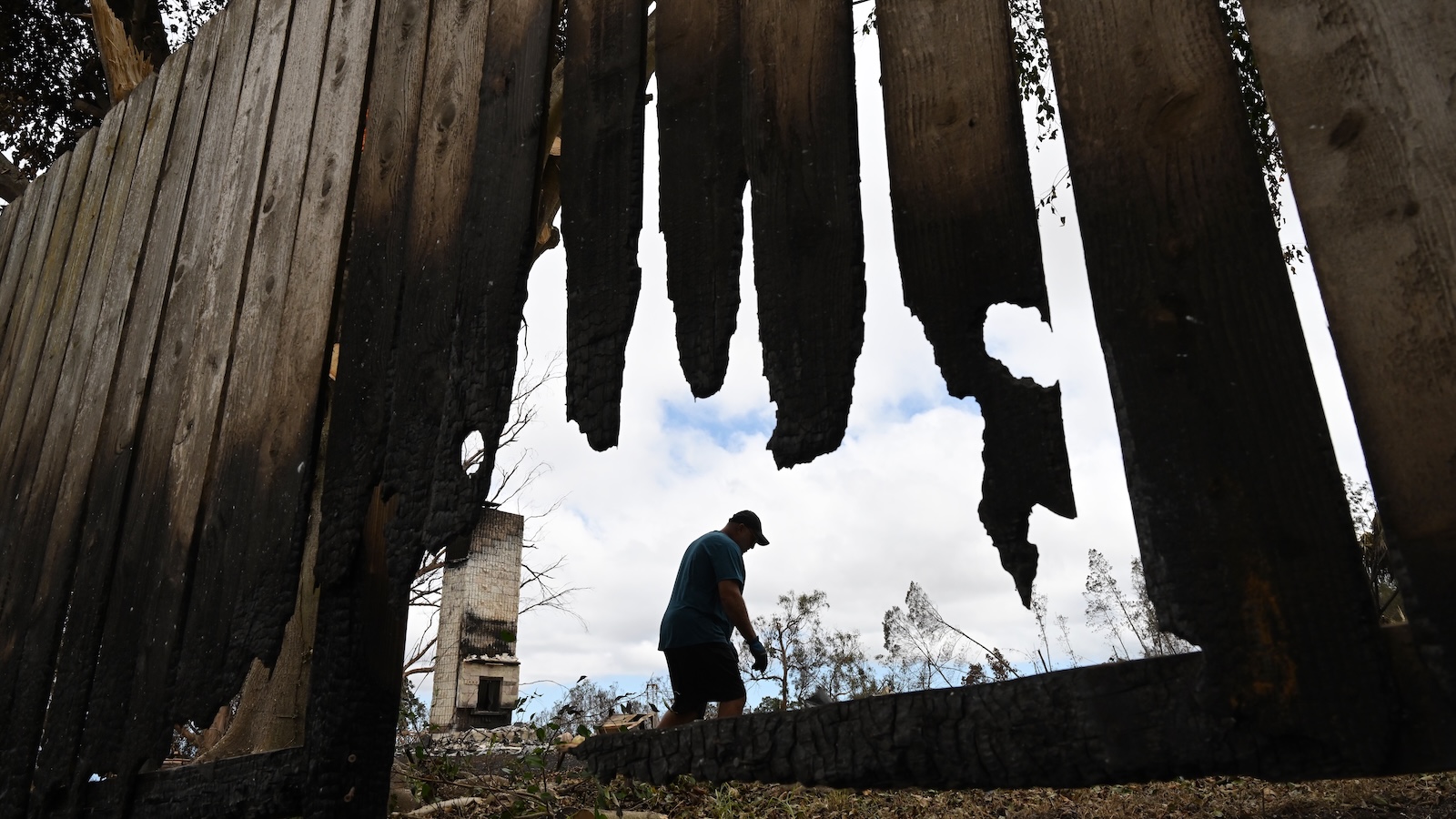
“We have traditionally thought about wildfire exposure primarily through the lens of smoke,” Maunakea explained in a press release detailing the findings. “Pero when an entire community burns, we are dealing with a much more complicated exposure environment.” Unraveling this environment requires scientists to look at multiple variables simultaneously: determining what contaminants were naturally or historically present in the soil, what dangerous substances were released by the burning structures, and precisely what toxic elements ultimately entered the bodies of the residents.
The latest MauiWES research evaluated 1,400 adults across Maui between six and 18 months after the fires, analyzing 24 different metals in urine samples. The results were alarming. Participants exhibited significantly higher concentrations of several toxic metals compared to baseline data collected from a nationwide health survey conducted before the fires took place.
The numbers paint a stark picture of post-disaster contamination. Residents showed roughly 2.2 times as much arsenic, 2.3 times as much barium, and 3.8 times as much manganese as the pre-fire national averages. Most strikingly, levels of antimony—a toxic element commonly utilized in flame-retardant materials and previously linked to respiratory irritation, severe stomach pain, and other adverse health symptoms—were found at concentrations nearly 40 times higher than the baseline comparison group.
However, because the researchers lack comprehensive, localized biological data from the island population before the disaster occurred, they cannot yet definitively state what exact percentage of these metal concentrations was directly discharged by the burning town versus what was already lingering in the local environment.
Addressing this crucial knowledge gap is the primary objective for the next phase of the MauiWES project, which has been bolstered by a $3.6 million research grant from the National Institute of Environmental Health Sciences. Future investigations will dive deep into the island’s past, examining whether and to what degree historical agricultural and industrial activities left behind heavy metal residues that were subsequently stirred up or vaporized by the unprecedented heat of the fires.
For local community leaders and researchers, separating the immediate impacts of the fire from historical context is impossible. “It’s important to realize that these are all part of settler colonialism,” Ahia said, reflecting on the systemic roots of vulnerability in Hawaiʻi. “So what we’re looking at is confounding factors that are to the detriment of the health of our local people.”
For generations, plantation agriculture reshaped the Hawaiian landscape, altering natural water systems, introducing heavy loads of herbicides, and systematically displacing native flora. The legacy of these practices continues to reverberate across the islands today. When modern climate-driven disasters like catastrophic wildfires or severe storms strike, they do not occur in a vacuum; instead, they compound longstanding environmental degradation and socio-economic vulnerabilities.
“If we begin the story when the fire starts, we miss the decisions that shaped the landscape and the community’s ability to respond,” said Katie Kamelamela, a Kanaka Maoli scholar and assistant professor at Arizona State University who is based in Hawaiʻi. “Micro climate change acts on places already shaped by histories of land ownership, water diversion, development, and unequal access to resources.”
Kamelamela emphasizes that true recovery must be measured by metrics that go far beyond square footage rebuilt or economic output restored. “I want recovery to be measured by whether people can remain in their communities, care for ʻāina, and pass on their knowledge and practices in place,” she said, utilizing the Hawaiian word for land, which carries a profound cultural and relational significance far deeper than Western concepts of property. “Rebuilding should not recreate the same conditions that left people at risk. Caring for ʻāina and caring for people need to be funded and planned together.”
This convergence of intersecting historical, environmental, and social pressures is precisely what drove Maunakea and his colleagues to pursue their line of inquiry. As global temperatures continue to rise, long-standing systemic issues facing Native Hawaiians—such as severe housing shortages, the socioeconomic strains and environmental footprints of mass tourism, and the toxic legacies of the plantation era—act as force multipliers for modern disasters.
“We worry that disasters like this that we experience on Maui, as well as the floods and other storms that we’re experiencing now, is just going to continue widening the gaps in health disparities that already exist in those populations,” Maunakea warned.
Rather than merely collecting data and leaving the community behind, the MauiWES project is designed to be an active resource for the people participating in it. Moving forward, the research team is ensuring that study participants receive their personal health results, have opportunities to discuss the findings openly, and are connected directly with medical professionals who can help them navigate their health concerns.
“People now know that there’s these types of potential hazards, and what to do about them is a big concern,” Maunakea said. While acknowledging the limits of current scientific certainty, he remains committed to transparency and community empowerment. “We still don’t have all the answers for sure, but we are taking the next steps to get a better picture and inform our community around it.”