
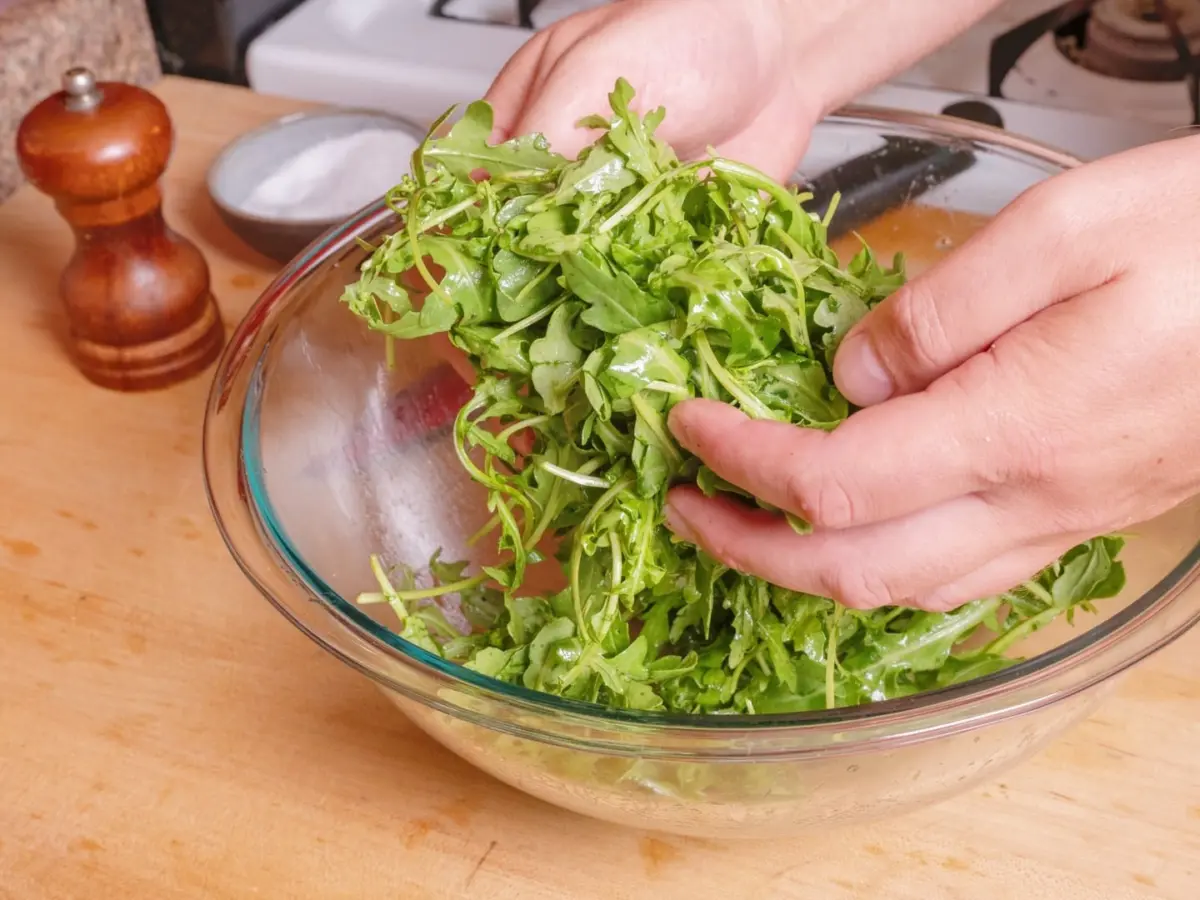
In the modern kitchen, reliance on recipes can sometimes stifle intuitive cooking. That is the premise behind "Back to Basics," a recurring feature series exploring fundamental kitchen techniques and pieces of culinary wisdom designed to fundamentally alter how home cooks approach food preparation. Rather than encouraging the memorization of yet another specific formula, the initiative focuses on imparting foundational understanding so deep that the recipe itself becomes entirely unnecessary.
One of the most profound areas for this culinary liberation is in the preparation of salad dressings. Food writer, recipe developer, and cookbook author Casey Elsass notes that he has not measured the ingredients for a salad dressing in years. Once a cook grasps the basic underlying formula—and, perhaps more importantly, understands how to troubleshoot when the flavor profile is slightly off—there is truly no functional reason to consult a written guide.
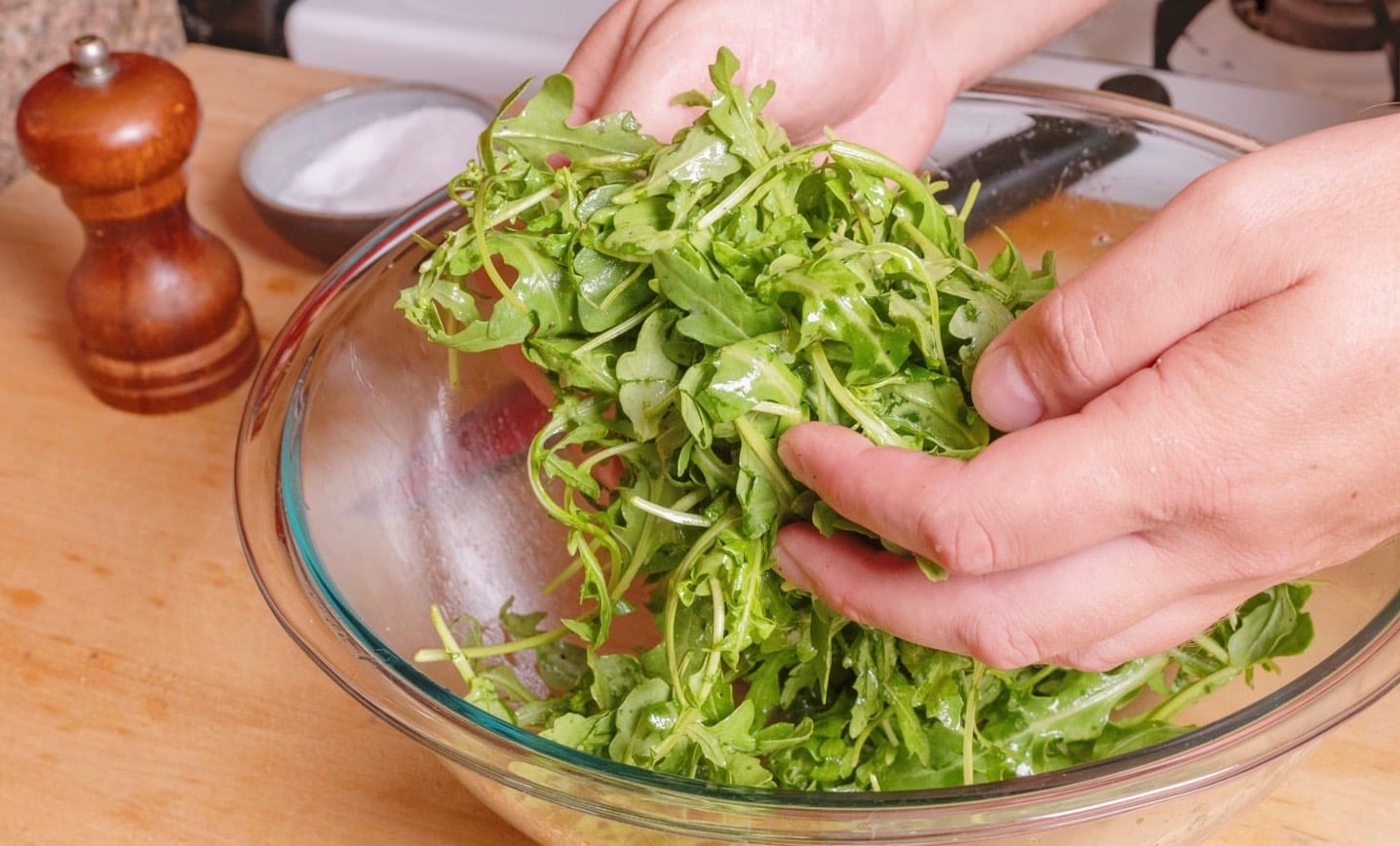
At its core, the architecture of a classic vinaigrette relies on a straightforward trinity: oil, acid, and salt. Everything introduced beyond those three foundational elements serves as an opportunity for creative flavor enhancement. Understanding how these components interact transforms the dressing-making process from a rigid procedural task into an intuitive, sensory experience.
The process begins with the acid. A wide array of liquids can serve this purpose, each imparting a distinct character to the final dressing. Options range from red wine vinegar, white wine vinegar, champagne vinegar, sherry vinegar, and apple cider vinegar to rice vinegar and freshly squeezed lemon juice. A straightforward selection like red wine vinegar or fresh lemon juice offers an ideal starting point for novices. As cooks grow more comfortable with the dynamics of acidity, they can begin branching out and even blending different acids together to achieve a sophisticated balance of flavors.
Once the acid is chosen, the next phase involves building flavor depth. Elsass highlights several favorite additions that can elevate a simple dressing, including honey, Dijon mustard, grated garlic, minced shallots, chopped fresh herbs, a spoonful of fig jam, the final scrapings of pesto from a nearly empty jar, a splash of pepperoncini brine, a teaspoon of miso paste, or even a mashed anchovy. Naturally, these elements are not meant to be combined all at once, but rather deployed according to personal preference and the specific ingredients at hand. When working with pungent aromatics like raw garlic or shallots, allowing the ingredients to rest directly in the acid for approximately five minutes helps mellow their sharp bite before the oil is introduced.
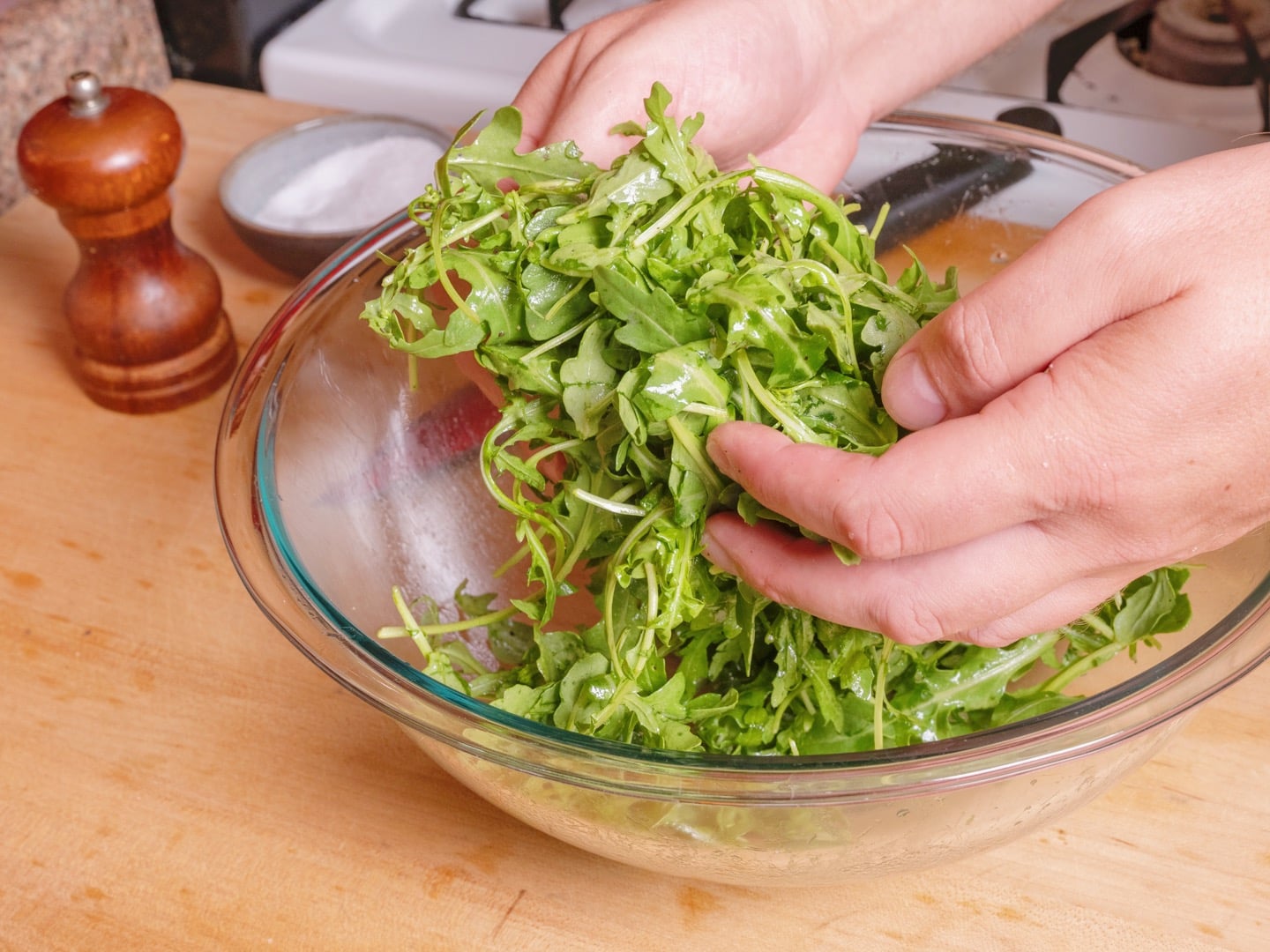
A crucial technical detail in building the vinaigrette is the sequencing of salt. Seasoning should always occur before the oil is added, as salt dissolves significantly better in an acidic liquid than in fat. Being appropriately generous with the initial pinch of salt is important, considering that the resulting dressing will ultimately need to season an entire bowl of greens. A vigorous whisking or shaking at this stage ensures the salt is fully incorporated into the acid.
When it comes to proportions, tradition dictates a classic vinaigrette ratio of three parts oil to one part acid. However, personal preference often dictates a slight deviation from this standard. Cooks who favor punchy, vibrant flavors frequently lean closer to a two-to-one ratio. To save time and minimize dirty dishes, home cooks are encouraged to bypass measuring spoons entirely, simply eyeing a pour of oil that amounts to roughly two to three times the volume of the acid, depending on personal taste. Another thorough whisking or shaking brings the mixture together into a cohesive emulsion.
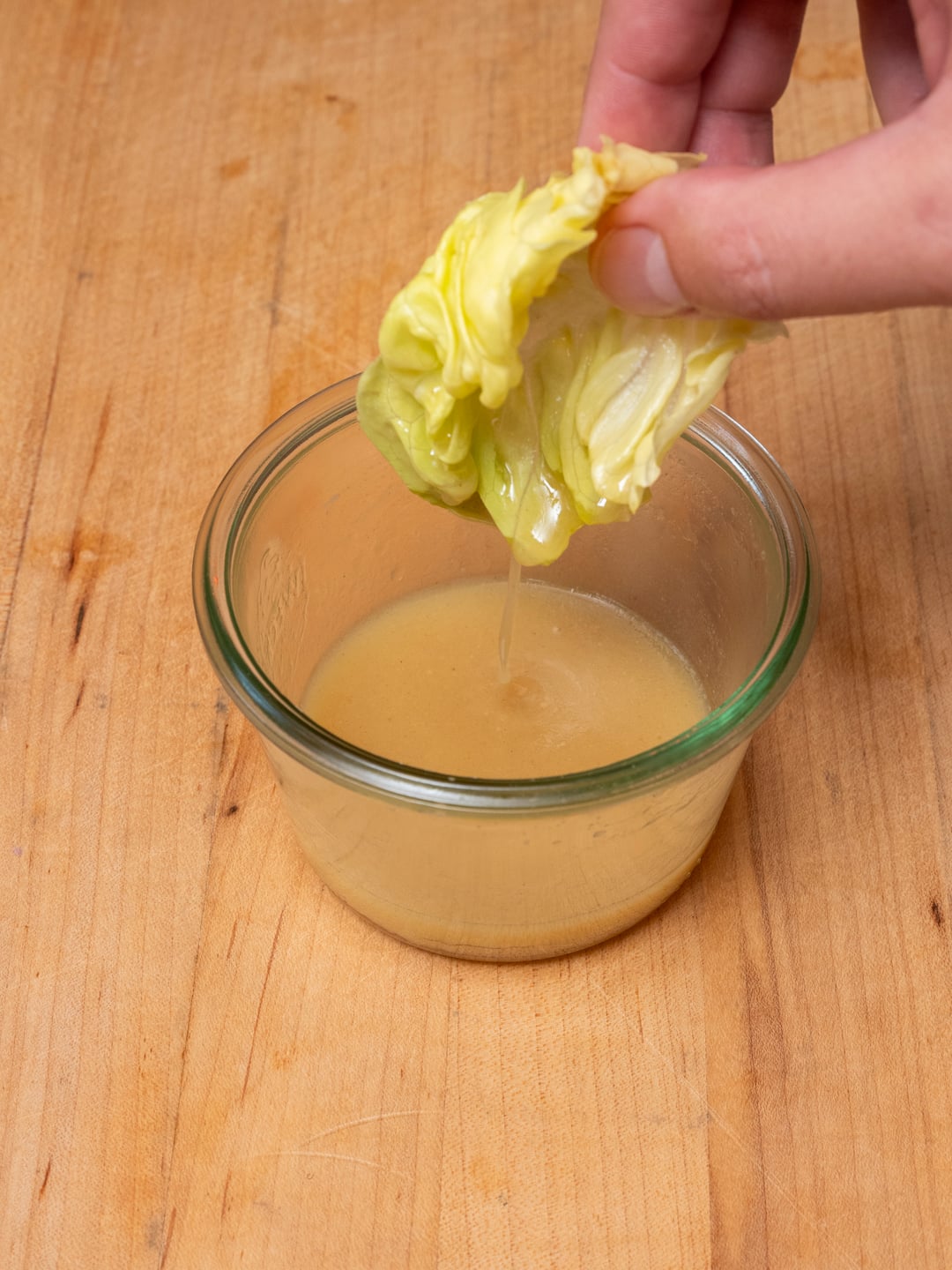
The ultimate test of any vinaigrette, however, cannot be conducted on a bare spoon. Elsass emphasizes that the only reliable method for an accurate taste test is to pluck a leaf of lettuce directly from the intended salad, dip it into the freshly prepared dressing, and sample it in situ. This technique reveals how the dressing actually clings to and interacts with the greens. If the mixture tastes overly sharp, the remedy is simply to introduce a bit more oil. If it tastes bland or muted, adding a touch more acid will brighten it. When bitterness rears its head, a small squeeze of honey can round out the profile. If the flavor feels flat, an extra pinch of salt will bring it to life, while over-salting can easily be corrected with another splash of oil. By making these minute, incremental adjustments, the cook arrives at a perfectly balanced dressing tailored precisely to the greens it will coat.
This intuitive approach transforms everyday kitchen scraps into culinary opportunities. Rather than viewing cooking through the lens of rigid constraints, embracing the choose-your-own-adventure nature of a basic vinaigrette allows a cook to look at half a lemon, a few stray sprigs of dill, and the bottom of a mustard jar not as random clutter, but as the exciting genesis of a vibrant meal.
Casey Elsass is a Brooklyn-based food writer, recipe developer, and author of the bestselling cookbook "What Can I Bring?: Recipes to Help You Live Your Guest Life," alongside having co-authored more than thirty other cookbooks. His writing has been featured in prominent publications including The New York Times, New York Magazine, Bon Appétit, NPR, Food52, and Cup of Jo. Photography for the feature was provided by Pacifico Silano.