
The stock market has long been a source of both immense wealth creation and perpetual anxiety. As major indices continue to scale historic valuations, driven largely by a frenzied boom in Artificial Intelligence, investors frequently find themselves wrestling with a familiar question: does a massive market surge inevitably precede an even bigger crash?

This tension is especially pronounced for individuals tracking retirement portfolios against the backdrop of modern technological disruption. For those who have largely tuned out financial market drama, the core narrative of the current AI boom is straightforward: rapid advancements in computing power have captured global attention, massive capital expenditures are flowing into semiconductor and software infrastructure, and investors are betting heavily on a transformative shift in the global economy. Yet, this enthusiasm has sparked widespread concern that the mania surrounding AI is moving too fast and reaching unsustainable heights, setting the stage for a repeat of the dot-com crash of the early 2000s.

That earlier tech boom played a pivotal role in the early career path of internet financial commentator and early retirement advocate Mr. Money Mustache, who experienced firsthand how the subsequent market correction threatened employment stability and personal milestones. Today, as waves of investors seek perspective on the current investment cycle, these historical parallels have resurfaced in public discussions, including recent presentations at the Camp FI Midwest event and upcoming appearances at the Bogleheads conference.

Will Market Bubbles Ruin Retirement?
Reflecting on more than two decades of retirement, financial commentators often encounter a recurring question from anxious observers: how can anyone remain comfortable and sleep soundly given the state of the world?

A look back at the news cycles of previous decades reveals that this background anxiety is a permanent fixture of public life. In 2006, investors worried about geopolitical conflicts in the Middle East, escalating national debt, stubborn inflation, and a precarious housing market that many feared was overvalued. Back then, widespread anxiety also focused on the potential loss of domestic jobs through outsourcing to emerging economies like India and China, alongside urgent debates regarding peak oil and impending fossil fuel shortages.

Despite those profound concerns, the subsequent two decades demonstrated considerable economic and technological resilience. While the global financial crisis of 2008 delivered the most severe market downturn since the Great Depression, long-term market charts indicate that patient investors who maintained their strategies ultimately saw substantial portfolio growth. Furthermore, broader global indicators improved significantly over the same twenty-year period. The proportion of the global population living in extreme poverty declined sharply, infant mortality rates dropped, clean energy adoption accelerated with dramatic reductions in solar panel costs, and electric vehicle adoption expanded worldwide.

This historical trajectory raises a fundamental question for contemporary markets: is the current economic environment fundamentally different, or are fears surrounding the U.S. national debt and the AI bubble simply modern iterations of past anxieties? Financial media frequently amplifies worst-case scenarios, often overlooking the foundational driver of long-term economic expansion—human productivity.

Productivity as the Foundation of Prosperity
Economic history suggests that genuine prosperity stems from productivity rather than temporary fluctuations in financial systems or stock market indices. The financial system itself is a human construct; when historical market shocks occur, economies routinely adapt, restructure, and continue developing innovative tools to enhance output.

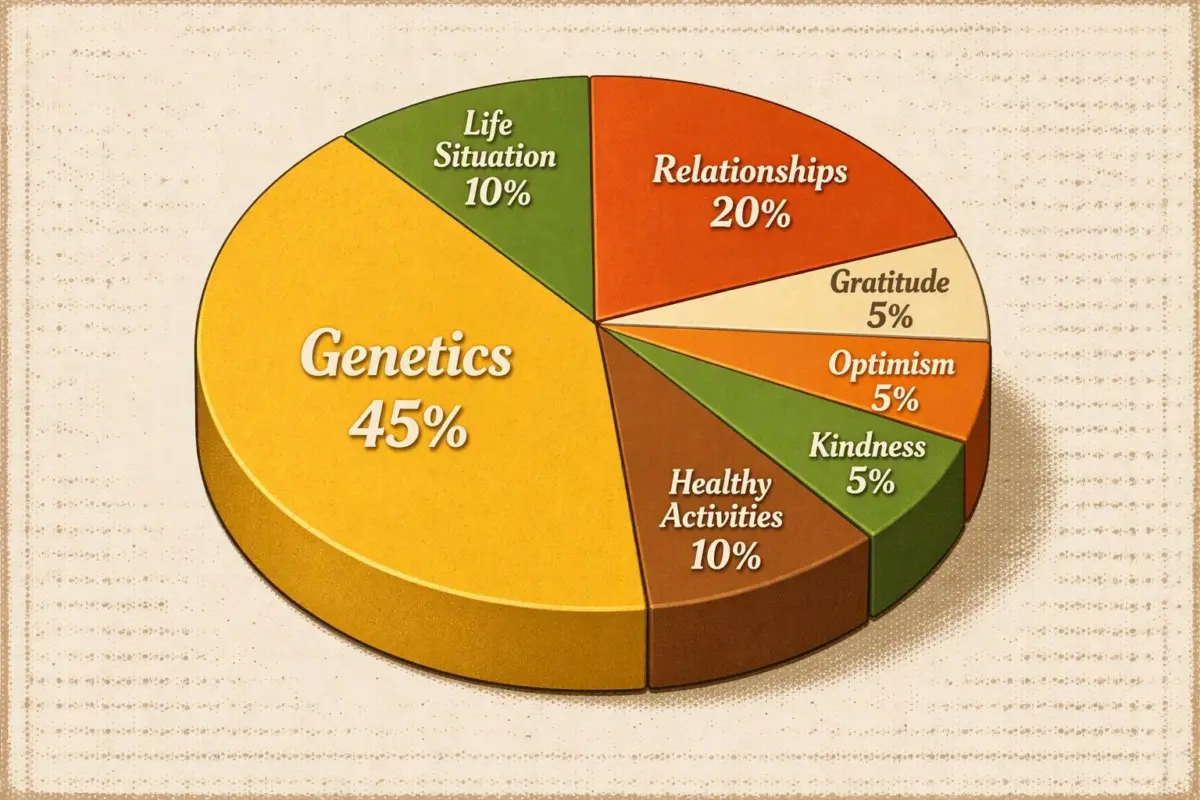
Beyond economic output, research into human well-being suggests that once basic material standards of living are met, additional wealth ceases to be the primary driver of happiness. Psychological factors, personal relationships, optimism, and physical health play a far more significant role in determining overall life satisfaction. Yet, pervasive background fear often persists, driven by human evolutionary traits that function as danger detection mechanisms.

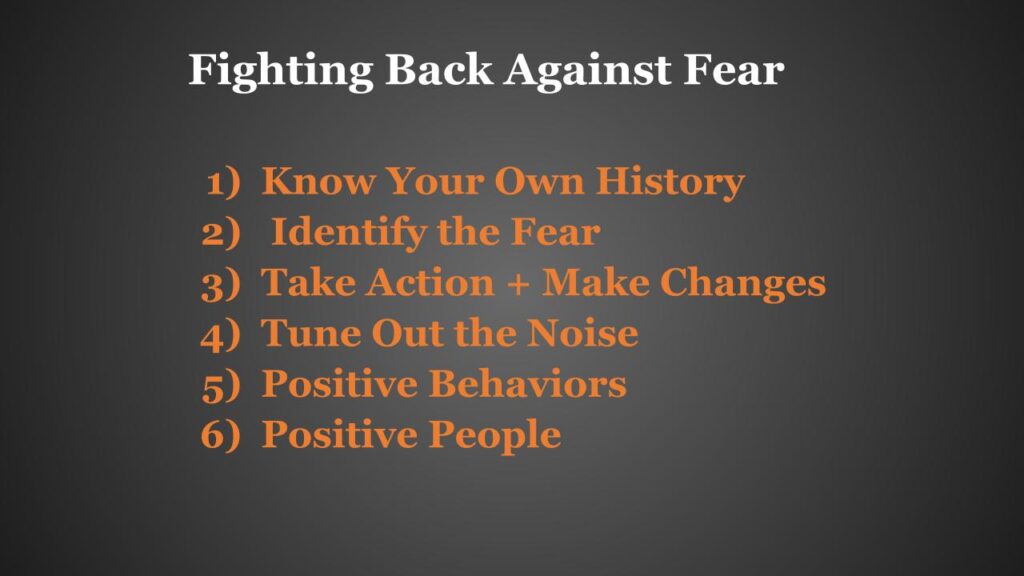
Human psychology is wired to identify and react to threats. However, once immediate physical dangers and material scarcity are addressed, this vigilance frequently redirects toward abstract concerns, ranging from economic uncertainty and societal status to complex tax planning and government retirement distribution rules. Recognizing the root causes of financial anxiety—whether rooted in personal history, past trauma, or cultural conditioning—allows individuals to distinguish between objective current realities and emotional responses to uncertainty.

Taking deliberate action remains one of the most effective methods for countering fear. By familiarizing oneself with unfamiliar situations, individuals build resilience and adaptability. Moreover, curating information diets by reducing exposure to sensationalized daily news and focusing instead on constructive behaviors and optimistic communities can significantly alter one’s perspective on future uncertainties.
Viewing Technological Shifts as Experiments
Approaching major life transitions and economic shifts with an experimental mindset offers a constructive framework for handling change. Whether applied to personal decisions or macroeconomic developments like the rise of Artificial Intelligence, treating unknowns as experiments helps neutralize panic.

Rather than succumbing to doom-scrolling and apprehension regarding AI, financial analysts and technologists often view the technology through the lens of productivity enhancement. AI functions essentially as a cognitive tool capable of dramatically increasing efficiency across various sectors. While this technological leap inevitably displaces certain entry-level administrative and technical roles, historical precedent shows that such innovations also reduce service costs and give rise to entirely new industries, much like the expansion of the internet and mobile computing ecosystems.

Ultimately, technological revolutions concentrate rewards among capital owners and shareholders while reshaping the broader labor market. Navigating these shifts requires recognizing that financial markets and technological advancements present choices rather than predetermined catastrophes. By addressing the root causes of fear, focusing on personal resilience, and maintaining a long-term perspective on productivity and human ingenuity, individuals can better navigate whatever economic landscape lies ahead.