
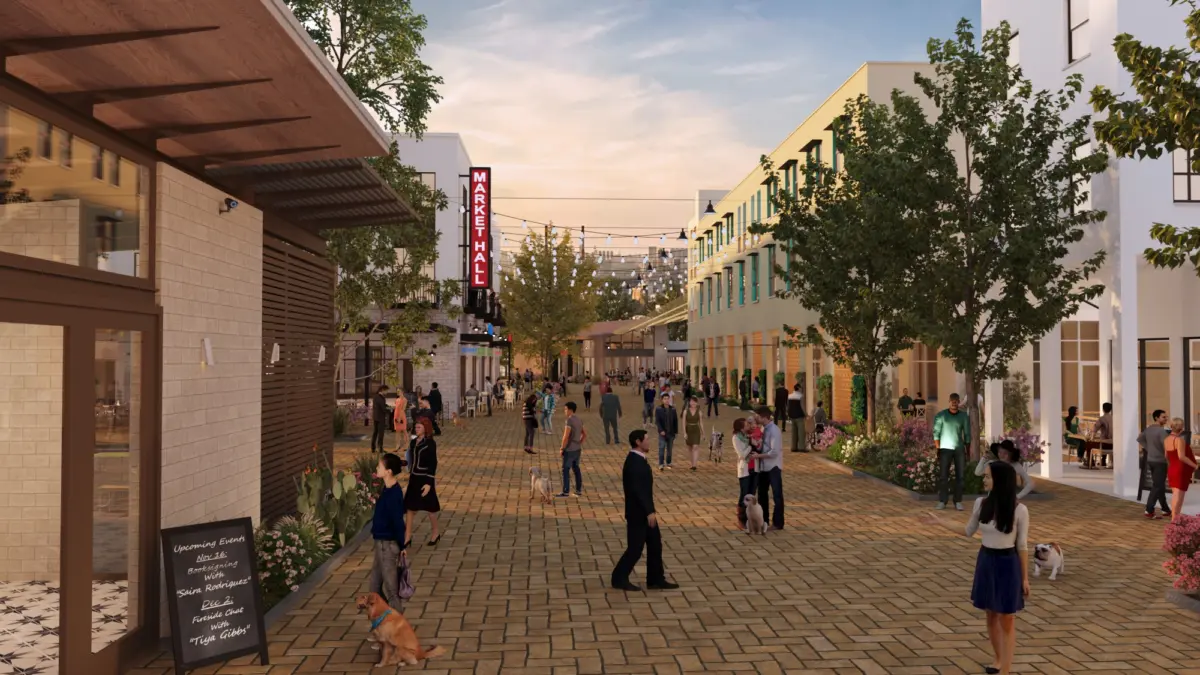
In the ongoing conversation surrounding personal finance, lifestyle design, and sustainable living, few voices carry the distinctive perspective of the financial independence advocate known as Mr. Money Mustache. Over the years, discussions within this community have evolved beyond basic budgeting and investment strategies to examine the broader psychology of happier living, health, and fitness. However, according to recent commentaries from urban design advocates, there is a single structural factor that ties all these elements together with remarkable synergy: the foundational layout of our cities.
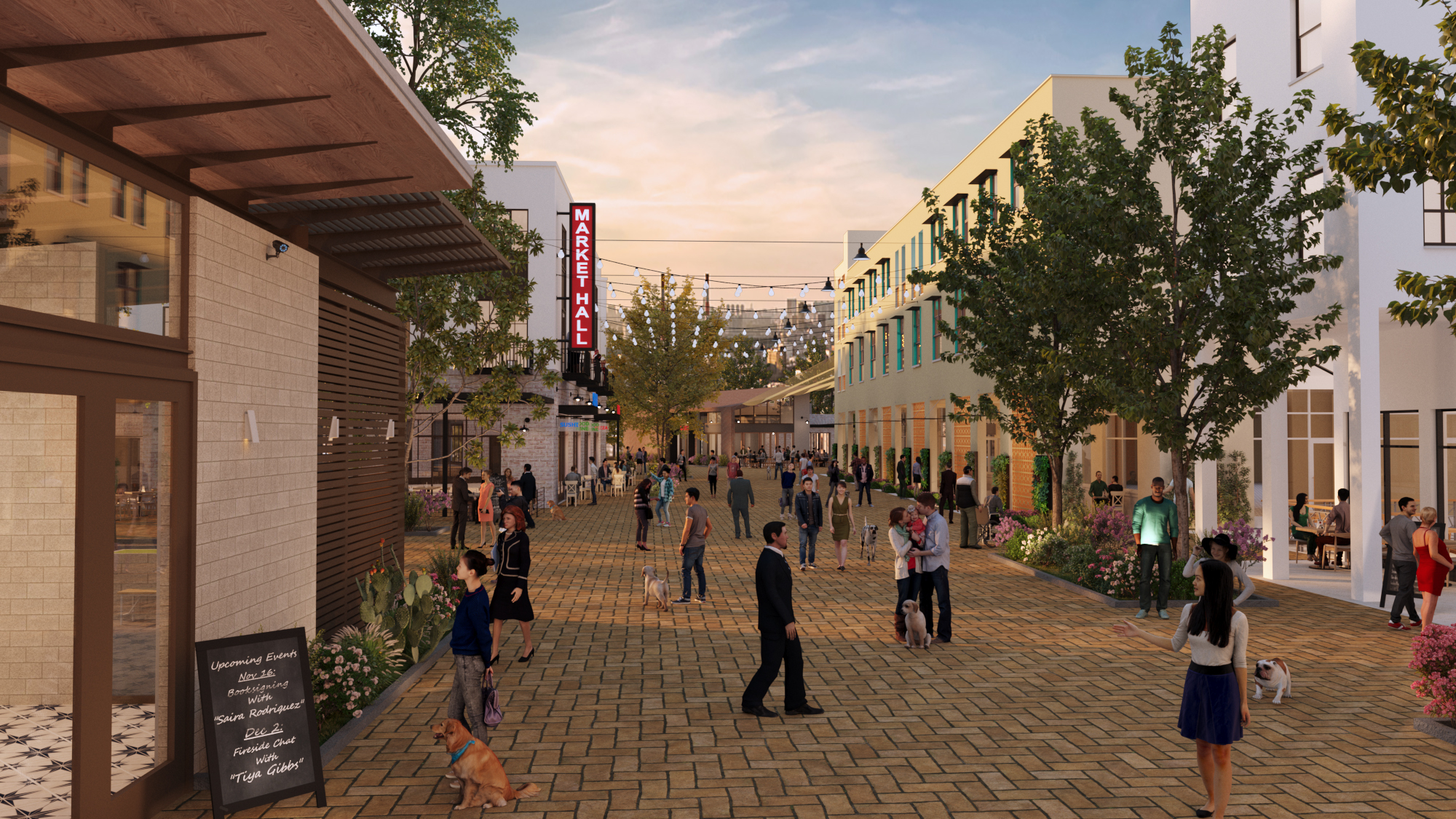
The core argument rests on a radical yet simple proposition: that modern societies should immediately shift from building and maintaining cities structured around automobiles to designing them entirely around people. Proponents of this shift argue that retrofitting existing urban spaces and planning new ones for pedestrian-friendly living would yield profound economic, physical, and social benefits.
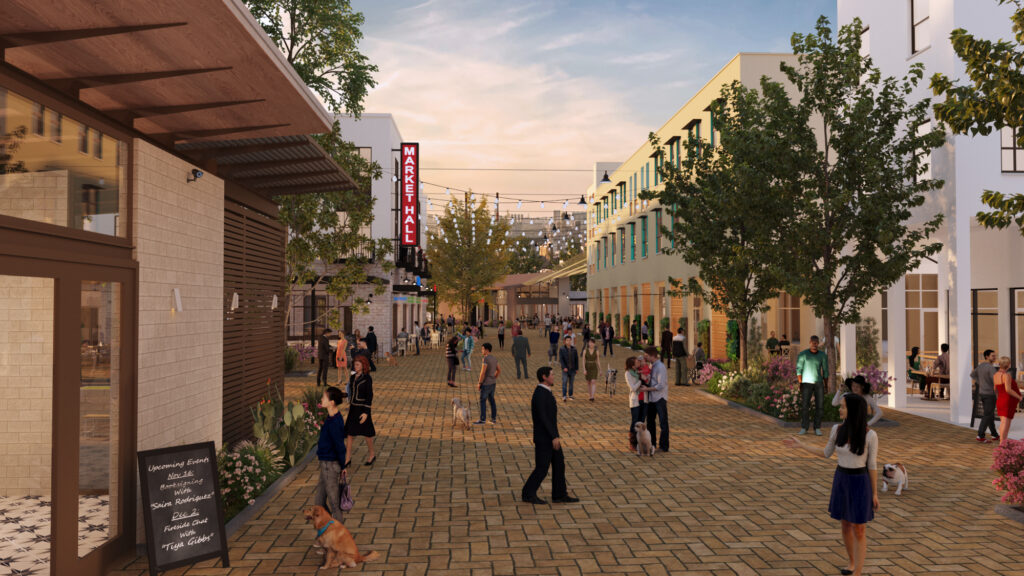
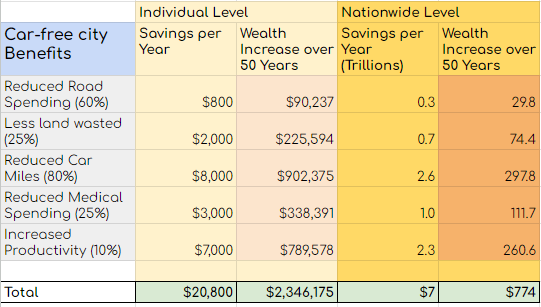
Conservative estimates suggest that human-centric urban design could deliver a life boost valued at more than $20,000 per person annually, compounding into millions of dollars over an adult lifetime. Scaled nationally across the United States, such a transformation could theoretically increase economic wealth by approximately seven trillion dollars per year, compounding over decades to surpass the current total wealth of the global population. Beyond financial metrics, proponents point to broader quality-of-life improvements, including more affordable housing, spacious neighborhoods, and stronger public health outcomes that reduce overall healthcare maintenance burdens.
The Hidden Cost of Car-Centric Infrastructure
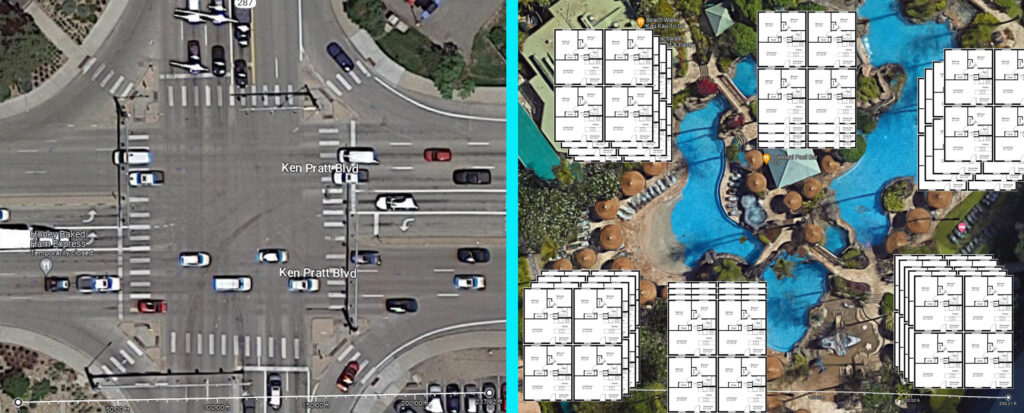
To understand the scale of the inefficiency in current urban planning, advocates point to the sheer volume of land dedicated exclusively to motor vehicles. Standard parking spaces and wide multi-lane intersections consume vast amounts of municipal real estate. For instance, the physical footprint required to park two automobiles can often accommodate a modest two-bedroom apartment. Similarly, a typical large urban intersection frequently encompasses more than an acre of space—enough room to support substantial residential housing alongside communal green spaces, local commerce, and recreational amenities.
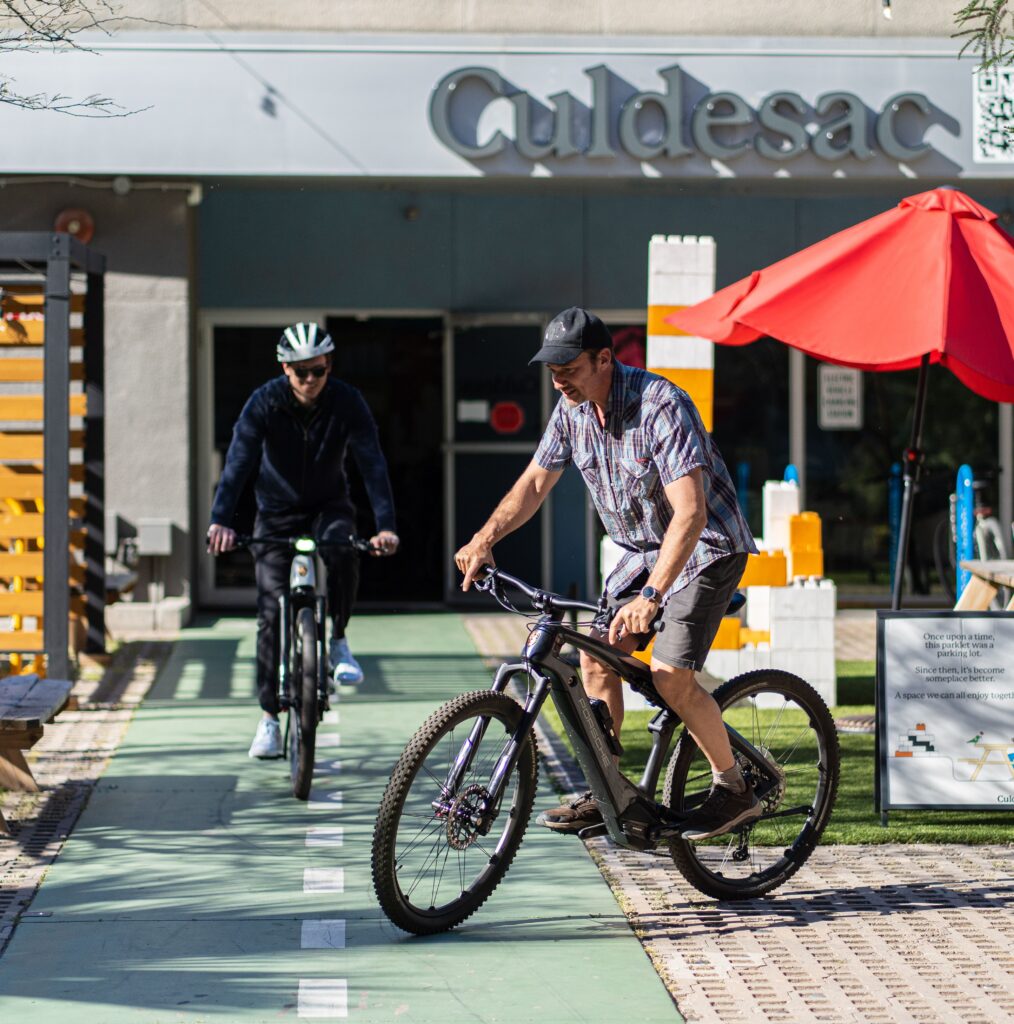
Critics of current urban sprawl argue that the widespread reliance on automobiles is largely a manufactured necessity. Because vast portions of urban geography are dedicated to parking lots, wide thoroughfares, and sprawling commercial zones, destinations are pushed far apart. This dispersion makes walking, cycling, or utilizing public transit dangerous, loud, and impractical, thereby reinforcing car dependency.
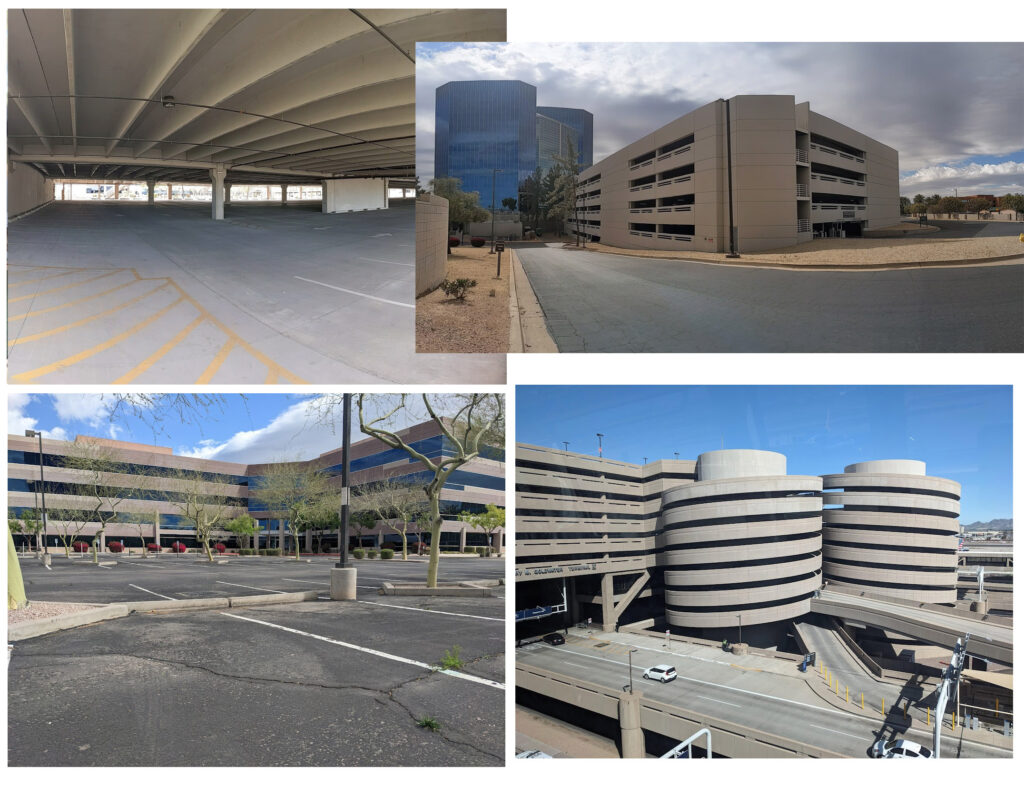
Urban planning committees, critics note, are frequently dominated by status-quo maintainers and bureaucratic inertia. Resistance to change often stems from conventional assumptions regarding traffic flow, parking availability, and traditional zoning laws that separate residential areas from commercial needs. Yet, advocates contend that eliminating redundant automotive infrastructure liberates valuable land, allowing cities to weave together residential spaces, offices, grocery stores, and fitness facilities into cohesive, highly accessible neighborhoods.
Alternative Mobility and the Rise of Car-Free Communities
While traditional public transit systems offer a partial solution, many urban residents express frustration with fixed schedules, crowded waiting areas, and bureaucratic transit delays. Consequently, alternative personal mobility tools—such as standard bicycles and electric bikes—frequently offer faster, more engaging, and more efficient transportation for short and medium urban distances. When combined with compact neighborhood designs, non-automotive transit allows residents to travel locally with minimal friction.

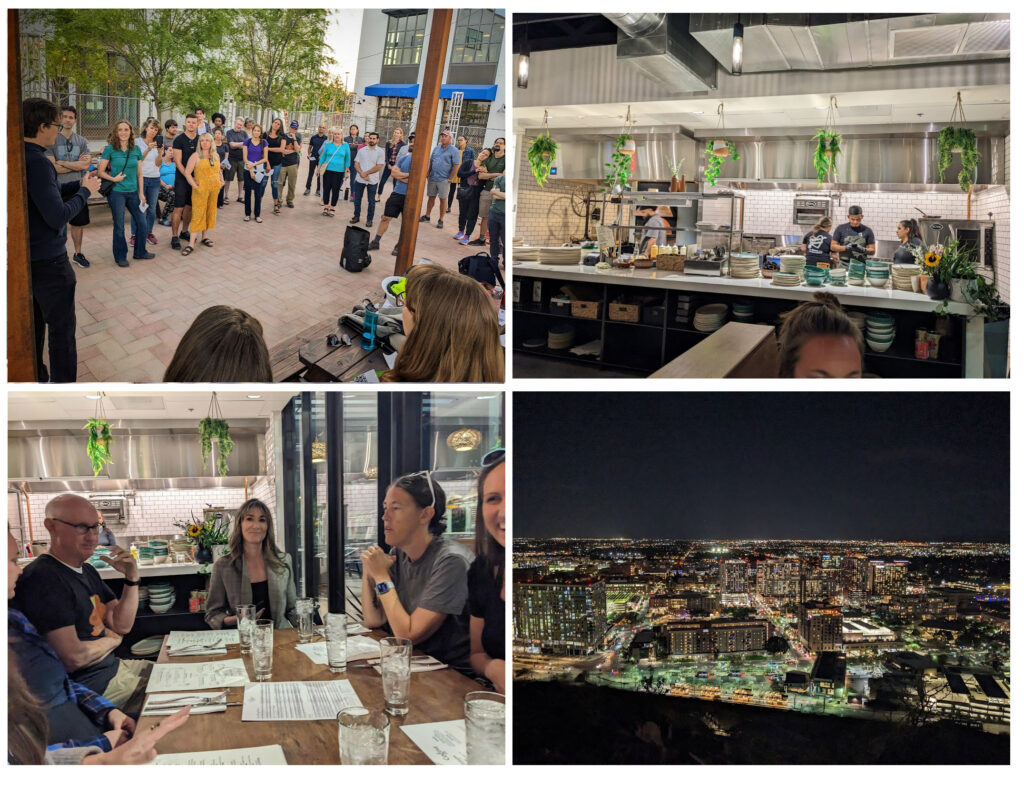
For years, implementing these concepts at a municipal level has faced steep bureaucratic hurdles, leaving many advocates frustrated by slow political progress. However, tangible models of car-free urban development are beginning to emerge. A prominent example is Culdesac Tempe, a newly established car-free neighborhood in Arizona designed to house approximately 1,000 residents across a multi-acre site.

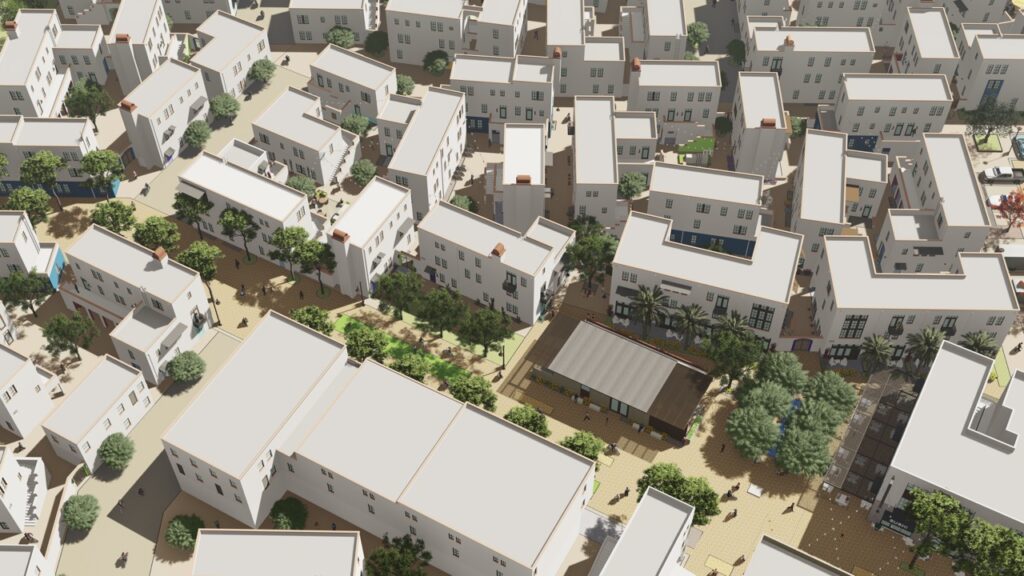
Designed to bypass the traditional parking minimums and sprawling asphalt footprints typical of American real estate development, the Tempe project integrates residential housing with daily retail amenities, shared electric vehicle fleets, and extensive pedestrian pathways. Situated along local light rail transit lines, the neighborhood provides residents with transit access, bike-share programs, and shared micro-mobility options, drastically reducing the day-to-day necessity of private automobile ownership.
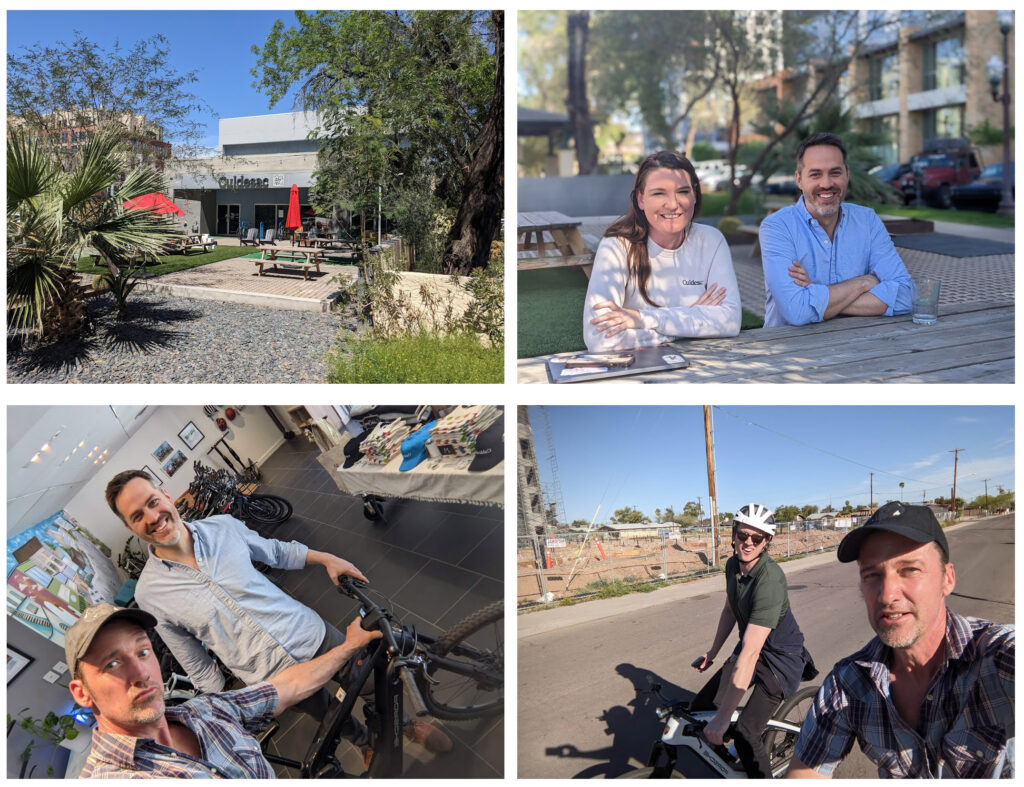
The development represents a pilot model for how modern real estate developers can successfully bypass conventional zoning restrictions to create dense, community-focused spaces suited to hot desert climates through strategic shading, green landscaping, and walkable plazas. While financial sustainability remains a baseline requirement for such projects to succeed commercially, proponents emphasize that the true value lies in the social cohesion, reduced living expenses, and enhanced daily experience of the inhabitants.
The Path Forward for Urban Development
Advocating for widespread adoption of human-centric city design requires shifting public perception away from the assumption that modern life must be tethered to the automobile. As urban planners, developers, and community advocates continue to test new models of neighborhood design, the conversation around municipal infrastructure is slowly shifting.
The economic and social implications of redesigning cities are vast, offering a parallel to systemic health interventions that address the root causes of chronic lifestyle inefficiencies. By systematically reclaiming urban space from parking lots and wide roadways, communities can foster environments that naturally encourage physical activity, reduce infrastructure maintenance costs, and generate sustained economic vitality for future generations.