
By Financial and Lifestyle News Desk
In the world of personal finance and early retirement advocacy, few figures loom larger than the creator of Mr. Money Mustache. Known for championing extreme frugality, a disdain for modern car culture, and the radical idea that most people consume far beyond their actual needs, his philosophy has inspired a generation of savers. For nearly two decades, his lifestyle has served as a blueprint for financial independence, built on a foundation of low-cost living and a fierce resistance to lifestyle inflation.
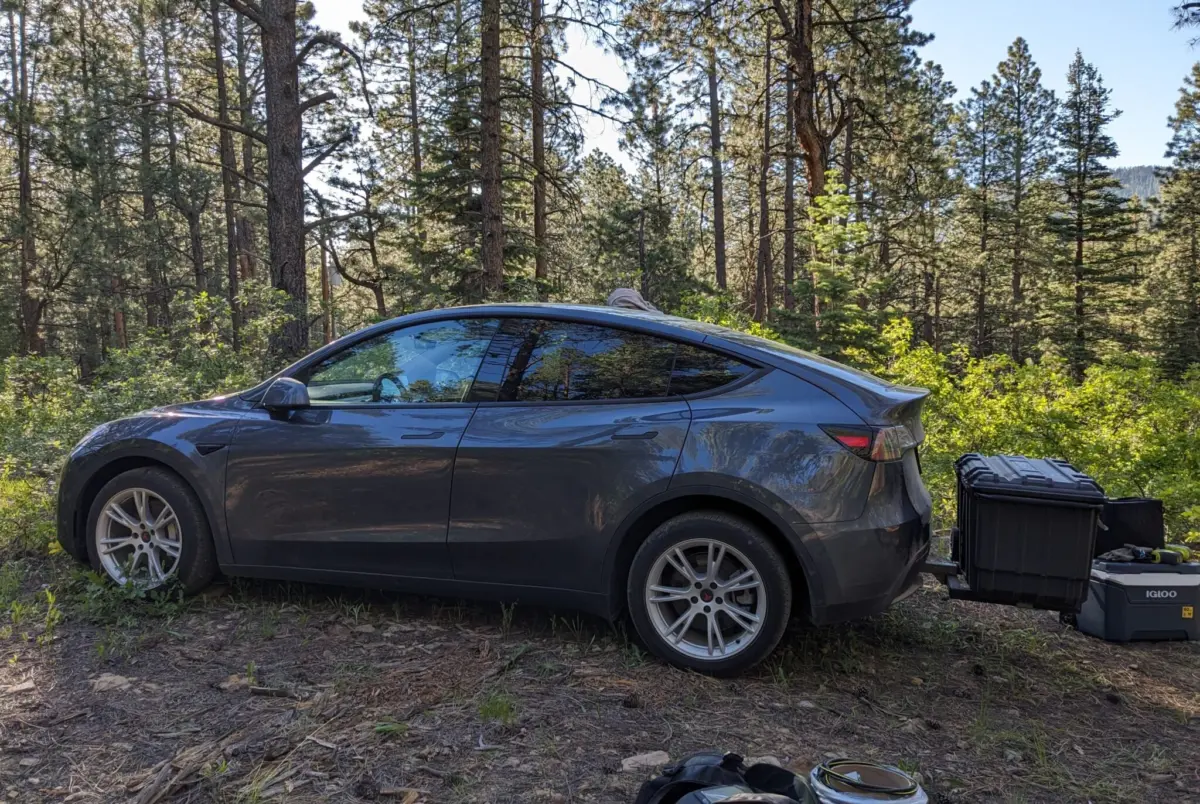
Yet, even the most disciplined financial minimalists occasionally find themselves at a crossroads where old habits clash with new realities. In a move that has sent ripples through the online financial community, the prominent frugality advocate has officially broken a 23-year streak of driving ultra-cheap, secondhand vehicles to purchase a brand-new, luxury 2023 Tesla Model Y.
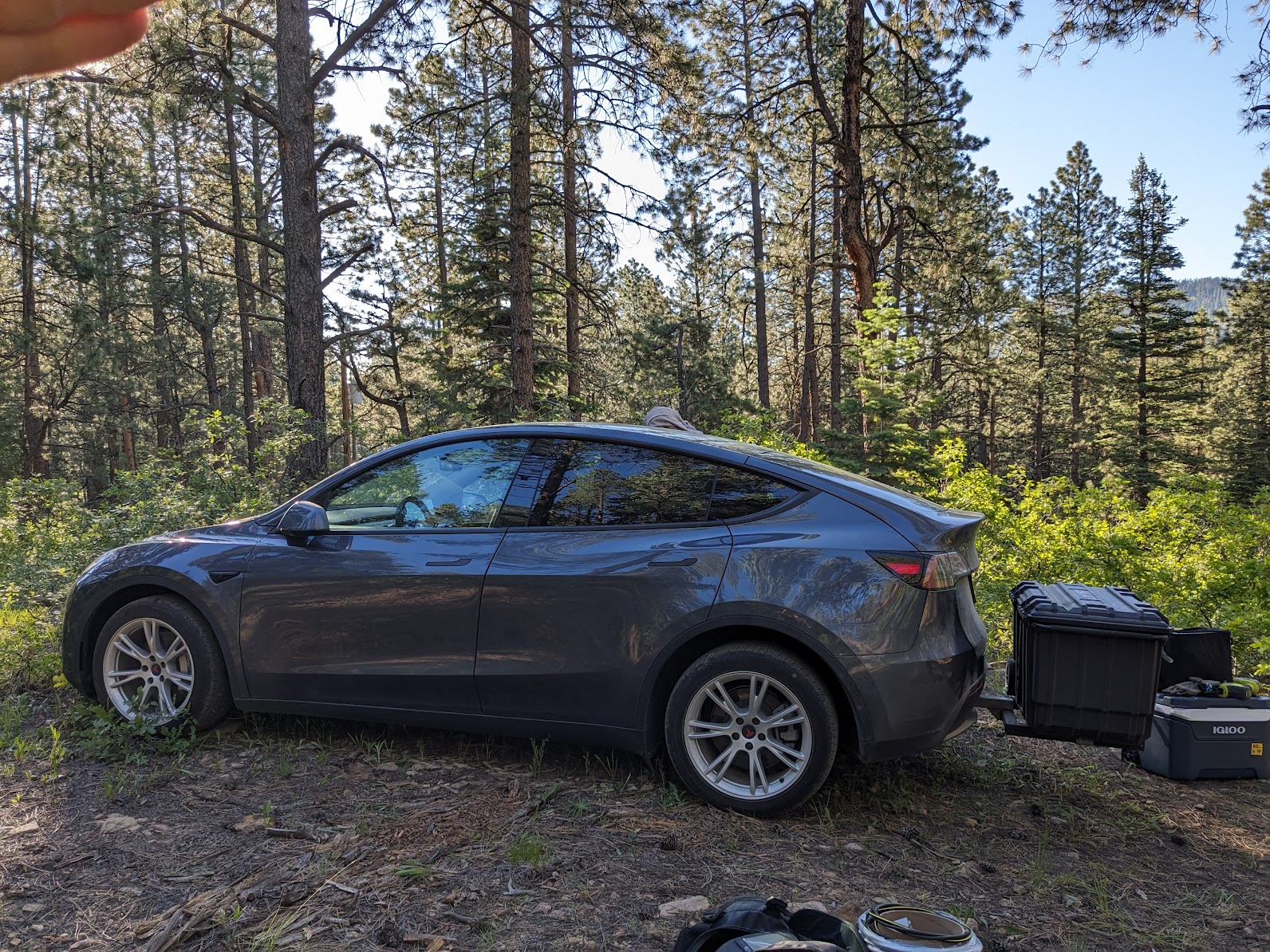
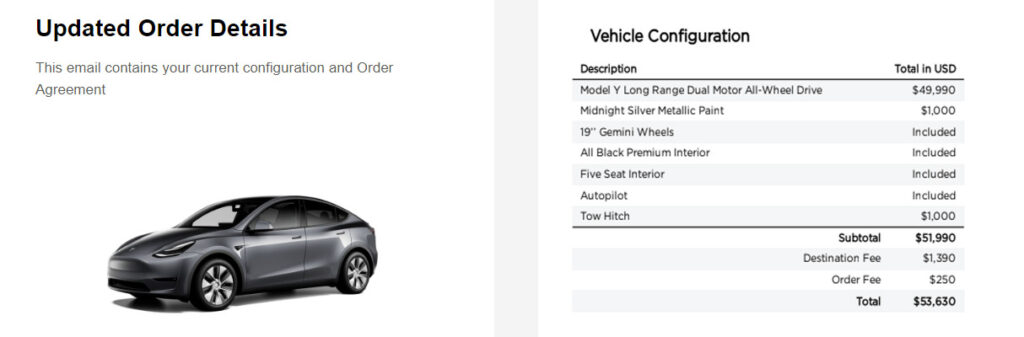
The vehicle in question is far from a modest commuter car. Loaded with modern automotive excess, the Tesla Model Y features all-wheel drive, lightning-fast acceleration that outpaces a Lamborghini, seating capacity for seven, and a suite of advanced computing technology capable of rivaling a small corporate data center. After accounting for available taxes and federal tax credits, the net cost of the luxury crossover sits at approximately $52,000.
For followers of the blog, the price tag represents a staggering leap from the vehicle it replaces. The outgoing transportation was a classic Honda van purchased off Craigslist twelve years prior for just $4,500. Despite its humble origins and bargain-basement price, that van faithfully served its owner through countless rugged mountain expeditions, desert road trips, and even hauling supplies to help rebuild residential properties throughout his local neighborhood.
Naturally, the purchase has invited a heavy dose of self-mockery and public astonishment. To a lifelong frugality advocate who built an entire personal brand on hating excessive car ownership and criticizing consumers who buy vehicles they cannot afford, the acquisition feels almost sacrilegious. Critics and supporters alike have questioned the sudden shift, but the buyer notes that the transition is part of a broader, carefully considered evolution in his relationship with money.
The decision did not happen overnight. In fact, it was preceded by four years of intense procrastination, during which friends, peers, and online commentators routinely urged him to loosen his purse strings and treat himself to a modern vehicle. The hesitation was deeply rooted in the very philosophy that secured his early retirement 18 years ago—a mindset of intense saving, mindful spending, and constant optimization.
However, a core guiding maxim frequently anchors his modern financial philosophy: “What got you here won’t get you where you’re going.” While aggressive saving and extreme cost-cutting are essential tools for escaping the traditional workforce and building an initial nest egg, applying those exact same restrictive habits indefinitely into a comfortable retirement can create an unintended psychological trap.
The psychological barrier became glaringly apparent during a routine grocery run. While shopping at a standard supermarket instead of his usual bulk discount warehouse, he encountered a loaf of specialty bread priced at $6.99—nearly double what he was accustomed to paying. This sparked an internal mental tug-of-war, complete with frustration, thoughts of boycotting the store, and exhaustive searches for cheaper substitutes.
Ultimately, the internal debate concluded with a dose of pragmatic reality: a reminder that obsessing over a few extra dollars in a bank account populated by a healthy, growing net worth does nothing to enhance overall life satisfaction. This realization was later shared with a close friend and fellow early retiree who, despite commanding a net worth several times larger, confessed to experiencing the exact same mental friction when splurging on personal comforts.
Recognizing a shared pattern of over-optimization, the group of retired peers began evaluating how to better enjoy their accumulated wealth while still alive. This introspection led to the formulation of new financial principles designed to bridge the gap between aggressive capital accumulation and actual enjoyment.
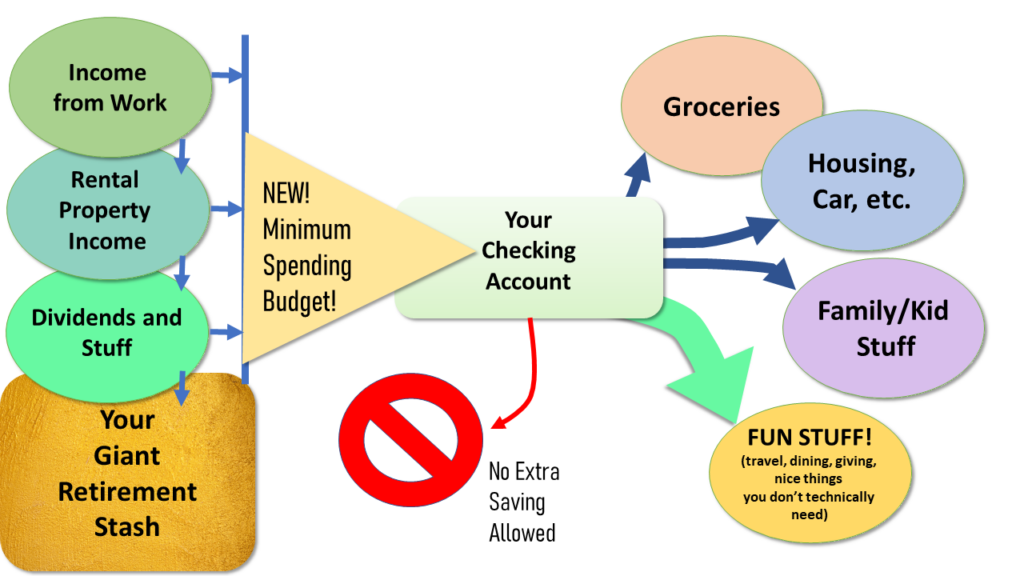
The first concept centers around establishing a sensible minimum spending budget. Many individuals who successfully amass significant portfolios—such as a heavily productive two-million-dollar investment portfolio—continue living on remarkably lean budgets of under $40,000 per year, often while owning their homes outright and generating supplemental side income. Under standard financial modeling like the traditional 4% rule, or even a hyper-conservative 3% withdrawal rate, these individuals are mathematically safe spending tens of thousands more annually without ever depleting their principal. Yet, their default instinct remains directing every surplus dollar back into an already oversized financial stash, leaving their discretionary spending for personal joy entirely neglected.
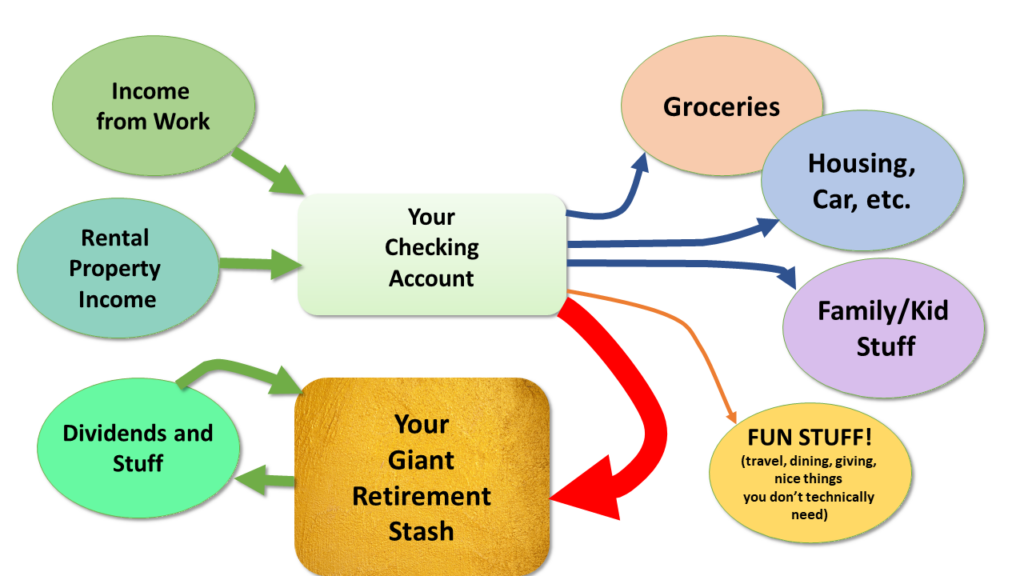
To counteract lifelong habits of extreme frugality, the second principle involves reframing how discretionary funds are viewed. Habits ingrained over decades make it psychologically difficult to "waste" hard-earned money on personal luxuries. However, spending money often feels entirely different when it belongs to an anonymous entity, such as an employer covering expenses on a business trip. By intentionally designating a separate account specifically for guilt-free personal enjoyment and treating those funds as allocated strictly for consumption, the psychological friction of spending begins to dissolve.
The final pillar in this modern approach to wealth management involves establishing a splurge accountability circle. Frugal individuals frequently surround themselves with like-minded peers who share the same financial anxieties. By forming a network of trusted friends who actively challenge excessive cheapness and openly encourage well-deserved splurges, individuals can slowly dismantle their scarcity mindsets and grant themselves permission to invest in quality-of-life enhancements.
This philosophy shift aligns directly with recent life changes, including co-owning a fixer-upper vacation rental compound in Salida, Colorado. The project reignited a passion for long-distance travel, mountain biking, community gatherings, and hands-on property renovations. Realizing that a reliable, long-range vehicle was necessary to support these passions without constant mechanical anxiety made the Tesla purchase not just a luxury, but a functional tool for future adventures.
Financially, the transition to a $50,000 electric vehicle is estimated to increase annual transportation expenses by roughly $10,000 compared to the aging Honda van, factoring in depreciation, insurance, and financing costs. However, given that his previous spending deficit far exceeded that figure, the expense represents a manageable and deliberate step toward experiential spending.
Disposing of the legendary old van was handled through Peddle, an online vehicle salvage service that evaluated the aging Honda at $715. True to the spirit of the experiment, the physical cash payment handed over by the towing service driver was deliberately earmarked and spent entirely on celebratory dinners out with friends.
The overarching lesson, according to the veteran blogger, is not an endorsement of reckless financial abandon, but rather an appeal for balance. Being a responsible steward of one’s savings and contributing generously to charitable causes—backed by a lifetime history of significant philanthropic donations—does not preclude a person from enjoying the fruits of their labor. Allocating a portion of earned wealth toward personal comfort, whether upgrading to a more reliable electric vehicle or opting for convenience during travel, is a healthy acknowledgment that life resources are meant to support well-being, not just accumulate in an infinite ledger.

With the old gasoline-powered era officially behind him, the transition to the new Tesla marks a permanent departure from the mechanical headaches of the past and the beginning of a new chapter focused on sustainable, guilt-free enjoyment of the road ahead.