
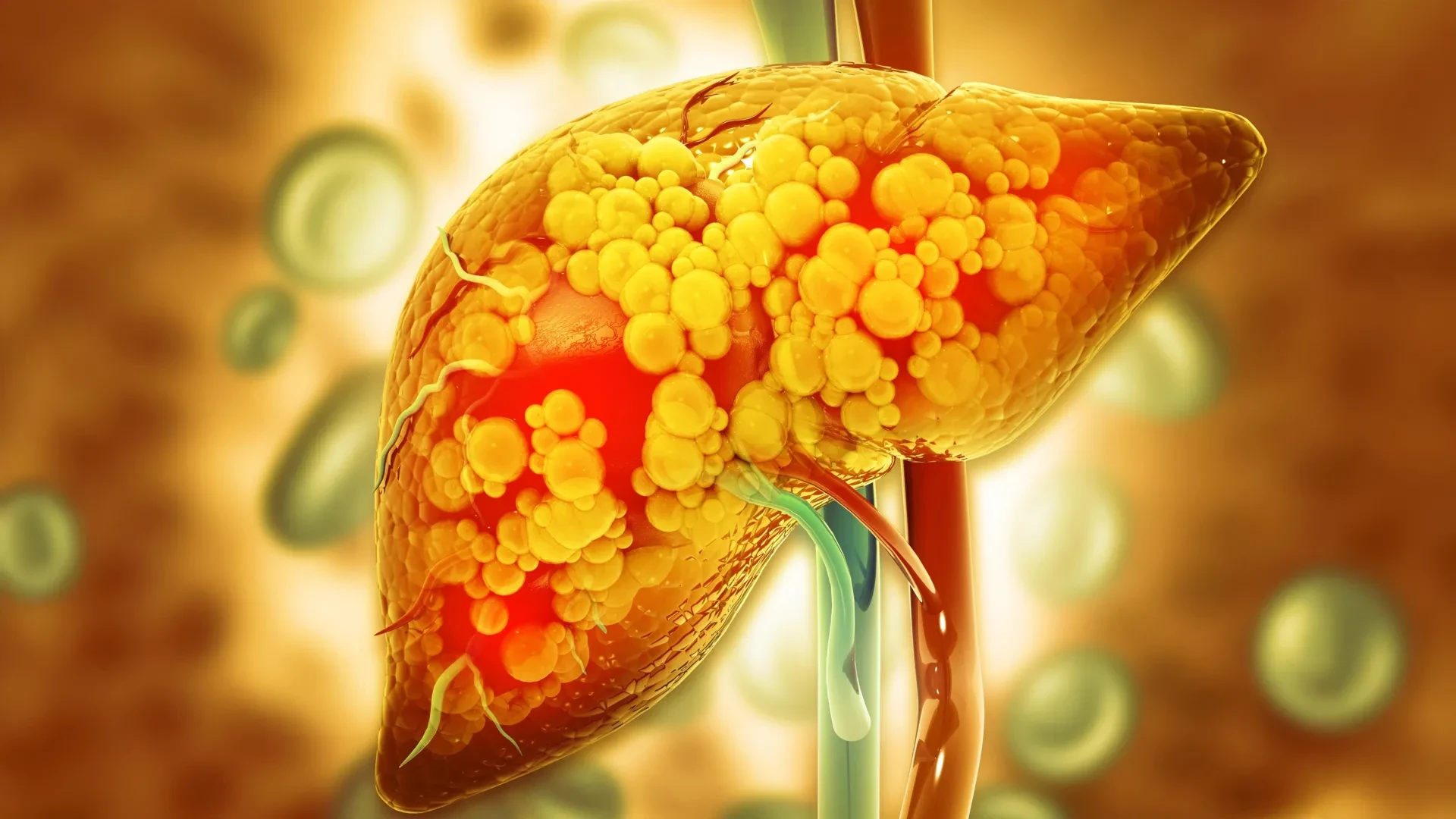
Researchers co-led by Cedars-Sinai Health Sciences University have identified a crucial enzyme that may help shield the liver from the severe cellular damage that occurs as the most common form of liver disease progresses. The findings, derived from a rigorous preclinical study recently published in the scientific journal Nature Metabolism, could eventually pave the way for entirely new medical strategies aimed at preventing serious liver injury and halting the devastating progression toward total liver failure.
To understand the weight of this discovery, it is essential to examine the staggering scale of the health crisis it addresses. According to data from the American Liver Foundation, an estimated 100 million people across the United States are currently affected by metabolic dysfunction-associated steatotic liver disease, a condition formerly known as nonalcoholic fatty liver disease (NAFLD). While many individuals live with the early stages of this condition without experiencing immediate, life-threatening complications, roughly 20% to 25% of those affected ultimately go on to develop metabolic dysfunction-associated steatohepatitis (MASH).
MASH represents a far more serious, aggressive form of the condition. In patients with MASH, the baseline accumulation of excess fat within the liver is accompanied by dangerous levels of chronic inflammation, progressive cell injury, and extensive tissue scarring, known medically as fibrosis. Over time, this unmitigated cycle of damage can severely impair liver function, permanently altering a patient’s long-term health outlook.
Why MASH Is Difficult to Treat
Despite the immense public health burden posed by MASH, clinical management remains exceptionally challenging. Current medical care centers overwhelmingly on lifestyle modifications, such as targeted weight loss, dietary adjustments, increased physical activity, and concerted efforts to limit any additional sources of strain or injury to the liver. Although a handful of specialized pharmacological treatments have emerged in recent years, therapeutic options remain severely limited. Crucially, there is currently no definitive cure for MASH, leaving physicians with a pressing need for more effective interventions that can stop the disease in its tracks before irreversible damage occurs.
For years, biomedical researchers have closely studied the underlying cellular mechanisms that drive MASH forward. Earlier scientific investigations suggested that damaged mitochondria—the vital intracellular structures responsible for generating the energy required for cellular survival and normal function—play a significant role in the development and worsening of the disease. When mitochondria become dysfunctional, they fail to produce energy efficiently and instead begin generating harmful byproducts that accelerate cell death and inflammation.
Building upon this foundational knowledge in the new multicenter study, researchers at Cedars-Sinai set out to investigate specific molecular players involved in mitochondrial health. They discovered that levels of a specific protein known as the UBE2N enzyme decline significantly within liver cells as steatotic liver disease becomes more advanced and severe.
"The UBE2N enzyme appears to protect the liver from the inflammation and damage associated with MASH by helping remove damaged mitochondria and supporting the breakdown of fat," said Ekihiro Seki, MD, PhD, professor of Medicine and Biomedical Sciences at Cedars-Sinai and co-corresponding author of the study. "When levels of the enzyme fell, we saw more damaged cells and injury to the liver."
Restoring UBE2N Reduced Liver Damage in Mice
To test whether this drop in enzyme levels was merely a marker of disease or a primary driver of it, the research team conducted targeted experimental interventions. They restored UBE2N to normal, healthy levels in the livers of laboratory mice that were models for the condition. Following this restoration, the scientific team observed striking, measurable improvements, including notable reductions in overall fat accumulation, diminished tissue inflammation, and a significant decrease in harmful liver scarring.
These compelling preclinical results strongly suggest that the UBE2N enzyme could eventually serve as a viable therapeutic target. By finding ways to maintain or artificially boost UBE2N activity, medical science might one day prevent the initial metabolic dysfunction from silently and destructively advancing into full-blown MASH.
"The identification of this enzyme’s role in regulating mitochondria in the liver is an important advance in understanding steatotic liver disease," said Shelly Lu, MD, the Women’s Guild Chair in Gastroenterology and director of the Karsh Division of Gastroenterology and Hepatology at Cedars-Sinai. "Future studies can test whether enhancing this protective pathway can complement existing treatments, identify patients most likely to benefit and lead to new therapeutic approaches for preventing advanced disease."
The collaborative study involved a broad international team of investigators. Additional Cedars-Sinai authors contributing to the research include Michitaka Matsuda, So Yeon Kim, Takashi Tsuchiya, and Yoon Seok Roh.
The wider scientific team also featured contributions from Feng Wang, Jin Lee, Jeong-Su Park, Meizhou Huang, Hwan Ma, Guoyan Sui, Zixiong Zhou, Xufeng Wu, Haram Lee, Soohwan Oh, Hanseul Park, Key-Hwan Lim, Chun-Woong Park, Sang-Bae Han, Jin Tae Hong, and Michael Karin.
Financial support for the comprehensive multicenter project was provided by a diverse coalition of research funding organizations. These include the National Research Foundation of Korea through grant numbers RS-2025-02273102 and RS-2025-02603096, and the Regional Innovation System and Education (RISE) programme of Chungbuk via grant number 2025-RISE-11-014-03. Additional support came from the Pinnacle Research Award of the American Association for the Study of Liver Diseases awarded to J.L., the San Diego Digestive Diseases Research Center Pilot and Feasibility Grant supported by the National Institute of Diabetes and Digestive and Kidney Diseases under award number NIDDK P30 DK120515 to J.L., multiple grants from the National Institutes of Health including R01DK085252, R01DK138591, and R01CA301632, and the National Natural Science Foundation of China under grant number 82404726.