
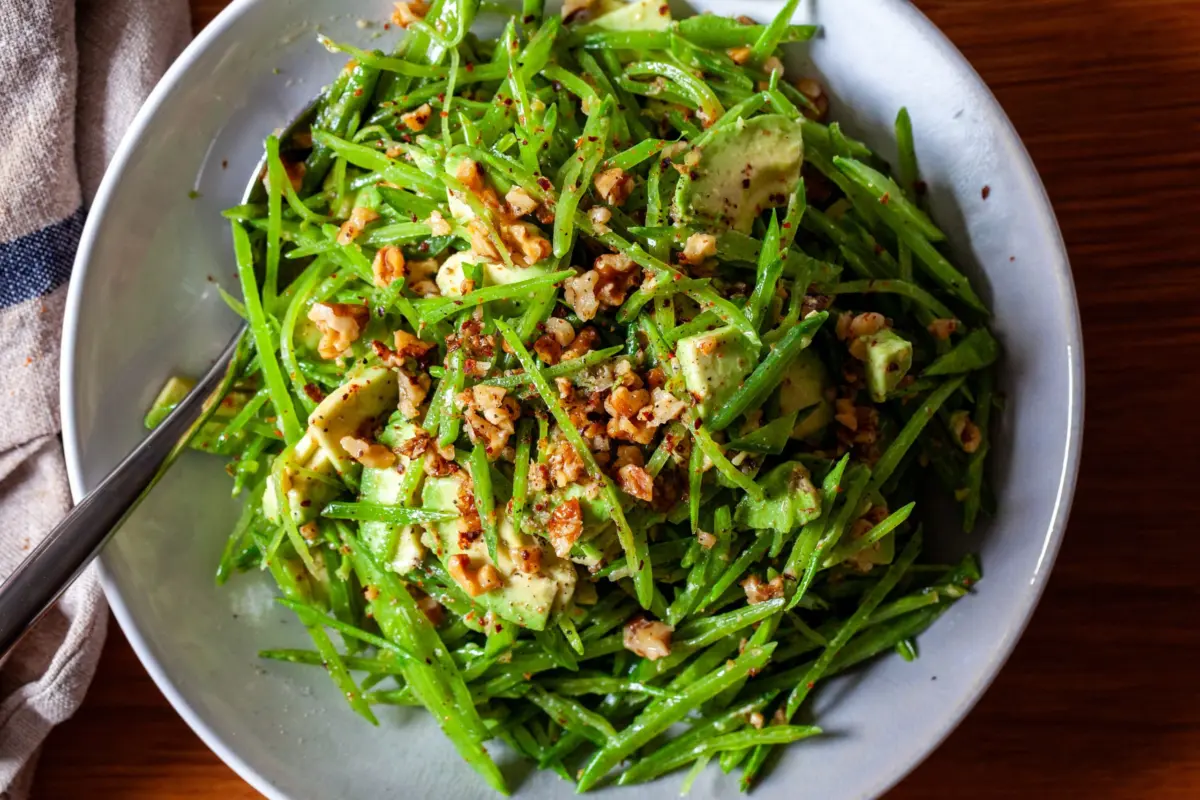
For home cooks and culinary enthusiasts alike, certain ingredients are pigeonholed by convention. Snow peas, bright and crisp, are almost universally destined for the sizzling pan of a stir-fry. Yet, culinary inspiration often strikes in unexpected places, transforming how everyday produce is viewed in the home kitchen. A beloved food writer and cookbook author is challenging conventional wisdom by championing the snow pea in an entirely unexpected format: a vibrant, raw salad designed to combat the sweltering days of summer.
Drawing inspiration from a memorable dish once served at the late, acclaimed NoMad restaurant, the fresh take elevates the humble snow pea from a supporting stir-fry player to the star of the plate. While a previous iteration featured in the cookbook Smitten Kitchen Keepers paired the vegetable with pecorino cheese and walnuts, recent seasonal cravings have inspired a streamlined update. Dropping the cheese entirely, the new formulation leans into a minimalist yet deeply satisfying combination of textures and flavors.
At the heart of the dish is a brilliant textural contrast. The snow peas are cut meticulously into slaw-like strands, creating a delicate, crisp foundation. This crunch is paired with the rustic, earthy bite of toasted walnuts and counterbalanced by the soft, buttery pillows of ripe avocado. Tying the components together is a sharp, lively dressing composed of fresh lemon juice, high-quality olive oil, and a dusting of red pepper flakes, creating a profile so refreshing and balanced that it practically begs to be inhaled in a single sitting.

The timing of the recipe feels particularly intentional for anyone navigating the exhausting twilight stretch of the academic year or bracing for intense summer heat waves. When energy levels flag and the prospect of standing over a hot stove feels insurmountable, meals that require minimal effort become essential survival tools. Dishes featuring three or four main ingredients suddenly transform from simple weeknight options into culinary lifelines, offering maximum flavor with minimal physical exertion.
Achieving the ideal texture for the salad requires a brief but important preparation technique. Culinary lore and kitchen science alike dictate that nuts—walnuts especially—undergo a dramatic flavor evolution when toasted. Placing walnut pieces on a small sheet pan in an oven preheated to 350 degrees Fahrenheit for just six to ten minutes unlocks a deeper, toastier aroma and flavor profile, signaling they are ready to be removed and cooled.
Meanwhile, the preparation of the snow peas relies on a crisping method that highlights their natural crunch. Soaking the pods in a large bowl of ice water for ten to twenty minutes—though a longer soak does no harm—revives and supercharges their crispness. Once drained and thoroughly patted dry with a towel, the pods are gathered into small, manageable stacks and sliced lengthwise into thin, delicate ribbons that mimic a fine slaw.

The assembly of the dish is swift and straightforward. The toasted walnuts, now reduced to rubble-sized pieces, are placed into a large mixing bowl alongside the olive oil, freshly squeezed lemon juice, kosher salt to taste, black pepper, and the desired amount of pepper flakes. Whisking these elements together creates a cohesive dressing that coats the vegetables evenly. The sliced snow peas are folded in first, absorbing the bright citrus and oil mixture, followed by the delicate chunks of avocado, which are tossed gently to prevent breaking.
Because the acidity of the lemon juice tends to slightly discolor the bright green snow peas over time, timing is a critical consideration for those preparing ahead. Culinary advice for the dish is clear: while the components can be prepped in advance, the dressing and avocado are best integrated right before serving to preserve the vibrant visual appeal and crisp texture of the raw vegetables.
As home cooks look ahead to the warmest months of the year, inspiration often comes from simplifying rather than complicating. By stripping away heavy additions and letting raw, seasonal produce shine through precise knife work and bright dressings, simple ingredients reveal entirely new dimensions.