
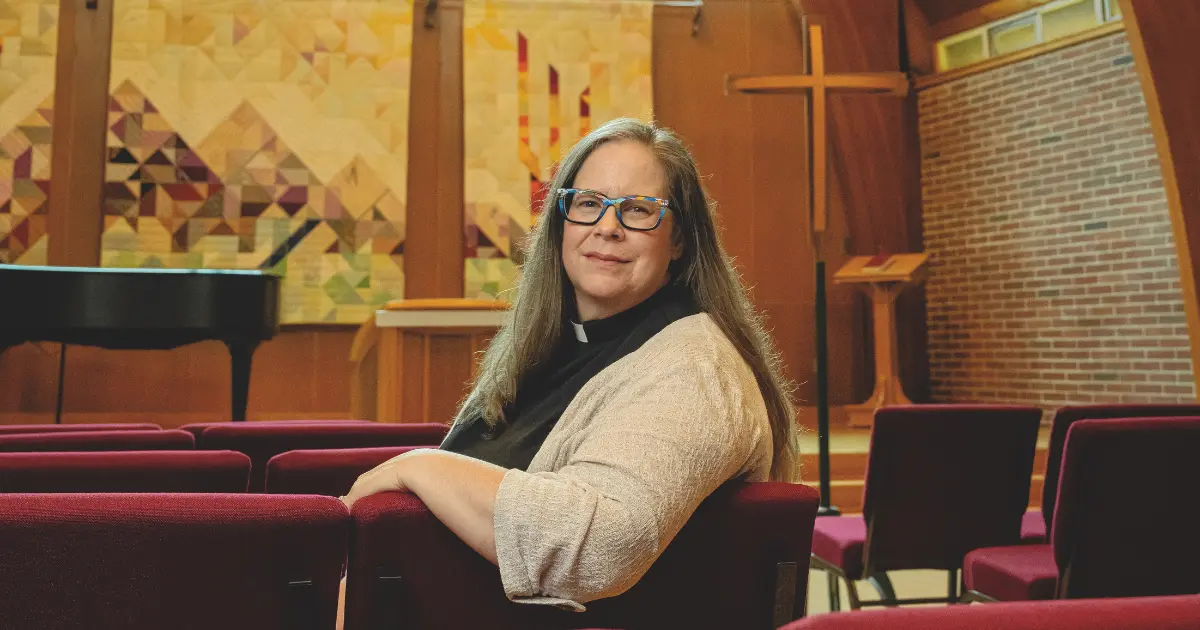
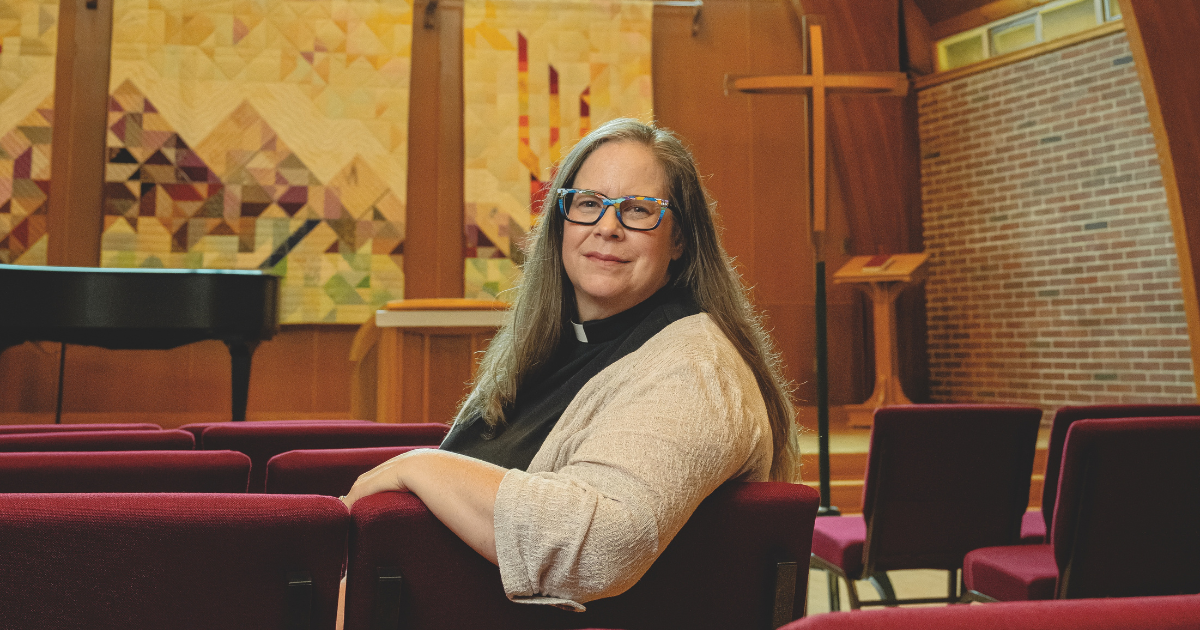
As traditional religious institutions navigate an era defined by shrinking congregations and shifting societal landscapes, faith communities are increasingly being forced to rethink what it means to gather, lead, and sustain themselves. According to the Rev. Heather McCance, president of the Atlantic School of Theology, the contemporary struggles facing modern parishes may actually point the way toward a profound renewal rooted in Christian history.
Reflecting on the structural evolution of the church, McCance notes that the formalized, institutional models of church administration common today bear little resemblance to the earliest days of Christianity.
"The way we have church today, if you look at Jesus’ time, they didn’t really have any of these things," McCance observes.
During the formative period of the early church, figures like the Apostle Paul did not establish complex institutional hierarchies or rely on specialized, full-time clerical professionals to run every local community. Instead, Paul simply traveled, preached, and trained local individuals to step up, take charge, and do whatever was necessary to lead their communities in faith and service.
As traditional church membership numbers continue to decline across North America, McCance sees modern congregations organically reverting to that foundational, apostolic way of being. Rather than viewing contraction solely as a crisis, she points out that contemporary churches are naturally becoming more decentralized and ecumenical in their daily operations.
Furthermore, this leaner structural reality brings a unique energy to the pews. "The people who are still involved in churches really do want to be there," she notes, highlighting this dedicated core as a tremendous and often overlooked strength for modern religious communities.
For congregations struggling to navigate the transition away from traditional models while managing pressing leadership gaps, navigating the path forward requires intentional strategic shifts. Rather than attempting to maintain unsustainable legacy programs, religious leaders are being encouraged to rethink everything from administrative delegation to spiritual development.
At the heart of this transition is a fundamental shift in perspective. Congregations are encouraged to reframe their organizational mindset, embracing an apostolic identity that asks how the faith community can actively respond to the unique needs of today, rather than simply preserving traditional ways of doing things just because they were done that way in the past.
This shift often manifests as a move toward shared leadership. Instead of allowing a single pastor or a small handful of overburdened volunteers to carry the entire administrative and spiritual weight of the parish, successful communities are working to identify individual gifts within the broader membership. By ensuring that nobody carries the responsibilities of the church alone, communities can distribute the workload more equitably. "Share in the tasks of ministry, so everybody is cared for," McCance explains.
However, sharing the load effectively requires more than just assigning tasks. One of the historical shortcomings of many religious organizations has been a tendency to delegate responsibilities without providing the necessary tools for success. McCance points out that churches have traditionally been very good at asking people to step up and volunteer, but frequently fall short when it comes to offering proper training. To combat this, modern parishes are being urged to actively seek out relevant resources, workshops, and leadership programs to equip their teams properly.
Alongside structural preparation, cultivating ongoing spiritual study remains vital for community resilience. Engaging the entire congregation in shared spiritual development does more than just impart knowledge; it actively bonds and strengthens the community, because members are renewing themselves together through a collective journey of faith.
To survive and thrive in an era of constrained resources, churches must also adopt a pragmatic approach. Adapting to changing circumstances is no longer optional for survival, meaning communities must embrace new ideas and approaches, even when those changes feel unfamiliar or uncomfortable. McCance offers an encouraging perspective on this necessary evolution, noting that "God is excited for what we are able to do now."
This pragmatism extends directly into how congregations target their energies. Recognizing that capacity is limited is not a sign of failure. McCance emphasizes that being realistic is a healthy leadership choice, and that it is entirely acceptable for a community to do less. Successful contemporary churches recognize the importance of knowing when to scale back offerings and programs in accordance with the actual time, energy, and capacity of their members.
Collaboration is another key pillar for modern sustainability. By seeking out local partnerships, churches can pool their strengths rather than struggling in isolation. McCance suggests starting with a simple question: "What do we have, and what do you have?" In practice, this collaborative mindset can translate into sharing physical buildings, pooling administrative or educational resources, or even coordinating leadership across multiple small communities or denominations.
Sustaining leadership over the long term also requires careful planning for both daily turnover and generational succession. Because ministry can be demanding, organizations must create systems where individuals can step back to rest without the ministry collapsing. "God doesn’t call us to burn ourselves out," McCance notes, emphasizing the necessity of creating clear plans for turnover when volunteers or leaders need a break.
Similarly, failing to plan for long-term succession can lead to short-lived initiatives that ultimately dissolve. McCance warns that a lack of intentional succession planning often means an initiative "lasts for five or 10 years and then it falls apart," urging congregations to continually cultivate new generations of leadership.
Finally, contemporary faith communities are reminded that they do not have to navigate these challenges alone. Support systems are widely available across broader networks, whether through regional administrative councils, ecumenical organizations, or the wider civic community in which the church resides.
Despite the very real financial, demographic, and structural pressures facing modern religious institutions, McCance remains fundamentally hopeful about the road ahead. Small churches, she insists, will always find a way to remain faithful to who God is calling them to be, even as the physical and organizational landscape around them continues to shift.