
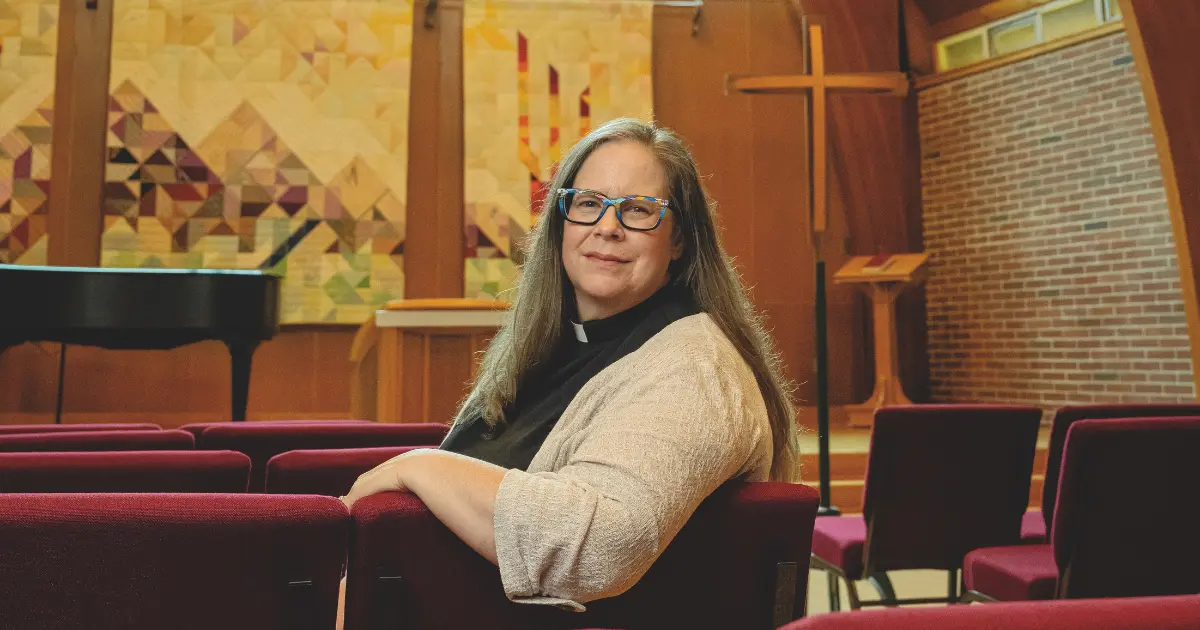
As membership numbers decline and traditional models of congregational life face unprecedented economic and social pressures, faith communities across the country are being forced to rethink what it means to gather, lead, and survive. According to Rev. Heather McCance, president of the Atlantic School of Theology, the contemporary crisis facing many religious institutions is not necessarily a death knell, but rather an invitation to return to the foundational practices of early Christianity.
Reflecting on the historical evolution of the church, McCance notes that the elaborate institutional structures and professionalized clergy we recognize today bore little resemblance to the earliest gatherings of believers. During the time of Jesus and the immediate aftermath of his ministry, structured parishes and heavily resourced institutional complexes simply did not exist. Instead, the Apostle Paul and other early leaders relied on a decentralized model, traveling through regions and training local community members to step up, take charge, and sustain their own faith communities according to the needs of the time.
Today, as mainline and smaller independent churches grapple with shrinking congregations, aging demographics, and severe leadership shortages, McCance sees a modern parallel. Churches are increasingly reverting to that ancient, apostolic way of being. They are becoming more decentralized, collaborative, and ecumenical by necessity, forced to look beyond their own four walls and traditional denominational boundaries to stay alive.
Yet, McCance argues that this shift away from the heavy corporate structures of the twentieth century is not merely a strategy for survival; it can also be a profound source of renewal. While past generations may have attended church out of social custom or habit, the landscape has fundamentally changed. The people who remain actively involved in church life today are there because they genuinely want to be. That intentionality, according to McCance, creates a deep reservoir of commitment and shared purpose that can serve as a massive strength for modern congregations willing to embrace the change.
Navigating this transition, however, requires a deliberate departure from old habits. Many congregations struggle because they attempt to run modern, complex organizations with a fraction of the volunteer base and financial resources they once enjoyed. To help congregations bridge the widening leadership gap and adapt to a new era, McCance has outlined a series of strategic shifts that emphasize shared responsibility, realism, and deep spiritual grounding.
At the foundational level, congregations must begin by reframing their entire mindset. Instead of viewing declining numbers or a lack of a traditional, full-time ordained minister as an existential failure, churches are encouraged to adopt an apostolic mindset. This means asking a fundamental question: how can the community effectively respond to today’s spiritual and social needs, rather than stubbornly clinging to the traditional way of doing things just because it is familiar?
A core component of this mindset shift involves moving away from the heavy reliance on a single charismatic leader or exhausted clergy member. McCance emphasizes the importance of leaning into shared leadership by actively identifying and utilizing each person’s unique gifts. In a healthy, sustainable congregation, nobody should carry the entire weight and responsibility of church operations alone. By distributing the tasks of ministry among multiple people, churches ensure that the burden is balanced and that every member feels cared for and valued.
However, shared leadership cannot succeed without adequate preparation. McCance points out a common pitfall where religious organizations are exceptionally good at asking volunteers to step up and take on new roles, but fall short when it comes to providing the necessary training to succeed. To prevent burnout and frustration, churches must invest time and effort into finding relevant resources, mentorship opportunities, and leadership development programs for their members.
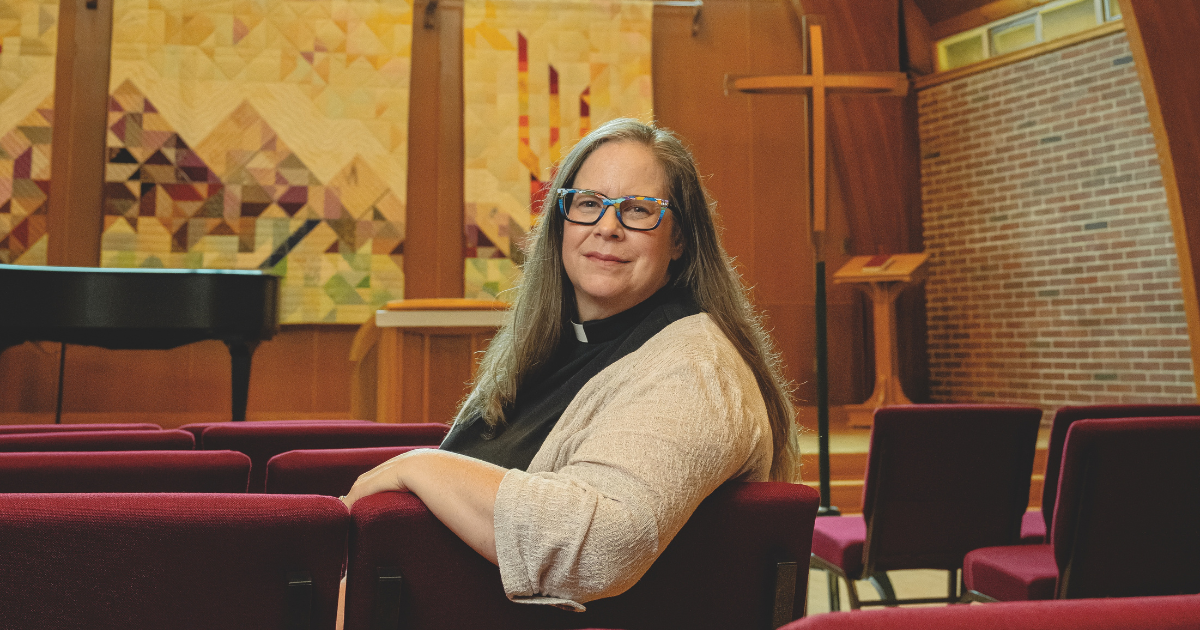
Alongside administrative and practical training, congregations must prioritize ongoing spiritual study and development. Fostering a culture of shared learning for the entire congregation does more than just impart knowledge; it acts as a powerful bonding agent that strengthens the social fabric of the community. When a group of people engages in spiritual renewal together, their collective resilience deepens, helping them weather external challenges and internal transitions.
Adapting to changing circumstances also requires a high degree of pragmatism. Embracing new ideas, digital platforms, or non-traditional meeting formats can often feel uncomfortable for long-time church members who cherish historical continuity. Nevertheless, McCance stresses that adaptation is essential for survival, offering an encouraging perspective that divine purpose evolves alongside human realities: God is just as excited for what contemporary communities are able to accomplish today as they were in the past.
Being pragmatic also means targeting energies wisely and shedding the guilt associated with scaling back. McCance notes that understanding realism is not failing. It is entirely acceptable for a church to do less when capacity is limited. Successful modern churches understand their actual bandwidth and know precisely when to scale back programs, services, and offerings according to the real-time capacity and energy levels of their active members.
Furthermore, looking inward is no longer enough for small or struggling congregations. Finding local partnerships has become a vital lifeline. McCance suggests that communities begin the conversation with a simple, cooperative question: What do we have, and what do you have? Entering into dialogue with neighboring churches or community groups can pave the way for sharing physical buildings, pooling financial resources, or jointly employing leadership, thereby reducing overhead while expanding community impact.
Internal sustainability also requires intentional planning for human limits. Because burnout remains one of the primary threats to volunteer-led organizations, McCance notes that God does not call individuals to run themselves into the ground. Establishing a clear plan for turnover ensures that when one person inevitably needs to step back and take a break, another member is prepared and welcomed to step in seamlessly without creating a crisis.
Closely tied to turnover is the broader necessity of succession planning. Without a deliberate, ongoing effort to cultivate new leaders, organizations often experience a brief, temporary spike in energy that lasts for five or ten years before ultimately collapsing under the weight of its own unsustainability. McCance urges congregations to view leadership development not as a one-time event, but as a continuous, generational cycle.
Finally, congregations must internalize the truth that they do not need to try to do it all alone. A wealth of support systems is available for those willing to ask, ranging from regional church councils and ecumenical organizations to broader secular community networks.
Despite the profound systemic challenges facing modern religious institutions, McCance remains fundamentally hopeful about the future. Small churches, she insists, will always find a way to remain faithful to who God is calling them to be, even if the outward form of that faithfulness looks vastly different from the generations that came before them.