
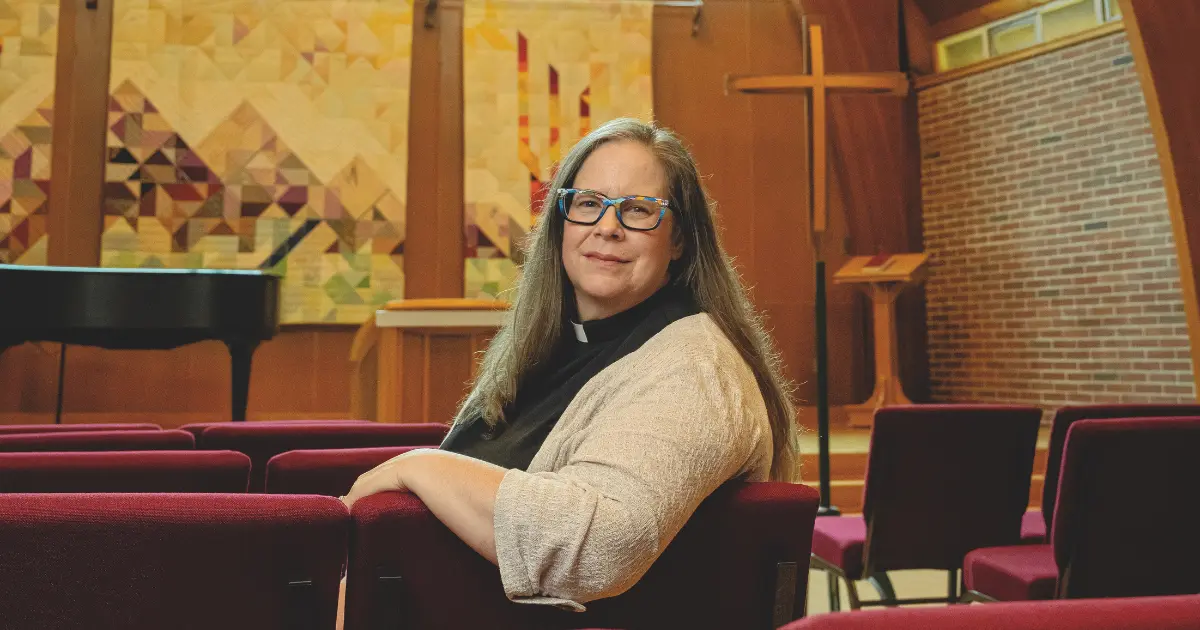
As religious institutions across North America grapple with shifting demographics and shrinking congregations, church leaders are increasingly looking backward to move forward. According to Rev. Heather McCance, president of the Atlantic School of Theology, the contemporary model of institutional church operations bears little resemblance to the earliest days of Christianity.
"The way we have church today, if you look at Jesus’ time, they didn’t really have any of these things," McCance notes, pointing out that the Apostle Paul did not rely on sprawling modern structures or heavy administrative hierarchies. Instead, Paul simply trained local individuals to do whatever was necessary to lead and sustain their communities.
As traditional membership numbers continue to decline, McCance observes that many modern churches are naturally reverting to that foundational, apostolic way of being. Rather than closing their doors entirely, these communities are becoming increasingly decentralized and ecumenical, finding new resilience in the face of institutional contraction.
Far from viewing this shift solely as a symptom of decline, McCance highlights a unique silver lining that often emerges in smaller congregations. "The people who are still involved in churches really do want to be there," she says, emphasizing that this deeply rooted commitment can serve as a massive organizational and spiritual strength.
However, transitioning away from traditional operational models toward a more distributed, apostolic framework requires careful navigation, particularly when it comes to filling persistent leadership gaps. To help congregations manage this transition without burning out their remaining members, McCance has outlined ten strategic principles for modern church leadership and community resilience.
Reframing Mindsets and Sharing the Load
The first crucial step in navigating today’s religious landscape is reframing institutional mindsets. McCance encourages congregations to stop trying to force traditional methods onto a changing world. Instead, communities should view themselves through an apostolic lens, continually asking how they can directly respond to today’s specific spiritual and social needs rather than stubbornly clinging to the way things have always been done.
A core component of this reframing involves leaning heavily into shared leadership. In an era where congregations are smaller and resources are scarcer, no single individual should ever carry the weight of church operations alone. By actively identifying and utilizing each person’s unique gifts, communities can distribute the workload equitably. "Share in the tasks of ministry, so everybody is cared for," McCance explains.
Yet, shared leadership cannot succeed without proper preparation. McCance points out a common pitfall among religious organizations: "Churches are really good at asking people to do things but not giving them the training to do it." To bridge this gap, congregations must actively invest in equipping their teams by seeking out relevant external resources, mentorship opportunities, and leadership development programs.
Cultivating Community Through Study and Pragmatism
Alongside administrative restructuring, spiritual vitality remains paramount. McCance advocates for the creation of ongoing spiritual study programs tailored to the entire congregation. This kind of intentional, continuous spiritual development does more than just educate; it deeply bonds and strengthens the community. When members engage in learning together, McCance notes, "they’re renewing themselves together," creating a resilient foundation that can weather broader institutional uncertainties.
Achieving this resilience also requires a healthy dose of pragmatism. Adapting to changing circumstances is no longer optional for survival—it is a fundamental necessity. McCance encourages congregations to courageously embrace fresh ideas and unconventional approaches, even when doing so feels uncomfortable or challenges long-held institutional habits. Leaning into change is framed as an act of faith, with McCance reminding communities that "God is excited for what we are able to do now."
This pragmatic outlook must also extend to how congregations manage their time, energy, and finances. Knowing when to pull back is just as important as starting new initiatives. "Understand that being realistic is not failing," McCance says, reassuring church members that it is entirely acceptable to do less. Successful contemporary churches recognize the precise capacity of their members and know when to scale back programs and offerings rather than pushing their remaining volunteers to the brink of exhaustion.
Building Partnerships and Planning for the Future
When internal resources run thin, looking outward becomes essential. McCance advises congregations to establish robust local partnerships by starting with a simple, collaborative question: "What do we have, and what do you have?" In practice, this collaborative spirit can translate into sharing physical buildings, pooling administrative resources, or jointly managing leadership duties across multiple denominations or community groups.
Sustainability also requires robust internal planning, specifically regarding member turnover. Because burnout remains a constant threat in smaller organizations, congregations must establish clear protocols so that when one individual needs to step back and take a break, another can seamlessly step in. Emphasizing the humane side of ministry, McCance notes, "God doesn’t call us to burn ourselves out."
Furthermore, long-term survival depends on intentional succession planning. Without a proactive approach to cultivating upcoming leadership, organizations risk entering a fragile cycle where an initiative "lasts for five or 10 years and then it falls apart." McCance urges congregations to make leadership development an ongoing, continuous process rather than an afterthought addressed only during a crisis.
Finally, McCance emphasizes that congregations should never feel isolated in their efforts. Support systems are widely available, whether through regional administrative councils, ecumenical networks, or the broader secular communities in which these churches operate.
Ultimately, despite the profound challenges facing traditional institutions, McCance remains deeply hopeful about the road ahead. Small churches, she insists, will always find a way to remain faithful to who God is calling them to be, even as the structures surrounding them continue to evolve.