
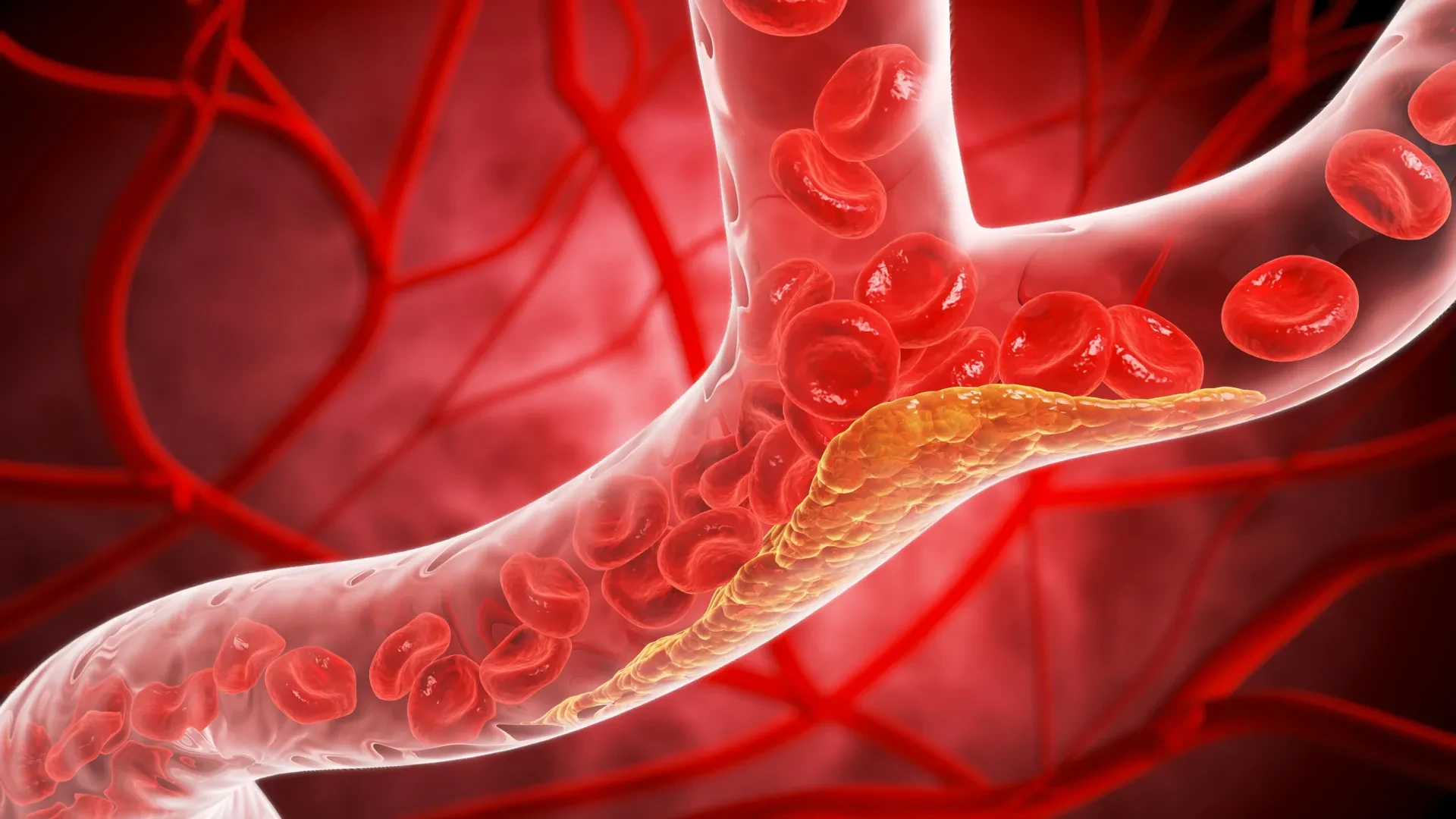
Atherosclerosis, the gradual buildup of fatty plaque inside human arteries that acts as the primary mechanical driver for the vast majority of cardiovascular diseases, can quietly take root long before an individual experiences a single physical symptom or warning sign. Now, the results of a sweeping, large-scale international study indicate that this hidden vascular disease is already present in a striking portion of young adults who otherwise appear entirely healthy, demonstrating a prevalence rate that is considerably more widespread than the medical community previously recognized.
The landmark research was led by Professor Henning Bundgaard, a prominent Professor of Cardiology at Rigshospitalet in Copenhagen, Denmark, alongside Dr. Borja Ibáñez, Scientific Director of the Centro Nacional de Investigaciones Cardiovasculares Carlos III (CNIC), a cardiologist at Hospital Universitario Fundación Jiménez Díaz, and a group leader at CIBERCV.
In an evaluation of more than 16,000 adult participants who reported no prior symptoms and held no previous clinical diagnosis of cardiovascular disease, researchers successfully detected active atherosclerotic plaques in 57.1% of the cohort. These compelling findings were formally unveiled during a prominent Hot Line session at the ESC Congress 2026 and published simultaneously in The New England Journal of Medicine.
Mapping Hidden Atherosclerosis Across Adult Life
The groundbreaking findings stem directly from the first phase of REACT, which ranks as one of the most comprehensive research efforts ever mounted to examine how silent atherosclerosis originates, develops, and progresses throughout the span of adult life. The expansive international project is generously funded by an award of up to EUR 23 million from the Novo Nordisk Foundation and is executed through a collaborative enterprise linking Rigshospitalet, other key Danish medical institutions, and the CNIC in Spain.
Professor Bundgaard explained that the core vision of the initiative is transformative. He noted that the ultimate objective of REACT is to fundamentally shift primary cardiovascular prevention toward an advanced precision medicine model centered on the early, proactive identification of atherosclerosis.
Cardiovascular disease remains the leading cause of mortality worldwide, claiming nearly 20 million lives annually, with atherosclerosis responsible for the overwhelming majority of those tragic outcomes. The disease typically manifests clinically as a sudden heart attack, a debilitating stroke, or abrupt cardiac death. One of the greatest challenges facing modern medicine is the fact that atherosclerosis can develop silently and insidiously for decades. Plaque can quietly accumulate inside vital arterial walls without generating any obvious warning signs, making early detection exceedingly difficult under current clinical paradigms.
Looking for Disease Instead of Estimating Risk
Dr. Ibáñez emphasized that the foundation of the REACT study rests upon a simple yet revolutionary conceptual shift. He pointed out that the medical field is moving away from the traditional model, which merely estimates a patient’s statistical probability of experiencing a cardiovascular event based on generic risk factors such as blood pressure, cholesterol levels, and smoking habits. Instead, the new paradigm advocates for detecting the physical disease directly through advanced imaging before it ever manifests clinically.
Under this proposed clinical framework, preventive health interventions and the targeted treatment of underlying risk factors could be guided by the actual, verified presence of silent atherosclerosis, rather than relying exclusively on an indirect mathematical estimate of statistical risk. The crucial first step in this ambitious scientific endeavor was to establish the true prevalence of silent atherosclerosis across all three major vascular territories and throughout the entire adult lifespan, a milestone that the research team has now successfully accomplished.
The broader REACT initiative is structured to span eight years across two distinct phases. Phase 1, formally known as REACT-DETECT, was launched in 2024. Subject to the continuation of funding, Phase 2, designated as REACT-PROTECT, is currently scheduled to run from 2027 through 2032.
The newly released data originate entirely from Phase 1, which investigators describe as offering the most comprehensive picture to date regarding where silent atherosclerosis develops within the human body, how common it is across various age groups, and how its prevalence differs between men and women.
Atherosclerosis Is Already Present in Young Adults
For the initial phase of the study, researchers enrolled 16,808 healthy volunteers ranging in age from 18 to 70 across medical centers in Denmark and Spain. None of the participants possessed any known history of atherosclerotic cardiovascular disease.
Every single participant underwent a rigorous battery of advanced medical imaging designed specifically to identify plaque accumulation in three major vascular areas: the carotid arteries located in the neck, the femoral arteries situated in the legs, and the coronary arteries that supply blood directly to the heart muscle. In addition to imaging, the researchers evaluated established cardiovascular risk factors, analyzed blood biomarkers, collected biological samples for specialized omics studies, and examined detailed retinal images. Together, these measurements formed one of the most extensive and intricate databases on human atherosclerosis ever assembled.
The resulting scans revealed a surprising reality: atherosclerosis can appear alarmingly early in human adulthood. Approximately 1 in every 13 participants aged 18 to 29 exhibited tangible signs of the disease in at least one major artery.
Following this early onset, the prevalence of plaque climbed steadily and predictably with advancing age. Among participants aged 60 to 70, roughly 9 out of 10 individuals showed definitive evidence of atherosclerosis.
Ultrasound Could Offer a Simpler Way to Screen
Another vital structural pattern emerged from the comprehensive imaging data. The vast majority of participants who displayed atherosclerosis in their coronary arteries also showed clear evidence of plaque within the carotid or femoral arteries.
This significant anatomical overlap carries profound implications for future clinical screening protocols. Visualizing the carotid and femoral arteries using standard ultrasound technology is significantly simpler, faster, and completely noninvasive when compared to performing the advanced computed tomography (CT) scans required to examine the coronary arteries directly.
Dr. Ibáñez noted that within the proposed medical paradigm, portable ultrasound devices that can be operated easily by any qualified healthcare professional could eventually become the standard frontline tool for routine atherosclerosis screening from the earliest stages of adult life.
Men and Women Show Different Patterns
The investigation also uncovered notable differences in how atherosclerosis develops across the lifespan between male and female populations.
Among men, the prevalence of arterial plaque began increasing at notably younger ages. Their overall trajectory of atherosclerosis appeared roughly five to ten years ahead of the timeline observed in women. Conversely, female participants exhibited their sharpest increase in plaque prevalence between the ages of 40 and 60, a timeframe that broadly overlaps with the physiological transition of menopause.
The researchers emphasized that these distinct biological differences underscore an urgent need to develop and refine cardiovascular prevention strategies that appropriately account for both biological sex and the specific stage of a person’s life.
Traditional Risk Scores Miss Many Existing Cases
One of the study’s most consequential and provocative findings centered on the limitations of conventional cardiovascular risk assessment models.
Current clinical methods, including widely utilized risk calculation tools such as SCORE2, successfully identified only a small fraction of the individuals who were already living with hidden, silent atherosclerosis. This mismatch suggests that a person can easily be classified as having a relatively low cardiovascular risk profile according to traditional statistical measures while dangerous plaque is actively developing inside their arterial walls.
According to Dr. Ibáñez, these empirical findings point directly toward a fundamentally different approach to preventing heart disease. For decades, medicine has estimated cardiovascular risk using indirect metrics like age, blood pressure, and cholesterol. This study demonstrates that clinical science can now go a critical step further by detecting the actual physical disease before it culminates in a catastrophic heart attack or stroke.
Dr. Ibáñez added that the future of cardiovascular prevention must become markedly more precise and personalized. By identifying atherosclerosis during its earliest, quietest stages, clinicians will be positioned to intervene much sooner, tailor medical treatments far more effectively, and substantially reduce the global burden of heart disease.
Professor Bundgaard echoed these sentiments, expressing his belief that the findings offer a rare opportunity to entirely rethink how primary cardiovascular prevention is executed in daily medical practice. Until now, preventive decisions have been forced to rely on an estimate of risk without knowing whether the underlying disease was physically present. He noted that the REACT data show atherosclerosis can be detected decades before any clinical manifestations occur, thereby providing an unprecedented atlas of the disease’s evolution across adult life.
Testing Whether Earlier Detection Improves Outcomes
Professor Bundgaard stressed that these empirical results establish the rigorous scientific foundation necessary to test whether this proposed preventive approach translates into tangible improvements in patient health outcomes. Identifying and treating silent atherosclerosis at the earliest possible juncture is essential to shrinking the global impact of cardiovascular disease. The research team’s results strongly support the initiation of prospective clinical studies designed to evaluate whether a preventive strategy guided by direct imaging—including the practical deployment of portable ultrasound technology—can improve current clinical standards. If confirmed, this advancement would successfully introduce precision medicine to the world’s most common cardiovascular affliction.
Subject to securing the necessary financial support, the second phase of the REACT initiative is planned to run from 2027 to 2032 to examine this critical clinical question head-on. The research team intends to launch a large-scale randomized clinical trial to test whether prevention guided by direct vascular imaging can successfully slow or reduce the systemic progression of atherosclerosis. The ultimate, long-term goal is to determine whether this proactive strategy can prevent heart attacks, strokes, and other severe cardiovascular events more effectively than current standard practices.
Expanding REACT Around the World
To ensure that these insights are globally relevant, the research team is actively extending the reach of the REACT project beyond Europe to verify whether the findings hold true across diverse human populations. Dr. Ibáñez confirmed that the consortium has established close scientific collaborations with research centers in India, Singapore, Tanzania, and Mexico to validate the results on an international scale.
The REACT project builds directly upon the foundational work of the earlier PESA-CNIC-Santander study, which was led by Dr. Valentin Fuster, Director General of the CNIC, who is also directly involved in the leadership of REACT. While that previous work established that atherosclerosis is frequently present in middle-aged adults and strongly linked to specific lifestyle patterns, REACT pushes the boundaries of investigation into much younger cohorts to pinpoint the exact moment the disease begins to form.
Dr. Fuster noted that while PESA demonstrated the presence of atherosclerotic disease in middle-aged individuals associated with lifestyle factors, REACT was designed to investigate how the condition emerges at significantly younger ages. For years, researchers have hypothesized that early medical intervention in atherosclerosis could not only halt its progression but might eventually make it possible to reverse or cure the disease entirely, a fundamental question that the ongoing REACT initiative is positioned to answer.