
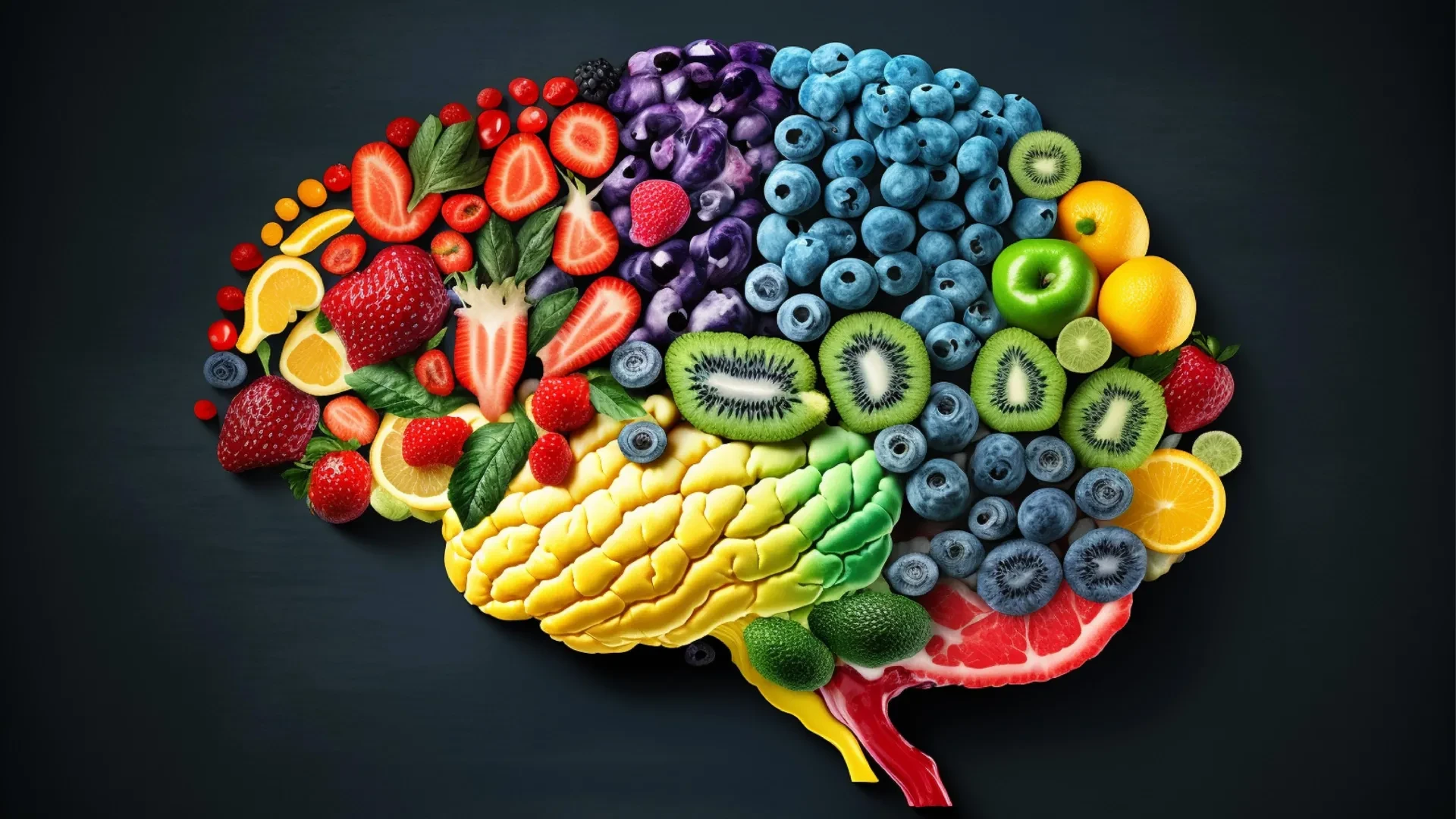
A dietary pattern that merges elements of the Mediterranean diet with a regimen engineered to reduce high blood pressure may help stall several of the structural shifts that routinely accompany the natural aging of the human brain. According to research published online in the Journal of Neurology Neurosurgery & Psychiatry, adhering more closely to this specific eating plan correlates with a reduction in brain tissue loss over time, with particularly notable preservation found in the grey matter. This vital component of the central nervous system plays an indispensable role in core cognitive functions, including memory retention, learning processes, executive decision-making, and the overall processing of information. Furthermore, researchers observed that greater adherence to the diet was associated with less pronounced enlargement of the brain’s ventricles—the internal, fluid-filled cavities that typically expand as surrounding brain tissue undergoes shrinkage.
What Is the MIND Diet?
The dietary framework in question is formally known as the Mediterranean-Dietary Approaches to Stop Hypertension Diet Intervention for Neurodegenerative Delay diet, or simply the MIND diet. Previous investigations conducted by various researchers have already linked this specific nutritional approach to superior cognitive health outcomes in older adults. The eating pattern places a primary emphasis on the daily consumption of green leafy vegetables, a wide variety of other vegetables, berries, nuts, whole grains, fish, beans, olive oil, and poultry, while also permitting moderate wine consumption. Conversely, the regimen strongly recommends limiting the intake of butter and margarine, high-fat cheeses, red meat, pastries and sugary sweets, and fried or commercially prepared fast foods.
Although past scientific literature has successfully connected the MIND diet with various markers of cognitive benefit, the precise relationship between the diet and age-related structural changes within the brain has remained somewhat less clear until now. These physical structural changes in brain architecture hold profound relevance for the onset and progression of major neurodegenerative conditions, most notably Alzheimer’s disease and Parkinson’s disease. As global populations continue to age, identifying modifiable lifestyle factors that can protect neural architecture has become an urgent public health priority.
Researchers Tracked Brain Changes for Years
To investigate these long-term structural relationships more thoroughly, researchers undertook a comprehensive study involving 1,647 middle-aged and older adults. The participants, who had an average age of 60 at the exact baseline of the study, were drawn directly from the well-established Framingham Heart Study Offspring cohort, commonly referred to as the FOS. Throughout the duration of the investigation, these participants underwent rigorous, regular health evaluations spaced systematically every four to eight years. Beginning in 1999, the scientific protocol was expanded to include regular magnetic resonance imaging brain scans administered every two to six years to monitor physical shifts in brain tissue over time.
Dietary habits were meticulously assessed through the administration of at least one comprehensive food frequency questionnaire completed by participants during routine health check-ups conducted between 1991 and 1995, 1995 and 1998, and 1998 and 2001. To ensure the accuracy and integrity of the imaging data, each participant included in the final analysis had undergone at least two distinct brain MRI scan assessments between the years 1999 and 2019. Furthermore, individuals were strictly required to show no clinical evidence of stroke or active dementia at the time of their initial baseline MRI scan.
When evaluating adherence levels, researchers found that the average MIND diet score among the cohort was just under 7 out of a possible total of 15 points, with a score of 15 representing the absolute strongest level of dietary adherence. A demographic breakdown of the data revealed that individuals who landed in the highest third for MIND diet adherence possessed distinct characteristics: they were statistically more likely to be women, to have achieved a college education, and were notably less likely to smoke cigarettes or struggle with obesity. In addition, these highly adherent individuals presented a lower prevalence of underlying chronic conditions known to negatively impact long-term brain health, such as type 2 diabetes, high blood pressure, and broader cardiovascular diseases.
Higher MIND Scores Linked to Slower Grey Matter Loss
Over an extended average follow-up period spanning 12 years, sequential MRI scans documented the expected physiological, age-related changes across the entire study group. These documented shifts included progressive decreases in total brain volume, grey matter volume, white matter volume, and hippocampal volumes. Concurrently, researchers recorded measurable increases in cerebrospinal fluid and ventricular volumes, alongside an accumulation of white matter hyperintensities—pathological anomalies that manifest as bright spots on standard MRI scans and serve as clear indicators of underlying tissue damage and microvascular disease.
Despite these universal aging trends, individuals who maintained higher MIND diet scores experienced a measurably slower loss of grey matter compared to their peers. Specifically, every 3-point increase in a participant’s MIND diet score was directly associated with a slower annual loss of grey matter amounting to 0.279 cubic centimeters per year. According to the study’s authors, this protective effect corresponded to roughly 20 percent less age-related neural decline, effectively translating to the biological equivalent of 2.5 years of delayed brain aging.
A strikingly similar protective pattern emerged when examining the expansion of the brain’s ventricles. Every 3-point rise in the recorded MIND diet score was associated with a slower expansion of total ventricular volume by 0.071 cubic centimeters per year. The researchers calculated that this reduction in ventricular growth equated to approximately 8 percent less tissue loss overall and roughly one full year of delayed brain aging, highlighting the tangible structural preservation associated with the dietary pattern.
Berries and Poultry Stand Out
A deeper dive into the specific nutritional components of the diet revealed that certain individual foods appeared to contribute more powerfully to these favorable neuroprotective associations. For instance, a higher intake of berries was directly linked to slower rates of increase in ventricular volume over time. Similarly, regular consumption of poultry was independently associated with slower ventricular enlargement, as well as a demonstrably slower decline in total grey matter volume.
In sharp contrast, higher consumption of sugary sweets was consistently associated with faster ventricular expansion and a greater degree of hippocampal atrophy—the shrinking of a brain region critical for memory formation. Furthermore, the regular consumption of fried fast foods was linked directly to a larger overall decline in hippocampal volume among the study participants.
Commenting on these specific food-level findings, the researchers suggested a plausible biological mechanism. "MIND-recommended foods rich in antioxidants, such as berries, and high-quality protein sources like poultry may reduce oxidative stress and mitigate neuronal damage," the study authors explained. Conversely, they added that "fried fast foods, often high in unhealthy fats, trans fats, and advanced glycation end-products, may contribute to inflammation and vascular damage," both of which accelerate neurodegenerative processes within the aging brain.
Some Findings Were Unexpected
Despite the overarching protective trends observed with many components of the MIND diet, not every single food item produced the expected or uniform pattern. In a somewhat surprising twist, higher whole grain intake was paradoxically associated with several unfavorable structural changes in the brain. These included faster rates of grey matter loss, accelerated reductions in hippocampal volume, and faster ventricular enlargement over the study period.
Cheese, on the other hand, demonstrated the exact opposite, unexpected trend. Greater reported cheese intake was consistently associated with slower declines in both grey matter and hippocampal volume, less overall ventricular enlargement, and a reduced burden of white matter hyperintensities visible on the scans.
Benefits Appeared Stronger in Older Adults
To ensure the robustness of their findings, the research team conducted several additional statistical analyses. The overall associations remained remarkably consistent throughout these supplementary evaluations and, notably, appeared even stronger among the older participants within the cohort. According to the investigators, this age-related variation suggests that adopting the MIND diet could be especially crucial and beneficial for individuals who find themselves at a heightened risk of accelerated brain aging, or for those who naturally display a wider variance in the progressive pace of brain atrophy.
Furthermore, stronger positive associations were documented among study participants who maintained higher levels of physical activity in their daily lives, as well as among those who were not classified as overweight or obese. This combined pattern raises the compelling clinical possibility that pairing a brain-healthy dietary pattern with other positive, sustainable lifestyle habits could act synergistically to significantly reduce an individual’s long-term risk of developing severe neurodegenerative disease.
The Study Cannot Prove Cause and Effect
While the findings offer encouraging insights into nutrition and neurology, the researchers emphasize important methodological limitations. Because the data is derived from an observational study, it cannot definitively establish that adherence to the MIND diet directly caused the slower structural brain changes observed on the scans.
Additionally, the study relied heavily on food frequency questionnaires, which inherently depend on the ability of participants to accurately remember and report what they ate over extended periods, thereby introducing the potential for recall bias. The research team was also unable to completely rule out the presence of mild cognitive impairment at the exact time of the baseline MRI scan, nor could they fully account for subtle shifts in individual diets over time or the complex influence of underlying genetic risk factors. Furthermore, because the study cohort was predominantly White, the authors caution that the findings may not apply equally or directly to populations from other racial and ethnic backgrounds.
Nonetheless, the researchers conclude their findings on an optimistic note, stating that the data reinforces the strong potential of the MIND diet as a viable, brain-healthy dietary pattern and lends substantial support to its continued incorporation into public health strategies aimed at slowing the rate of neurodegeneration in aging populations worldwide.