
MADRID — Spanish emergency services, regional health networks, and national political leaders have mobilized following a serious train accident in the province of Toledo. The disaster, which has sent shockwaves across the nation, led to the immediate clearing of hospital operating rooms, triggered urgent public appeals for blood donations, and prompted Prime Minister Pedro Sánchez and political figures across the spectrum to halt all public engagements—including active campaigning for next month’s parliamentary elections. The crash marks a deeply painful moment for the nation, standing as the second major high-speed rail tragedy to strike Spain within the span of a single year.
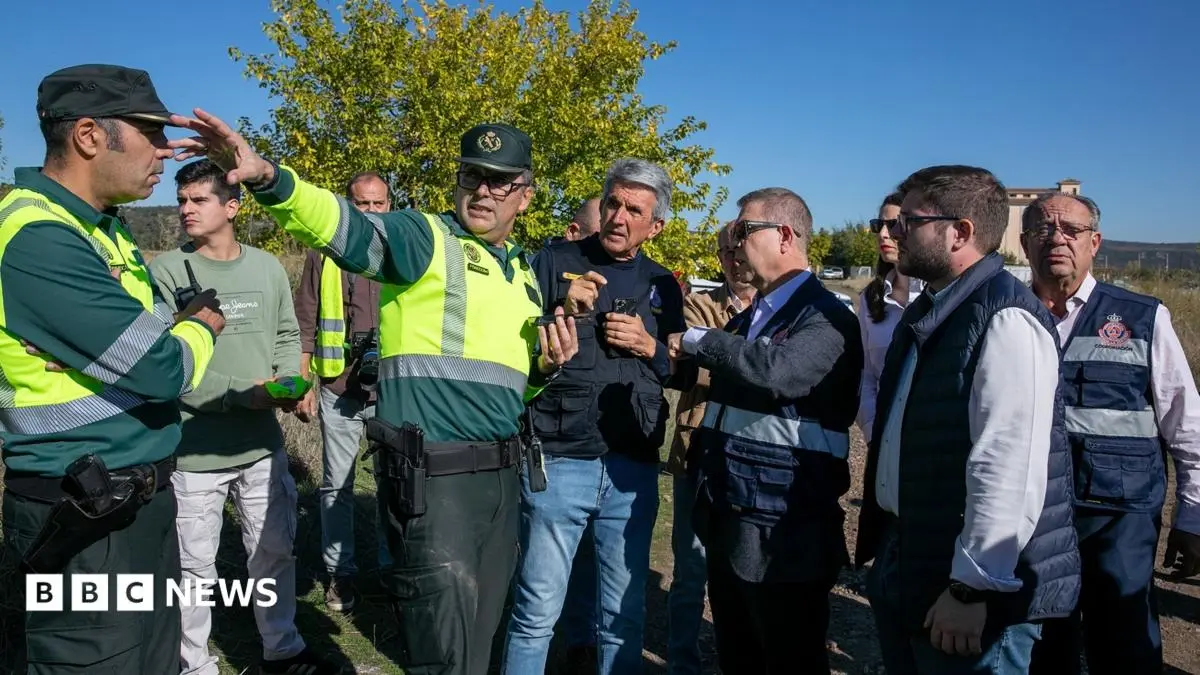
The scale of the accident became clear on Wednesday as emergency responders, including municipal and regional fire crews, technical rescue units, and specialized air ambulances, converged on the crash site in Toledo. Ground teams worked relentlessly amidst the wreckage while helicopters operated continuously to transport severe casualties to medical facilities equipped to handle complex trauma. The extensive emergency response reflects the gravity of the incident and the immediate priority placed by state authorities on securing the site, extracting trapped individuals, and providing rapid medical stabilization.
Spanish Prime Minister Pedro Sánchez expressed deep personal shock following news of the disaster, issuing a public statement to convey the national government’s commitment to supporting the victims and their families. Writing on the social media platform X, Sánchez stated that he was monitoring the situation closely and maintaining constant communication with key cabinet members and regional authorities overseeing the operational response on the ground. Specifically, the Prime Minister highlighted ongoing, direct consultations with Spain’s Minister of Transport as well as the president of the autonomous community of Castilla-La Mancha, the administrative region within which Toledo is located.
In his public message, Prime Minister Sánchez emphasized the multi-tiered administrative coordination required to manage a disaster of this magnitude. He reassured the nation that emergency services were operating vigorously at the crash site "to assist those affected and ensure their safety, in coordination with all the involved administrations." Sánchez extended his deep sympathy to those impacted by the tragedy, stating, "My affection, solidarity, and support to all the victims and their families."
The tragedy brought the country’s political calendar to an immediate halt. Prime Minister Sánchez and leaders across various political parties took the unanimous step of cancelling all public engagements scheduled for Wednesday. This decision directly impacts the ongoing national campaign for next month’s parliamentary elections, as political rallies, public addresses, press conferences, and campaign stops were abruptly called off. Political organizations across Spain aligned in prioritizing national grief and the emergency response over electoral activities, allowing government institutions and public attention to remain focused entirely on the crisis unfolding in Toledo.
The nation’s constitutional monarchy also reflected the widespread sense of grief and concern. Spain’s Royal Family posted a formal message on X expressing that it was "shocked and concerned" by the news coming out of Toledo. The Royal Household offered its sincere condolences to the families of those who lost their lives in the crash, while expressing deep solidarity and concern for the injured and everyone affected by the devastating incident.
Beyond Spain’s borders, the international community responded quickly to the unfolding disaster. A spokesperson for the European Union issued a statement confirming that the bloc was closely watching developments in Toledo and stood fully prepared to assist Spain if requested by national authorities. The EU’s offer of assistance reflects European solidarity mechanisms designed to support member states facing sudden mass-casualty emergencies, technical rescue challenges, or operational strains on local infrastructure.
As rescue operations progressed at the crash site in Toledo, the medical sector across central Spain faced an intense operational strain, triggering emergency procedures across regional hospital networks. Spanish news agencies reported that hospitals in the area took immediate, extraordinary measures to prepare for an influx of patients arriving from the accident scene. Facilities throughout Castilla-La Mancha began postponing planned, non-emergency surgical procedures to clear operating space, medical staff, and essential equipment for incoming casualties.
Hospitals in Toledo, Ciudad Real, and Alcázar de San Juan were among those explicitly taking action to alter their operational priorities. By canceling planned procedures and reallocating medical personnel, these regional health facilities sought to maximize their critical care capacity, opening operating theaters, trauma bays, and intensive care units to handle the sudden wave of victims requiring immediate surgical intervention and specialized medical management.
The operational strain on healthcare infrastructure extended into the neighboring region of Madrid. In the Spanish capital, the regional blood transfusion facility, Centro de Transfusión, issued an urgent appeal to the public for immediate blood donations. In a statement published on X, the Centro de Transfusión explained that the emergency request was put forward "in the face of a possible sudden increase in care needs" tied directly to the casualties being treated following the train crash. Health authorities urged