
Financial markets have spent the past several months enduring some of the steepest drops and recoveries in modern history, tracing a volatile path that began with a market peak in February 2025. After climbing steadily for years, the stock market plummeted by a full 20 percent at its lowest point, only to mount a dramatic recovery that brought indices right back near their previous peaks. While financial volatility rarely comes with a single, easily labeled explanation, analysts and market participants point to a clear primary driver behind the turbulence: sweeping international tariffs and shifting global trade policies.

As the financial world has been whipped around like a circus tent in a hurricane, stakeholders across the country have scrambled to determine the long-term implications. The ongoing worldwide tariff and trade battle unleashed by the government has left businesses bracing for massive operational changes, while currencies and interest rates react in real-time. Regular investors planning for early retirement find themselves caught in a broad spectrum of emotional reactions, ranging from dismissive optimism to total despair.
At the center of this economic storm lies a fundamental mechanism that affects everyday commerce: the tariff. A tariff is essentially a sales tax charged by the federal government on goods imported into the country. These taxes are paid directly by the importing entity, whether that is an individual consumer purchasing an e-bike directly from overseas or major corporations like Amazon, Walmart, and Apple bringing in products by the shipload.

Despite political rhetoric suggesting otherwise, tariffs are ultimately paid by the end consumer. When the cost of importing goods increases due to government taxation, retailers inevitably raise their prices to preserve their profit margins. Tariffs also directly impact domestic corporate projects and infrastructure. If a major retailer wants to build a new store or an energy company needs to construct a new oil rig, the added taxes on imported steel, copper, lumber, and countless other components significantly inflate construction costs. These added expenses ripple directly into the housing market, as the vast majority of building materials used in residential construction originate from multiple nations.
On average, tariffs function identically to a broad-based sales tax, driving up prices across the economy and reducing consumer spending power. While the tax revenue flows directly into the government’s coffers to help fund the national budget and potentially reduce the deficit, the broader economic impact is generally contractionary. Economists note that healthy government revenue requires a balanced mix of sales, income, and corporate taxes kept as low and predictable as possible to incentivize work and long-term planning. The current tariff regime, however, has broken from this predictability through rapidly shifting, extreme policy threats issued on an almost daily basis.

Understanding the Debate Over Domestic Protectionism
Governments sometimes employ tariffs with the explicit goal of protecting domestic industries from foreign competition. For instance, placing a heavy tax on imported automobiles gives domestic manufacturers a distinct competitive advantage, boosting their sales and profitability. While this outcome pleases domestic manufacturers and their employees, it typically harms consumers through higher prices and decreased product selection.
Such protectionist measures can serve strategic national security purposes, such as ensuring that domestic aerospace companies remain solvent to supply defense equipment. Alternatively, tariffs can stem from political pressures, where industries lobby lawmakers to shield their profit margins from foreign rivals. This dynamic has crossed party lines, with administrations from both major political parties utilizing tariffs to appease specific voter bases. Controversial taxes on imported solar panel components, for example, have persisted across multiple presidential terms despite criticisms that they impede access to cheap energy, which otherwise lowers the cost of living and boosts broader industrial efficiency.
Examining the Macroeconomic Impact on Employment and Prices
Proponents of tariffs often argue that protectionist measures create domestic jobs by forcing consumers toward locally manufactured alternatives. For example, a heavy tax on imported vehicles would likely drive some buyers toward domestic dealerships to save money, prompting local manufacturers to increase sales, build more factories, and hire more workers.
However, this localized boom comes at a broad economic cost. When domestic manufacturers face less direct competition from foreign rivals, they have fewer incentives to innovate, streamline operations, or keep prices low. Furthermore, higher vehicle prices cascade through the economy, forcing logistics and delivery companies to spend more on their fleets, which in turn raises prices on virtually all consumer goods. The slightly higher costs and reduced efficiency across the broader economy make it more difficult for startups and innovations to succeed, leading most economists to agree that tariffs should be used sparingly due to their tendency to slow down economic growth.
The Current Economic Outlook and Market Reactions
The broader economic reaction to tariff announcements has highlighted a distinct disconnect between political rhetoric and market reality. Whenever large tariff increases are announced, share prices typically drop as investors and corporate leaders recognize the certainty of diminished profit margins. Conversely, when tariff threats are paused or reduced, share prices rebound, reflecting optimism about future trade relations.

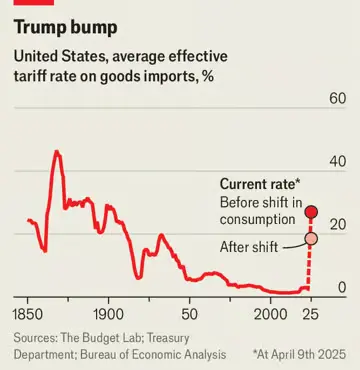
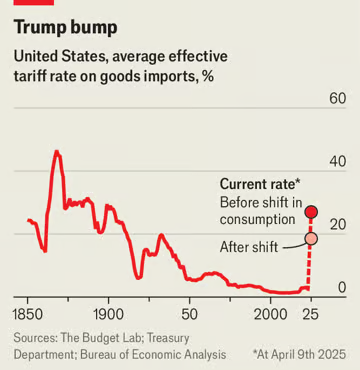
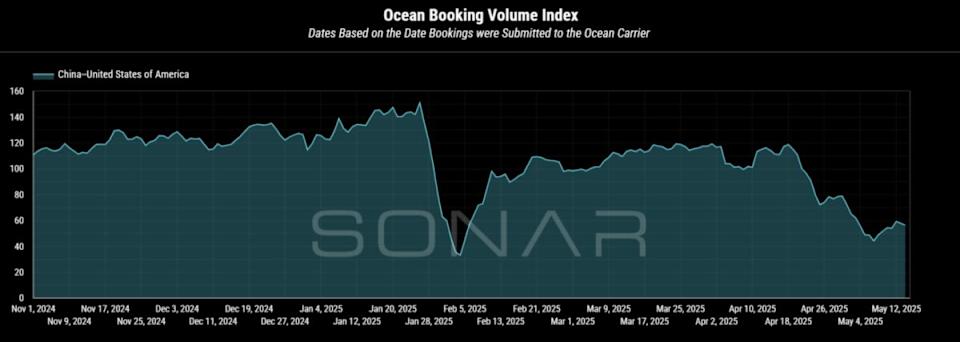
Despite tariff levels remaining significantly higher than the historical averages maintained over the past 75 years, the immediate impact on consumer prices has been cushioned by existing supply chains. The U.S. economy functions with a vast inventory of goods, and importers heavily stockpiled merchandise in anticipation of trade restrictions. As these stockpiles deplete and import volumes drop significantly, economists warn that price increases and potential shortages could emerge during the summer and fall months, particularly for essential tools and machinery.
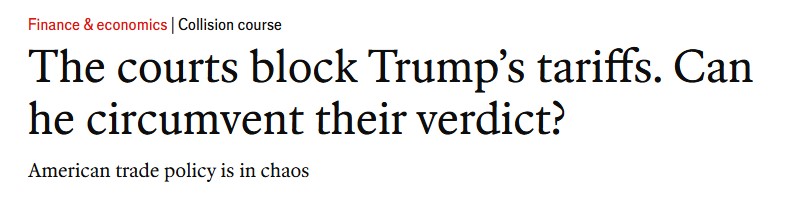
Financial observers continue to monitor whether the current tariff regime will become permanent policy or prove to be a temporary negotiating tactic. While permanent high tariffs would likely institutionalize higher costs and slower economic growth, a return to traditional free-trade agreements would restore historical economic efficiencies. As the legal system and various institutional checks and balances begin evaluating the executive authority behind these trade measures, investors remain largely positioned on the resilience of the broader economy, keeping a steady eye on long-term fundamentals rather than short-term news cycles.