
A new water tower in Turkey: $3 million. Upgrades for a museum in Stamford: $400,000. A first responders appreciation barbecue in Medina County: $10,000. These are just a few examples of the heavy public investments and community contributions that major data center companies have financed across rural Texas over the past year.
As the tech industry expands its footprint into the Lone Star State at a breakneck pace, a comprehensive analysis reveals that data center developers have quietly injected or donated more than $343 million into various local community needs. This unprecedented corporate spending has gone toward everything from critical infrastructure repairs and emergency services to expanded school programs. Strikingly, much of that financial support has landed precisely in small towns where residents have actively pushed back against data center development, highlighting a high-stakes corporate campaign to win over skeptical publics using bottomless financial resources.
The funding totals were compiled through a review of public meeting agendas, official news releases, and interviews with local government leaders. Because many corporate contributions and philanthropic gifts remain private, researchers note that this multi-million-dollar figure likely represents an undercount of the industry’s true financial footprint in rural regions.
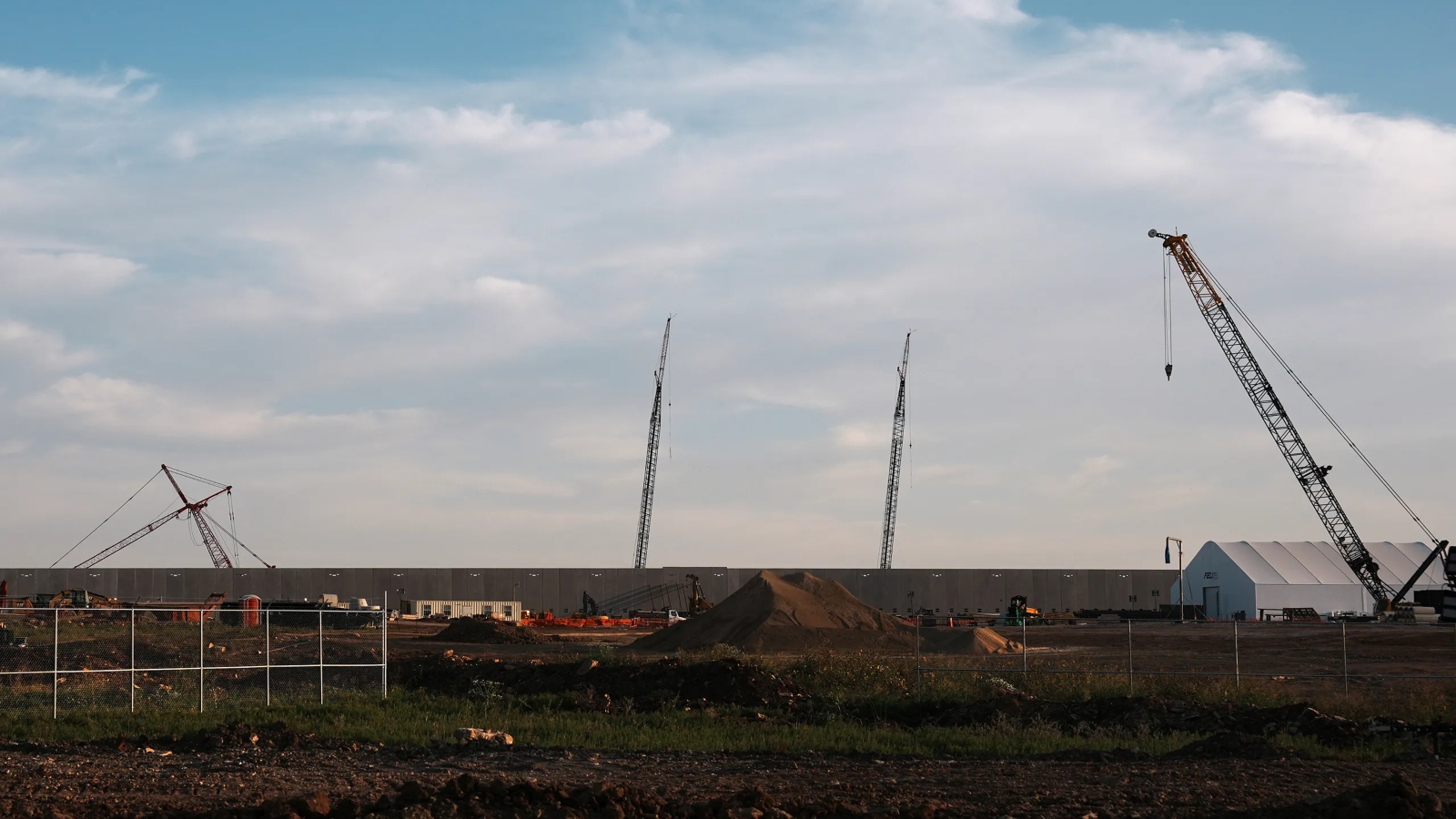
Major players are leading the charge with massive outlays. Google has funneled millions of dollars into the Haskell area to support its local hospital, pregnancy center, and other civic causes. Meanwhile, Rowan Digital Infrastructure has committed $38 million to the city of Temple to bolster public water infrastructure, alongside additional funding earmarked for STEM education centers at schools in neighboring small towns.
Beyond one-off contributions, tech companies have structured recurring investments through community action grants. Initiatives like Google’s Texas Water Impact Fund are specifically designed to restore natural resources that have sparked environmental concern among local residents, while other programs deliver direct lump-sum donations to municipal and state funds.
These corporate investments arrive as rural Texas communities navigate a difficult fiscal environment characterized by inflation, looming property tax cuts, and general economic uncertainty. For many municipalities operating on razor-thin margins, data center developers have suddenly stepped into the role of financial saviors.
"There is no question that these data centers are an opportunity for rural communities that are living in the margin," said Suzanne Bellsnyder, an editor and publisher of two Panhandle newspapers and a Substack focused on rural issues. "Most infrastructure resources are paid with tax dollars, and there’s not a ton there."

Corporate community investment is not an entirely new concept in Texas. For generations, oil and gas companies in West Texas have woven themselves into the fabric of local towns by donating to police and fire stations or hosting back-to-school backpack drives. However, the sheer scale of the digital infrastructure boom has amplified these efforts.
At the same time, the data center industry has benefited heavily from state and local tax breaks. An analysis earlier this year found that the state of Texas will forgo at least $3 billion in sales tax revenue over the next two years due to exemptions specifically tailored to foster the booming data center market.
Despite the influx of corporate cash, the industry continues to battle an uphill public relations climb. Negative public perception remains a formidable hurdle. According to an August poll conducted by the Texas Politics Project, a nonpartisan research hub focused on state government and politics, 57 percent of respondents stated they would oppose the construction of a data center within their own communities.
"I hope their intentions are good, and they’re not just trying to buy these communities off," Bellsnyder noted.
Rebuilding After Disaster in Temple
The complex relationship between tech developers and local populations is starkly visible in Temple, a city of roughly 96,000 residents located 70 miles north of Austin. Two years ago, a destructive tornado tore through the city, severely damaging or destroying hundreds of homes and businesses and leaving a recovery bill of $7.7 million. Among the casualties was the Sammons Community Center, a popular gathering spot where senior citizens met for meals, swimming, and social activities.
As the city struggled with recovery costs, Rowan Digital Infrastructure emerged as a major presence, undertaking the development of a massive $4.2 billion data center campus featuring six planned facilities in East Temple. Earlier this month, the company announced a $38 million infrastructure investment package, dedicating $25 million to the South Temple Water Infrastructure Capital Program and $10 million toward an aquifer storage and recovery program.
Furthermore, when city leaders proposed a $15 million bond to rebuild the destroyed Sammons Community Center, Rowan pledged an additional $3 million toward the project upon voter approval. Tim Davis, the mayor of Temple, said the company’s proactive approach has stood out, particularly because the facilities are still under development and not yet generating revenue for the town.
"To go ahead and invest dollars into the community for a current need is very generous of them," Davis said. "That tells me they want to work hard to have a positive impact, and they’ve chosen to help the city."
Balancing Growth and Public Backlash
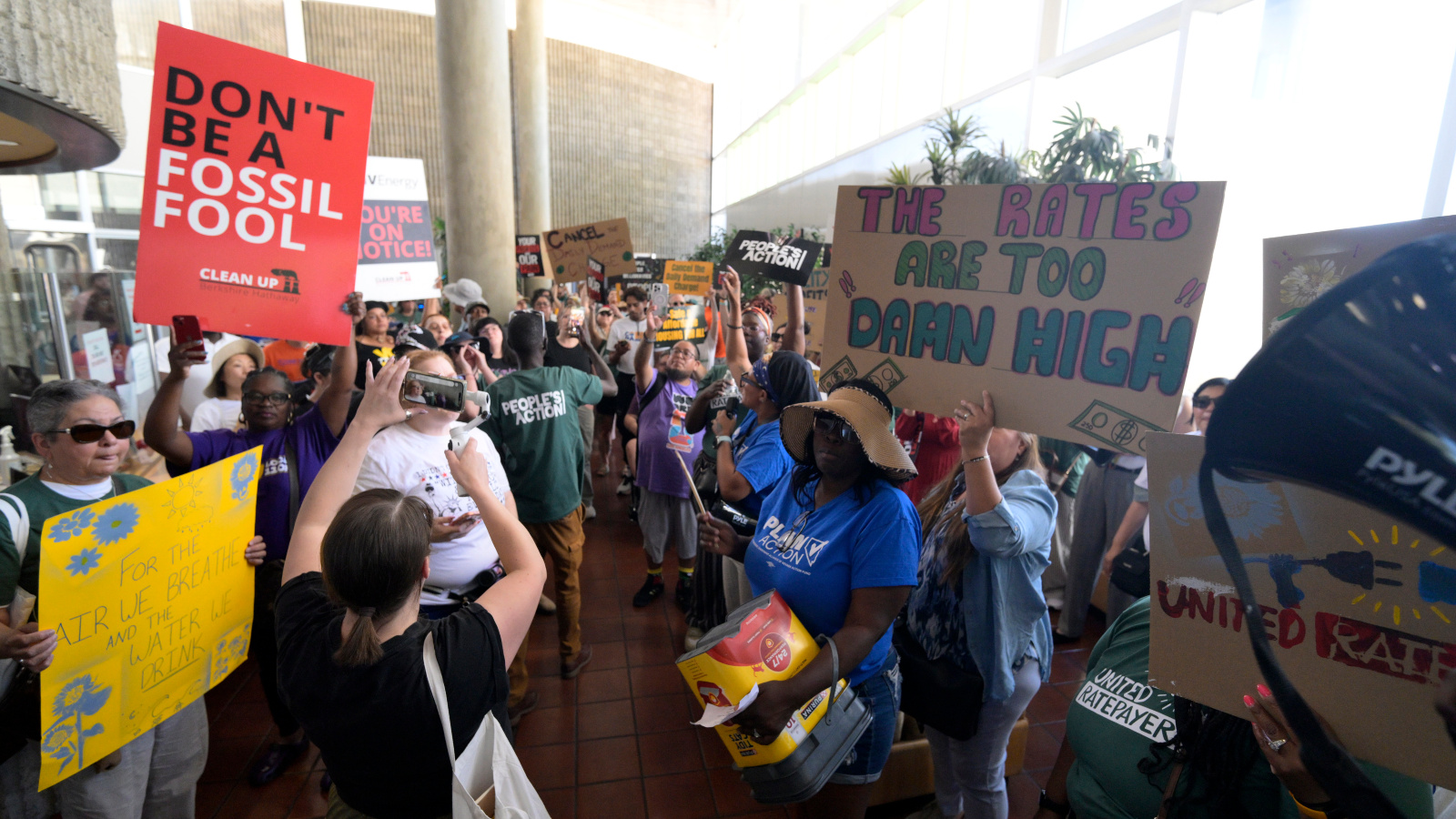
Securing public license to operate remains a central challenge for tech companies across Texas. Over the past year, communities statewide have mobilized against proposed projects, voicing intense concerns over surging electricity bills, dwindling water supplies, and housing pressures. In some cases, public pressure has successfully derailed developments. An East Texas project was scrapped entirely following sharp community backlash, and leaders in Lubbock enacted a 90-day moratorium on large-scale data center projects after residents organized a petition.
Nathaniel Brown, director of public relations for Rowan, acknowledged that integrating into host communities has required sustained effort. The company instituted monthly neighbor dinners to give residents direct access to construction teams, alongside public hearings, open houses, and dedicated social media updates.
"This development doesn’t happen in a vacuum," Brown said. "It needs to be able to fit into the community’s vision for their area."
Google has pursued a similarly hands-on engagement model. Alongside regular public forums, the tech giant hosted a community dinner in August to announce a $6 million commitment toward nonprofits in Haskell, Stamford, and Rule. Suzie Shin, manager of data center sustainability programs for Google, explained that these investments serve as a tangible response to public anxieties, pointing to millions directed toward water infrastructure and school programs, including a recent $4.5 million commitment to help Vernon—a town of fewer than 10,000 residents—repair a critical leaking pipeline.
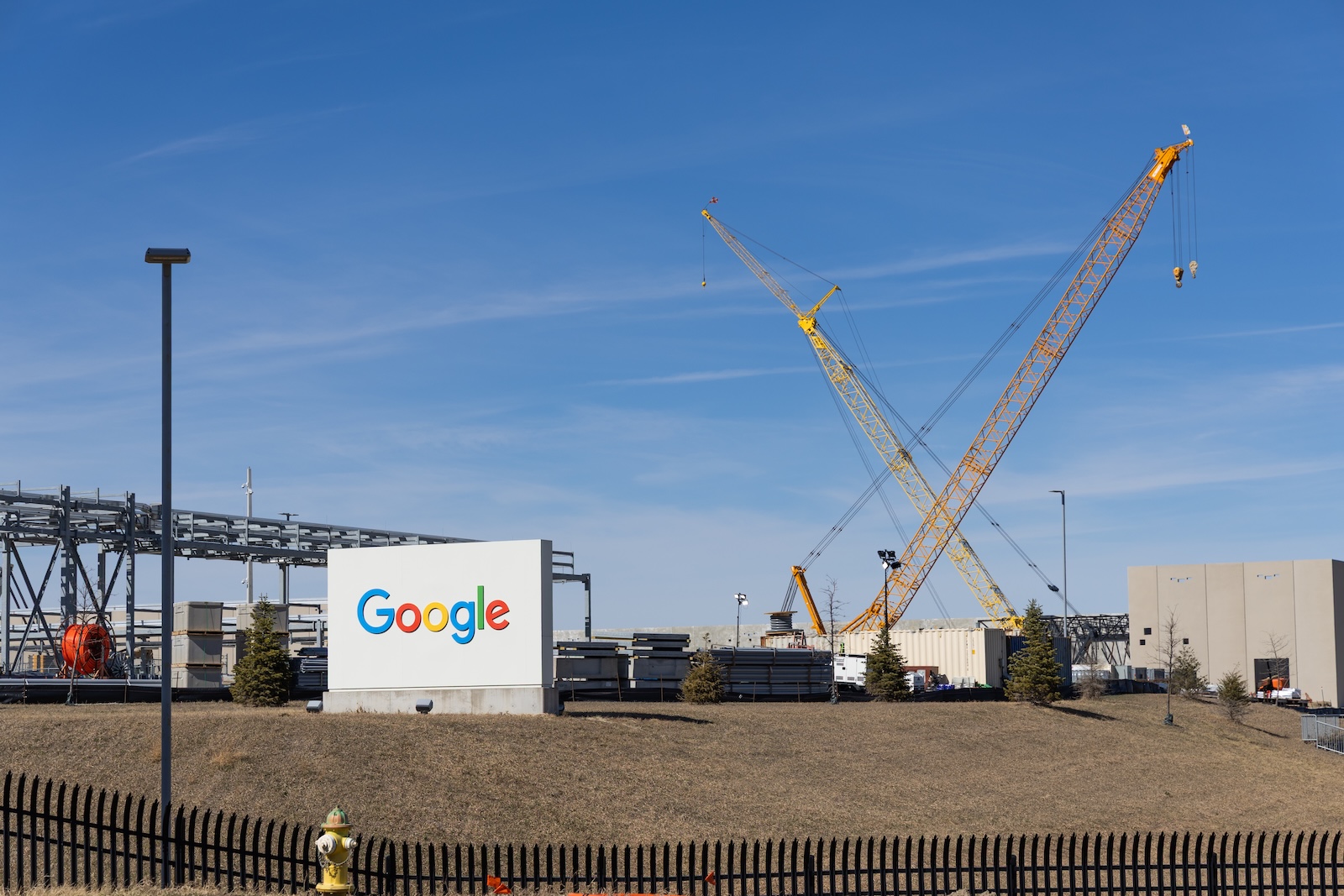
Shin emphasized that modernizing municipal water and wastewater systems benefits the entire population, not just the corporate facilities. "I think there’s a win-win for communities," Shin said. "Again, we have employees who live and work there. We are part of the community. It’s a great way to show the value and help improve outcomes, not only for the watershed but for the water users there."
While publisher Suzanne Bellsnyder acknowledges that visiting corporate executives appear genuinely interested in community partnerships, she remains cautious, mindful of the boom-and-bust industrial cycles that have historically characterized rural Texas. She recalled how her home town of Spearman was originally built by an oil and gas service company, only to be left without a long-term economic plan when the business eventually pulled out.
"I don’t want our entire identities to be built around what one company can provide to us," Bellsnyder said. "We still need to figure out ways to take care of our own business. Nobody likes taxes, but taxpayers will have to be invested in the community."
Pros vs. Cons in Small-Town Texas
For tiny municipalities facing acute infrastructure failures, the financial support from tech firms can feel indispensable. In Turkey, a small Panhandle town of roughly 275 residents, the municipal water tower failed, leaving homes completely dry for weeks and forcing residents to temporarily relocate. City Manager Lynette Findley noted that while everyone knew the aging tower was bound to collapse, the town’s modest $500,000 annual budget left zero room for a replacement.
With the town in crisis, QTS Data Centers—a major global developer operating in the county—stepped forward to fund a replacement water tower at an estimated cost of between $3 million and $5 million.
"It was right before major conversations were starting on how QTS could help with our infrastructure," Findley said. "I joke about it failing at the exact right time."
As state lawmakers weigh further restrictions and property tax cuts that threaten municipal revenues, local leaders argue that data centers provide an essential financial lifeline. Kevin Hodges, city manager for Childress, said that reduced resources severely limit a town’s ability to maintain basic services.
Childress recently faced its own water crisis after lake levels dropped amid an ongoing drought, forcing the town under a prolonged boil-water notice and a disaster declaration. While some residents pointed fingers at local data center operators IREN and Lancium, city officials emphasized that the companies actively aided relief efforts. IREN employees distributed bottled water to elderly residents and health services, while Lancium—which draws no water from the depleted Greenbelt Lake—agreed to construct a 16-mile pipeline from its private wells in the Blaine Aquifer. The company plans to treat and deliver one million gallons of water daily to the city completely free of charge.

"They’re not taking," Hodges said. "They’re providing."
Mayor Davis of Temple echoes the sentiment that rising operational costs and inflation make alternative revenue streams essential for municipal survival. Without the tax generation and voluntary investments tied to new developments, cities would face stark choices between raising local taxes or drastically cutting public services.
Nevertheless, local officials emphasize that proper oversight remains critical to safeguard communities against potential downsides. Findley noted that while agreements between companies like QTS and county officials have undoubtedly saved Turkey from disaster, the arrangement carries a dual nature.
"Data centers get a ton of negative publicity, so I’m sure it is a little self-serving on their end," Findley said. "लेकिन, to be honest, I don’t know what we would have done without their assistance."