
As senators prepare to pack their bags and head back to their home states to campaign for the upcoming midterm elections, a dedicated bipartisan group has been working frantically behind the scenes to secure a deal on a long-desired energy permitting reform bill. Analysts and industry stakeholders widely consider the legislation critical to meeting the rapidly escalating energy needs of the United States.
The bipartisan coalition of senators says it has come closer than ever before to finalizing a comprehensive permitting reform bill designed to streamline and accelerate the construction of new energy infrastructure projects across the country. Lawmakers and industry experts consider the issue increasingly urgent as electricity demand surges nationwide, driven in significant part by the technology industry’s massive, ongoing build-out of power-hungry data centers.
"America’s energy demand is surging due to advanced technology and manufacturing, but our outdated federal permitting process remains a massive barrier to building the infrastructure we need to stay competitive," said Senator Marsha Blackburn, a Republican from Tennessee, in an August press release detailing the legislative momentum.
Despite the broad economic consensus among lawmakers that the current federal permitting system is deeply broken, the bill’s broader public reception remains highly uncertain. According to Alex Lundry, president of the Washington, D.C.-based public opinion research firm Redbud Consulting, data centers have become a toxic subject for average voters. Recent public opinion polls indicate that Democrats, Republicans, and political independents alike express strong opposition to having data centers constructed within their local communities.
"If you phrase permitting reform as serving data centers, the polling results get way worse," Lundry noted. This dynamic places legislators—many of whom are facing competitive reelection battles this November—in an uncomfortable political bind. They recognize an urgent need to facilitate the expansion of electrical infrastructure to support modern economic growth and the broader technology sector, yet they simultaneously want to avoid alienating voters who fear the local footprint and resource consumption of data centers.
The potential legislation represents one of the rare areas of bipartisan agreement in a deeply divided Washington, where lawmakers from both sides of the aisle broadly acknowledge that the current energy permitting process is fundamentally dysfunctional. Industry leaders point out that complicated studies evaluating project impacts, lengthy bureaucratic reviews across multiple federal agencies, and persistent legal challenges from environmental advocacy groups and local project opponents routinely delay energy projects of every description.
Lawmakers have spent years attempting to overhaul the federal permitting framework. Most recently, the high-profile Energy Permitting Reform Act of 2024 successfully made it out of committee but ultimately stalled before ever receiving a full floor vote in the Senate. Today, lawmakers from both parties maintain that the unprecedented spike in power demand has injected this latest legislative attempt with more momentum than any previous reform effort. The highest-ranking members of both parties serving on the Senate’s two primary energy-related committees are currently leading the delicate negotiations over the bill’s exact language.
Complicating the legislative path forward, President Donald Trump has signaled a willingness to stop blocking renewable energy projects in order to entice Democratic lawmakers toward a compromise deal on the permitting package. However, Democrats have harbored persistent anxieties that even if new laws make it easier on paper to build renewable installations, the executive branch could continue obstructing them in practice. Several Democratic lawmakers have indicated that these lingering doubts have slowed the bill’s momentum.
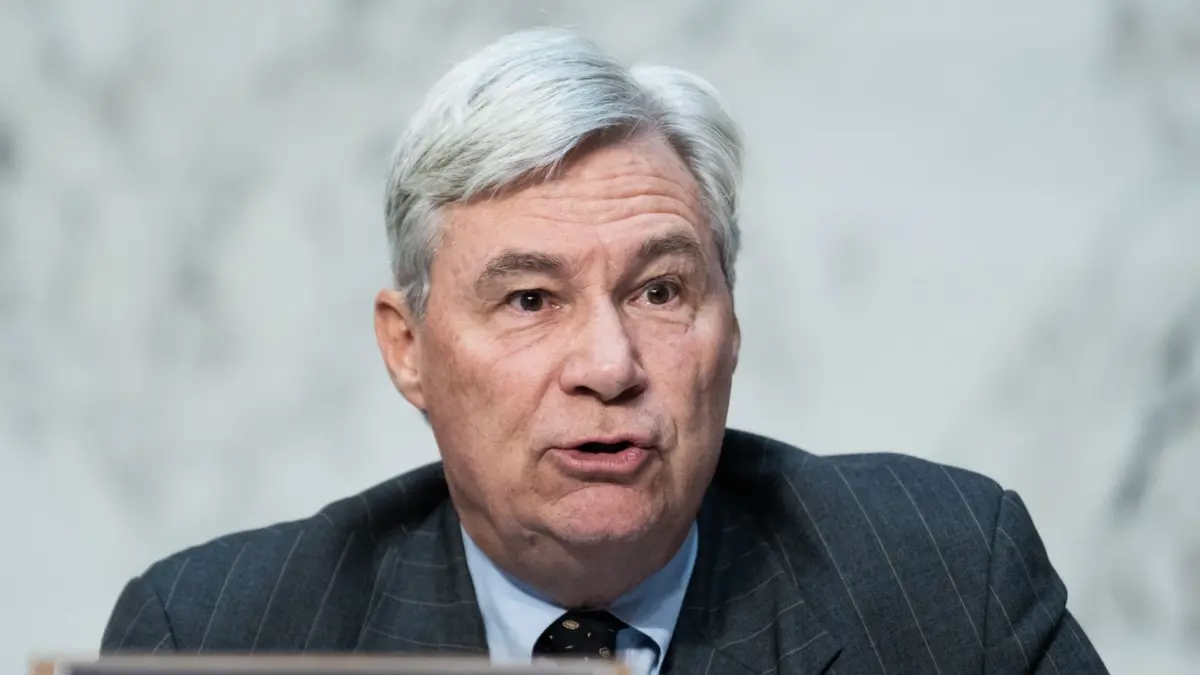
"I appreciate very much what the Trump administration has done to move in this direction, but in order to brief colleagues on what this really means, we need just a bit more clarity on exactly what return to regular order for wind and solar projects looks like," Senator Sheldon Whitehouse, the top Democrat on the Senate Environment and Public Works Committee, told reporters recently. "So that’s still to be done, but that I think can happen in fairly short order."
Politico reported that participating senators ultimately intend to finish hammering out the finer details of the legislation after the midterm elections conclude. Delaying the final push also means the bill will likely have to compete with a crowded legislative calendar for attention and floor time, particularly if Republicans lose control of Congress in the upcoming vote.
Although the draft bill’s exact contents remain private, industry stakeholders and congressional observers anticipate that the legislation will seek to simplify energy project construction in several key ways. Expectations include reducing the scope of potential environmental and social effects that government agencies are legally required to consider when issuing permits, loosening stringent Clean Water Act and Endangered Species Act requirements that frequently slow down interstate transmission line and pipeline permits, and shielding successfully obtained permits from prolonged post-issuance lawsuits.
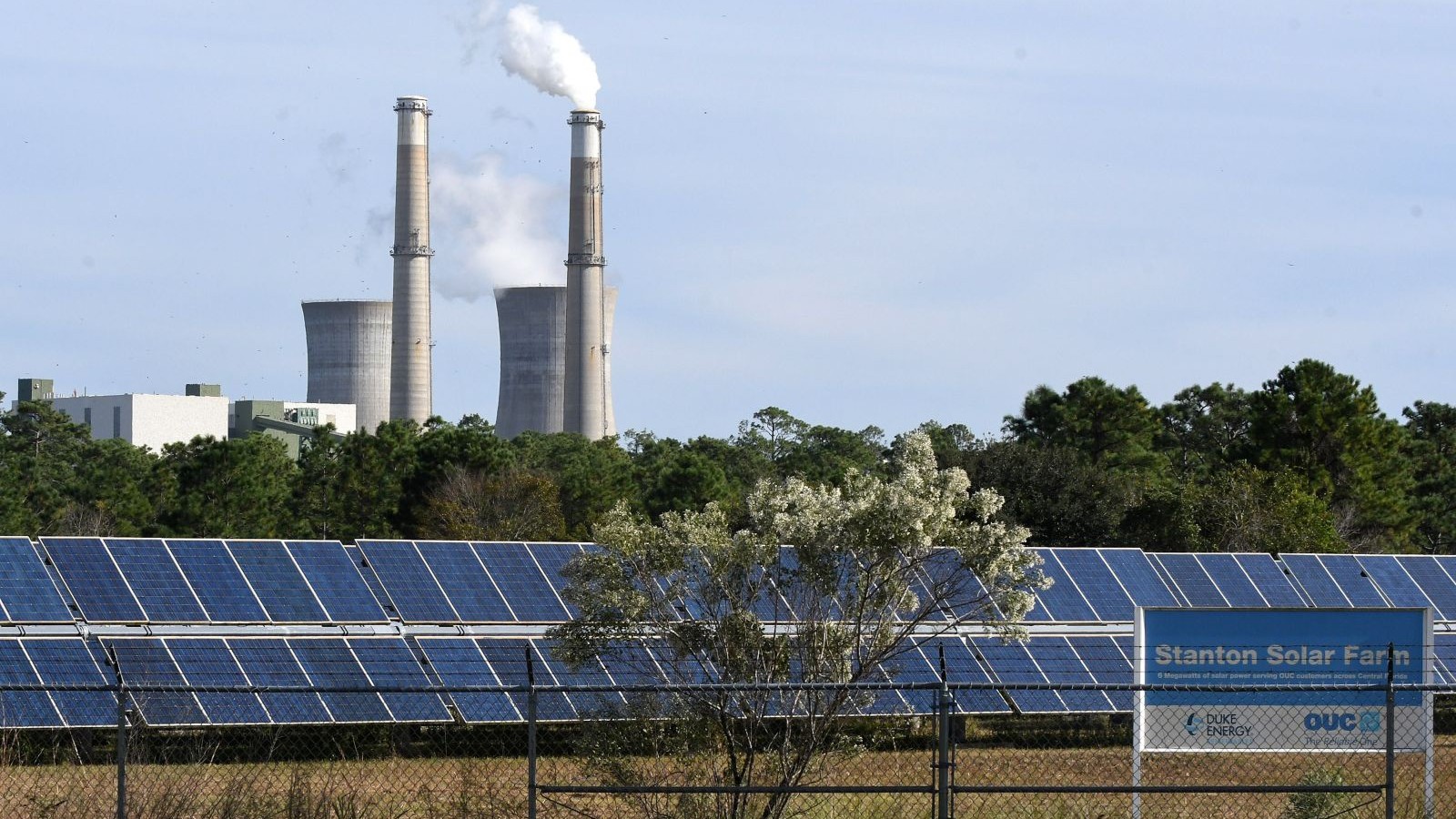
A finalized bill of this nature would theoretically ease the path to construction for both renewable energy and fossil fuel infrastructure, with a particular focus on solar installations and natural gas facilities, which currently enjoy the strongest market momentum. Solar power and advanced battery storage systems account for nearly 80 percent of all new power generation expected to come online across the United States in 2026. Meanwhile, natural gas served as the single largest source of electricity generation in 2025, with federal projections anticipating continued growth. Natural gas has emerged as a primary, reliable power source for data centers, which are projected to consume massive quantities of gas-generated electricity over the coming decade.
Unsurprisingly, both the solar and natural gas industries have thrown their weight behind the push for permitting reform. Tim Pawlenty, president of the Solar Energy Industry Association, has colorfully warned that the country’s energy development pipeline would remain severely constrained without swift legislative action.
A colossal surge in electricity demand has been anticipated in the United States for years, predating the recent, aggressive build-out of artificial intelligence data centers by Big Tech firms. American consumers are increasingly electrifying their households through the adoption of heat pumps, efficient electrical appliances, and electric vehicles, all of which play a vital role in national emissions-reduction goals. Furthermore, the country has largely exhausted the energy-saving benefits of compact fluorescent and LED lightbulbs, which had successfully kept overall electricity demand relatively flat throughout the 2010s. Compounding these factors, the United States is actively trying to reshore heavy manufacturing, an industrial transition that demands substantial and reliable electrical power.
The rapid proliferation of data centers has accelerated and intensified this power-demand spike, placing visible strain on regional electric grids and national supply chains. Major data center developers, including companies like Google, have actively hired lobbying representation in Washington to advocate for comprehensive permitting reform.
Environmental advocacy organizations, such as the Natural Resources Defense Council, are eager to accelerate the deployment of clean energy resources, but they remain fiercely protective of bedrock environmental protections. NRDC executives have instead advocated for proactive regional land-use planning that simplifies the siting of renewable energy projects while safeguarding vulnerable local ecosystems. Conversely, some Democratic legislators appear increasingly willing to compromise on certain environmental reviews to secure clean energy expansion and maintain long-term grid reliability. Meanwhile, Republican lawmakers, many of whom have historically downplayed the severity of global climate change, are primarily focused on unleashing energy production to power broader economic growth.
An underlying geopolitical motivation has also united lawmakers across the political spectrum: a persistent anxiety that hobbling the domestic data center industry, and the advanced artificial intelligence systems those facilities enable, could allow China to surpass the United States economically and militarily. Trump administration officials, bipartisan members of Congress, and energy industry executives speaking at the annual Clean Energy Week conference in Washington, D.C., forcefully argued that the United States must maintain absolute competitiveness and global dominance through a massive domestic energy build-out.
"While Communist China cuts corners to get ahead, a mountain of red tape has America fighting the energy war with one hand tied behind our backs," said Senator Rick Scott, a Republican, in a public statement.
Despite these geopolitical arguments, pollsters warn that the nationalist framing is losing resonance with the broader American electorate. Lundry noted that framing policy purely around competition with China is no longer an effective persuasion tool for voters.
Instead, Lundry recommended that proponents frame permitting reform as a direct benefit to clean power production and household economics. A September poll conducted by Redbud Consulting found that 71 percent of survey respondents agreed that making renewable energy a larger component of the nation’s overall energy supply is the right strategic move. Lowering everyday utility costs also polls exceptionally well with the public, with the survey revealing that 70 percent of respondents experienced noticeable increases in their monthly energy bills over the past year.
Recent legislative activity in the House of Representatives demonstrates that lawmakers are acutely aware of both the public’s widespread antipathy toward data centers and consumer anxieties regarding rising energy costs. Just days before Senate negotiators announced they were nearing completion of their permitting draft, the House passed a separate bill encouraging states to compel data center operators to finance their own dedicated electricity generation. The measure is intended to insulate regular ratepayers from shouldering the financial burden of surging power consumption driven by data centers. That legislation has currently stalled in the Senate, where some Democratic members have criticized the House proposal as insufficiently robust.