
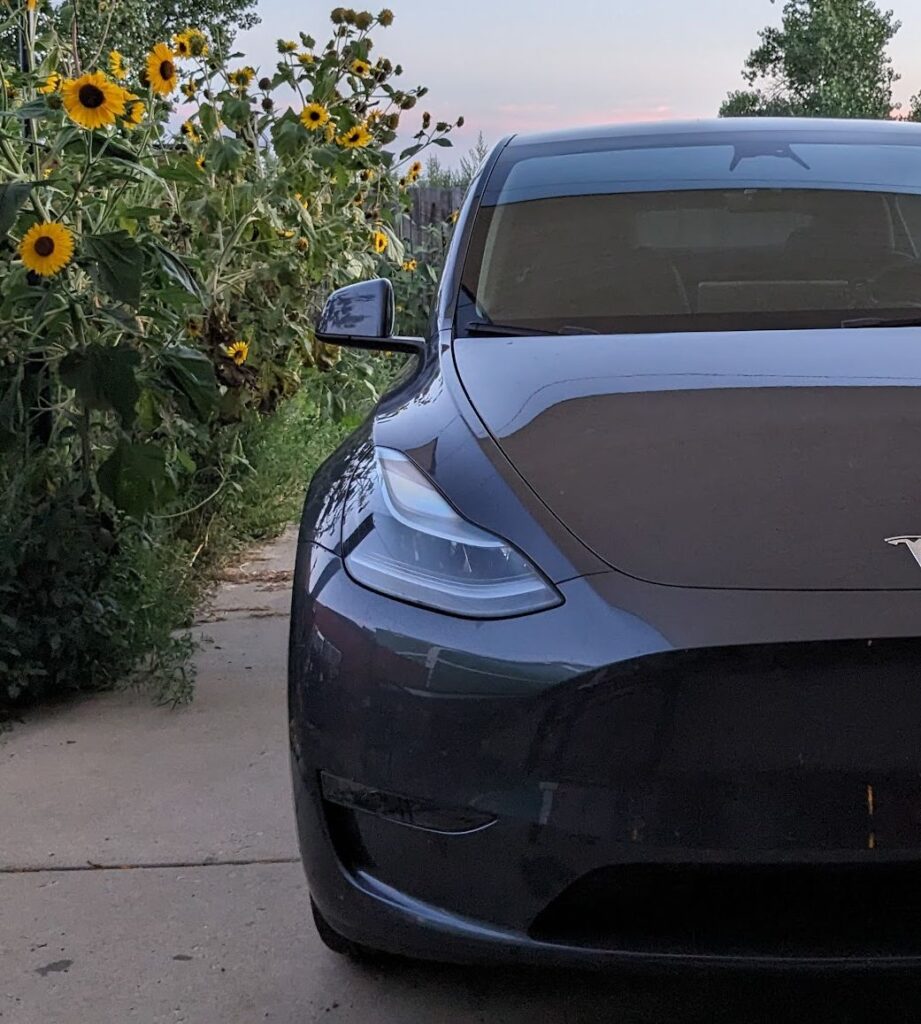
Nearly two years after shocking his dedicated following of frugal enthusiasts by purchasing a brand-new Tesla Model-Y in a deliberate bid to spend more money, the prominent early retirement blogger known as Mr. Money Mustache has crunched the numbers on his recent lifestyle inflation—and the results have surprised even him.
Back in 2023, the financial personality initiated a personal lifestyle experiment aimed at loosening the purse strings. After decades of hyper-frugality that became the bedrock of his brand, he decided it was time to enjoy the fruits of his substantial investment portfolio. What followed was a multi-year pivot toward experiential abundance, characterized by fine dining, upgraded travel accommodations, and spontaneous road trips.
Reflecting on the initial phase of the experiment, he noted the psychological shift of entering middle age with a desire to effortlessly recalibrate one’s habits. For two consecutive years, that philosophy translated into a greater feeling of material abundance. He enjoyed a marvelous time traveling extensively and spending money in ways he imagined a genuinely wealthy person would.
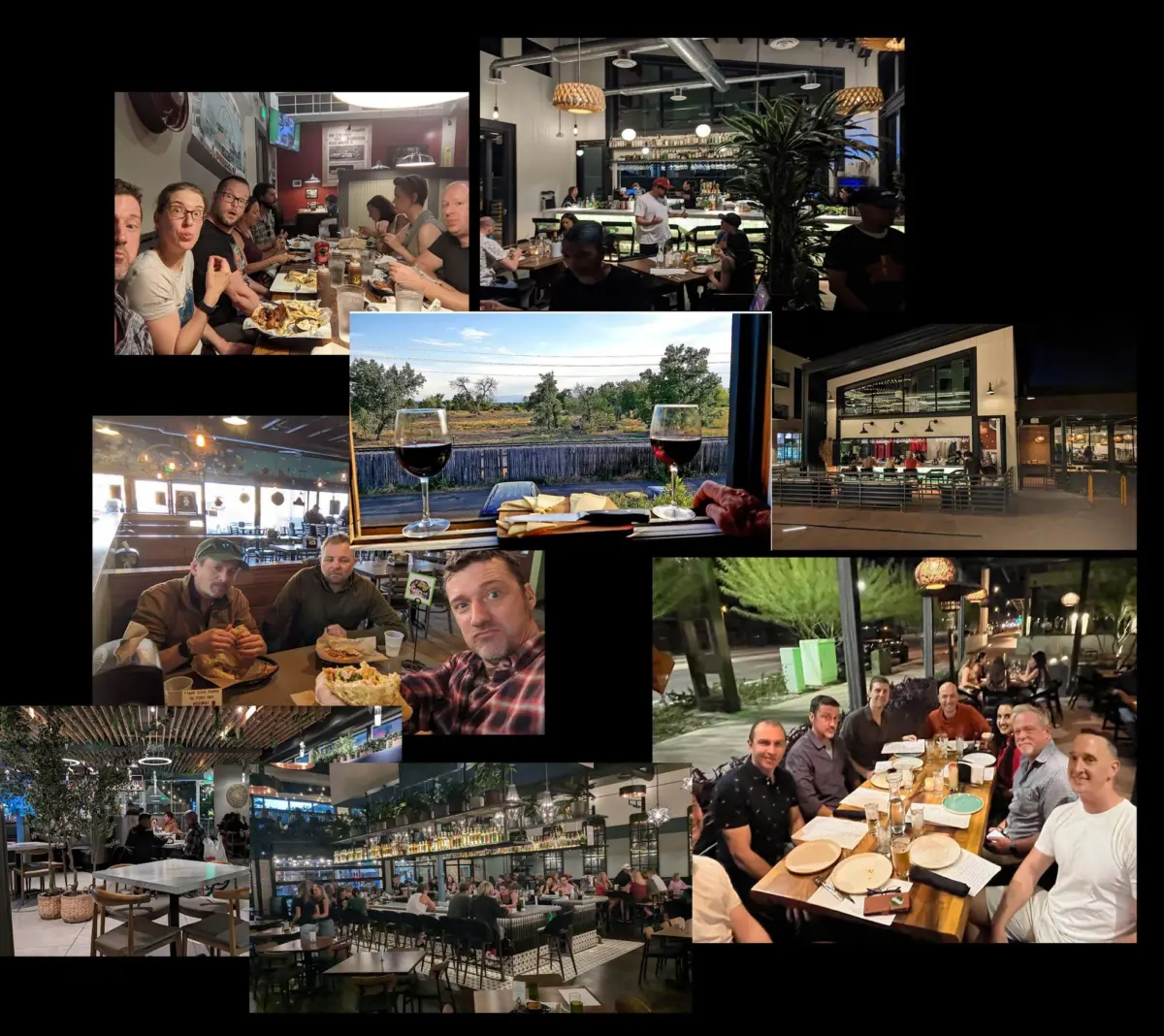
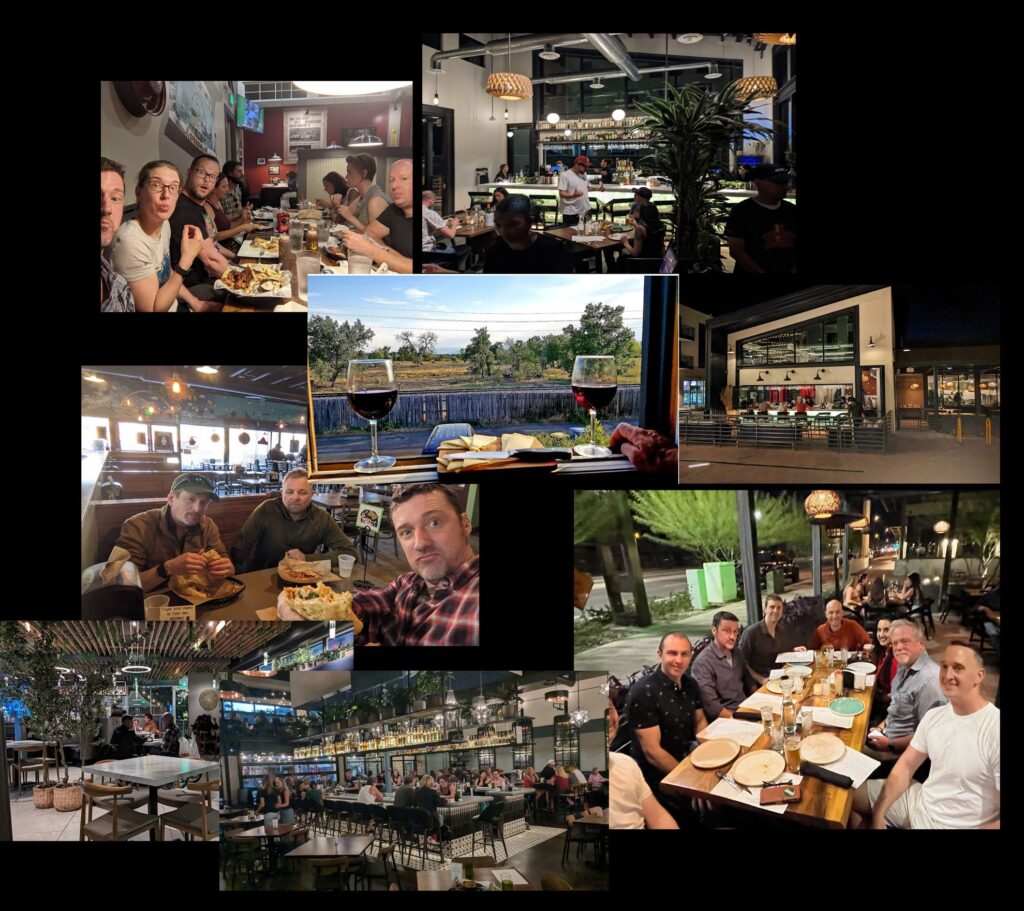
Rather than sticking to his traditional cost-effective routines, he began dining out at stylish restaurants, booking hotels based on comfort rather than the lowest price tag, and paying extra for preferred airline seating. He stopped worrying about paying double for groceries at upscale organic markets compared to his usual warehouse club memberships, maintaining accounts at both Sam’s Club and Costco.
Among the standout highlights of this period of freedom were late-night electronic dance music concerts attended with his young adult son, alongside three visits to Meowwolf immersive art venues. One such excursion included a Christmas Day road trip from his winter residence in Tempe, Arizona, to Las Vegas. Having spent much of the year as a single man with an entirely open schedule, he was able to freely meet up with friends, explore new regions, and embrace spontaneous opportunities.
With all of this flashy spending taking place, the blogger fully expected his annual budget to creep back into standard American consumer territory. Yet, because he was having an exceptional time enjoying his life, he delayed tallying up the exact figures. It was only recently, while comparing notes and conducting informal financial coaching with a friend, that he finally sat down to sort every transaction into a comprehensive spreadsheet.
When he completed the categorization and hit the sum button, the final tallies defied his expectations. While his overall expenditures had indeed risen—particularly within travel-related sectors—the grand total remained remarkably modest. Depending on how capital depreciation for the vehicle and business-related overhead are factored in, his total annual spending moved from roughly $20,000 to approximately $30,000. This baseline figure still excludes the hidden economic subsidy of a fully paid-off primary residence.
This level of expenditure remains easily sustainable by a standard one-million-dollar investment nest egg. Given that his actual investment portfolio sits considerably higher than that threshold—bolstered by years of strong economic growth and a resilient stock market rally—his lifestyle remains well within safe financial boundaries.
Although he humorously concedes that he "failed" to reach the higher spending levels traditionally recommended for older, wealthy individuals, the outcome has left him satisfied. He genuinely enjoyed the psychological shift toward an abundance mindset and plans to continue exploring life experiments in the coming years. Drawing on the concept of an optimization council previously discussed on his platform, he emphasized the enduring value of comparing spending strategies and life tips to extract the maximum enjoyment from daily existence. Approaching two decades into early retirement, he remains open to continuous learning and feedback.
A Detailed Look at the Modern Frugal Budget
A breakdown of the annual financials illustrates where the money actually went during the pivot toward a more abundant lifestyle. Total spending from personal and business cards reached $30,026.76.
Groceries accounted for the largest single share, totaling $5,960.39, which covered food for himself, his young adult son about half of the time, and visiting guests. Restaurants made up another $2,243.59, reflecting a shift toward dining out strictly for special experiences rather than mere sustenance.
Travel expenses totaled $6,158.77, encompassing personal journeys as well as business-related trips to events like Camp Fi and other industry conferences. Utilities added $1,909.51 to the ledger, while Amazon and household expenses hit $3,554.10. Notably, approximately 75% of the business-related portion of those home expenses consisted of construction materials purchased for clients—typically friends—which were subsequently reimbursed via invoice.
Expenditures on alcohol were modest at $250.67, spent primarily on wine and beverages for entertaining. Healthcare costs totaled $3,536.66, kept relatively low through a combination of a direct primary care subscription and a health-sharing organization, alongside out-of-pocket spending on advanced screening blood tests for educational purposes.
Automobile expenses, covering insurance and vehicle registration alone, amounted to $2,425.21, though the blogger notes that factoring in depreciation would provide a more complete picture. Phone and internet services cost $1,410.56, featuring a gigabit home internet connection and a monthly mobile phone bill. Finally, property taxes came in at $2,577.30, which remains remarkably reasonable given that neighborhood home values range between $500,000 and $600,000.
Comparing these figures to historical spending data from prior years reveals that costs are only moderately higher, despite the broader inflationary pressures experienced across the broader economy in recent years. While travel and entertainment outlays increased, home renovation costs dropped because frequent travel left him with less time for DIY projects at his property. Meanwhile, formalized healthcare sharing structures introduced a new recurring expense that was absent when he was previously self-insured.
The Role of Housing and Healthcare in Long-Term Sustainability
The most striking feature of the budget remains the complete absence of standard housing costs, such as monthly mortgage payments. Having paid off his home years ago, and taking pleasure in maintaining and repairing the property himself, he avoids recurring bills for lawn care, plumbing, tree pruning, and handyman services.
While acknowledging that this strategy might not suit everyone—and conceding that taking out a large mortgage at three percent interest back in 2021 and investing the principal in stock index funds would have been mathematically optimal—he emphasizes the deep psychological peace of mind that comes with owning a home outright. Furthermore, skipping traditional homeowner’s insurance saves him an estimated $2,000 annually, effectively boosting the return on his initial payoff decision.
On the healthcare front, while good fortune and personal health have spared him from major medical incidents, he maintains a two-tiered support system. This setup pairs a direct primary care medical clinic membership costing roughly $107 per month with a high-deductible health-sharing plan through Sedera costing about $201 monthly. The combined monthly expenditure of $308 undercuts standard commercial bronze health insurance plans while offering personalized, zero-deductible primary care alongside a safety net for catastrophic medical events.
Evaluating Future Improvements and Lifestyle Adjustments
With his daily life running smoothly, the blogger continues to evaluate whether further changes are warranted. Guided by the principle that fixing persistent daily friction points is ultimately more effective than simply doubling down on areas of life that are already functioning well, he points to physical workspace limitations as his primary annoyance.
Engaging heavily in space-intensive hobbies like construction and music while living in a relatively compact home has maxed out his current setup. Ideally, he would prefer to double his current workshop capacity from a standard two-car garage spanning 440 square feet to roughly 1,000 square feet. However, because he deeply values his current neighborhood, views, and neighbors, he intends to optimize his existing space unless an ideal opportunity arises directly on his block.

Looking further ahead, dreams of acquiring a remote mountain compound featuring private cliffs and a natural stream remain on his tentative list of possibilities. Yet, recognizing that his schedule is already fully occupied with engaging projects, he questions whether adding another property would genuinely increase his happiness, opting to keep the idea parked until he is prepared to part with an existing commitment.
As he prepares for the year ahead, the financial commentator remains enthusiastic about maintaining an abundance mindset while balancing a packed slate of personal and professional projects. At the same time, he noted a temporary market consideration regarding electric vehicles, suggesting that potential changes to federal EV tax credits under the incoming presidential administration could make the current period an opportune window for buyers considering models like the Tesla Model Y or Model 3.