
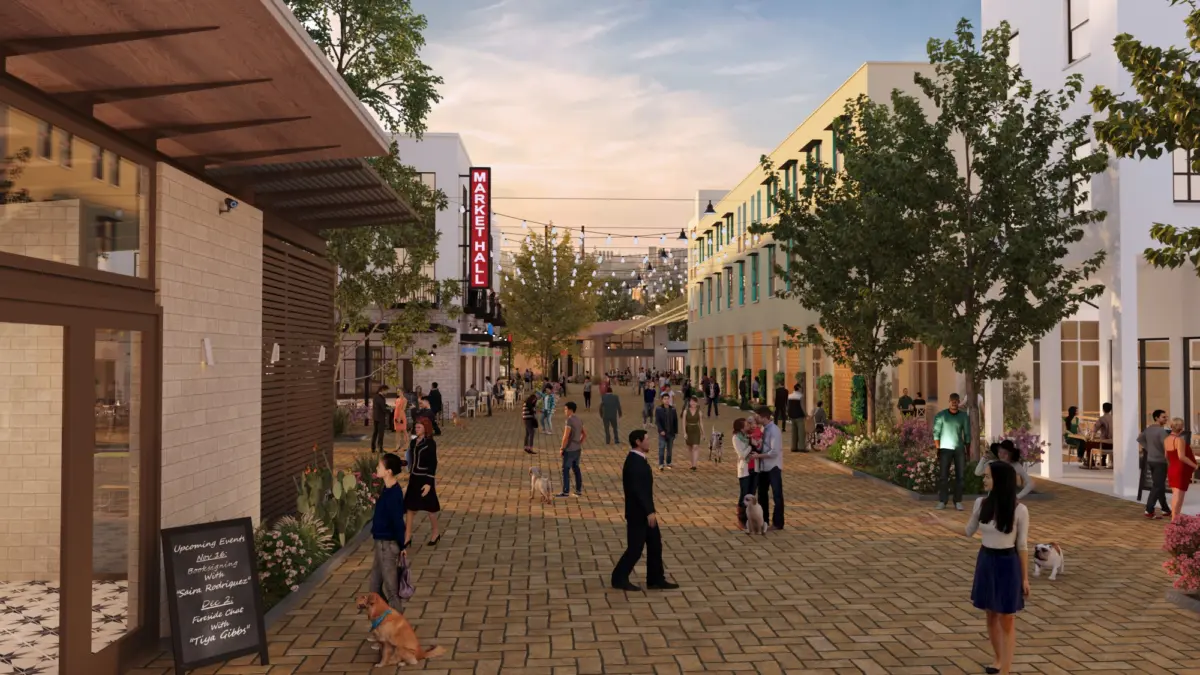
For years, lifestyle commentators have explored the intersection of personal finance, physical fitness, and the psychology of happiness. Yet, according to urban advocates and financial commentators, there is one foundational area of modern society where all these elements converge with unmatched synergy: the design of our human habitats. If a single paradigm shift could fundamentally improve the well-being of every person on the planet and resolve many of our most pressing systemic challenges in one stroke, it would be the immediate transition from building cities around automobiles to building them around people.
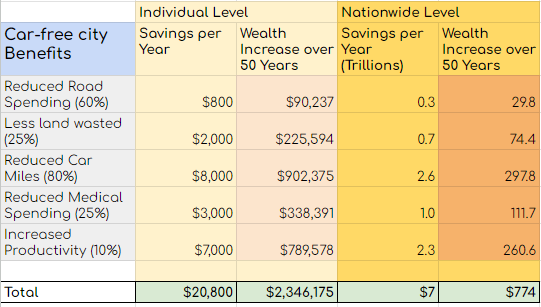
The implications of this shift extend far beyond marginal reductions in environmental pollution, traffic congestion, or vehicle collisions. Proponents argue that pedestrian- and transit-oriented urban planning paves the way for richer, healthier, and significantly more engaging daily existence. Conservative economic estimates suggest that human-centric urban design could yield a lifestyle dividend exceeding $20,000 per person annually, compounding into well over two million dollars over an adult lifetime.
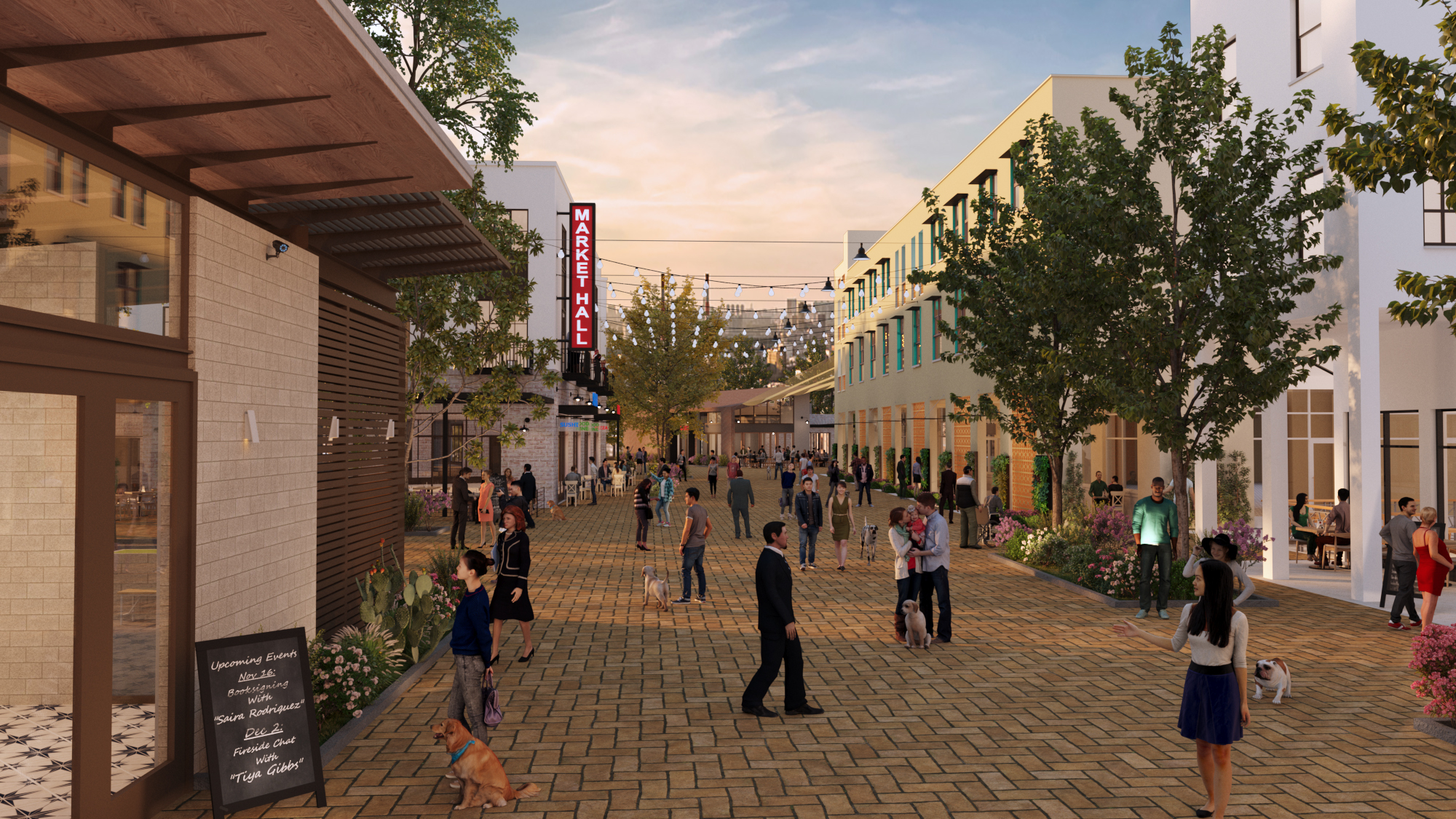
Scaled to a national level, such a transformation could theoretically boost the wealth of the United States by approximately seven trillion dollars per year, compounding into roughly 770 trillion dollars over five decades. To put that figure in perspective, it exceeds the current total estimated wealth of the entire global population. Under this model, housing could become simultaneously more affordable, spacious, and aesthetically pleasing. Daily routines would inherently incorporate physical activity, fortifying cardiovascular and mental health while significantly reducing the time and financial resources dedicated to healthcare maintenance. Public and private accounts alike would benefit from diminished household expenses and redirected capital, fueling an economic prosperity boom unlike any seen in modern history.
Overcoming the Status Quo of Urban Planning
To many, city planning appears to be an administrative background function managed by municipal councils focused on maintaining the status quo and preventing disruption. These committees are frequently influenced by legacy institutions and entrenched interests that lack the vision to imagine alternative models. Yet advocates maintain that if the public could look past the smog and congestion of conventional car-dependent infrastructure, a radical redesign would emerge not merely as an option, but as a fundamental necessity.
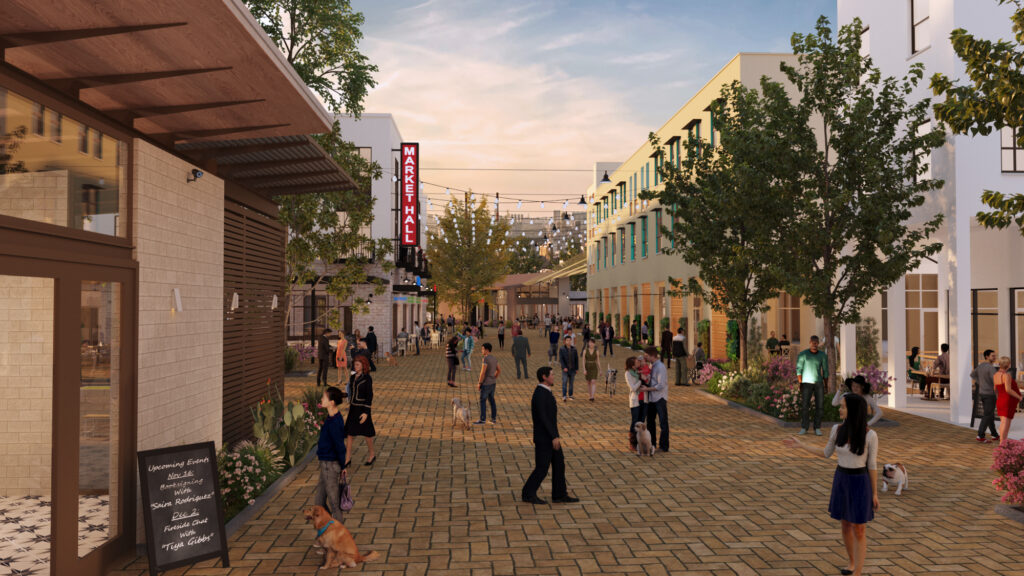
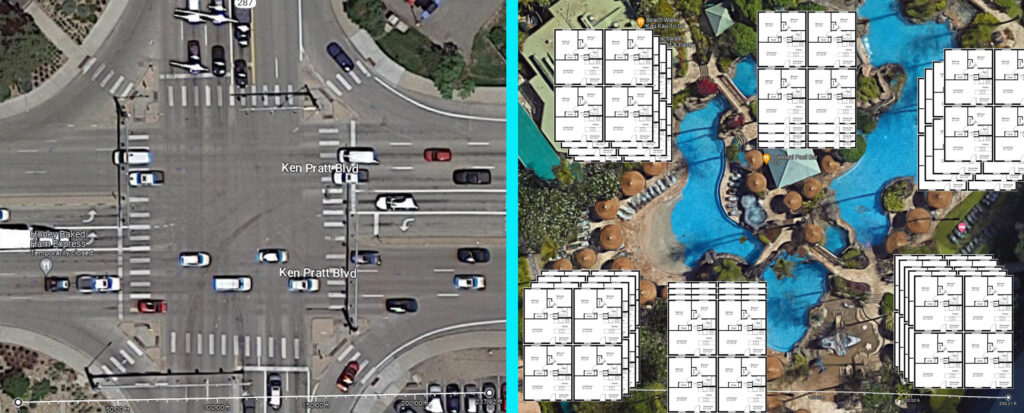
The inefficiency of automobile infrastructure is staggering when examined through the lens of spatial economics. A standard two-car parking space occupies roughly the same footprint as a modestly sized, well-appointed two-bedroom apartment. At a larger scale, standard urban intersections—measuring approximately 250 by 250 feet—consume roughly 1.5 acres of space. In a traditional car-centric layout, these intersections handle transient vehicle traffic, yet that same footprint could otherwise accommodate resort-like residential complexes containing approximately one hundred two-bedroom apartments, alongside shared amenities such as green spaces, retail shops, and dining establishments.
This pattern of spatial allocation repeats thousands of times across major metropolitan areas. Modern cities have dedicated so much land to the storage, movement, and servicing of automobiles that distances between destinations have grown vast. Consequently, the environment has become sufficiently loud, hazardous, and fragmented that walking or cycling feels impractical to the average resident, reinforcing a self-fulfilling reliance on cars.
Challenging Conventional Mobility and Resistance to Change
Whenever major structural changes to infrastructure are proposed, common objections inevitably arise centered around the preservation of driving habits. However, urban planners note that this perspective overlooks the core premise of human-centric design: eliminating the massive spatial overhead required by automobiles naturally liberates residents from the necessity of constant car ownership.
Rather than sprawling subdivisions connected exclusively by multi-lane highways, a restructured city integrates residential housing, commercial offices, grocery stores, fitness centers, and recreational facilities into walkable, interconnected neighborhoods. While arterial roadways remain necessary for commercial freight, municipal services, emergency response vehicles, and individuals requiring mobility assistance, the internal fabric of the community belongs to pedestrians and micro-mobility users.
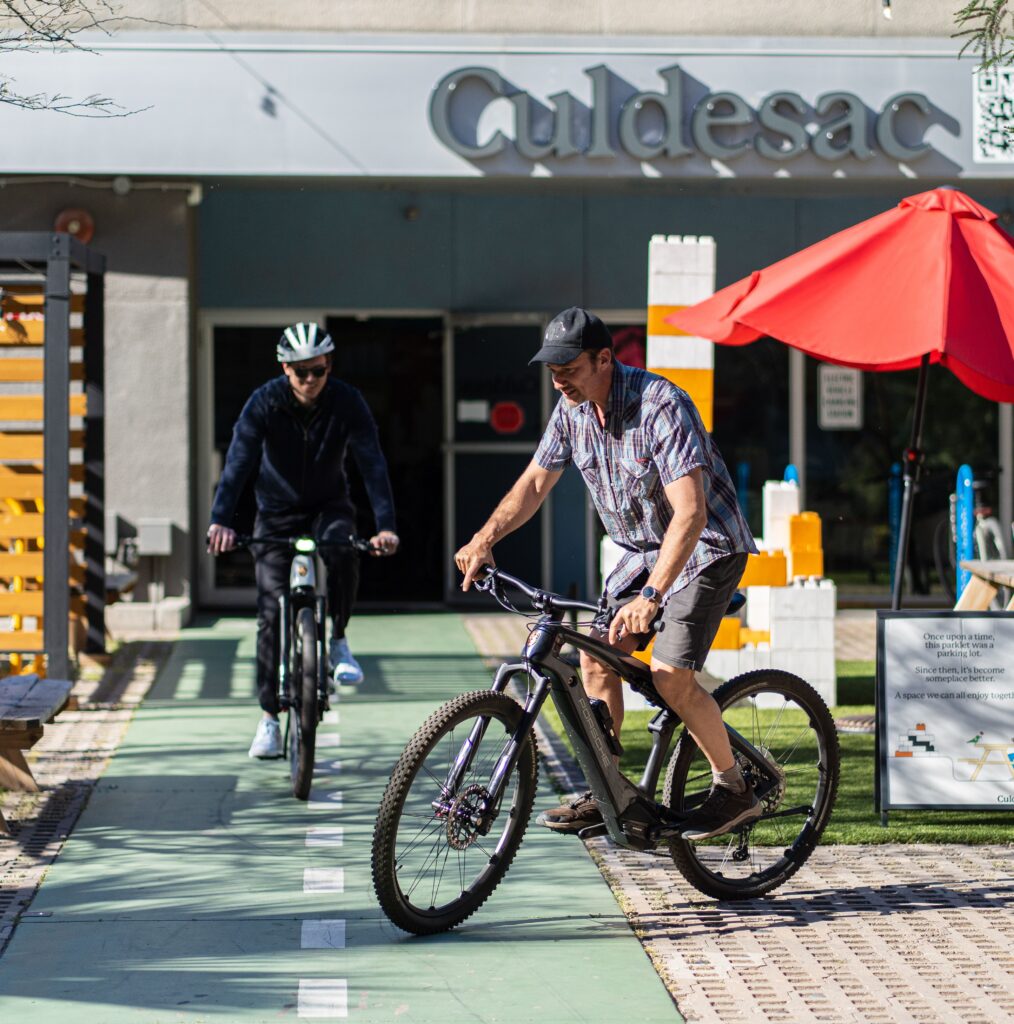
Public transit often draws skepticism from commuters weary of rigid schedules, crowded platforms, and passive waiting. However, active transportation modes—such as standard bicycles for short trips under two miles and electric bicycles for distances up to fifteen miles—frequently prove faster than automobiles in congested urban environments, while delivering daily physical exercise and recreation. When cities eliminate the vast tracts of land wasted on car accommodation, active transit and high-capacity micro-mobility networks allow residents to traverse urban centers with greater speed, lower cost, and higher efficiency. Light rail and rapid bus networks complement these systems, while shared electric vehicle fleets remain available for longer excursions outside the urban core.
Real-World Implementation: The Culdesac Tempe Model
While municipal bureaucracy often slows large-scale infrastructure reform, private development initiatives are beginning to demonstrate what is possible in practice. A notable example is Culdesac Tempe, a newly established, car-free neighborhood designed to house approximately 1,000 residents across a 17-acre site in the Phoenix metropolitan area.
The development represents a tangible realization of pedestrian-first principles. Rather than dedicating acreage to surface parking lots and wide asphalt avenues, the property prioritizes interconnected courtyards, shaded walkways, and community gathering spaces. Essential daily amenities are integrated directly into the neighborhood fabric, minimizing the need for residents to drive elsewhere for provisions or social interaction.
Situated in Tempe, Arizona, the project benefits from a warm climate and strategic proximity to a major university and a light rail station. Residents receive annual transit passes as part of their tenancy, enabling access to the broader metropolitan area and the regional airport without requiring a personal automobile. For trips beyond transit or bicycle range, the neighborhood maintains an on-site fleet of shared electric vehicles.
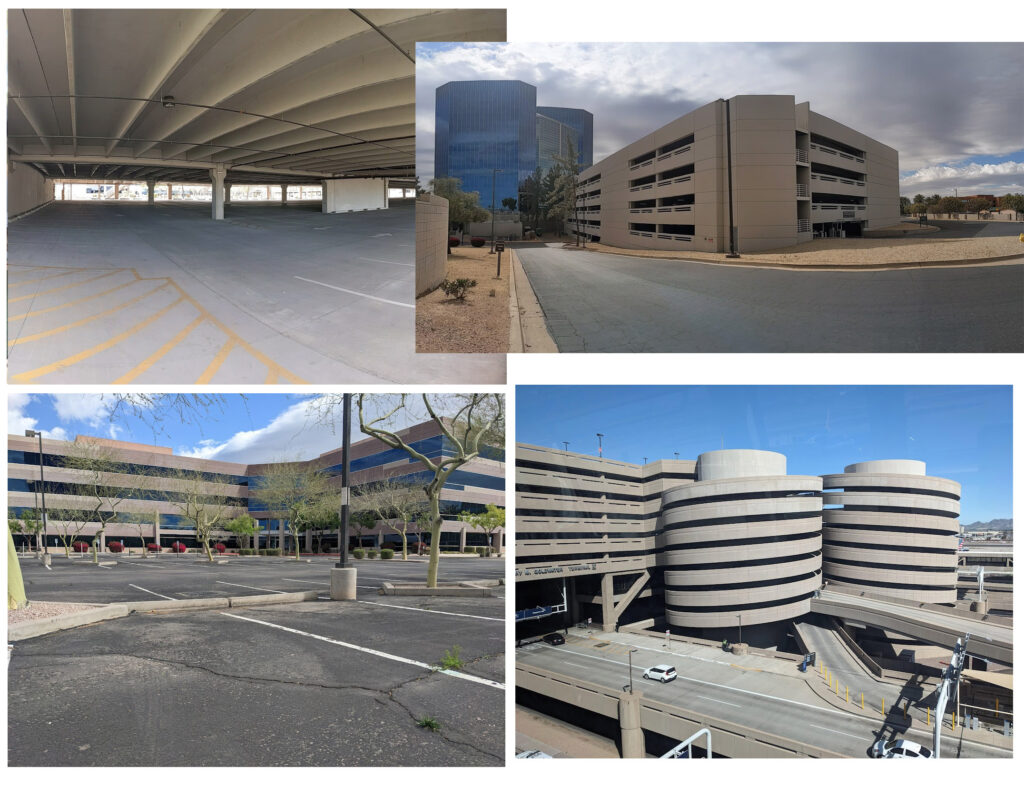
The success and visibility of projects like Culdesac Tempe have sparked broader conversations among urban planners, economists, and entrepreneurs regarding the future of real estate development. Advocates argue that transforming suburban strip malls, big-box retail parking lots, and underutilized asphalt deserts into dense, walkable communities could revitalize urban housing markets while dramatically cutting household transportation expenses.
The Broader Economic and Social Payback
The economic and social implications of moving away from car-centric urbanism are profound. Economists liken the current state of automobile-dependent city planning to diagnosing a patient suffering from a litany of chronic ailments while ignoring the fundamental lifestyle choices causing them. By addressing the root design flaws of our built environment, society stands to unlock generational gains in both personal wealth and public health.

As municipalities and private developers continue to explore pedestrian-friendly alternatives, the movement toward car-free living transitions from a theoretical ideal into a viable blueprint for the future of urban growth. The stakes for modern city planning remain high, and the momentum behind human-centric design suggests that the urban landscape of the coming decades may look vastly different from the asphalt-dominated cities of the twentieth century.