
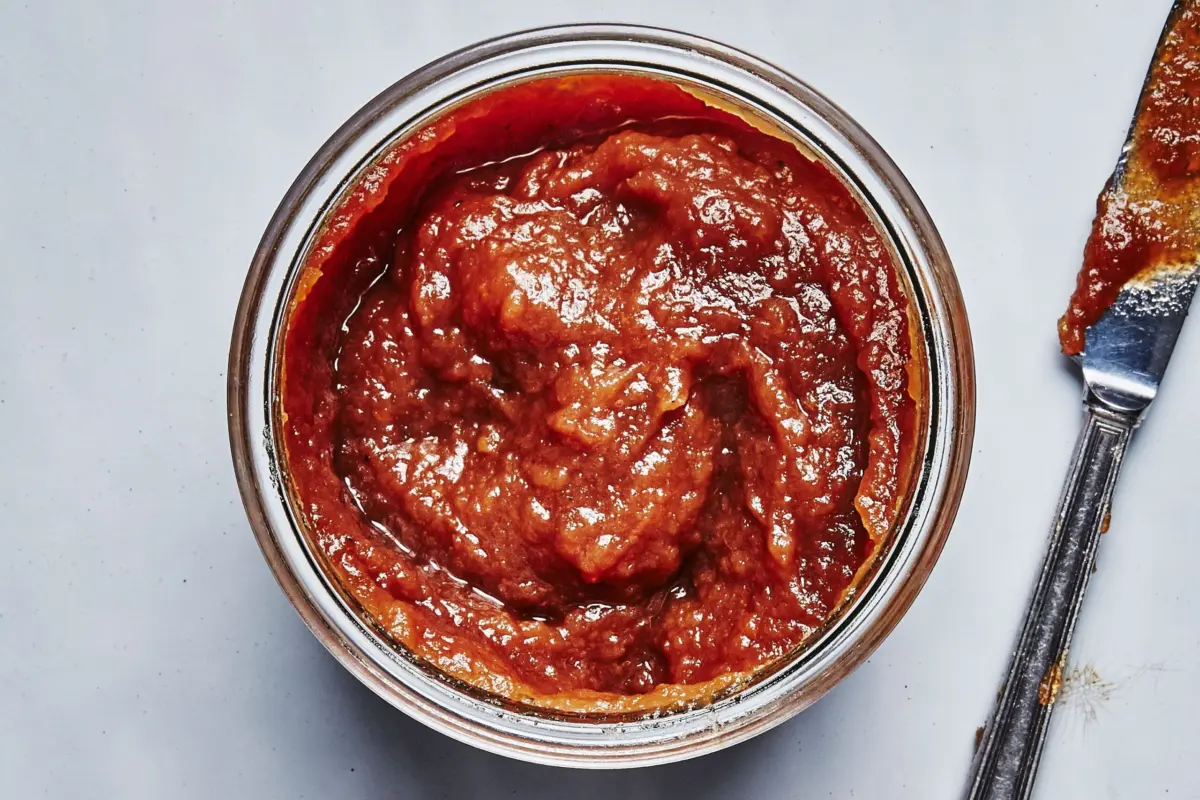
When cooler autumn days arrive, bringing with them an abundance of freshly harvested orchards, few culinary traditions capture the comforting essence of the season quite like apple butter. Despite what its name might suggest to the uninitiated, apple butter contains no actual dairy butter. Instead, the term refers entirely to its rich, spreadable texture—a luxurious consistency achieved through patience, heat, and time. Culinary experts often describe apple butter as applesauce that has truly gone the distance: a preparation that begins by cooking apples until they soften completely, pureeing them into a smooth consistency, and then continuing the cooking process over an extended period to concentrate the mixture into a dark, velvety, intensely fruity spread.
This deep concentration of flavor is further elevated by the careful addition of warm spices such as cinnamon and cloves, alongside a sweet-tart boost from fresh apple cider that cuts through the natural richness of the fruit. As culinary traditions surrounding the preserve dictate, achieving the ultimate batch of homemade apple butter requires careful consideration of the fruit itself, moving far beyond the simple techniques typically used for standard applesauce or pie fillings.
The foundation of any exceptional apple butter lies in the selection of the fruit. Rather than relying on a single variety, culinary professionals recommend utilizing a thoughtfully curated mix of sweet and tart apples. Varieties such as Granny Smith, Fuji, McIntosh, Honeycrisp, and Golden Delicious bring distinct flavor profiles and sugar-to-acid balances to the pot. Unlike apples destined for traditional baked goods like apple pies—which require firm flesh to hold their structural integrity during the baking process—apples chosen for butter do not need to maintain their shape at all. In fact, the ultimate goal is for the fruit to completely collapse and break down into a uniform mass.
An intriguing aspect of the traditional preparation method is that there is no need to peel or core the apples before they go into the pot. Far from being a tedious chore to be avoided, leaving the skins intact serves a crucial culinary purpose. The skins contribute significant depth of flavor and rich color to the final spread, while the cores supply natural pectin, a structural carbohydrate that acts as a thickening agent, helping the mixture achieve its signature velvety density without the need for artificial thickeners or excessive added sugars.
Once the fruit has cooked down until it is thoroughly soft, the remaining challenge is separating the silken puree from the unwanted remnants. A traditional food mill quickly accomplishes this task, cleanly separating the smooth puree from the peels, seeds, and whole spices that were infused during the cooking process. For home cooks lacking specialized equipment, pressing the cooked mixture through a fine-mesh strainer using a flexible spatula serves as a viable alternative, though this method requires a bit more physical effort and patience to achieve the same refined texture.
The versatility of the finished preserve extends far beyond a simple breakfast condiment, finding a welcome place across a wide variety of sweet and savory culinary applications. Once a batch of homemade apple butter has successfully cooled and reached its desired consistency, the ways to incorporate it into everyday meals are remarkably diverse. Cooks can spoon the rich, spiced spread generously over warm waffles or a bowl of vanilla ice cream, where the warm spices and concentrated fruit notes provide a striking contrast to the cold dairy.
More traditionally, it can be slathered thickly onto morning toast, offering a robust alternative to standard fruit jams and jellies. However, the appeal of apple butter is not restricted to the breakfast table or dessert courses. Its complex sweet-tart profile makes it an exceptional accompaniment to savory proteins, served alongside seared pork chops to cut through the richness of the meat with its bright acidity and warmth. Furthermore, it plays a starring role in traditional regional baking, such as being layered expertly into an Appalachian Apple Stack Cake, where its dense, flavorful spread binds the multiple layers of cake together while imparting deep autumnal flavor throughout the entire dessert.