
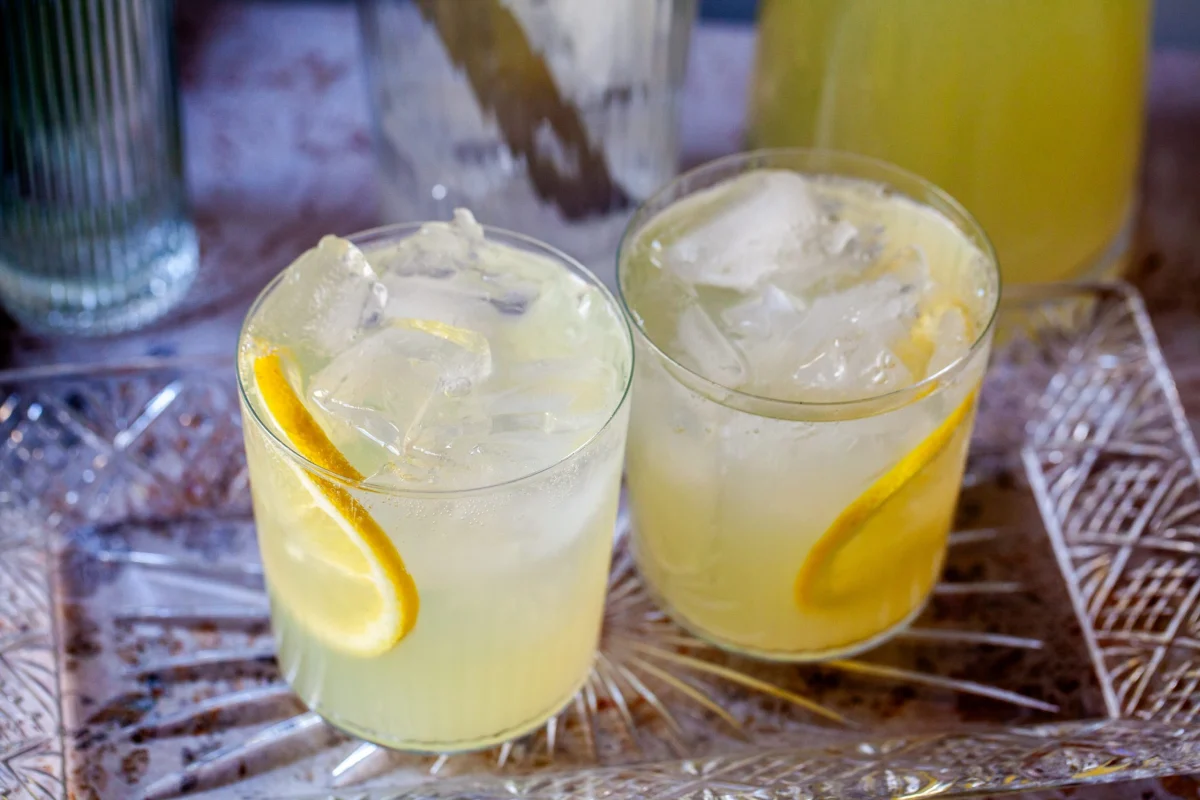
As temperatures climb during the height of the summer season, the quest for the ultimate cooling refreshment inevitably returns to the forefront of domestic priorities. While offering a recipe for something as fundamentally basic as lemonade might initially invite skepticism—akin to publishing a detailed instruction manual for salted water, simple syrup, or buttered noodles—culinary enthusiasts and home cooks know that simplicity often leaves the least room for error. When a recipe consists of only a handful of components, the overall success of the final product hinges entirely on getting each individual proportion and technique precisely right.

For veteran home cook and food writer behind Smitten Kitchen, this pursuit of culinary precision extends even to the most straightforward beverages. Facing yet another intense heat wave of the summer, the argument for the correct, definitive formula for house lemonade has taken on a renewed sense of urgency. The stance on the matter is unequivocal: when it comes to the optimal balance of tartness, sweetness, and dilution, the definitive standard belongs firmly in her own kitchen.
In fact, this conviction is so absolute that a physical version of the recipe now hangs permanently on the wall directly above the kitchen counter. Far from being a mere piece of rustic kitchen decor designed to charm visitors, the framed instructions serve as a monument to a domestic dispute sparked by a casual culinary misstep during the previous autumn.

The origin of the kitchen wall manifesto traces back to a few days when the writer was traveling away from home. During her absence, her husband and daughter decided to make lemonade. Rather than relying on familiar methods or checking established resources, they pulled a random recipe from an internet search engine. The resulting beverage, as described by the returning cook, was hopelessly bland and overly sweet—a verdict delivered with a mixture of playful indignation and genuine culinary offense.
Upon returning home, the confrontation was swift. The reaction to discovering the use of an unvetted internet search result instead of a direct text message to the household’s resident cooking authority was clear: the household was, at least temporarily, engaged in a culinary dispute. To prevent any future occurrences of sub-par refreshments, the exact formula was promptly transcribed, framed, and mounted above the counter as an unyielding reference point for anyone attempting to squeeze citrus in the kitchen.

At the heart of this uncompromising approach is a strict adherence to fresh ingredients. While the author admits to a general disinterest in most bottled or commercially processed juices, that indifference vanishes entirely when it comes to lemonade. Bottled lemon juice, she notes, fails completely to replicate the vibrant flavor profile required for an exceptional drink, a shortcoming she attributes directly to the pasteurization process, which imparts a muted, tinny quality to the fruit.
Furthermore, the methodology explicitly rejects several common shortcuts. There is no patience for fussing over simple syrup, nor is there any tolerance for overly watery mixtures that dilute the bright character of the fruit. In practice, a portion of the water is intentionally withheld during the initial preparation stage. This strategy serves a dual purpose: it allows the concentrated base to keep successfully in the refrigerator for several days while tasting its absolute best during the first two, and it leaves room for the beverage to be finished to individual taste.

By leaning deliberately toward the tart side of the flavor spectrum, the formula ensures that the drink remains bracing and refreshing rather than cloying. As the culinary logic dictates, a beverage that is too tart can always be easily adjusted with a bit more water or sweetener, but a drink that starts out bland and washed-out cannot be rescued once the supply of fresh lemons has been exhausted.
While the concept of formalizing instructions for a mixture as simple as lemon juice, sugar, and water may still elicit raised eyebrows from casual observers, the underlying philosophy remains grounded in the idea that seasonal rituals deserve to be executed with care. Whether followed to the letter or used as a baseline for further culinary experimentation, the formula stands as a seasonal necessity designed to salvage hot weather days from the disappointment of mediocre refreshments. After all, as the summer heat settles in, it simply does not feel like the season without a truly exceptional glass of lemonade in hand.