
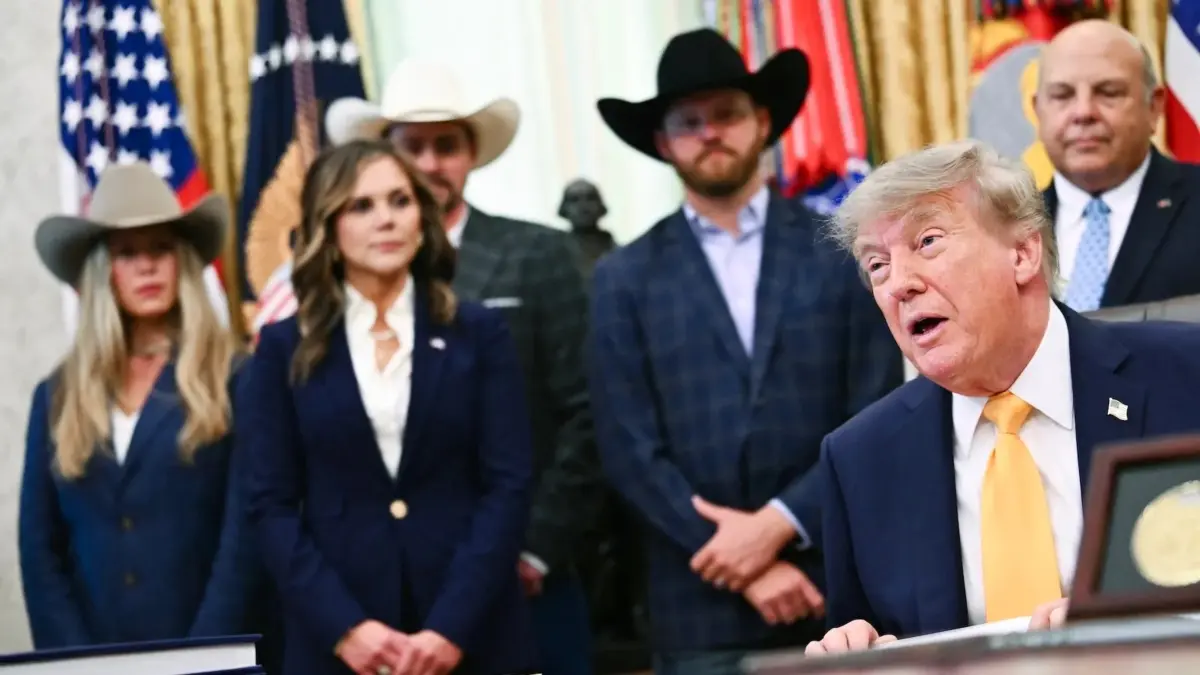
WASHINGTON — For the last two years, life on the land has grown increasingly precarious for farmers and ranchers across the United States. Following a series of policy rollbacks, reduced program funding, and compounding financial pressures, a crucial block of the president’s traditional political base has found itself at odds with Washington. Now, with the midterm elections rapidly approaching, the federal government is moving quickly to deploy billions of dollars in emergency financial support in an apparent bid to appease a restless agricultural community.
The roots of the current tension run deep, stretching across multiple fronts of federal agricultural and environmental policy. Over the past couple of years, rolling cuts to Department of Agriculture programs have significantly curtailed available funding, leaving producers in the dark about the future of crucial federal support. Last year, frustration boiled over when a coalition of farm groups filed a lawsuit against the federal agency after it deleted multiple webpages containing references to climate change. Those purged pages included critical information that farmers relied upon for planning around extreme weather events. Although the agricultural department eventually agreed to restore the climate risk data earlier this year as part of a legal settlement, the damage to trust had already been done.
Additional friction materialized just this month, when the USDA dealt yet another setback to producers looking to cut overhead costs. The agency cut solar power eligibility from a popular renewable energy grant program, stripping farmers of a vital avenue to lower their utility bills and supplement their incomes by installing solar panels on their acreage.
Meanwhile, cattle ranchers have faced a distinct storm of economic and market pressures, marked primarily by persistently high beef prices. The average price of ground beef has climbed steadily since the COVID-19 pandemic, hitting successive record highs over the past two years. At the same time, persistent, widespread droughts have contributed to historically low cattle herd sizes, squeezing ranchers from both the supply and profit sides.
Efforts by President Donald Trump to address consumer beef prices have only exacerbated the divide. Administration moves intended to lower costs for shoppers—most notably importing larger quantities of beef from abroad—have sparked fierce backlash from domestic producers. Ranchers have repeatedly argued that these international trade deals directly undercut their business models, failing to provide meaningful relief to consumers while destabilizing local markets.
Heading into the midterm elections, agricultural producers have made their discontent clear, creating a formidable political headache for an administration that once enjoyed overwhelming loyalty in rural America. In response to mounting protests and declining sentiment across farm country, the USDA has recently unlocked billions of dollars in financial support earmarked for farmers, alongside supplemental funding packages tailored for cattle ranchers.
Whether this eleventh-hour infusion of cash will be enough to smooth over the deep-seated tensions felt across rural communities remains an open question. Aaron Lehman, president of the Iowa Farmers Union, captured the prevailing sentiment among many producers, noting that U.S. farmers “have needed help for months” and “never should have been put in this position.”
The newly announced financial lifelines also highlight a broader, ongoing policy tension within the administration: a steadfast commitment to supporting fossil fuels, even as greenhouse gas emissions from those traditional energy sources continue to warm the planet and drive volatile weather patterns. On October 19, the president announced that $8 billion would be made available to help farmers offset the steep financial losses they suffered as a result of soaring diesel prices.
Despite the administration’s high-profile rollout of the funding, the mechanics of how farmers will actually apply for and receive the money remain largely unclear. In an official press release, the agricultural department stated it would provide “simple, proportional support to producers” to help cover a portion of the heavy losses they incurred during the 2026 crop year.
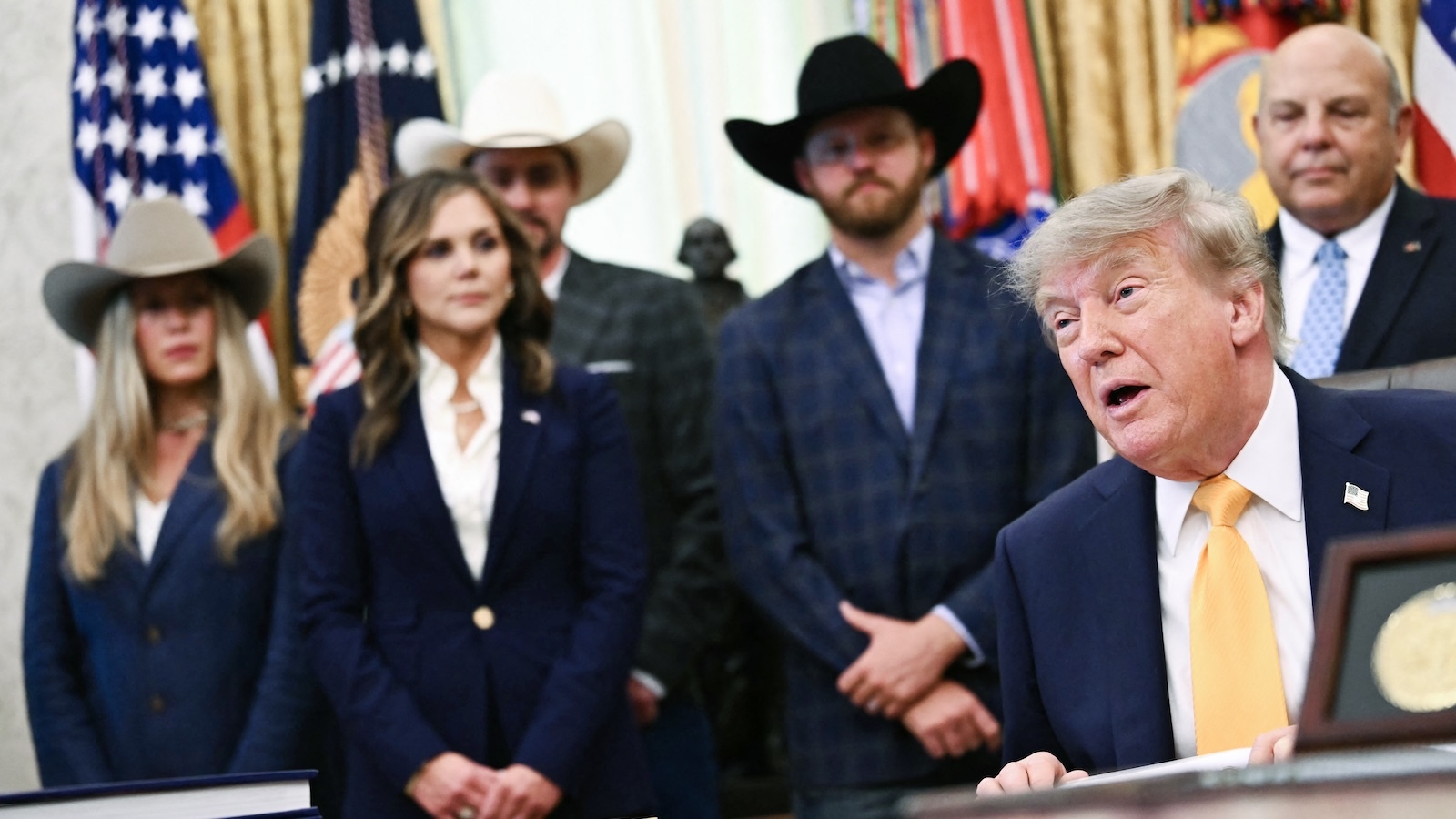
Asked for further specifics regarding the rollout, a USDA representative defended the administration’s record. “President Trump has been the most pro-farmer president in our nation’s history, and the Harvest Fuel Relief Program is the latest action to deliver for them,” the representative said. “As USDA works to implement the program, we are actively reviewing all available data to determine payments which are expected to be finalized and processed soon.”
The heavy reliance on diesel fuel sits at the heart of the current crisis for crop and livestock producers alike. Much of the heavy machinery essential to modern agriculture—including tractors, combines, and commercial transport trucks used to haul crops and livestock to market—runs exclusively on diesel. However, global market disruptions stemming from the war in Iran have sent diesel prices soaring, putting an intense squeeze on farm operational budgets. According to a Democrat-led congressional report, U.S. farmers are currently on track to spend an additional $2.4 billion on diesel fuel alone as a direct consequence of the conflict in Iran.
The timing of the $8 billion Harvest Fuel Relief Program carries a stark irony, arriving just as the ag department instituted new barriers making it harder for producers to transition toward more efficient, independent energy sources like solar and wind power.
Agricultural policy experts and advocacy organizations have been quick to dismiss the administration’s latest financial interventions as insufficient band-aids for a structural crisis. Mike Lavender, policy director for the National Sustainable Agriculture Coalition, characterized the farm payments as “a failing solution.”
The reality on the ground, Lavender emphasized, is that “countless farms nationwide remain in crisis: Farm bankruptcies hit a six-year high this spring, and farmers are carrying heavier debt loads and are more pessimistic about their future.”
Following the diesel relief announcement, the administration rolled out further targeted measures. On October 26, just over a week before Election Day, the USDA announced $57 million in funding dedicated specifically to independent cattle ranchers. According to the department’s release, this capital is designed to help independent producers expand their local meat-processing capacity, offering a modest counterweight to industry consolidation.
In another move aimed at boosting producers’ bottom lines, the USDA announced that it would purchase nearly $500 million in agricultural commodities directly from U.S. farmers and ranchers.
Yet these sudden bailout packages and purchasing initiatives are unfolding against a backdrop of deep legislative uncertainty, with the nation’s foremost agricultural policy remaining firmly in limbo. The federal farm bill—a massive legislative package that historically has been renewed every five years to govern everything from crop insurance frameworks to vital land conservation programs—was last passed in 2018.
Currently, competing versions of a new farm bill sit stalled in the House of Representatives and the Senate. Agricultural advocates point out that the ultimate fate of comprehensive reform hinges heavily on the outcome of the upcoming midterm elections. For the nation’s farmers and ranchers, this protracted period of legislative gridlock underscores a broader frustration: an administration attempting to patch immediate economic wounds with short-term cash infusions while lacking a clear, cohesive, and long-term vision for the future of American agriculture.