
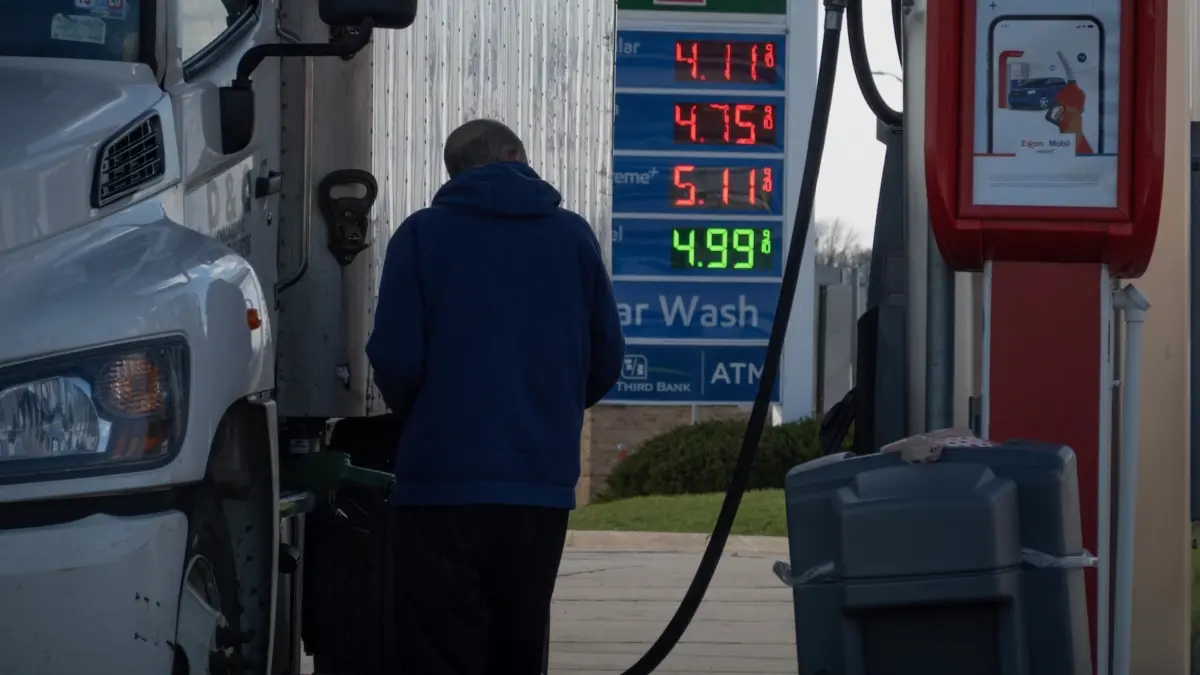
Diesel prices across the United States have continued a relentless upward march, hitting record highs almost daily this month and reaching a national average of $6.52 a gallon on Tuesday, according to data from AAA. The staggering cost has triggered a growing chorus of political pressure and public concern, leading to mounting calls to combat the surge by banning the export of the fuel entirely—a policy intervention that has now won the endorsement of President Donald Trump.
Speaking from the sidelines of the United Nations General Assembly in New York, President Trump addressed the escalating fuel crisis directly. "I’ve said let’s not send out the diesel," he remarked. When asked specifically about implementing a formal export ban, he added, "I’ve called for it. I’ve called for it within my people."
While passenger vehicles running on diesel represent a relatively small fraction of the American automotive market, the fuel serves as the absolute backbone of the U.S. economy. Diesel powers the heavy-duty commercial trucks, freight trains, and maritime cargo ships that move goods across the country, and it is a vital operational necessity throughout the domestic agricultural sector. Because of this widespread reliance, businesses and consumers alike are absorbing the painful economic impacts of fuel prices that have skyrocketed by nearly 80 percent since the United States and Israel launched a military conflict against Iran earlier this year. In September alone, prices have surged by nearly $1 per gallon.
The cascading effects of the crisis have drawn sharp reactions from lawmakers on Capitol Hill, with several prominent figures suggesting that drastic measures are warranted.
"If our govt can embargo chips to China it can embargo diesel to help American farmers & truckers," Senator Chuck Grassley, a Democrat from Iowa, wrote in a post on X.
Representative Ashley Hinson, a Republican from Iowa, also voiced support on social media, while Senate Majority Leader John Thune of South Dakota expressed a willingness to look into the proposal. "If that would take pressure off of prices," Thune said regarding an export ban, "I’m open to exploring it."
An online tracking dashboard developed by researchers at Brown University to monitor the economic fallout of the conflict indicates that the ongoing increase in diesel prices has already cost American households nearly $400 each, translating to more than $51 billion overall. Jeff Colgan, a political scientist at Brown University who helped build the impact tracker, argued that banning fuel exports would increase domestic supplies and subsequently drive prices downward.
"It could make a huge difference," Colgan said.
However, energy market analysts remain sharply divided over the potential efficacy of such a policy. Patrick De Haan, head of petroleum analysis for GasBuddy, argued against the idea on X, writing, "U.S. diesel prices are determined not by a U.S. supply and demand balance, but a global one. Keeping distillates and diesel home does not change the world price."
The concept of restricting fuel and energy exports is far from unprecedented in American history. In 1975, following the severe supply disruptions caused by the OPEC oil embargo, Congress passed the Energy Policy and Conservation Act. That legislation instituted what effectively became a ban on crude oil exports, a restriction that remained in place for four decades until President Barack Obama signed legislation lifting it. In the years since the ban was lifted, major oil and gas corporations have generated billions of dollars exporting refined products abroad, and industry representatives remain fiercely opposed to reviving any limitations on their international markets.
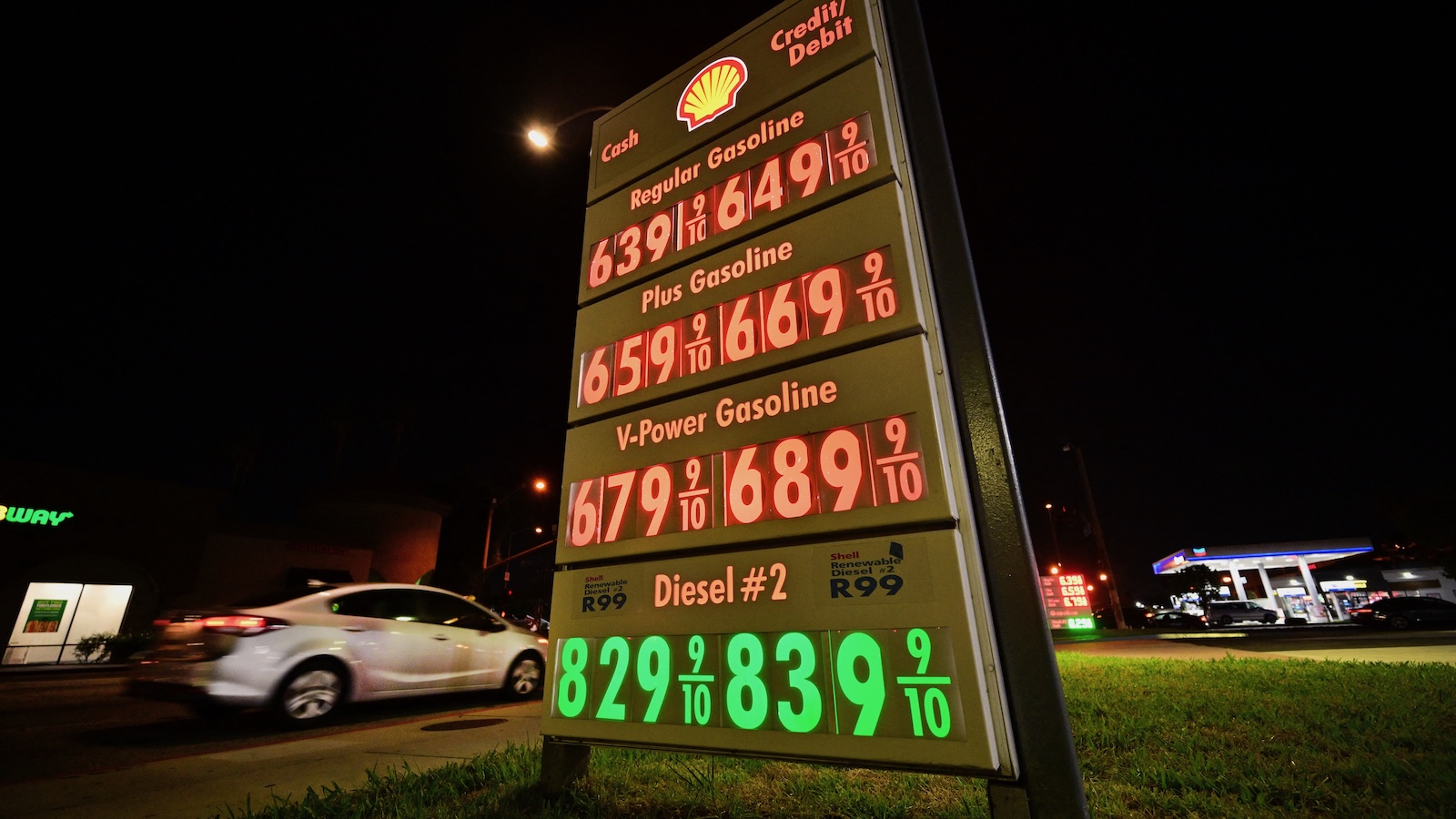
Industry groups have warned that reviving export restrictions would backfire rather than alleviate the current pressures. The American Fuel & Petrochemical Manufacturers association released a statement arguing that government intervention would exacerbate the underlying problem.
"Export bans do not create more fuel for Americans," the organization stated. "They reduce U.S. fuel production, put upward pressure on prices, weaken energy security and hand market share to foreign competitors."
Skepticism regarding the proposal also spans across party lines, with several prominent Republicans—including key figures within the administration—pushing back against the idea. Senator John Cornyn of Texas, representing the nation’s largest oil-producing state, told The Hill that an export ban would amount to little more than a political "gimmick." Similarly, Interior Secretary Doug Burgum told CNBC that implementing such a restriction "could actually hurt Americans."
Democrats have occasionally advocated for export bans on domestic oil products during previous periods of high inflation, including earlier this year and in 2021 when President Joe Biden was in office. Thus far, however, congressional Democrats have largely maintained a measured stance on the current diesel debate.
When asked about the potential export ban by Grist, Senator Peter Welch of Vermont dismissed the administration’s rhetoric, saying, "Trump is all smoke and mirrors. If he’s serious about lowering prices of oil, gas, and home heating oil, he needs to end his illegal war with Iran."
Prior to the president’s public remarks endorsing the restriction, a White House official indicated that the administration was not actively considering an export ban. It remains unclear whether President Trump’s recent statements signal an official shift in policy, how the administration intends to advance the issue, or if a fractured Congress can build the bipartisan consensus necessary to pass relevant legislation.
Regardless of the political viability of a total ban, energy experts suggest that the policy debate should move beyond binary extremes. Tyson Slocum, the energy program director at Public Citizen, a non-profit consumer advocacy organization, called for a more nuanced approach to managing domestic supplies.
"The debate is so absurdly simplistic," Slocum said. "People are like either total unfettered, unregulated exports or zero exports." He noted that there are numerous viable policy options situated between those two positions, including adjusting the volume of diesel shipped overseas rather than abruptly cutting off international shipments entirely.
"It could be very significant," Slocum added, noting that even partial, targeted measures could help yield a substantial short-term drop in diesel prices for American consumers.