
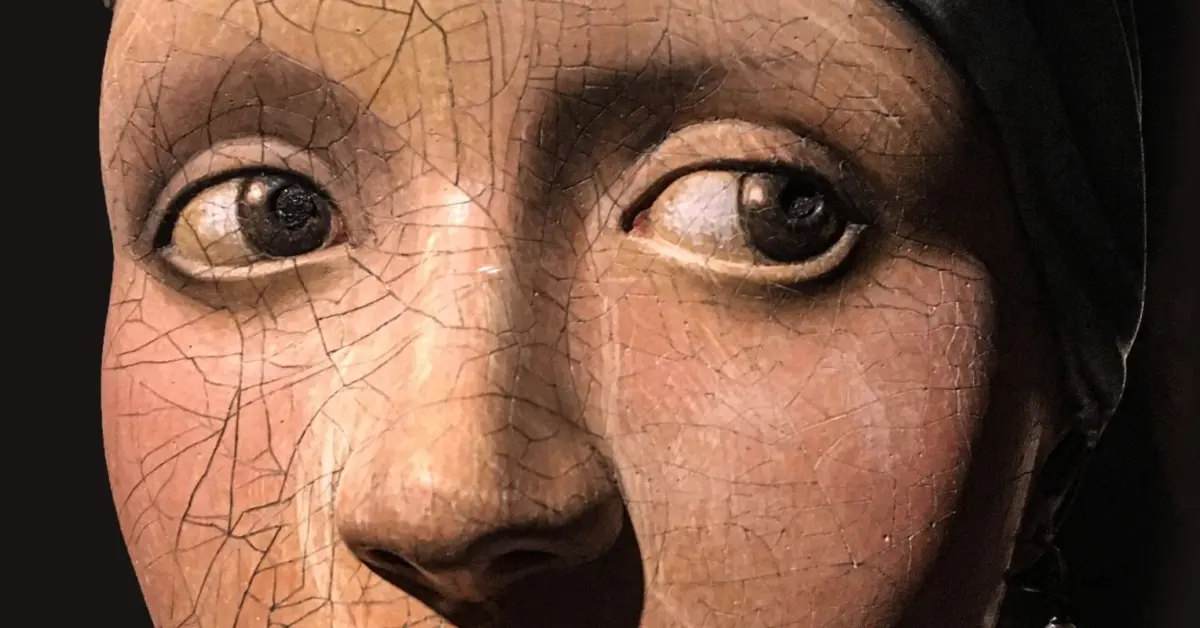
The intersection of popular culture and medical science has long provided a fascinating window into the human mind. A striking new television series currently streaming across several major networks, titled Phony, is bringing a rare and profoundly disorienting neurological condition into the cultural conversation. The show centers on a young man named Sonny who, after waking up from a harrowing car accident, becomes convinced that his mother is not his true mother. In Sonny’s eyes, she is an imposter—a "phony" occupying the space of the woman who raised him. This harrowing psychological shift plunges the protagonist into an emotional spiral, leaving audiences to wonder: What underlying cognitive failure could possibly lead a person to harbor such deep, unsettling feelings about the person closest to them?
While various psychological and psychiatric explanations could theoretically account for this phenomenon, medical experts point to a specific, highly unusual neuropsychiatric disorder as a strong contender. Capgras syndrome, a delusional misidentification syndrome, presents a compelling framework for understanding Sonny’s post-accident reality. In the medical community, the condition has even served as an analytical metaphor in broader discussions regarding human behavior, such as the psychology of collecting. The foundational logic of the comparison is straightforward: just as an art collector drastically devalues a piece of art once they discover it is a forgery, Sonny’s brain appears to devalue and reject the authenticity of his mother after his traumatic accident alters his perception.
An Example of Capgras Syndrome in Everyday Life
To truly grasp the perplexing nature of Capgras syndrome, it is helpful to look beyond clinical definitions and examine how it manifests in hypothetical scenarios involving everyday life. Whether triggered by physical trauma or other medical developments, an afflicted individual can misinterpret not only people with whom they share deep, long-standing relationships, but also beloved pets and even inanimate objects.
Consider a hypothetical case involving a woman named Jane and her cherished cat, Ernie. Under normal circumstances, Ernie is a beloved fixture in Jane’s household. He spends his afternoons sleeping in the warm patches of sunlight on the dining room table while Jane is away, and he eagerly begs for food at that very same table when she sits down to dine. While these feline habits might seem unconventional or even undesirable to some visitors, they suit Jane perfectly, cementing a routine built on comfort and familiarity.
However, the dynamic shifts dramatically following a severe bicycle accident. Jane suffers major injuries, spends three grueling days in a coma, and subsequently undergoes months of rehabilitation therapy just to regain her baseline cognitive skills. When she finally returns home to the familiar comforts of her house, her recovery is overshadowed by a startling conviction: she insists that Ernie is no longer Ernie. Despite the cat displaying the exact same physical appearance, habits, and preferences he had before her accident, Jane refuses to accept him as her pet. She feels that her own identity remains unchanged, yet she remains steadfastly convinced that the feline standing before her—though looking and acting like her old companion—is nothing more than a convincing imposter.
The Origin of Capgras Syndrome
Understanding why a person might develop such an extraordinary delusion requires examining the intricate wiring of the human brain and the ways trauma can disrupt its functioning. Medical science has established several well-documented explanations for the emergence of Capgras syndrome. At its core, the condition is often traced to faulty neural wiring resulting from severe head trauma, such as that sustained in a car accident. When the brain’s internal pathways are physically damaged or disrupted, the seamless processing of recognition and emotional response can become disconnected.
In addition to acute physical trauma, Capgras syndrome can manifest in connection with neurodegenerative conditions such as dementia and Alzheimer’s disease, as well as psychiatric disorders like schizophrenia. Clinical literature also notes that extreme emotional distress can act as a contributor, alongside various other medical conditions that have been reported in association with the syndrome. The common thread among these diverse origins is a profound disconnect between the cognitive ability to recognize a familiar face or object and the emotional resonance that normally accompanies that recognition. The individual may visually recognize a loved one, but because the emotional feedback loop is broken, their brain concludes that the person must be a fake.
Conclusion
Whether Sonny is explicitly afflicted by Capgras syndrome within the narrative framework of Phony is a question best left for viewers to discover as they follow the television series to its conclusion. The show provides an engaging dramatic exploration of a condition that highlights just how fragile our perception of reality truly is when our neurological machinery is compromised.
At the same time, the broader cultural fascination with authenticity and deception extends far beyond the realm of neurology and television drama. In the art world, collectors must constantly deploy every available tool and resource to avoid acquiring fakes, which are inevitably devalued compared to authentic masterpieces. According to data from Artnet News, an estimated 50 percent of the art circulating on the market is forged, copied, or misattributed. In the high-stakes world of collecting, just as in the disorienting fictional journey of Sonny, the unsettling presence of the "phony" remains a persistent challenge.