
Most traditional travel is inherently extractive and passive. Travelers arrive at a destination, photograph the same landmarks as everyone else, dine at guidebook-recommended restaurants, and visit local bars. They take standard tours to learn about the history of a place and, if fortune favors them, manage to interact briefly with locals. Yet, despite these efforts, travelers rarely scratch beneath the surface.
Even long-term travelers who pride themselves on not being typical tourists often fall into the exact same patterns, albeit at a slower pace and with a tighter budget. While everyone likes to imagine dropping into a foreign country, instantly befriending locals, and living out a cinematic adventure, reality rarely cooperates. Travelers are simply passing through, and locals rarely seek out friendships with temporary visitors. For the most part, everyday interactions between locals and tourists remain limited, making deep cultural integration the exception rather than the norm.
To truly understand a place, travelers must stay long enough to experience its rhythms. The most transformative travel experiences invariably involve contributing something meaningful and remaining in a single location long enough to cultivate authentic relationships. Being genuinely embedded in a community offers a stark contrast to merely passing through as an observer.
Travel experts argue that modern travelers should prioritize giving back to the destinations they visit. Historically, locating legitimate, vetted organizations that genuinely improved the lives of local residents presented a significant challenge. Today, however, specialized companies help travelers find meaningful volunteer roles, paid employment opportunities, and structured programs abroad. Organizations like Global Work & Travel have stepped into this space, offering pathways for individuals seeking extended international experiences.
What Global Work & Travel Does
Operating as the world’s largest gap year company, Global Work & Travel has spent nearly two decades placing individuals into working holidays, volunteer programs, teaching positions, and international internships. The organization has successfully assisted over 116,000 participants across destinations spanning the United Kingdom, Europe, the Americas, Asia, Africa, and the Pacific.
Even for seasoned travelers, moving abroad presents immense logistical hurdles. Securing employment in a foreign market, finding permanent housing without getting trapped in shared rooms for months, managing unexpected transport costs, and competing against locals in interviews represent just the initial barriers. For long-term travelers, these challenges require careful consideration.
Fortunately, structured organizations provide the safety net necessary to make working abroad viable for individuals who prefer not to navigate complex bureaucracy alone. These services handle job matching, pre-departure support, visa guidance, official placement, and ongoing assistance through dedicated management applications like the gWorld portal, which consolidates trip administration. For first-time travelers, having access to an organized support system often determines whether an international move actually happens or remains an unfulfilled ambition.
Why Working Holiday Makers Are the New Digital Nomads
For the past decade, the digital nomad lifestyle has served as the aspirational standard for long-term travel. The formula involves working remotely, earning an income in a strong currency, living in a lower-cost destination, and repeating the cycle.
Yet, this model exclusively serves a narrow demographic. Achieving digital nomad status requires a remote job, a reliable income stream, and a level of career stability that younger travelers frequently lack. Working holiday programs effectively flip this traditional model on its head.
Instead of bringing a remote job across international borders, participants secure employment upon arrival. This approach integrates travelers directly into the local economy rather than leaving them floating above it. Friendships form naturally through workplaces rather than isolated coworking spaces or short-term hostels, allowing participants to build a sustainable life and a consistent daily routine.
In many respects, working holiday makers experience a more grounded and accessible version of the lifestyle often romanticized by digital nomads. Participants maintain coworkers, follow a structured schedule, possess valid reasons to extend their stay beyond a standard week, and forge lifelong connections. Furthermore, this pathway remains realistic for a broader population, eliminating the need for a pre-established remote business or years of professional experience. It simply requires the willingness to travel and the right administrative framework.
This shifting preference reflects a broader industry trend. Travelers are increasingly moving away from inquiries about remote work and shifting toward sustainable methods for living and working abroad for extended periods. Structured programs remove the primary friction points—such as securing jobs, navigating complex visa systems, and establishing local infrastructure—allowing participants to transition from concept to reality. For many, these programs offer a far more sustainable and realistic approach to international living.
Why Volunteering Matters
International volunteering has historically carried a complicated reputation, necessitating transparency regarding industry standards. Numerous ineffective volunteer programs exist worldwide, designed primarily to offer temporary emotional gratification to travelers rather than deliver measurable community benefits. In response, reputable organizations thoroughly vet programs across sectors such as wildlife conservation, community development, education, and healthcare to ensure legitimacy.
When structured ethically, volunteering yields powerful results. Working alongside local communities in places like Zanzibar on self-defined priorities, contributing to African wildlife conservation in South Africa, or participating in elephant rescue and rehabilitation in Thailand fundamentally alters a traveler’s worldview. Such initiatives provide a clear understanding of the genuine needs and struggles of local populations and ecosystems, broadening perspectives in ways standard tourism cannot replicate. Dedicated animal welfare funds further extend this impact by channeling resources directly into conservation efforts at partner sites.
What Makes Working Holidays Appealing
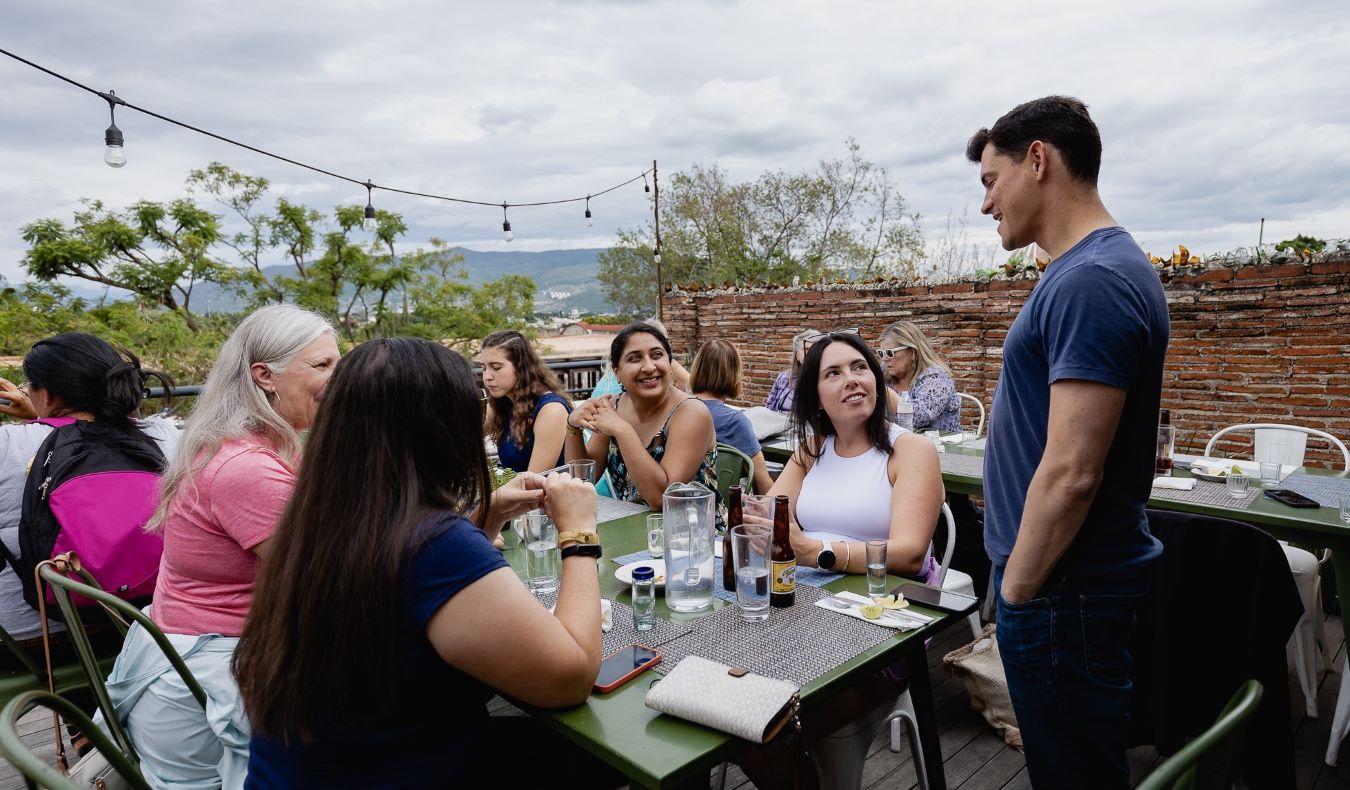
Working holidays transform temporary vacations into authentic lifestyle experiences. By living like a local on a daily basis, participants immerse themselves in foreign cultures, forge genuine friendships with both locals and fellow travelers, and fund their adventures through local employment. This financial sustainability enables extended stays, moving beyond the rushed pace of traditional two-week holidays. Participants uncover hidden neighborhood gems, understand daily life across diverse cultures, and acquire valuable international experience that enhances their professional resumes.
Operational Advantages of Structured Programs
As global leaders in extended travel, organizations like Global Work & Travel provide extensive choices for individuals seeking to volunteer, work, or reside abroad for significant periods. These operations streamline the complexities of international relocation, offering dedicated support networks that make long-term global mobility achievable for solo travelers and first-timers alike.
Frequently Asked Questions
Most international work programs require little more than basic prior work experience. Teaching positions generally include formal TEFL training, while many volunteer options welcome absolute beginners. The majority of programs accept participants starting at age 18. While working holiday visas typically enforce an age ceiling of 35 depending on the host country, volunteer and teaching placements often accommodate participants up to age 80.
The planning timeline varies depending on the specific program and destination, though most participants begin preparations six to twelve months in advance to accommodate visa quotas and job matching. Financial policies often feature flexible deposit structures to protect consumer investments against unexpected changes. Solo travelers represent a significant portion of participants, benefiting from built-in community networks that facilitate immediate social connections upon arrival.
Meaningful travel continues to resonate most deeply through human connection and active participation rather than passive sightseeing. Structured international programs have made immersive global experiences vastly more accessible than they were a decade ago, bridging the gap between ambition and execution for modern travelers.