
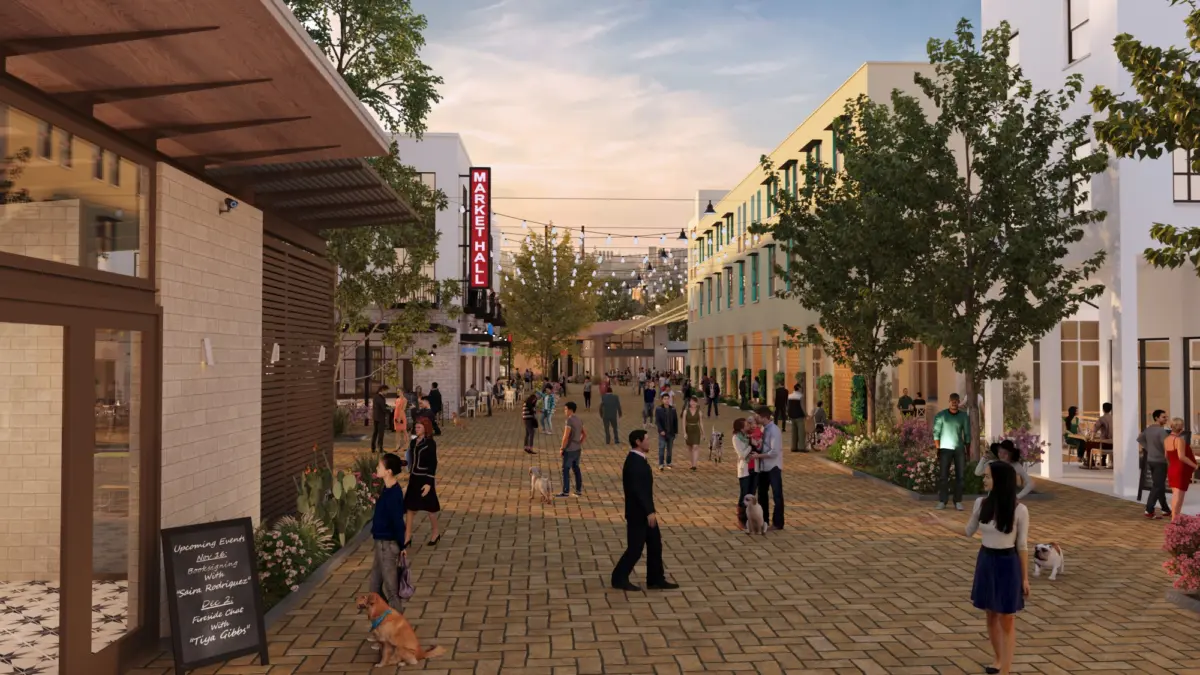
For years, lifestyle and financial commentary has focused heavily on the individual choices we make: saving money, optimizing fitness, and refining the psychology of daily living. But according to personal finance advocate and writer Mr. Money Mustache, there is a single, foundational area of modern society where all of these factors converge with explosive synergy—urban design. If given one wish to instantly improve the global standard of living and solve many of society’s most entrenched problems in a single stroke, the solution would not be found in personal budgeting apps or health trends. Instead, it requires a radical shift in how we build our communities: moving away from car-centric infrastructure and immediately pivoting toward cities designed entirely around human beings.
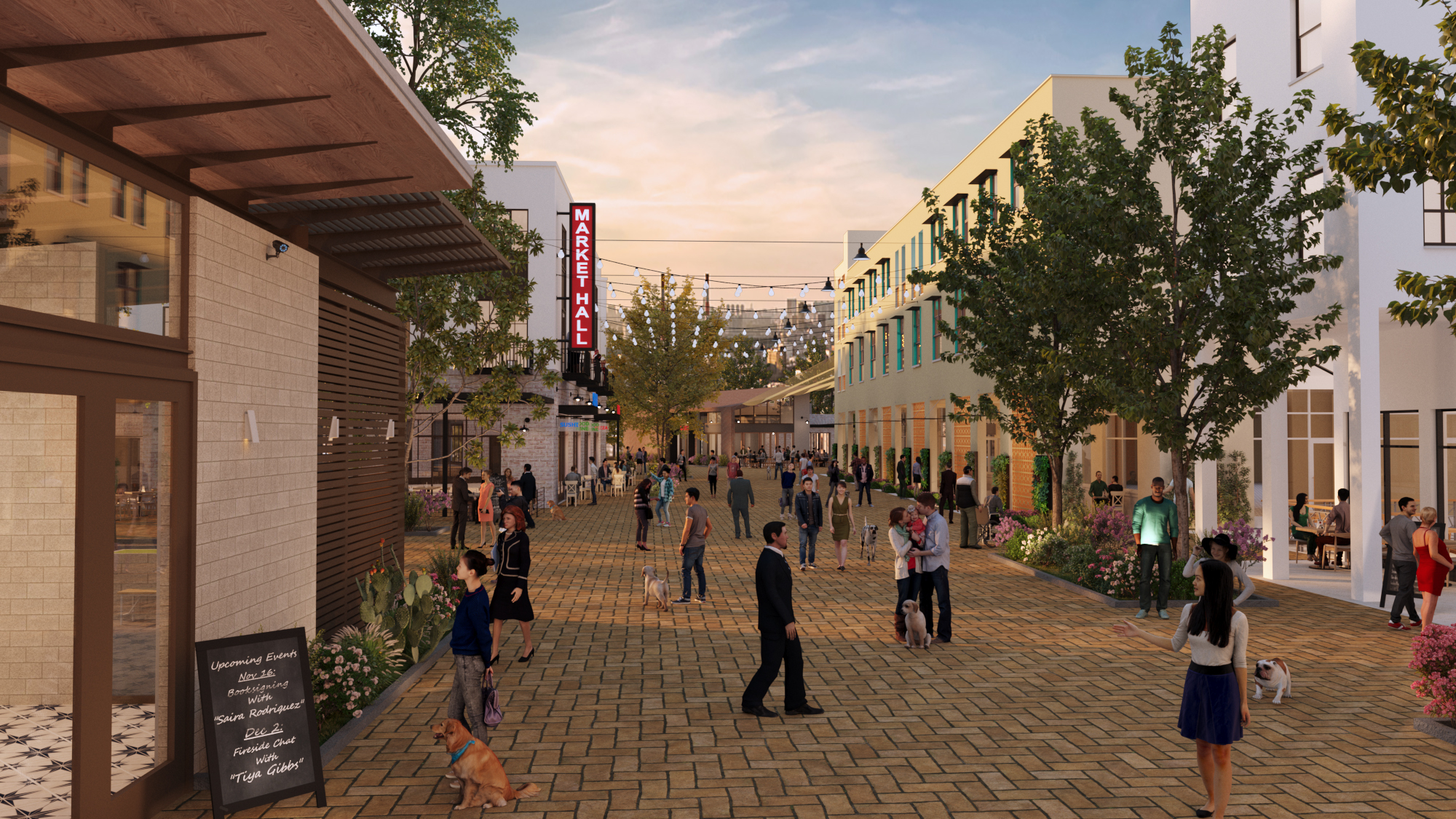
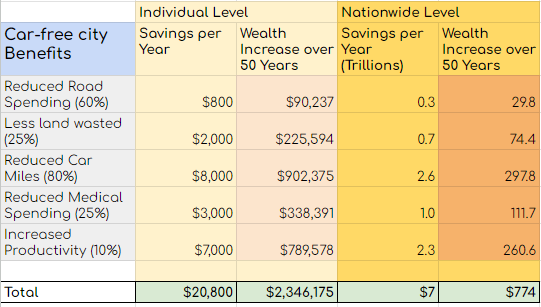
The implications of such a transformation extend far beyond a reduction in urban pollution, traffic congestion, or vehicle accidents. Advocates argue that human-centric urban design unlocks richer, healthier, and fundamentally more engaging daily lives. Conservative estimates suggest that shifting away from automobile dependence could yield a lifestyle and financial boost of more than $20,000 per person annually, compounding into well over two million dollars over the course of a typical adult lifetime. On a national scale within the United States, such a structural evolution could generate approximately seven trillion dollars in economic value every year, compounding to roughly 770 trillion dollars over the span of five decades—a figure that surpasses the current total net wealth of humanity worldwide.
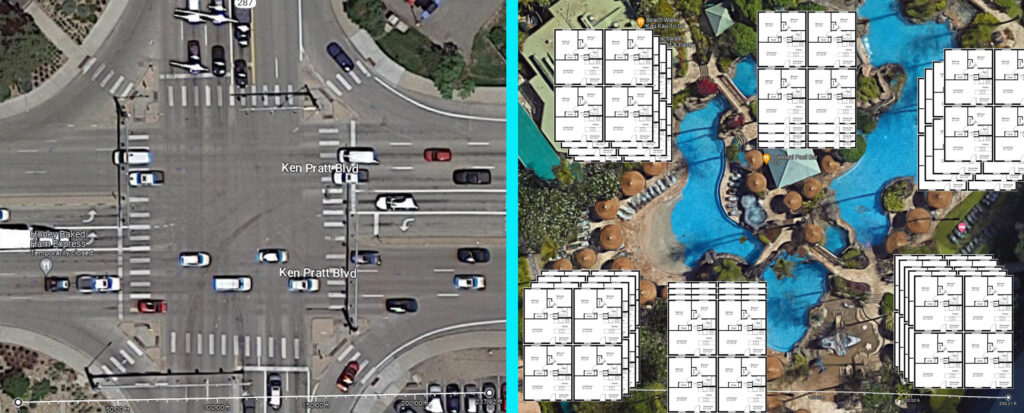
Proponents of this urban shift argue that traditional city planning is currently anchored by a bureaucratic status quo designed primarily to prevent disruption rather than foster innovation. Municipal committees are frequently influenced by legacy institutions and entrenched interests that fail to envision alternative models of community development. Yet, the physical footprint of car-centric infrastructure reveals a staggering inefficiency in land use. A standard two-lane intersection consumes roughly 1.5 acres of urban space—an area that, if reclaimed, could house approximately two hundred people in high-comfort residential housing complete with communal amenities, green spaces, and local commerce.
Across modern metropolitan areas, vast swaths of land are sacrificed to parking lots, wide multi-lane thoroughfares, and sprawling industrial-commercial zoning. This extreme spatial fragmentation forces reliance on automobiles not because cars are inherently superior for short trips, but because the built environment has been stretched so far apart that walking or cycling has become dangerous, exhausting, and hostile. Critics of alternative planning frequently raise objections centered on maintaining current driving habits. However, urban advocates emphasize that eliminating the immense spatial waste dedicated to vehicles naturally frees citizens from the necessity of constant car usage, replacing sprawling concrete deserts with interconnected, walkable neighborhoods where daily necessities are located just minutes away.
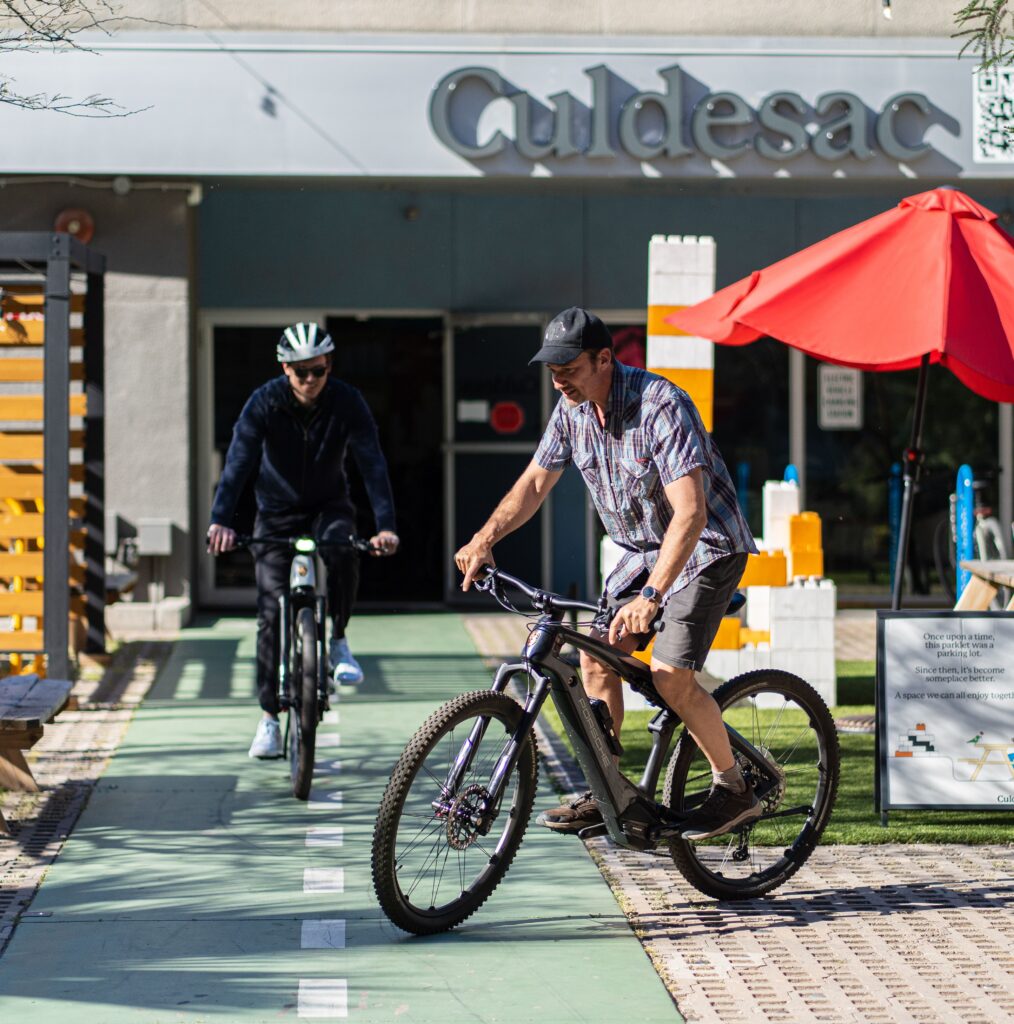
While public transit plays a crucial role in regional connectivity, many active transportation advocates highlight the unmatched efficiency of personal micro-mobility, such as bicycles and electric bicycles, for urban trips ranging from a few blocks to several miles. In densely configured environments free from excessive vehicular traffic, cycling often proves faster than driving, while simultaneously providing physical exercise and eliminating the friction of gridlock and parking scarcity.
Translating these theoretical urban concepts into tangible reality has historically faced immense bureaucratic hurdles at the local municipal level. However, private development efforts have begun to prove that car-free neighborhoods are not only viable but immediately desirable. A prominent example is Culdesac Tempe, a newly established thousand-person, car-free neighborhood spanning 17 acres in the Phoenix metropolitan area. Developed as a pilot project to demonstrate the feasibility of pedestrian-first urban living, the community integrates residential apartments with daily amenities, workspaces, and shared micro-mobility options, including a dedicated fleet of electric bicycles and shared electric vehicles for longer excursions.
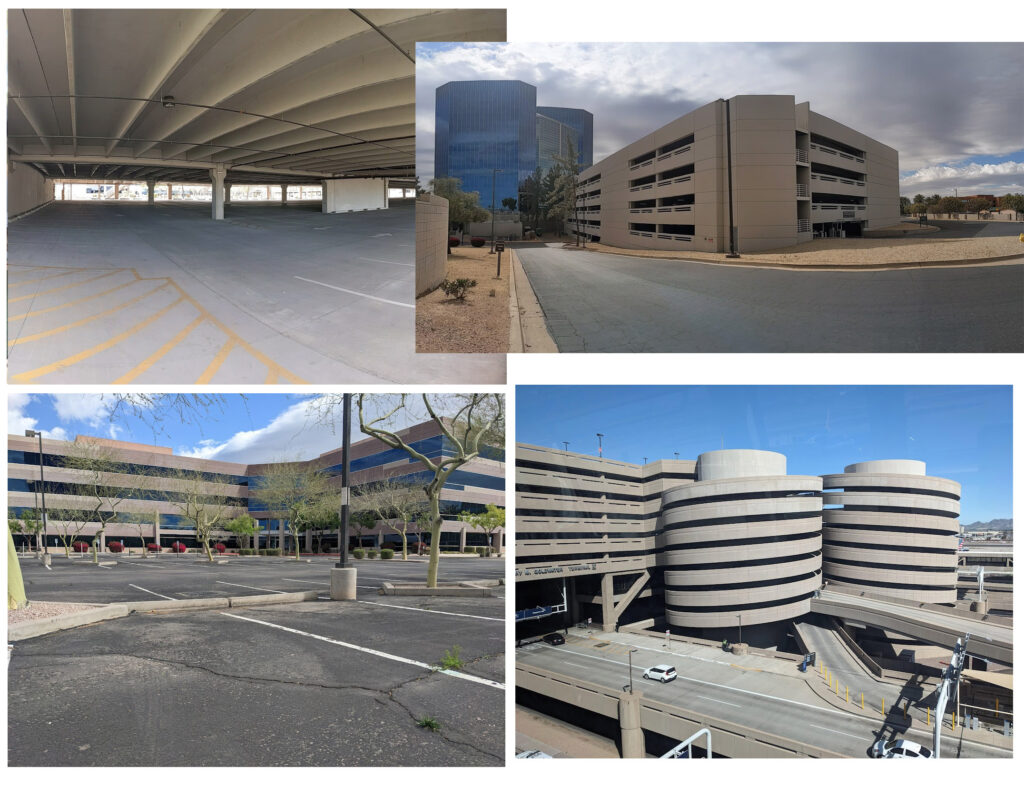
The layout of Culdesac Tempe prioritizes climate-responsive architecture, featuring shaded walkways, green courtyards, and integrated commercial spaces that reduce the need for residents to leave the immediate neighborhood for daily routines. Furthermore, the community’s strategic placement adjacent to a light rail line and major university infrastructure provides residents with seamless, car-free regional transit access. The success of this initial pilot has catalyzed broader master-planning conversations among urban designers aiming to replicate the model on a larger scale, potentially transforming underutilized commercial zones, such as traditional big-box shopping center parking lots, into vibrant residential hubs.

Observers and commentators emphasize that understanding the economics of modern city planning is akin to diagnosing a systemic illness rooted entirely in poor foundational habits. Just as a lifestyle defined by chronic poor nutrition and inactivity leads to systemic health decline, a built environment designed exclusively for automobiles generates profound economic, social, and environmental inefficiencies. By systematically reclaiming urban space from cars and reinvesting it into human-scale communities, cities can unlock unprecedented levels of personal and national prosperity for generations to come.