
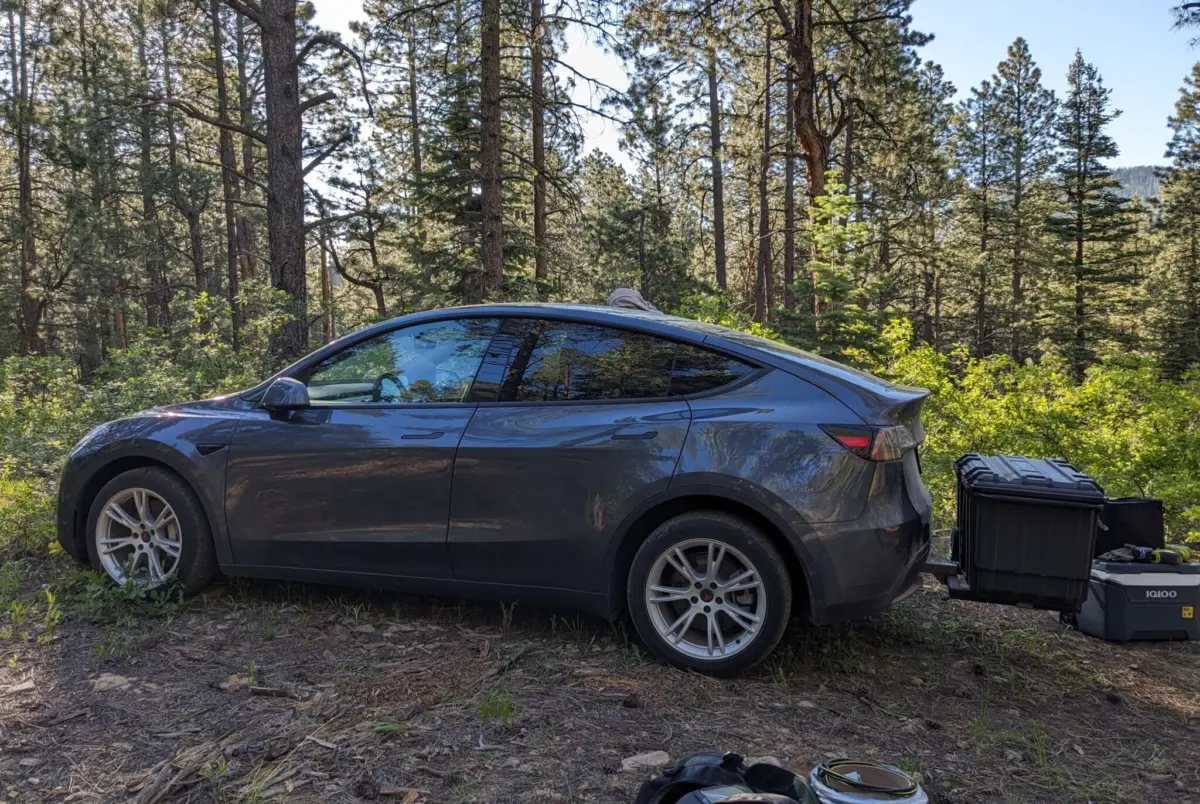
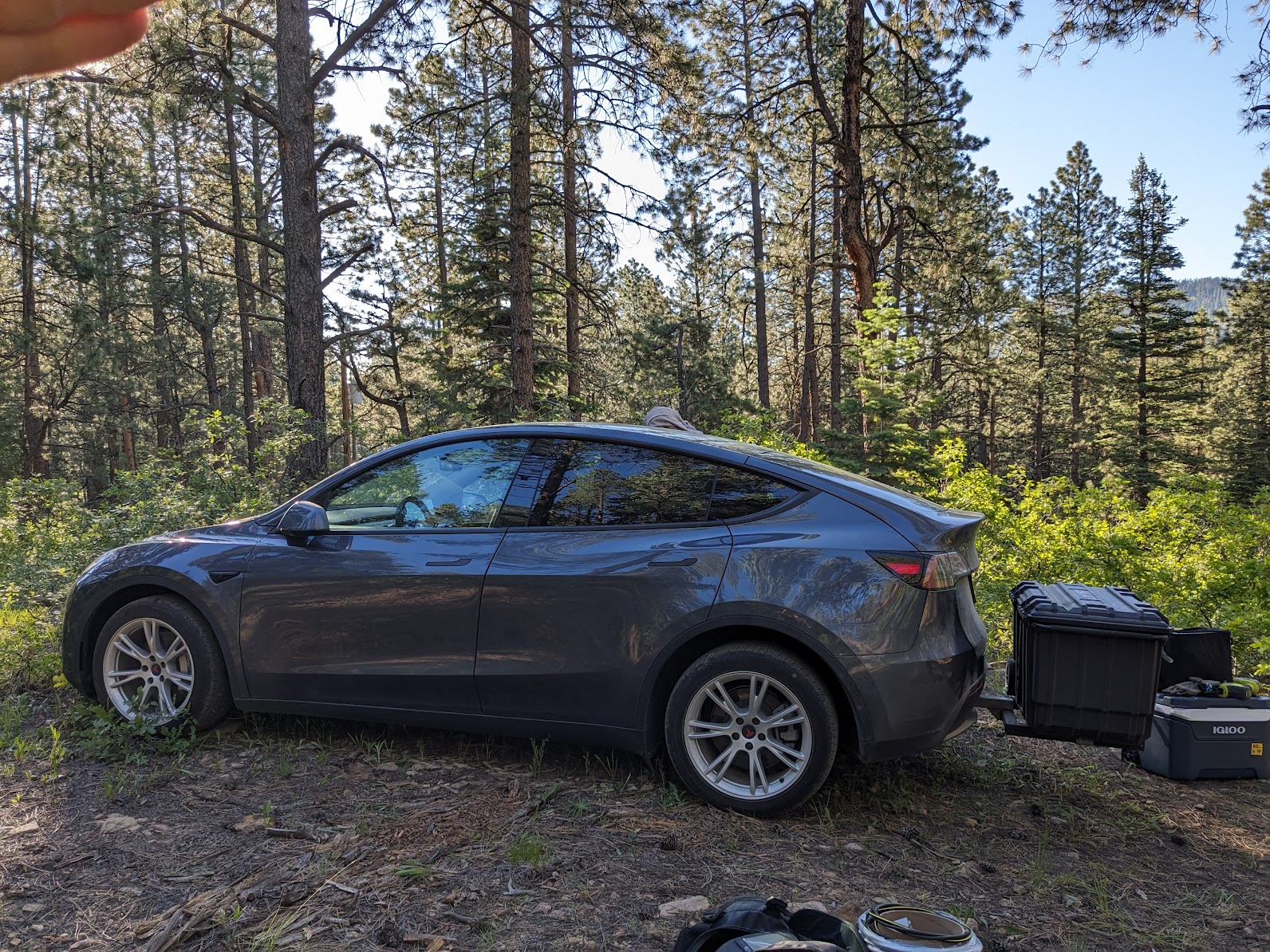
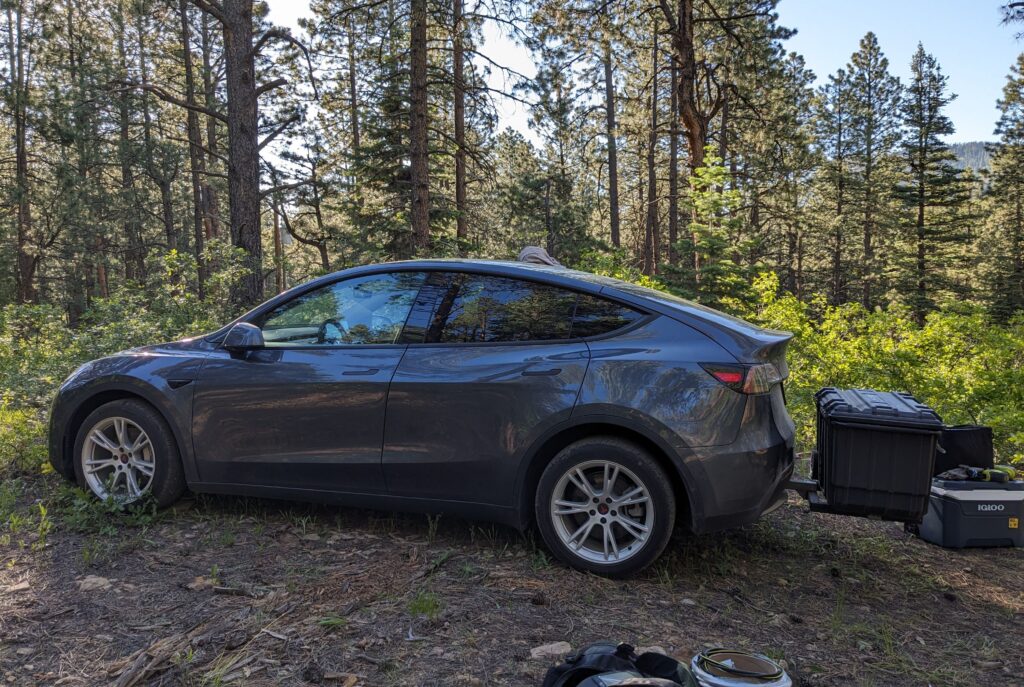
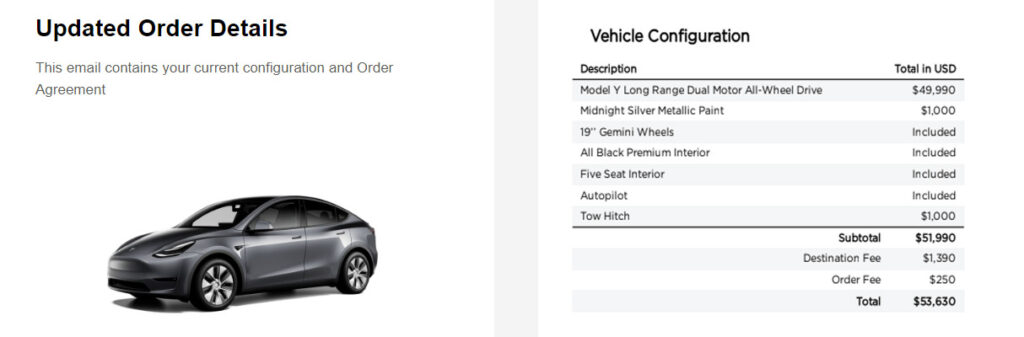
After nearly two decades of championing extreme frugality and advocating against modern car culture, the influential personal finance blogger known as Mr. Money Mustache has made a surprising vehicular pivot. He is currently navigating the purchasing process for a brand-new, luxury 2023 Tesla Model Y.
The purchase brings the net cost to roughly $52,000 after factoring in applicable taxes and tax credits. For a man who built an entire philosophy—and an early retirement—around minimizing expenses and rejecting excessive consumerism, the price tag represents a staggering leap from his previous vehicle. That car, a dependable Honda minivan affectionately named "Vanna," was purchased off Craigslist twelve years ago for just $4,500.
For more than a decade, the old van served as a reliable workhorse, crisscrossing American mountains and deserts while helping transport materials for neighborhood home renovations. But after 23 years on the road, capped off by a final steaming transmission failure on a mountain pass near Salida, Colorado, the vehicle’s run came to an end.
The decision to buy a luxury electric crossover loaded with all-wheel drive, lightning-fast acceleration, seating for seven, and advanced computing technology has drawn plenty of self-mockery from the veteran financial writer. Known formally as Peter Adeney, the blogger admits that naturally frugal individuals will likely view the purchase as completely off-base. After all, his core financial philosophy earned him an early retirement 18 years ago and provided the foundation for his lifestyle today. It was that very mindset that allowed him to procrastinate on buying an expensive electric vehicle for four years, brushing off constant encouragement from friends and online followers to loosen the purse strings.
However, the purchase highlights a complex psychological hurdle frequently faced by long-term savers: the difficulty of shifting from an accumulation mindset to actually enjoying accumulated wealth. Pointing to the classic adage that "what got you here won’t get you where you’re going," the blogger argues that hyper-efficient saving habits, while vital for initial financial independence, can eventually transform into an unhealthy scarcity mindset.
This mental friction was recently illustrated during a routine grocery store visit. Standing in an aisle hoping to buy a brand of bread priced at $6.99—substantially higher than the usual bulk-store rate—he experienced an immediate mental standoff over the inflated cost. Following an internal debate about whether to boycott the purchase or seek alternatives, he ultimately realized the absurdity of agonizing over a couple of dollars. Such penny-pinching, he noted, stems from an ingrained reluctance to spend money even when personal net worth makes the expense entirely inconsequential.
Conversations with peers who achieved similar financial independence through decades of disciplined saving revealed a shared struggle. Despite having substantial net worths, these individuals frequently encounter the same mental blocks when trying to spend money on personal comfort, whether it involves paying for convenient transportation or upgrading household goods.
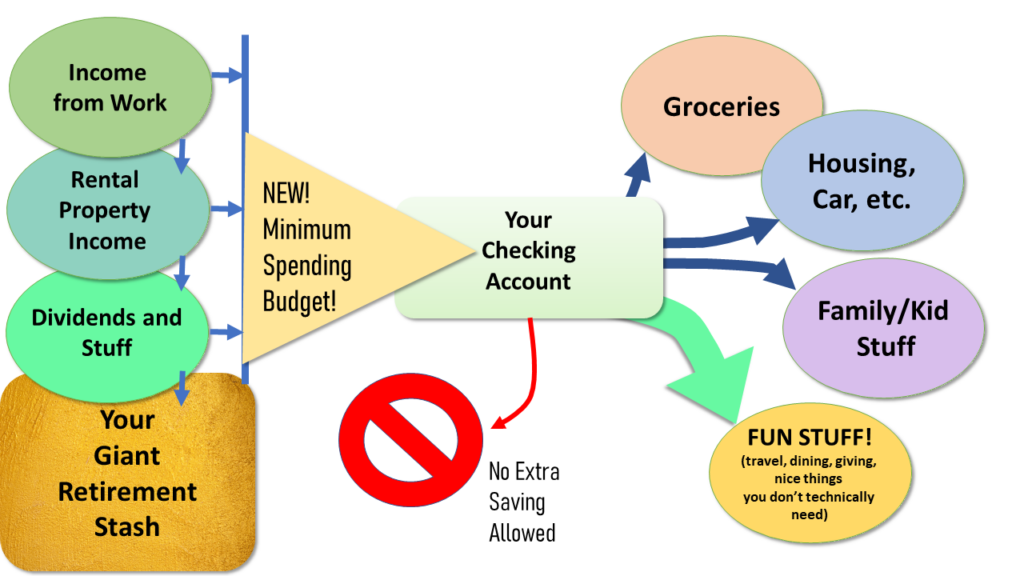
To combat this tendency, the group identified several core principles aimed at helping long-term savers loosen their financial grip while they are still alive. The first concept involves establishing a realistic minimum spending budget. For individuals who have amassed substantial investment portfolios—such as a $2 million nest egg—traditional withdrawal guidelines suggest they could safely spend up to $60,000 to $80,000 per year without depleting their principal. Yet, many of these individuals continue living on $40,000 or less out of sheer habit, funneling surplus funds directly back into an already oversized financial stash while keeping their discretionary spending restricted.
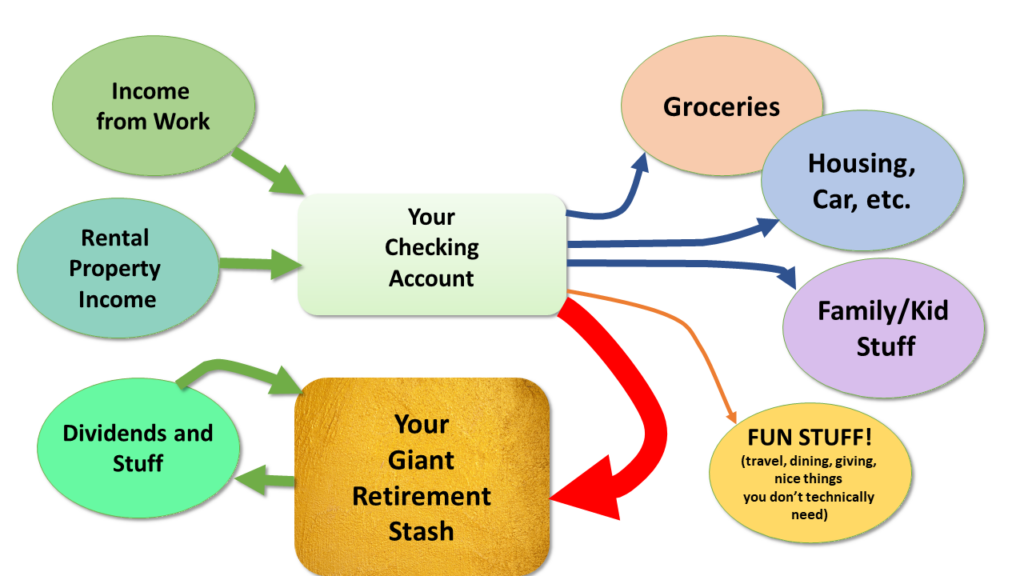
A second strategy involves creating a dedicated spending account specifically earmarked for frivolous or enjoyable expenses. Drawing a parallel to corporate business trips where spending company money feels effortless because the bill is never seen directly, the approach encourages framing personal enjoyment funds in a way that bypasses the guilt of tapping into primary savings.
Finally, the group emphasizes the value of maintaining a splurge accountability buddy. Surrounding oneself with peers who understand the psychological trap of hyper-optimization allows individuals to gently challenge each other’s cheap habits and encourage well-deserved splurges. Several acquaintances within this circle have recently made long-overdue upgrades, replacing aging vehicles with modern electric cars and investing in quality travel and home improvements.
For Mr. Money Mustache, the $50,000 Tesla represents an estimated increase of about $10,000 in annual vehicle-related costs compared to his old van. Because the primary purpose of the vehicle is to facilitate camping trips, road adventures, and travels around the country, the purchase is expected to naturally encourage additional spending on experiences, dining, and lodging.
The transition has also prompted reflection on the balance between personal spending and philanthropy. Having donated more than $500,000 to charitable causes since launching his blog, the author notes that extreme frugality can sometimes distort a person’s perspective, making modest personal treats feel disproportionately extravagant when compared against major charitable contributions. While maintaining responsible financial stewardship and generous giving remains paramount, the experience underscores that allocating a portion of earned wealth for personal enjoyment and comfort is a valid and healthy choice.

Disposing of the old Honda van proved surprisingly straightforward. Following a friend’s recommendation, he utilized an online vehicle salvage service called Peddle, which evaluated the old vehicle at $715. A tow truck arrived the following day to haul it away, paying out the sum in cash—funds that were immediately redirected toward celebratory dinners out to honor the theme of the new spending philosophy.
Ultimately, the purchase of the electric crossover marks the end of an era defined by underpowered gasoline engines and mechanical unreliability, replacing daily transit anxiety with modern driving technology and a renewed enthusiasm for future road trips.