
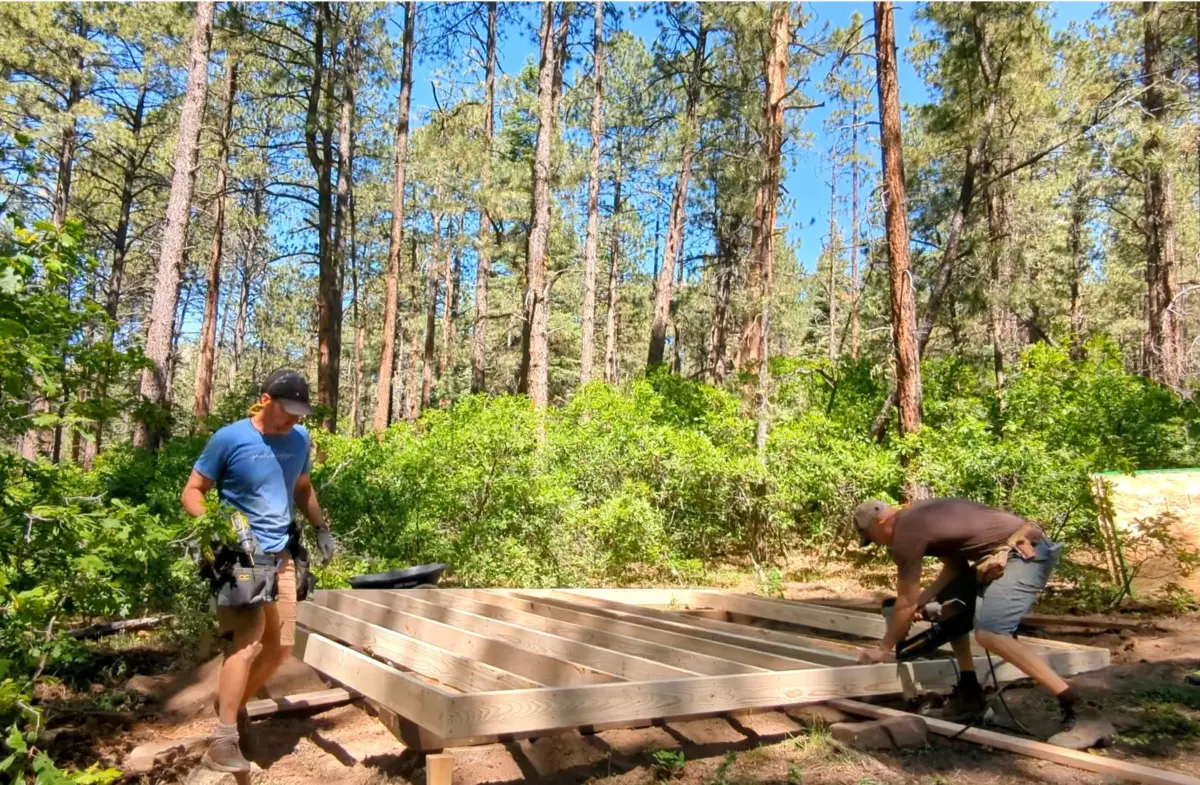
It often begins in the most unexpected places—in this instance, with an episode of a popular health and longevity podcast hosted by physician Peter Attia. The guest was a young, accomplished writer promoting a new book, a profile that at first glance seemed to hold little immediate relevance to a life rooted in minimalism and early financial independence. Yet, the episode’s central title immediately captured attention, serving as an acute mirror for lifestyle philosophies that have been championed for over a decade.
That title was The Comfort Crisis, a phrase that brilliantly encapsulates a growing counter-cultural realization. While mainstream headlines remain fixated on recurring economic debt crises, healthcare strains, and societal stress, a starkly different reality exists for many modern citizens, particularly in the developed world. Rather than suffering from a lack of resources, the average person is increasingly imperiled by a surplus of ease and overindulgence. The primary obstacle is rarely hardship itself, but rather a collective failure to recognize how extreme convenience and comfort erode physical and mental resilience.

The book at the center of this cultural critique is authored by Michael Easter, a former writer for Men’s Health magazine whose personal background includes a hard-fought battle against severe alcohol addiction—an affliction with deep roots in his family history. Having successfully navigated his own recovery, Easter brings a unique, hard-won perspective to the broader societal tension between comfort and hardship. His background lends credibility to his explorations of how humans process overindulgence, not just in substances, but across every facet of modern living.
Navigating the Split Narrative of Modern Science and Survival
What distinguishes Easter’s work is its literary craftsmanship. Following a format common among engaging popular science literature, the book weaves a dual narrative. It juxtaposes the gripping, high-stakes account of an exceptionally grueling caribou hunting expedition in the remote wilderness of Alaska with rigorous scientific research, psychological insights, and cultural commentary. This structure allows readers to process complex behavioral principles and apply them directly to their own domestic lives.

Consider, for instance, the hyper-vigilant suburbanite who fixates on trivial neighborhood infractions, such as overgrown lawns or localized rule-breaking, frequently broadcasting grievances on community platforms. While such behavior often seems bafflingly petty, psychological research provides a concrete explanation. Humans possess an innate evolutionary drive to constantly scan their environment for threats, regardless of how secure or stable that environment actually becomes.
Studies referenced in the research demonstrate that when human subjects are placed in environments that gradually become safer, they do not simply relax and experience greater satisfaction. Instead, the brain continues its vigilant search for problems by lowering its threshold for what constitutes a threat. When real dangers are absent, people begin manufacturing grievances, creating a culture of constant complaint. In turn, political systems and public discourse often adapt to appease these insubstantial anxieties, manufacturing wedge issues that foster unnecessary division.
Conversely, the inverse principle holds true for populations subjected to genuine adversity. Interviews conducted in active conflict zones, such as occupied regions of Ukraine, reveal that a surprisingly high proportion of residents still describe their safety conditions in ways comparable to responses gathered in peaceful Western cities. Similarly, the psychological adaptation of first-generation immigrants often drives them to build businesses and accumulate wealth through a high tolerance for early hardship, while subsequent generations, raised in comfort, are more prone to complacency and depletion of those resources.
The Biological Necessity of Nature and Exertion
Beyond the trap of manufactured worry, the modern lifestyle presents severe consequences for physical and mental health through prolonged sedentarism. Human biology responds instantly and profoundly to natural environments in ways that sterile office cubicles and automobile-bound commutes can never replicate. Research cited in health literature demonstrates that even placing a single houseplant in a hospital room measurably accelerates patient recovery across a wide array of ailments, highlighting the profound physiological medicine found within natural surroundings.

This biological baseline extends directly to physical exertion. Human evolution is rooted in an inherent ratio of effort to reward—the harder an individual labors for an outcome, the greater the psychological satisfaction. Yet, modern society displays a striking aversion to physical effort. Statistical observations on everyday behavior underscore this trend, noting that only a tiny fraction of people choose stairs when an escalator or elevator is readily available.
Moving the human body, particularly when paired with outdoor environments, heavy load-bearing, and periods of intense exertion, drastically reduces the probability and severity of numerous modern ailments. Yet contemporary routines remain anchored to indoor sedentary behavior, relying heavily on medical interventions to manage chronic conditions born largely from a lack of fundamental physical engagement. The foundational prescription for well-being remains simple: prioritize outdoor exposure, regular heavy exertion, minimal sitting, and a diet free of excessive processed sugars and alcohol, reserving specialized medical treatments for circumstances that exceed these baseline human needs.

Real-World Application in the Colorado Wilderness
These principles are not merely abstract theories; they offer practical frameworks for navigating personal challenges. While working through the concepts in literature, an opportunity for firsthand application arose during a solo journey into the rugged mountains of southwestern Colorado. Packing a life’s worth of supplies, food, and tools into a vehicle designed for remote travel, the itinerary involved intensive construction labor across two distinct projects: restoring a property in Salida and initiating the construction of a mountain cabin near Durango.
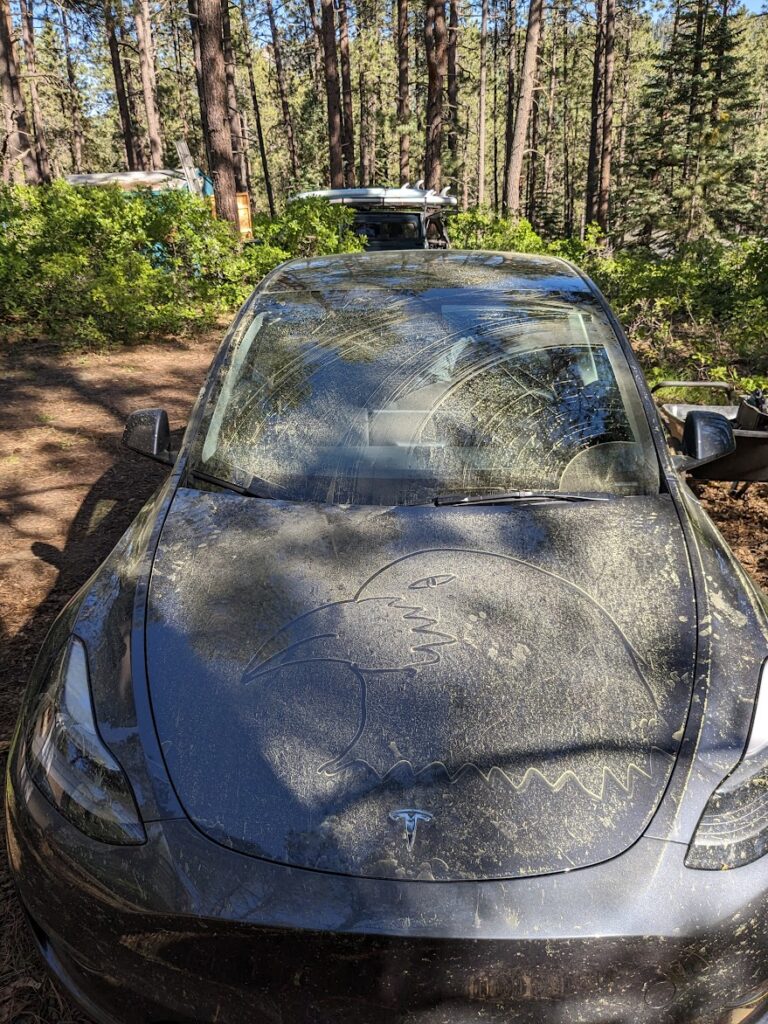
The trip immediately encountered logistical hurdles, beginning with a torrential mountain rainstorm, a moving violation issued by local law enforcement, and a flying pebble that instantly shattered a brand-new windshield. By conventional modern standards, these minor inconveniences are easily magnified into major stressors. Arriving at the destination in a temporarily deflated state highlighted just how sensitive modern, comfortable lives have become to the slightest disruption.
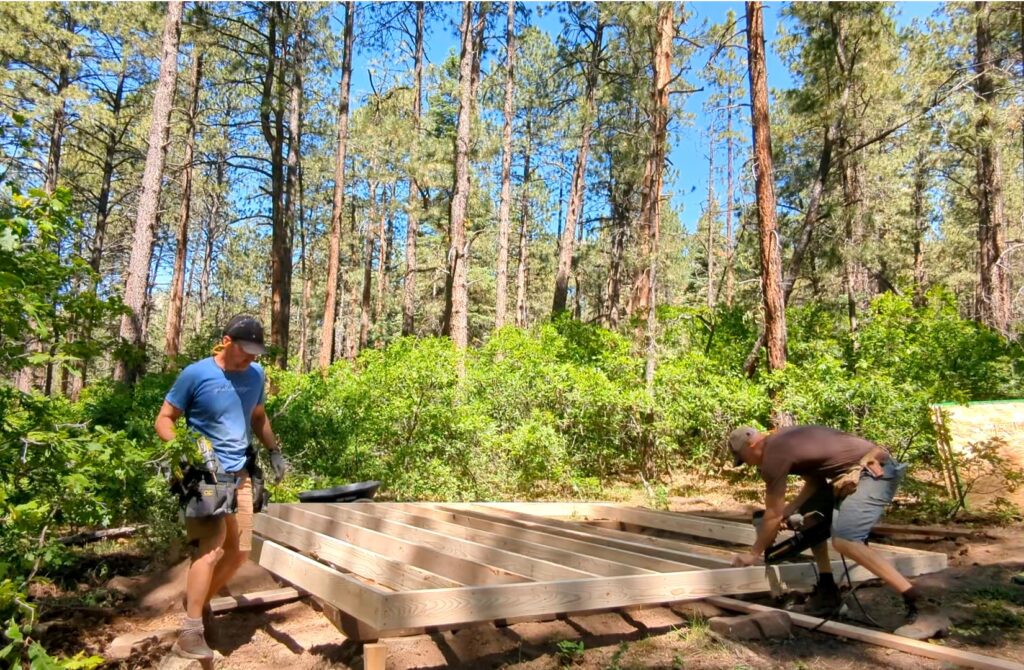
As the journey progressed into the high-desert terrain of Durango, the physical demands of summer construction intensified. Operating under intense sun, managing pollen storms, hauling limited water supplies, and sleeping independently within a vehicle far from urban amenities could easily evoke feelings of isolation or hardship. Yet, the psychological shift inspired by the principles of endurance produced the opposite effect. Each day of physical labor fostered a growing sense of resilience, competence, and vitality.
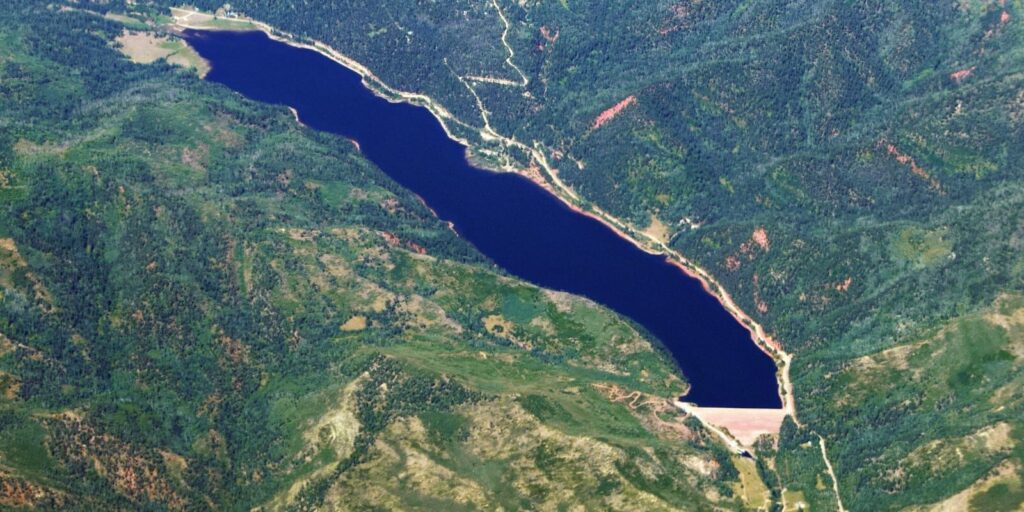
A planned afternoon excursion to the remote Lemon Reservoir further tested these concepts. Embarking on paddleboards without communication devices or modern conveniences into stiff headwinds and whitecap waves, the journey required sustained physical effort. Pushing far out onto the open water into secluded, wildflower-strewn alpine meadows offered a stark reminder of the value found in physical challenge. Without digital distractions, the surrounding landscape was absorbed entirely through sensory memory, culminating in a serene, weightless drift across the deep alpine waters.
The week of strenuous outdoor labor concluded with a return to everyday family responsibilities, but not without reinforcing a final lesson regarding human appetite and satisfaction. Living with a sustained level of background hunger and physical fatigue over several days restored a natural physiological state that modern abundance frequently erases. Consequently, a celebratory final meal consisting of an oversized burrito served as a powerful reminder of how deprivation enhances appreciation.
Balancing Comfort, Hardship, and Modern Spending
Recent discussions within the financial independence community frequently debate the merits of spending and the importance of avoiding excessive frugality. While there is merit in recognizing the value of investing in experiences, generosity, and personal growth, the broader societal drift toward extreme comfort demands careful vigilance.
It remains remarkably easy to rationalize expenditures that continuously strip friction, challenge, and effort from daily existence. Maintaining a balanced approach requires an intentional commitment to preserving challenge within the modern lifestyle. In essence, the underlying philosophy of modern well-being encourages individuals to invest in robust tools rather than softer chairs, ensuring that physical and mental resilience remains intact amidst an increasingly comfortable world.